
High-quality window glass employs multiple advanced technologies to maximize your home’s comfort and efficiency. You’ll find specialized Low-E coatings that reflect heat while allowing natural light, along with noble gas fills like argon or krypton between multiple panes for superior insulation. Your windows benefit from tempered or laminated glass construction that enhances safety and durability. These precision-engineered features work together to deliver performance that goes far beyond standard glass solutions.
The Evolution of Window Glass Technology
Window glass has come a long way since its ancient origins in 2,500 BC. While early civilizations mastered glass-making, it wasn’t until the 17th century that glass windows became standard home features. The evolution of window glass types has focused primarily on improving insulation and energy efficiency.
You’ll find that single-pane windows, though revolutionary for their time, couldn’t effectively regulate indoor temperatures. The 1950s introduced insulated glass with dual panes, marking a significant advancement in window technology. Today’s high-performance windows feature Low-E glass coatings that reflect radiant heat and block harmful UV rays. The most efficient insulating glass units now incorporate argon gas between panes, spaced approximately half an inch apart. This combination of modern glass technologies delivers superior temperature control and energy savings that early window makers could never have imagined.
Understanding Low-E Coatings and Heat Management
You’ll find that modern high-performance windows leverage Low-E coatings, microscopically thin metallic layers that actively reflect radiant heat while allowing visible light to pass through. These specialized coatings manage solar heat gain through strategic positioning of metal or metallic oxide layers, with different formulations optimized for either cold climates (retaining interior heat) or warm climates (blocking exterior heat). By selecting windows with appropriate Low-E coatings for your climate zone, you can reduce your heating and cooling costs by up to 15% while protecting your interior furnishings from UV damage.
Heat Reflection Technology
Modern heat reflection technology, particularly Low-E coatings, represents a major advancement in window glass engineering. These microscopic metallic layers transform your window’s performance by actively managing heat transfer while maintaining glass clarity. The insulating properties are remarkable you’ll find that dual-pane Low-E glass achieves an SHGC of 0.16, effectively blocking unwanted heat gain.
For enhanced energy efficiency, triple-pane configurations with argon gas fill deliver a U-Factor of 0.20, making this type of glass particularly effective in temperature regulation. The specialized AdvancedComfort Low-E layer proves especially important in colder climates, where heat retention is indispensable. You’ll also benefit from superior UV protection, as advanced Low-E glass blocks up to 86% of harmful rays that can fade your interior furnishings.
Seasonal Energy Performance
Understanding how Low-E coatings perform across seasons reveals their sophisticated approach to heat management. You’ll find these advanced window solutions deliver year-round benefits through precise control of heat transfer and UV protection.
- Low-E glass with optimized Solar Heat Gain Coefficient blocks unwanted solar radiation during summer months
- Strategic U-Factor ratings guarantee better insulation performance when you need to retain indoor heat during winter
- Triple-pane configurations maximize energy efficiency by blocking up to 86% of harmful UV rays
- AdvancedComfort low-E glass specifically enhances indoor comfort in colder climates through superior insulation
- Your windows’ performance varies by season, actively managing heat gain and loss through specialized metallic oxide layers
This intelligent design means your windows work harder to maintain comfort while reducing energy costs, regardless of outdoor conditions.
Gas-Filled Insulated Glass Units
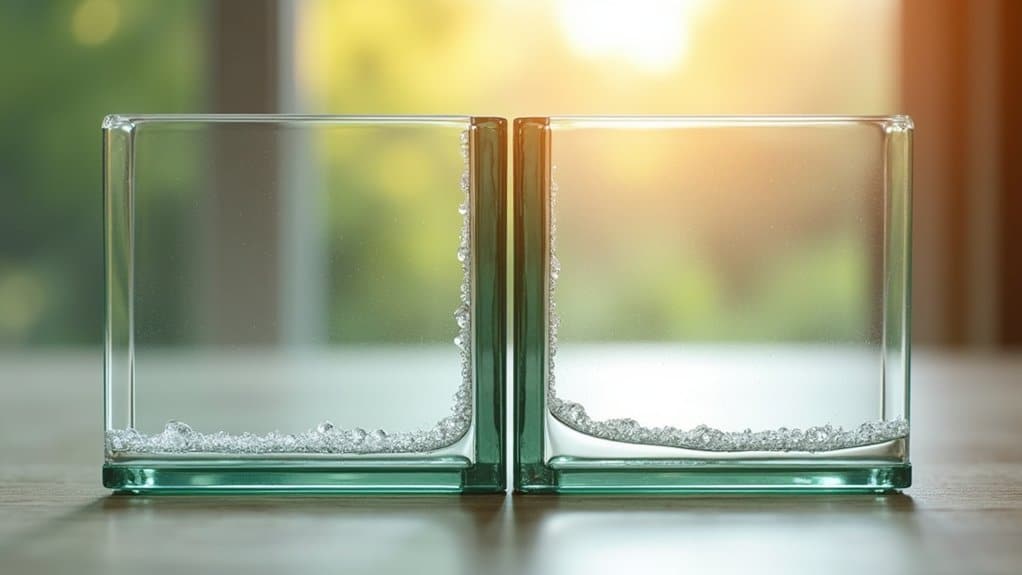
Gas-filled insulated glass units (IGUs) represent a significant advancement in window technology, utilizing noble gases trapped between multiple panes to maximize thermal performance. When you’re choosing window glass options, you’ll find that IGUs with two panes of glass offer superior insulation compared to traditional single-pane windows.
The type of glass and gas combination you choose directly impacts your window’s energy efficiency. Argon-filled units, the most common choice for doors and windows, deliver 20% better insulation than air-filled alternatives. If you’re seeking the best thermal performance, krypton offers 40% improved insulation, while xenon provides maximum efficiency. However, these premium gases come at higher costs. The trapped gas works alongside laminated glass and specialized coatings to reduce heat transfer, ultimately determining your window’s U-factor and overall performance.
Safety Features of Tempered and Laminated Glass
Safety consciousness drives the development of specialized window glass, with tempered and laminated options leading the industry in protection and durability. You’ll find these safety glass varieties excel in different ways, offering superior protection against flying debris and extreme conditions.
- Tempered glass provides four times the strength of standard glass and breaks into harmless pebbles rather than sharp shards
- Laminated glass features a protective inner layer that holds broken pieces together, enhancing security
- Impact-resistant glass combinations withstand significant force while maintaining structural integrity
- Energy efficient tempered glass resists heat transfer and contributes to temperature regulation
- Both glass types deliver superior sound reduction, with laminated glass offering enhanced acoustic barriers
These specialized glass options guarantee your windows aren’t just transparent barriers they’re engineered safety systems protecting your home while maintaining peak performance.
Performance Ratings and Energy Efficiency
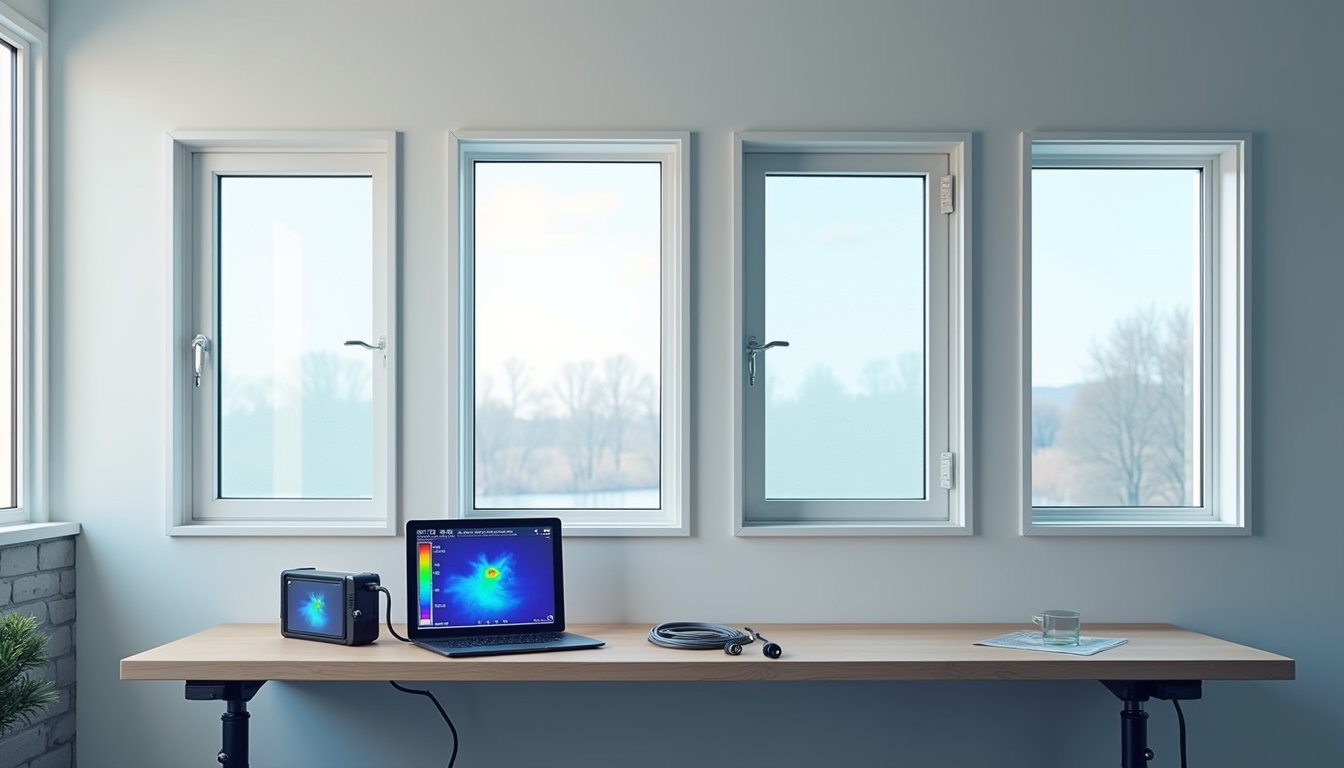
When selecting high-performance windows, you’ll need to evaluate both the U-Factor, which measures insulation effectiveness, and the Solar Heat Gain Coefficient (SHGC), which indicates solar radiation control. Low-E coatings substantially enhance both metrics by reflecting infrared heat while allowing visible light to pass through the glass. The combination of optimized U-Factor and SHGC ratings with Low-E technology creates an energy-efficient window system that reduces your heating and cooling costs while maintaining ideal natural light transmission.
U-Factor Versus SHGC Ratings
Two critical metrics determine a window’s thermal performance: U-Factor and Solar Heat Gain Coefficient (SHGC). When selecting different types of window glass, you’ll need to understand how these ratings help optimize your home’s energy efficiency.
- U-Factor measures heat loss prevention, with lower values indicating better insulation in double pane and Triple Pane windows
- SHGC ratings show how effectively windows and doors block unwanted Solar Heat Gain
- The type of window glass you choose should match your climate zone’s specific requirements
- Lower U-Factors are particularly important in cold climates to retain indoor heat
- Lower SHGC values work best in warm climates to reduce cooling costs
These measurements are used to compare window performance across manufacturers, helping you make informed decisions about which glass options will deliver the best energy efficiency for your specific needs.
Low-E Coating Benefits
Modern Low-E coatings represent a significant advancement in window glass technology, delivering measurable improvements across multiple performance metrics. These coatings play an essential role in strengthening your window’s insulating properties, reducing U-factors by up to 0.20 while blocking up to 95% of harmful UV rays.
When you choose the right Low-E coating, you’ll get four times stronger insulation performance, especially with argon-filled dual-pane systems that achieve R-values up to 4. These coatings help keep your home cool by lowering the Solar Heat Gain Coefficient by up to 0.40 compared to standard glass. The best insulation doesn’t come at the expense of natural light Low-E coated windows can actually improve Visible Transmittance by up to 0.10, ensuring your living spaces remain bright and welcoming.
Optical Properties and Distortion Management
High-performance window glass frequently exhibits unique optical characteristics due to its specialized manufacturing process. When you look through your window’s glass pane, you might notice slight visual distortions that aren’t defects but rather evidence of the strengthening process that makes the glass superior to standard annealed glass.
- Heat-strengthening creates surface compression that can cause waviness
- Glass units undergo controlled heating and cooling to guarantee durability
- Float glass becomes more susceptible to roller waves at high temperatures
- Optical distortions are natural byproducts of performance enhancement
- Precision manufacturing controls minimize visual irregularities
These optical properties result from essential processes that improve your window’s performance, including better heat flow management and protection against harmful UV rays. While some waviness may be visible, it’s a trade-off that certifies your glass units maintain their structural integrity and seal failure resistance.
Advanced Privacy Solutions and Decorative Options
Several advanced glass treatments now enable homeowners to balance aesthetic appeal with functional privacy needs. You’ll find that obscured glass options, including textured and frosted finishes, provide varying degrees of light control while maintaining privacy. For enhanced security, laminated and tempered glass offer superior durability against forced entry and impacts.
When you need additional privacy and solar control, tinted glass effectively manages heat gain and reduces glare while preserving your view. If noise reduction is a priority, specialized laminated glass with optimized thickness and pane spacing considerably decreases sound transmission. For traditional aesthetics without compromising performance, you can choose between simulated divided lite bars or grilles-between-the-glass, both delivering the classic muntin appearance while maintaining the glass’s integrity and ease of cleaning.
Impact Resistance and Weather Protection
Beyond aesthetic considerations, robust impact resistance and weather protection define truly superior window glass. Your window’s durability and performance depend on various glass technologies that work together to create a superior barrier against elements and impacts.
Modern window glass must balance strength and protection, transforming a simple pane into an advanced shield against nature’s forces.
- Tempered glass, stronger than regular glass by up to 4x, breaks into small pieces that are less likely to cause injury
- Laminated glass consists of two layers of glass with an interlayer that prevents shattering and enhances security
- Multiple panes with air or gas fills maximize your window’s insulating properties
- Specialized coatings reflect radiant heat and reduces heat transfer through the glass
- Impact-resistant options combine tempered and laminated technologies to protect against severe weather and flying debris
These advanced features transform standard windows into high-performance barriers that protect your space while maintaining ideal energy efficiency.
Regional Climate Considerations for Glass Selection
When selecting window glass for your home, regional climate patterns play a decisive role in determining the most effective glass technology for your needs. The window’s insulating properties must match your local weather conditions to maximize energy efficiency.
In areas with extreme temperatures, you’ll find specialized options available. For hot climates, SunDefense™ Low-E glass reduces solar heat gain, while AdvancedComfort Low-E glass is often used in colder regions to enhance thermal insulation. The far northern U.S. and Canada typically choose NaturalSun Low-E glass for their windows, as this layer of glass ideal-fit natural light transmission while maintaining heat retention. Moderate climates help you choose a balanced solution with Advanced Low-E insulating glass, which offers comprehensive protection against UV rays while maintaining suitable light levels and temperature control.
Frequently Asked Questions
Are There Different Qualities of Window Glass?
Yes, you’ll find significant differences in window glass qualities based on several factors. Glass thickness, composition, and tempering affect durability, while specialized coatings enhance thermal performance. You can choose different levels of tinting for solar control and privacy. Higher-quality glass offers better sound insulation and aesthetic quality. The manufacturing process determines these variations, with premium options featuring advanced treatments that improve overall performance and longevity.
How Can You Tell if a Window Is Good Quality?
You can evaluate window quality by examining multiple characteristics. Check the glass thickness and visual clarity by looking for distortion-free reflections. Test sound insulation by listening for outside noise reduction. Look for energy efficiency ratings (U-factor and SHGC) on labels. Quality windows feature UV protection coatings, high scratch resistance, and superior thermal performance. You’ll notice better durability in premium glass, often with multiple panes and professional edge sealing.
What Type of Glass Is Best for Windows?
You’ll find tempered glass is your best choice for windows, as it offers superior strength through glass tempering and essential glass safety features. For enhanced protection, consider laminated glass with multiple layers bonded together. The ideal solution often combines these with advanced glass coatings and proper glass thickness to maximize energy efficiency and noise reduction. Look for Low-E technology and appropriate glass tinting to improve your window’s thermal performance and UV protection.
Are There Different Grades of Glass for Windows?
Yes, you’ll find distinct grades of window glass that vary in several key properties. Glass thickness affects strength and soundproofing, while glass purity determines clarity and appearance. The glass tempering process creates stronger, safer windows, and various glass coatings provide UV protection and scratch resistance. Glass tinting options offer privacy and heat control, while enhanced glass insulation improves energy efficiency. Higher-grade options typically combine multiple features for ideal performance.