
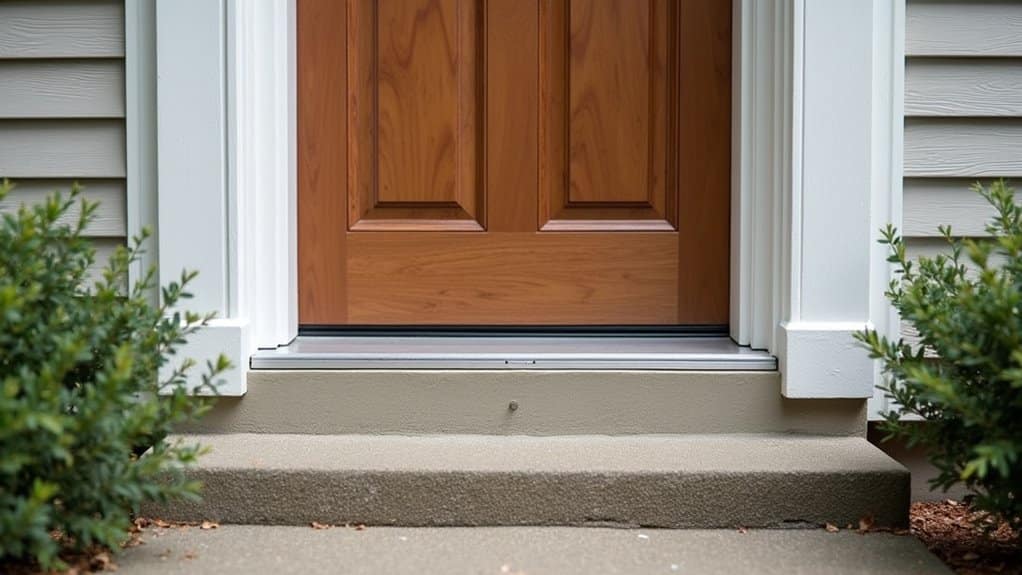
You’ll greatly enhance your home’s safety and weather protection by replacing door glass with impact-resistant options featuring tempered or laminated designs. These materials resist shattering during storms and break-in attempts, while advanced insulation technology reduces heat transfer by up to 65%. Multi-point locking systems and reinforced frames further strengthen security. Modern replacement doors also create airtight seals that prevent weather infiltration and allergen entry. Uncover how these upgrades work together to extensively fortify your home.
Enhanced Security Features and Break-In Resistance
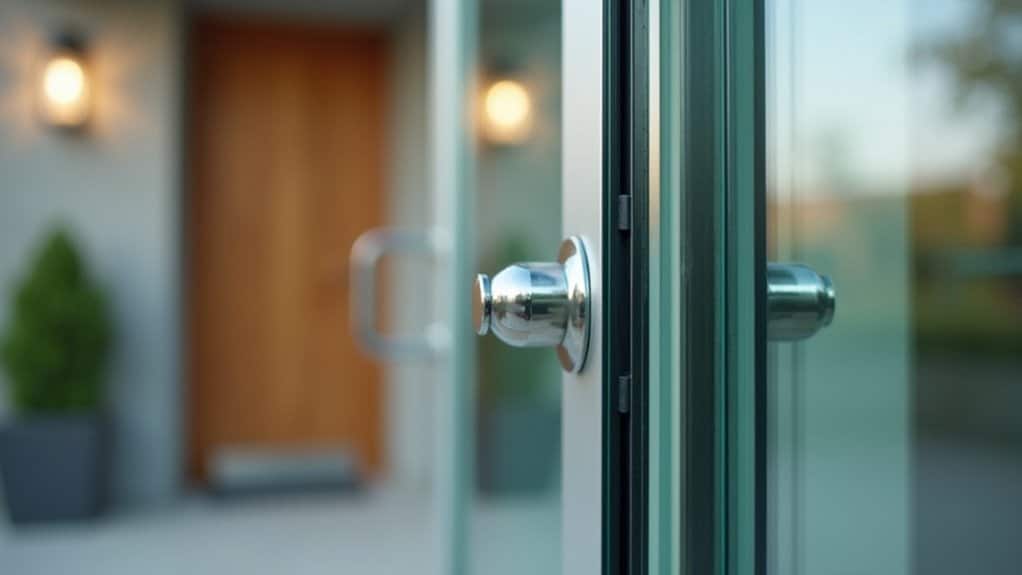
When you’re considering door glass replacement, understanding how modern safety glass and advanced locking systems work together is essential to protecting your home. Tempered glass is four times stronger than standard glass and crumbles into harmless pieces upon impact, while laminated glass stays intact with its durable plastic interlayer. Impact-resistant glass is six times harder to break than conventional options and generates significant noise if shattered, creating a deterrent effect that discourages intruders. Crime statistics show 80% of home burglaries occur through doors or windows, yet most burglaries target easily breached openings. Multi-point locking systems paired with reinforced deadbolts dramatically increase forced entry resistance. Advanced smart locking mechanisms can be integrated with your home security system to provide remote monitoring capabilities that allow real-time alerts and control. Steel frames offer maximum security and rigidity compared to standard aluminum options. Professional installation ensures proper frame alignment and eliminates installation vulnerabilities that could compromise your door’s protective capabilities. When combined with professional installation and reinforced door frames, these upgrades provide extensive break-in protection that meets modern safety standards.
Energy Efficiency and Temperature Stability
When you upgrade your door glass with advanced insulation technology, you’ll substantially reduce the workload on your HVAC system by minimizing heat transfer through multi-pane designs and inert gas fills. This improved thermal performance means your heating and cooling systems won’t need to cycle as often to maintain your desired indoor temperature, directly lowering your energy consumption and utility costs. By decreasing reliance on mechanical climate control, you’re enhancing comfort and also extending your HVAC equipment’s operational lifespan. Glass coatings that filter UV rays further enhance the thermal performance of your door system by reducing unwanted solar heat gain. According to ENERGY STAR reports, homeowners can save up to 12% on utility bills by upgrading to efficient windows and doors. Research shows that 25%-30% of residential heating and cooling energy use is attributed to heat gained or lost through windows and doors, making upgrades to these entry points particularly impactful for homeowners seeking meaningful utility bill reductions.
Advanced Insulation Technology Benefits
How much of your heating and cooling costs stem from heat loss through outdated door glass? Advanced insulation technology directly addresses this inefficiency. Multi-pane insulating glass units (IGUs) filled with argon or krypton gas dramatically reduce thermal transfer. Low-E coatings reflect infrared energy, minimizing unwanted heat gain while enabling UV ray reduction and solar heat deflection. You’ll achieve up to 65% heat loss reduction compared to standard double-glazed windows. Modern automotive glass processing techniques like laminating and coating improve thermal insulation while maintaining optical clarity, ensuring your door glass performs optimally for years to come.
| Technology | Thermal Benefit | UV Protection | Energy Savings |
|---|---|---|---|
| Multi-pane IGU | High thermal resistance | Moderate | 20-30% |
| Low-E coating | Infrared reflection | Excellent | 15-25% |
| Gas fill (argon) | Reduced convection | Good | 10-15% |
| Combined system | Ideal performance | Superior | 30-65% |
Professional-grade sealing systems eliminate air leakage, maximizing these gains year-round. Proper glass processing ensures door glass meets standards for insulation, strength, and durability, reducing long-term maintenance requirements and preserving energy-saving performance. New door glass equipped with advanced weatherstripping and seals creates a strong barrier against external weather conditions, preventing the loss of heated or cooled air and maintaining consistent indoor temperatures.
Reducing HVAC System Strain
Installing energy-efficient door glass does more than lower your utility bills, it fundamentally changes how your HVAC system operates. When you upgrade to multi-pane glass with Low-E coatings and insulated frames, you reduce thermal transfer considerably. Your HVAC system experiences fewer extreme temperature fluctuations, meaning it doesn’t work as hard to maintain your home’s climate. This reduced strain directly extends your equipment lifespan and decreases maintenance costs tremendously. With less radiant heat loss through doors, your heating and cooling systems cycle less frequently, minimizing wear on mechanical components. The result? Lower operational stress on your equipment translates to fewer repairs and extended service life, creating long-term financial benefits beyond initial energy savings. Properly installed doors also improve weather sealing to prevent drafts and moisture intrusion that can force your HVAC system into overdrive. Modern window upgrades also include warm-edge spacers and reinforced frames that further optimize thermal performance and maintain consistent indoor comfort levels. These energy-efficient upgrades also meet required energy performance standards, ensuring your home operates at peak efficiency while supporting sustainable home improvement goals.
Protection During Emergencies and Extreme Weather
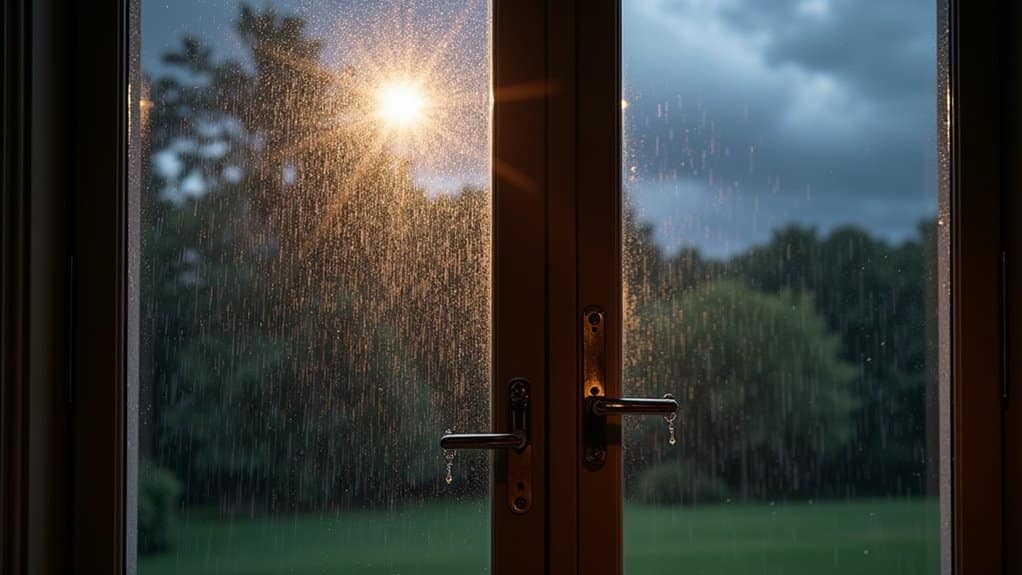
Because severe weather and emergency situations demand reliable building performance, your door glass replacement plays a critical role in safeguarding occupants and property. Impact-rated, code-compliant glass withstands storm-driven debris and strong winds, preventing external penetration during severe weather events. You’ll benefit from laminated or tempered glass options that resist shattering while minimizing injury risk from flying debris.
Your replacement doors support egress safety protocols by operating reliably during emergencies, facilitating rapid evacuation when fire codes demand swift exit. Security improvements, including reinforced frames, advanced locking systems, and security films, slow forced entry attempts and integrate with access control systems. Multi-point locking systems make doors significantly more resistant to break-ins compared to standard hardware. Certified product manufacturers and installers ensure that your door systems meet international building code standards and provide defensible solutions against identified security vulnerabilities.
Disaster-proof installation using advanced weatherstripping and sealing systems prevents water infiltration and maintains structural integrity during hurricanes or extreme conditions. Modern replacement doors with durable materials like vinyl and fiberglass resist warping and deterioration from environmental exposure. These upgrades sustain long-term resistance against UV damage, precipitation, and climate-driven deterioration, ensuring consistent performance when emergencies arise.
Indoor Air Quality and Allergen Reduction
You’ll find that upgraded door glass replacements create airtight seals preventing allergen infiltration while maintaining the pollutant control your home needs for healthier indoor air. The augmented sealing quality directly reduces dust, pollen, and smog entry points, and moisture-resistant materials around your door frames actively prevent mold growth, a significant indoor air contaminant. By controlling these three factors together, you establish a cleaner breathing environment that measurably decreases allergen concentrations and respiratory irritants.
Allergen Infiltration Prevention
When your home’s doors and windows deteriorate, they become conduits for outdoor allergens, pollen, dust, spores, and airborne particles that trigger respiratory issues for millions of households. Modern replacement doors with advanced glass and tight framing cut indoor pollen levels by 40, 60% through superior seals and weatherstripping that block allergen-laden air during high pollen seasons.
You’ll experience improved symptom management and reduced medication usage as outdoor allergen entry diminishes. For the 25% of households with respiratory allergies, these upgraded barriers greatly lower indoor pollutant loads, supporting better asthma management and fewer allergen-induced respiratory events.
Moisture-resistant materials like vinyl and fiberglass prevent allergen harboring while enabling easier cleaning. Double- or triple-pane glass strengthens insulation against airborne particles. Professional installation guarantees proper alignment and seal integrity, maximizing long-term allergen-blocking performance.
Seal Quality and Pollutants
The integrity of your door’s weatherstripping and frame seals directly determines how effectively it blocks outdoor pollutants from entering your home. Modern door glass replacement featuring multi-layer weatherstripping and fusion-welded corners creates superior particle barrier effectiveness, preventing pollen, dust, and vehicle emissions from infiltrating your living spaces.
Older doors with deteriorated seals allow contaminants to enter freely, compromising indoor air quality. The EPA confirms indoor air can be 2-5 times more polluted than outdoors, largely due to leaking entry points. By upgrading to sealed door glass systems, you substantially reduce airborne particulate infiltration and reliance on air purifiers.
This improvement directly supports occupant respiratory health. The American Lung Association confirms that enhanced sealing measurably decreases outdoor contaminant entry, reducing respiratory complaints among household members and creating a healthier indoor environment.
Moisture Control for Mold
While sealed door frames effectively block outdoor pollutants, they also create a critical secondary benefit: controlling the moisture conditions that foster mold growth indoors. Modern replacement doors with uPVC frames utilize superior water resistance properties that prevent moisture absorption, unlike traditional wood frames prone to fungal colonization. Double-paned glass with Low-E coatings minimizes condensation formation by reducing temperature differentials between interior and exterior surfaces. You’ll find that properly installed door assemblies maintain consistent humidity levels throughout your home, directly addressing mold prevention strategies. Well-sealed doors prevent water infiltration during heavy rainfall, eliminating moisture accumulation on frames and sills. By combining non-porous materials with advanced insulation technology, replacement doors create inhospitable environments for mold proliferation while greatly improving your indoor air quality.
Comfort Improvements and Noise Reduction
Because your door’s glass is one of the primary pathways for thermal transfer and external noise, upgrading to modern replacement glass can dramatically bolster both your home’s comfort and acoustic environment.
Modern glass durability depends on material composition, double or triple-pane configurations with Low-E coatings reduce heat loss while laminated acoustic glass cuts noise transmission by 25, 35 dB. Varying pane thickness addresses diverse noise frequencies, from sharp traffic sounds to sustained hum. Tight sealing eliminates drafts that compromise comfort.
| Glass Type | Noise Reduction | Thermal Performance | Durability |
|---|---|---|---|
| Single-pane | Minimal | Poor | Low |
| Double-glazed | 30, 40 dB | Good | Moderate |
| Triple-glazed | 40, 50 dB | Excellent | High |
| Laminated acoustic | 25, 35 dB | Good | Very High |
| Low-E coated | Variable | Superior | High |
You’ll experience stabilized indoor temperatures and markedly quieter living spaces with professionally installed replacement doors.
Long-Term Property Value and Aesthetic Appeal
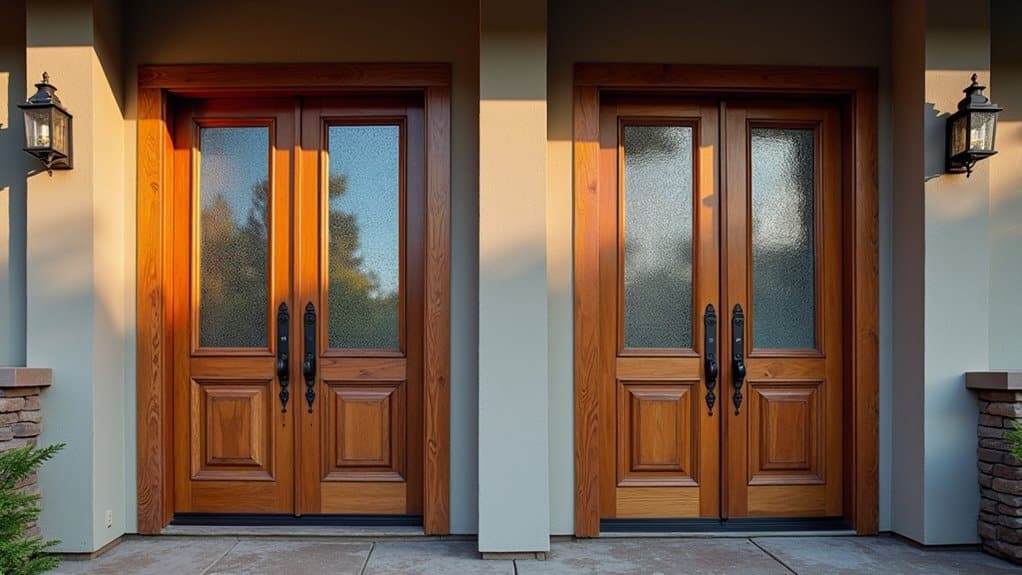
As you consider door glass replacement, you’re investing in upgrades that meaningfully improve both your home’s market position and visual presence. Modern glass and door systems deliver quantifiable returns, with ROI typically reaching 70%-80% depending on materials and market conditions.
Your replacement project boosts curb appeal through:
- Contemporary designs that amplify architectural lines and create visual distinction
- Clean, undamaged glass that strengthens initial impressions and buyer attraction
- Black-framed options and minimalist hardware aligning with current design trends
- Seamless integration with exterior aesthetics while preserving historic architectural appeal
High-quality installations reduce maintenance demands through advanced coatings that resist fading and environmental wear. Energy-efficient glass lowers utility costs, offsetting operational expenses. You’ll notice faster market absorption and premium pricing compared to properties with outdated fixtures, making door glass replacement among the highest-performing home improvements for recouping investment.
Modern Materials and Durability Against Environmental Damage
Modern door glass and frame materials have fundamentally transformed how homes withstand environmental stress. You’ll find that contemporary glass formulations feature UV-resistant coatings that minimize fading and deterioration, protecting your interior spaces from intense sunlight damage.
Modern glass formulations with UV-resistant coatings protect interiors from sunlight damage and deterioration.
Impact-absorbing design is integral to modern replacements. Tempered glass is 4, 5 times stronger than standard glass, while laminated glass maintains structural integrity after impact through polyvinyl butyral layers. These innovations shield your home from severe weather and accidental damage.
Your frame selection matters greatly. Fiberglass frames resist warping and moisture for 30, 50 years, while aluminum naturally resists rust in harsh conditions. Composite materials remain dimensionally stable through temperature swings, preventing costly warping. Steel frames with powder-coat finishes withstand coastal environments effectively.
These durable materials dramatically reduce maintenance cycles and emergency repairs, ensuring long-term protection and reliability.
Frequently Asked Questions
What Is the Typical Cost Range for Professional Door Glass Replacement Services?
You’ll typically invest between $300, $1,200 per panel for professional door glass replacement, including installation. Your final cost depends on comparative costs across glass type options, tempered glass runs $180, $700, while laminated varieties cost $275, $625. Labor charges range from $50, $150 hourly. Single-pane replacements start around $150, $400, but double-pane units climb to $150, $600. Large patio doors and custom configurations push costs higher, potentially exceeding $2,000 for specialty applications.
How Long Does Door Glass Replacement Installation Usually Take to Complete?
You’ll typically complete standard entry door glass replacement within 1, 4 hours, though installation complexity factors like door material and frame condition greatly/substantially/enormously influence timing. Sliding glass doors demand 4, 6 hours due to alignment requirements. Your glass quality considerations, including custom dimensions or triple-pane options, extend the process further. Most professionals deliver same-day completion for routine residential projects, with pre-installation preparation adding 30, 60 minutes beforehand.
Can Existing Door Frames Be Reused With New Replacement Glass Panels?
Yes, you can typically reuse your existing door frames with new replacement glass panels. You’ll need to focus on adjusting frame dimensions to match your chosen panels precisely and selecting appropriate glass thickness for ideal fit and security. Most standard frames accommodate glass removal and reinstallation without significant modifications. However, older frames may require minor updates to glazing channels or reinforcement. Professional assessment guarantees your frame’s condition supports the new installation properly.
What Warranty Coverage Options Are Available for Replacement Door Glass Products?
You’ll find glass supplier warranties typically cover seal failure, hardware defects, and breakage within 10, 20 years. Manufacturer installation guarantees protect workmanship for 1, 10 years, addressing improper installation issues. You can often transfer coverage to new owners and upgrade breakage options for supplementary fees. However, you’ll need to maintain your doors properly and document all purchases, as neglect or non-certified installation voids your coverage.
Are There Specific Building Codes or Permits Required for Door Glass Replacement?
You’ll need to obtain a building permit from your local authority before replacing door glass. Municipal safety regulations mandate tempered or safety glazing for all doors and specific window locations. You’re required to guarantee installation meets current energy codes and impact resiliency standards. Most jurisdictions require licensed installers. Skipping permits risks fines and complicates future property sales. Contact your local building department initially, code requirements vary greatly by location.