
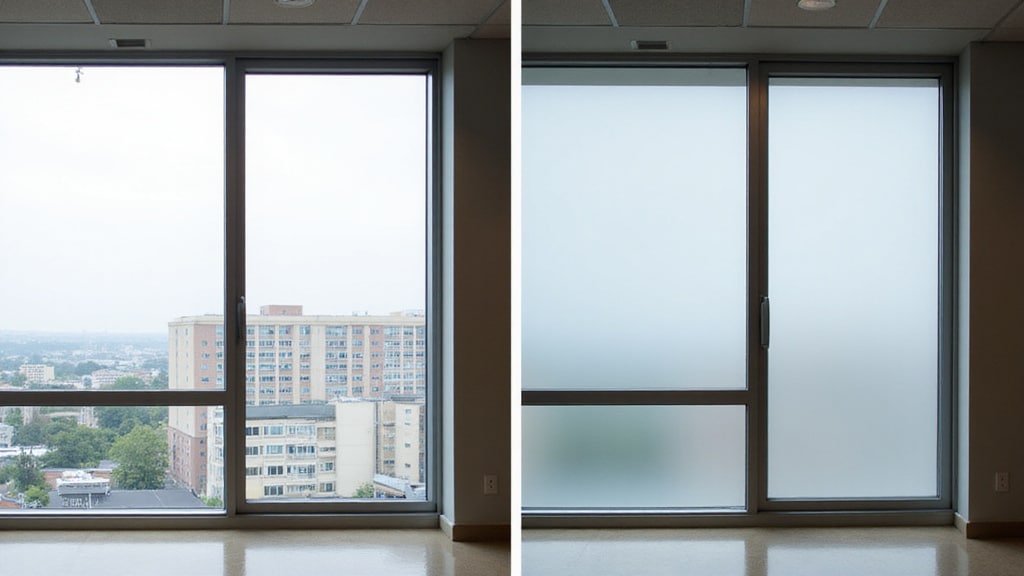
For long-term strength and safeguard, your three best exterior door hardware options are Schlage, Yale, and Emtek. Schlage and Yale both meet Grade 1 ANSI/BHMA standards, the highest residential and commercial benchmark, while Emtek delivers solid brass construction with design flexibility. You’ll want to match the correct protection grade to each entrance point and verify corrosion resistance for your environment. The details behind each brand’s performance ratings reveal exactly which fits your specific situation.
What Security Grades and Materials Actually Mean for Your Front Door?
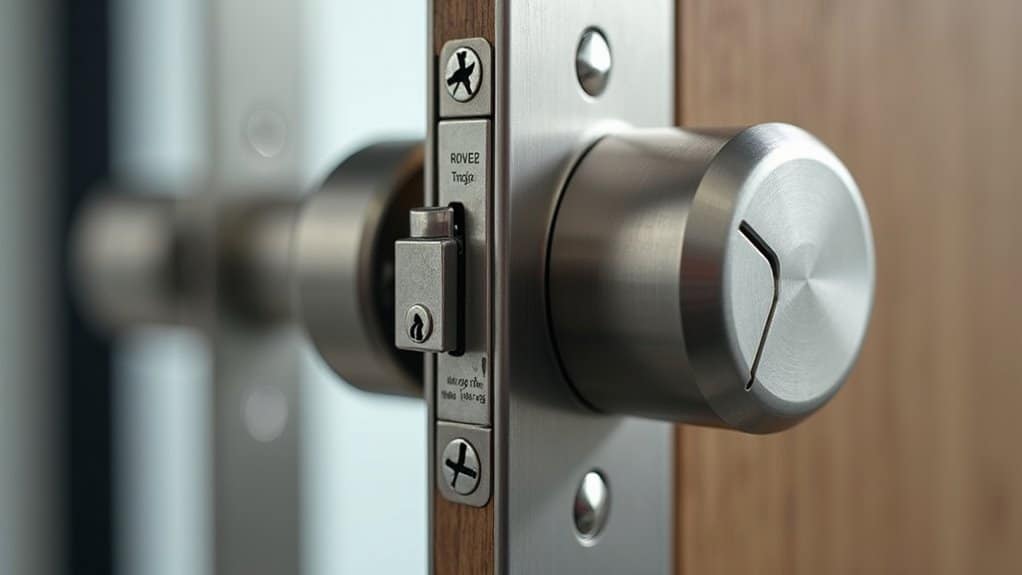
When shopping for exterior door hardware, understanding protection grades isn’t optional, it’s the foundation of every smart purchasing decision you’ll make. Residential security standards vary drastically across systems, ANSI, European RC ratings, and LPS1175 each measure resistance differently. For U.S. applications, ANSI Grade 1 suits commercial environments, while Grade 2 covers front and back residential entry doors. Installing mismatched grades risks premature failure, diminished protection, and potential insurance violations.
Certified security ratings like RC2 offer homeowners the best balance of cost and break-in resistance, withstanding simple hand tools for at least three minutes. British certifications such as PAS24 go further, requiring compliance with Secure by Design standards, mandatory for new builds. Matching the correct grade to your specific environment isn’t a preference; it’s a security necessity.
RC ratings follow the EN 1627 European standard, classifying door designs into protection levels that range from basic RC1, suited for low-threat structures like garden sheds, all the way up to RC6, which is engineered to resist professional-grade forced entry attempts.
The 3 Best Exterior Door Hardware Brands for Security and Durability
Choosing the right brand locks in your first and most consequential safeguard decision. Three brands consistently deliver on brand reliability, customer satisfaction, and measurable protective performance.
Schlage earns top professional ratings by meeting Grade 1 ANSI/BHMA standards across levers, knobs, and electronic deadbolts. Its Snap & Stay installation and SecureKey rekeying technology add functional precision, while a lifetime warranty covers mechanical and finish components.
Yale matches Grade 1 performance with standout models like the Assure YRD256-CBA-619, which scores highest for kick-ins, drilling, and remote operation. Its Wi-Fi-enabled Approach Lock extends convenience without compromising strength.
Emtek targets high-end applications with solid brass construction and Grade 1 and 2 ratings. Architects favor it for its custom finishes and mix-and-match configurations that don’t sacrifice structural integrity. Its hardware is particularly popular among interior designers for projects requiring custom design flexibility across levers, rosettes, and finishes.
How to Choose the Right Exterior Door Hardware Brand for Your Home?
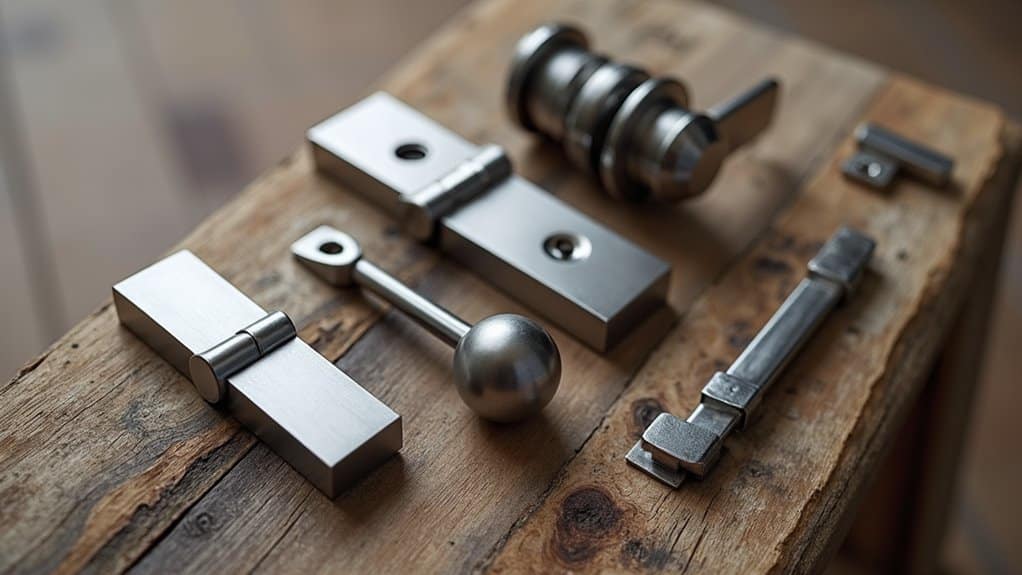
Your home’s protection needs, climate conditions, and architectural style all determine which exterior door hardware brand delivers the best long-term value. Start by matching safety grade requirements to each entrance, Grade 1 deadbolts for front doors, Grade 2 for secondary entrances. If you’re in a coastal or high-moisture environment, prioritize solid brass or stainless steel construction from Baldwin or Emtek for proven corrosion resistance. Evaluating windows in exterior doors is equally important as selecting the right hardware. The choice of windows can enhance both security and energy efficiency, making the entrance more inviting. Installing a durable door is crucial for maintaining your home’s security and energy efficiency.
Consider installation complexity before committing to a brand. Schlage’s Snap & Stay technology and Kwikset’s SmartKey systems reduce labor demands extensively. For energy efficiency considerations, confirm hardware seals integrate properly with your door system to prevent thermal transfer. Finally, verify lifetime mechanical and finish warranties, and confirm the manufacturer maintains accessible service networks for replacement parts and long-term technical support. BHMA certification tests hardware for security, durability, and finish to ensure it meets established safety and performance standards.
Frequently Asked Questions
Can Exterior Door Hardware Be Rekeyed Without Replacing the Entire Lock?
Yes, you can rekey exterior door hardware without incurring full lock replacement costs. By using brand-specific rekeying kits, you’ll swap internal pins and springs to match a new key while keeping your existing hardware intact. Your rekeying options include standard pin-tumbler disassembly for brands like Schlage and Kwikset, or instant rekeying via Kwikset’s SmartKey technology. Guarantee you’re using compatible kits, as mismatched components cause failure and compromise protective performance.
How Do Smart Locks Compare to Traditional Locks in Long-Term Durability?
Both lock types offer comparable physical strength, but they diverge in long-term durability. Traditional locks last decades with minimal maintenance, just occasional lubrication, while smart locks introduce battery replacements every 6, 12 months, firmware updates, and component wear tied to electronic accessibility features. Technological advancements have improved smart lock reliability, especially with keyed backup cylinders, but you’ll face greater maintenance overhead. If you prioritize low-effort longevity, traditional deadbolts remain the more durable long-term investment.
What Finishes Best Resist Corrosion in Coastal or High-Humidity Climates?
For coastal and high-humidity climates, you’ll want marine-grade 316 stainless steel finishes or solid brass finishes as your top choices. Stainless steel finishes resist salt spray without pitting, while brass finishes develop a protective patina that strengthens over time. You should also consider W-Finish weatherized coatings, which double durability in salt spray tests. Avoid untreated aluminum in extreme seaside conditions, as it’ll eventually succumb to accelerated corrosion.
How Often Should Exterior Door Hardware Be Inspected or Maintained?
You should conduct regular visual inspections every few months to catch corrosion, wear, or misalignment early. Perform full hardware inspections every six months, and schedule periodic lubrication and adjustment of hinges, locks, and latches annually, or more frequently in high-moisture or high-traffic conditions. Tighten mounting screws every 12 months, and apply rust-resistant coatings to outdoor hardware consistently. Don’t skip yearly professional inspections; they’ll proactively address issues before they compromise protection or performance.
Are High-Security Door Locks Compatible With Standard Door Prep Sizes?
High-security locks often fit standard door prep sizes, but you’ll need to verify compatibility before purchasing. Confirm your door has a 2-1/8″ crossbore and 2-3/8″ backset. You’ll also need heavy duty strike plate installation to handle the enhanced bolt throw. If your frame shows wear or misalignment, custom door jamb reinforcement becomes essential. Professional evaluation guarantees your existing cutouts accommodate the lock’s specifications without costly modifications.