
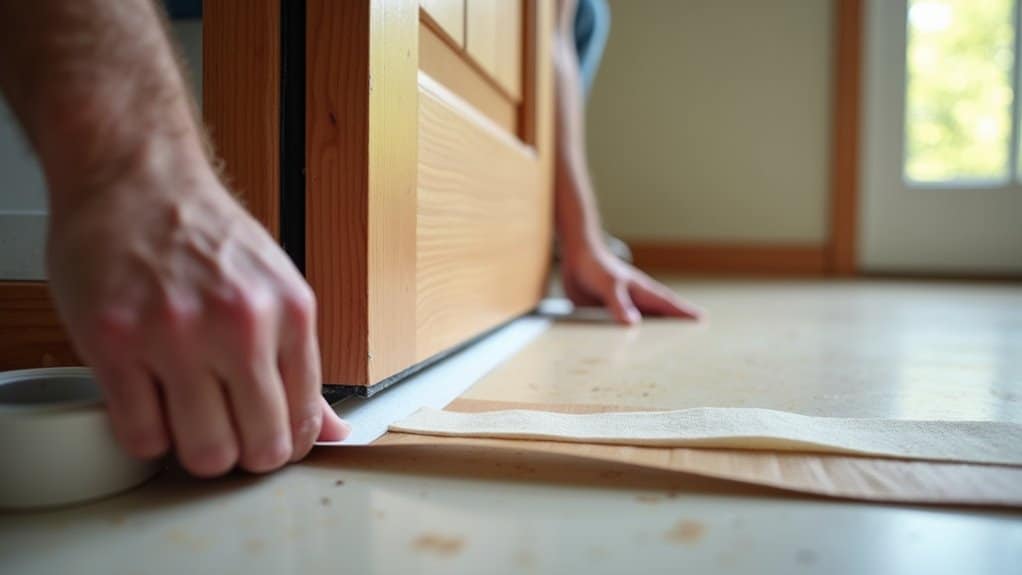
When selecting a window installation service, you’ll need to prioritize measurement precision, professional certifications, and energy efficiency ratings. Look for contractors with AWDI and NFRC certifications who guarantee accuracy to 1/8th inch. Consider U-factor, SHGC, and VLT metrics while ensuring compliance with local building codes. Choose frame materials based on your climate and maintenance preferences. These foundational elements form just the beginning of making an informed window installation decision that’ll protect your investment.
Understanding Window Measurement Precision and Accuracy

Every successful window installation begins with precise measurements, where accuracy down to 1/8th of an inch can make the difference between a perfect fit and a costly mistake. When you’re investing in new windows, professional installers guarantee this level of precision, eliminating the risks associated with DIY measurement errors.
You’ll want to avoid “close fit” premade windows, as they can lead to energy inefficiency and water infiltration. That’s why companies like NEXT Door & Window conduct thorough specification reviews before installation. Their meticulous approach ensures windows that fit perfectly in your home’s openings.
Professional measurement precision isn’t just about getting the size right it’s about verifying your windows’ long-term performance. By trusting experts with these critical measurements, you’re protecting your investment and preventing future complications that could arise from improperly sized windows.
Professional Certification and Industry Standards
Leading window installation companies maintain multiple industry certifications that verify their expertise and commitment to quality standards. When you’re seeking professional window installation services for new or replacement windows, you’ll want to verify these essential credentials.
- Look for AWDI and NFRC certifications, which validate your installer is qualified to evaluate Energy Star requirements and implement proper installation techniques
- Confirm the company employs FENSA-approved technicians who understand local building codes and can professionally install windows according to regional specifications
- Verify AAMA and WDMA certifications, as these credentials demonstrate the installer’s commitment to using high-performance products and industry-leading installation methods
These certifications aren’t just paperwork they’re your guarantee that you’re working with qualified professionals who’ll deliver lasting results for your window installation project.
Energy Efficiency Ratings and Performance Metrics
When selecting windows for your home, understanding energy efficiency ratings and performance metrics is pivotal for making an informed decision that maximizes cost savings and comfort. You’ll want to focus on three key measurements standardized by the NFRC: the U-factor, Solar Heat Gain Coefficient (SHGC), and Visible Light Transmittance (VLT).
Look for energy-efficient windows with ENERGY STAR certification, which can reduce your energy bills by approximately 12%. The U-factor indicates insulation quality choose lower values to prevent heat loss. Similarly, a lower SHGC means less solar heat enters your home, helping maintain consistent indoor temperatures. Consider your climate when balancing these metrics with VLT ratings, which affect natural light levels. These standardized measurements guarantee you’re comparing windows objectively and selecting the most efficient options for your specific needs.
Material Selection and Frame Construction Options
The right frame material forms the foundation of your window’s performance, durability, and maintenance requirements. When selecting new replacement windows and doors, you’ll need to evaluate your specific needs against the characteristics of different frame materials.
Choosing the ideal frame material is crucial, as it directly impacts your windows’ long-term performance, strength, and care needs.
- Wood frames deliver superior energy efficient properties but demand regular upkeep to maintain their integrity once installation is complete. Consider these if you’re willing to invest time in maintenance.
- Vinyl frames offer a practical solution with minimal maintenance needs. They’re customizable with various color options and provide reliable performance in most climates.
- Combination wood-vinyl frames represent the latest innovation in frame materials, merging wood’s insulation properties with vinyl’s durability. These hybrid options deliver ideal performance while reducing maintenance requirements.
Consider your local climate conditions and long-term performance expectations when making your final selection.
Safety Features and Building Code Compliance
Since safety regulations directly impact both residential and commercial window installations, understanding building code compliance remains critical for a successful project. You’ll need to verify your windows meet current building codes, particularly in high-risk areas where tempered glass is mandatory for enhanced protection.
Your bedrooms and basement spaces must comply with egress requirements, providing adequate emergency exit points through properly sized windows or doors. Don’t overlook the importance of hiring certified professionals who’ll handle all compliance documentation and safety code verification. A licensed technician will guarantee your installation adheres to applicable regulations while managing the technical aspects of the project.
When replacing windows, you’re legally required to meet strict safety codes. Working with qualified installers guarantees your project aligns with all necessary building standards and safety protocols.
Glass Types and Multi-Pane Technologies
When selecting windows for your home, you’ll need to evaluate whether double-pane units with argon gas fills or triple-pane systems with advanced low-E coatings better suit your climate and budget requirements. Your decision should factor in both the enhanced R-values of up to 8 that triple-pane windows offer and the substantial insulation benefits of gas-filled double-pane units. For maximum safety and thermal performance, consider combining multi-pane technology with laminated or tempered glass options, which provide superior impact resistance while maintaining ideal energy efficiency.
Double Vs Triple Panes
Making sense of multi-pane window options can profoundly influence your home’s energy efficiency and comfort levels. When comparing double-pane and triple-pane windows, you’ll need to weigh several critical factors that affect thermal performance and long-term value.
- Double-pane windows feature two glass layers with a sealed air space, offering significant energy efficiency improvements over single-pane options and serving as a cost-effective solution for most climates
- Triple-pane windows deliver superior insulation with an additional glass layer, though they’re heavier and more expensive upfront
- Both options can incorporate low-E coatings and gas fills (argon or krypton) between panes to enhance thermal performance, but you’ll achieve maximum energy savings with triple-pane technology
Consider your climate, budget, and long-term energy goals when selecting between these multi-pane options.
Laminated Glass Benefits
Beyond multi-pane configurations, laminated glass technology represents a significant advancement in window safety and performance. When you’re selecting windows for your home, you’ll find that laminated glass panes offer superior protection by bonding multiple layers with a specialized plastic interlayer that prevents shattering upon impact.
You’ll benefit from enhanced sound reduction capabilities, as laminated windows can decrease noise transmission by up to 30% compared to standard double-glazed options. The technology’s energy-efficient properties will help reduce your heating and cooling costs through improved thermal performance. For specific areas like bathrooms, bedrooms, and skylights, you’ll need to contemplate laminated glass to meet safety codes. The interlayer’s ability to hold glass fragments together during breakage provides vital protection, making it an essential choice for areas requiring heightened security.
Gas-Fill Insulation Options
Modern window insulation technologies utilize specialized gas-fill options between multiple panes to maximize thermal efficiency. When selecting your window installation service, understanding these gas-fill options will help you make an informed decision about the best insulation technology for your needs.
- Double-pane windows with argon or krypton gas offer significant thermal efficiency improvements, especially when combined with low-E coatings that reflect heat and reduce energy transfer
- Triple-pane windows provide superior insulation by incorporating two gas-filled spaces between three glass panes, delivering enhanced temperature control and noise reduction
- Vacuum-insulated glass represents the cutting edge of window technology, using a vacuum seal between panes to achieve exceptional thermal performance
For maximum benefit, consider combining these technologies with specialty glass options like laminated or tempered glass to enhance security and durability.
Installation Methods and Insulation Techniques
While selecting high-quality windows is essential, the installation methods and insulation techniques ultimately determine their performance in your home. When you’re looking for window replacement services, make sure to confirm that installers use either pocket or full-frame installation methods based on your home’s needs.
| Method | Benefit | Application | Result |
|---|---|---|---|
| Pocket Install | Less invasive | Existing frame intact | Quick installation |
| Full-Frame | Complete replacement | New construction | Maximum efficacy |
| Spray Foam | Air leak prevention | Frame perimeter | Superior insulation |
| Ice/Water Shield | Moisture barrier | Frame exterior | Weather protection |
The right windows need proper installation to deliver ideal performance. You’ll want certified professionals who use closed-cell spray foam insulation and apply ice and water shield correctly. These home improvement techniques guarantee your windows meet building codes while maximizing energy efficiency and comfort.
Warranty Coverage and Service Guarantees
To safeguard your window investment, understanding warranty coverage and service guarantees should be a top priority when selecting an installation provider. You’ll want broad protection that covers both materials and workmanship for maximum peace of mind.
Selecting the right warranty coverage and service guarantees safeguards your window investment and ensures long-term protection for both materials and installation.
When evaluating warranty and service packages, focus on these critical components:
- Manufacturer warranties that protect your window materials for 10-20 years, ensuring long-term coverage against defects and performance issues
- Installation service guarantees spanning 1-5 years, which address any workmanship-related concerns that might arise post-installation
- Insurance-backed guarantees (IBGs) that maintain your protection even if your installer ceases operations
Review all warranty documentation thoroughly, paying attention to coverage limitations and claim procedures. Choose installers who demonstrate commitment to customer service through robust warranty offerings and clear support protocols.
Cost Analysis and Long-Term Value Assessment
When evaluating window installation services, you’ll need to carefully examine the initial investment breakdown, including material costs, labor rates, and potential supplementary expenses for specialty features or structural modifications. You can maximize your return on window upgrades by comparing energy-efficiency ratings, projected utility savings, and the impact on your home’s market value across different window options. To make an informed decision, you should obtain detailed installation price quotes from multiple certified contractors, ensuring each estimate includes comparable specifications and warranty coverage.
Initial Investment Breakdown
Understanding the initial investment for window installation requires a thorough analysis of both immediate costs and long-term value projections. When you make this significant home improvement decision, you’ll need to ponder several key components that influence the total cost and return on investment.
- Material Selection: High-quality windows with superior energy efficiency features may cost 30-50% more upfront but can reduce your energy bills by up to 25% annually.
- Professional Installation: Expert installation typically represents 20-35% of your total investment but guarantees optimal performance and preserves manufacturer warranties.
- Structural Considerations: You’ll need to account for potential modifications to your home’s frame, weatherproofing requirements, and any necessary permits, which can add 10-15% to your overall costs.
These factors directly impact both your initial investment and long-term home value appreciation.
Return On Window Upgrades
Building upon the initial cost considerations, a detailed analysis of window upgrade returns reveals compelling financial benefits for homeowners. When you choose the best ENERGY STAR-certified double-pane windows, you’ll see an immediate 12% reduction in your annual energy costs. Home Window upgrades deliver a substantial return on investment, increasing your property’s value by up to $15,000.
The Home Services industry data confirms that window replacements help you recoup 70-80% of costs during resale. Your investment continues paying dividends through significant energy savings over a 10-year span. With a lifespan of 20-30 years, quality window installations provide lasting value that extends beyond immediate returns. These statistics demonstrate why window upgrades consistently rank among the most financially sound home improvements, offering both immediate energy savings and long-term property value enhancement.
Compare Installation Price Options
To effectively evaluate window installation services, you’ll need to conduct an extensive price comparison that extends beyond the initial quotes. When Buying New replacement windows, carefully assess each company’s full offering to determine the best window value for your investment.
- Request detailed breakdowns from multiple installers, including material costs, labor rates, and any additional fees for specialized installation requirements
- Analyze long-term value by calculating projected energy savings, maintenance costs, and potential increase in property value when you take care to choose quality windows
- Review warranty coverage thoroughly, comparing manufacturer guarantees and installer workmanship warranties to protect your investment
Remember that the lowest install quote isn’t always the most cost-effective choice. Premium installation services often deliver superior results and better long-term returns through proper fitting and expert craftsmanship.
Local Climate Considerations and Window Specifications
When selecting windows for your home, the local climate plays a decisive role in determining the most effective specifications and materials. You’ll need to examine double-pane or triple-pane glass with low-E coatings if you’re in a colder region, as these energy-efficient features drastically reduce heating costs.
Your window frame materials should match your climate conditions. Choose vinyl, fiberglass, or wood-vinyl combinations for ideal insulation and weatherproofing. Don’t overlook precise window measurements professional installers can measure to 1/8th inch precision, ensuring a perfect fit and preventing costly errors.
Remember to verify safety features that comply with local building codes. You’ll need tempered glass in specific locations and proper egress requirements for bedrooms. These specifications, combined with secure locking mechanisms, create a window system that’s both energy-efficient and safe.
Frequently Asked Questions
How Do I Choose a Window Installer?
You’ll need to evaluate potential installers based on several key factors. Start by checking their expertise in window material selection and energy efficiency ratings. Request detailed information about their window customization options and warranty considerations. Verify their licensing, insurance, and certifications from recognized organizations. Compare multiple quotes and installation timeline proposals. Don’t forget to review their past work and customer testimonials before making your final decision.
Who Is the Best Company to Buy Windows From?
You’ll find NEXT Door & Window stands out as a premier window provider due to their exhaustive approach. They offer superior window quality through top brands like Infinity Windows, diverse window material options, and custom window designs measured to 1/8th inch precision. You’re getting energy efficient windows installed by certified professionals, plus best-in-class window warranty coverage. Their licensed technicians guarantee proper installation while maintaining compliance with safety codes throughout Illinois service areas.
How Do I Choose the Right Window Company?
When selecting a window company, you’ll need to evaluate several key factors. Start by checking their window selection criteria and expertise in window measurement techniques. Ask about their window installation timeline and review their warranty considerations thoroughly. Don’t forget to assess their energy efficiency factors and certifications. You should also verify their licenses, insurance, and professional credentials. Request multiple quotes and examine their past projects and customer reviews.
How Much Should I Pay to Install a Window?
You’ll typically pay between $300-$700 per window for standard installation, with the average window installation cost varying based on several factors. Size, material, and complexity affect pricing considerably. While DIY installation might save money, you’ll need proper tools and expertise. Professional installers must have proper licensing and insurance, which protects you but adds to the cost. When getting quotes, you should compare at least three contractors and negotiate based on volume if you’re replacing multiple windows.