
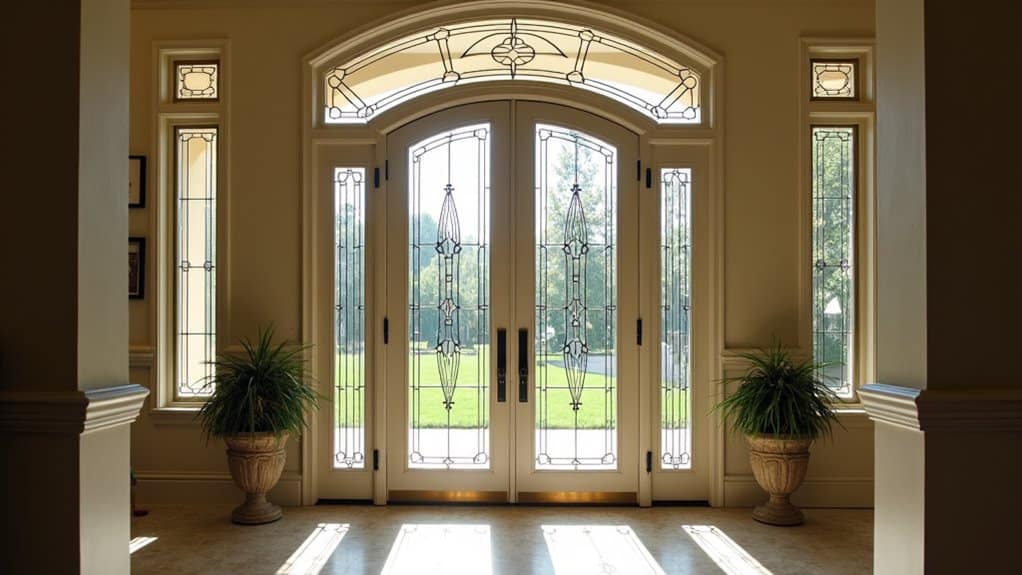
Your exterior door needs replacing when you notice visible cracks near joints, warping that breaks the thermal seal, or soft spongy wood indicating rot. Watch for persistent jamming, light gaps under the door, peeling paint, rust, and locks that won’t engage properly. A single 1/8-inch gap can waste as much heat as a 3-inch hole in your wall. The signs below will help you make the right call.
How to Know When Your Exterior Door Needs Replacing
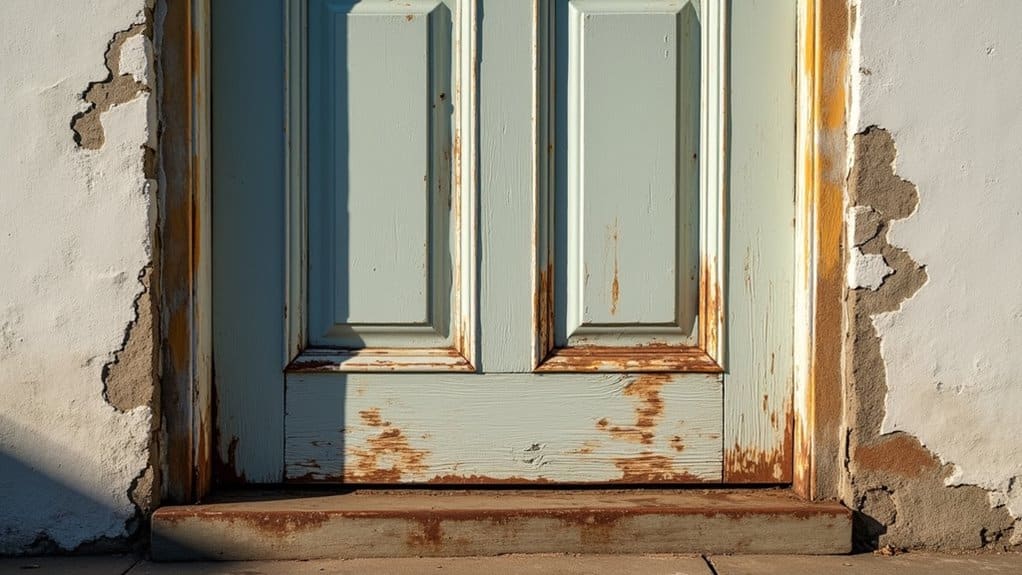
Exterior doors take a beating from daily use, weather extremes, and the natural aging of materials, and knowing when to replace rather than repair one can save you significant time, money, and frustration. Watch for doors that stick, scrape, or warp seasonally, as these signal structural misalignment or moisture damage. Deteriorating weather seals allow drafts, visible light gaps, and air infiltration that drive up heating and cooling costs. Foggy sidelights confirm failed insulation seals. Loose hinges requiring repeated lubrication and tightening compromise both protection and usability. If break-in vulnerability concerns you, deteriorated materials offer little resistance. When repairs become frequent and ineffective, cost effective replacement options, including steel doors with advanced weather-stripping and locking systems, deliver superior insulation, safeguarding, and long-term reliability. For significant frame damage or a desire for seamless design and improved energy efficiency, replacing the entire pre-hung unit is often the best long-term solution.
Visible Cracks, Dents, or Warping You Can’t Ignore
Many exterior doors reveal their failure through unmistakable physical signs, cracks, dents, and warping that compromise both structural integrity and insulation performance. Surface cracks near joints, physical damage from impacts, and moisture-driven warping aren’t cosmetic issues, they’re structural failures demanding replacement.
Watch for these critical warning signs:
- Safeguards near joints or edges signal structural weakening and moisture infiltration
- Dents and physical damage expose underlying materials directly to outdoor elements
- Warping or bowing prevents proper frame sealing, eliminating your door’s thermal barrier
- Cracks from seasonal fluctuations accelerate deterioration through repeated moisture cycling
- Impact damage on front doors compromises both protection and weatherproofing integrity
Once you’ve identified these warning signs, don’t delay replacement, each issue compounds the next, accelerating your door’s overall structural decline. Rot and rust are equally serious concerns, as rotting wood invites pest entry while rust on metal doors and locking mechanisms weakens your home’s first line of defense.
Soft Spots and Rot Mean Your Exterior Door’s Structure Is Failing
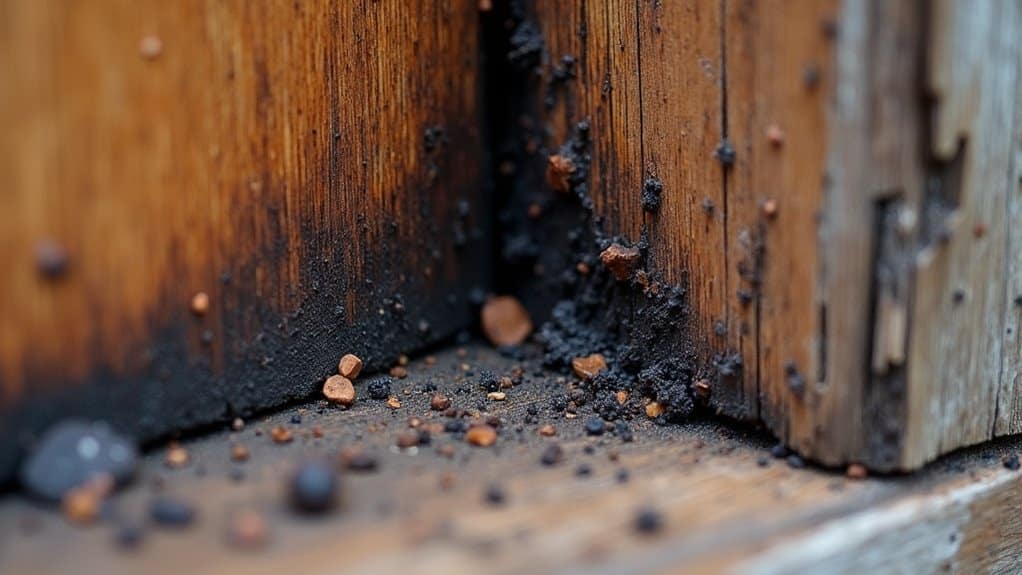
When you press against your door frame and feel softness or sponginess, you’ve found active rot already compromising the wood’s structural integrity. Rot weakens your door’s resistance to forced entry, creating structural weak points that reduce your entryway’s protection. If you’re finding soft spots, discoloration, or mold growth, replace the door immediately, waiting only extends the damage and voids potential insurance claims. Mold growth along the frame signals ongoing moisture issues that will continue spreading to surrounding structural components if left unaddressed.
Identifying Soft Spots Early
Soft spots and rot are your exterior door’s way of telling you it’s structurally failing, and catching these signs early can mean the difference between a simple repair and a full replacement. Press firmly along the door frame and wooden surfaces to detect compromised integrity before it escalates into structural weakness requiring complete replacement.
Watch for these early indicators:
- Sponginess or give when pressing the frame
- Soft spots in the door panel from water or insect damage
- Dark discoloration signaling moisture-driven rot
- Peeling paint exposing bare wood to infiltration
- Jamming or scraping when opening or closing
Each symptom points to active deterioration. Addressing soft spots immediately prevents rot from spreading into surrounding structural components, saving you significant time and replacement costs.
Rot’s Impact on Security
Rot doesn’t just degrade your door’s appearance, it systematically dismantles the structural foundation that every protective component depends on. Once frame structure deteriorates, strike plates lose their anchor points, multipoint locks fall out of alignment, and hinge bolts become ineffective. Your structural integrity determines whether hardware performs or fails entirely.
| Protective Component | Function | Rot’s Impact |
|---|---|---|
| Strike Plate | Anchors locking bolt | Cannot grip rotted wood |
| Multipoint Lock | Distributes locking points | Misaligns in warped frames |
| Hinge Bolts | Resists forced entry | Loses anchor support |
| Cylinder Hardware | Controls access | Frame shift breaks alignment |
| Door Seal | Blocks infiltration | Gaps accelerate moisture decay |
Rotted assemblies reduce your door’s controlled delay mechanism, giving intruders predictable, exploitable weak points that compromise your property’s defense.
When to Replace Immediately
How do you know when structural rot has progressed beyond repair to full replacement? Severe structural deficiencies demand immediate replacement considerations before further deterioration compromises your home’s protection. When you identify multiple failure points simultaneously, replacement isn’t optional, it’s urgent.
Prioritize immediate door replacement when you detect:
- Soft, spongy wood when pressing the frame or door surface
- Black or greenish discoloration indicating active mold colonies consuming structural fibers
- Threshold splitting or cupping allowing water infiltration into subfloor systems
- Persistent jamming or misalignment signaling frame racking from advanced rot
- Visible light gaps under closed doors confirming complete seal failure
Each indicator alone warrants concern. Multiple simultaneous signs confirm that rot has structurally compromised your door system beyond remediation.
Your Exterior Door Sticks, Jams, or Won’t Close Right
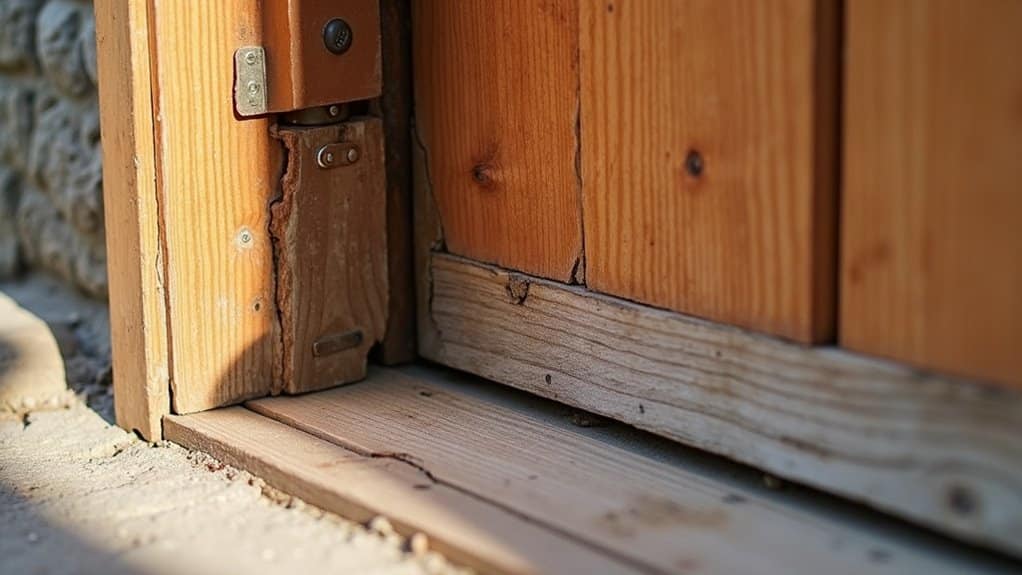
When your exterior door sticks, jams, or refuses to close properly, the cause typically falls into one of five categories: a misaligned strike plate, loose or faulty hinges, dirt and debris buildup, humidity-induced swelling, or general wear and foundation issues.
A misaligned strike plate creates insufficient clearance issues, preventing the latch from engaging correctly. Tighten or reposition it using a handheld screwdriver. Loose hinges cause sagging and jamb distortion problems; tighten them with a Phillips screwdriver or replace stripped screws with longer ones. Clean debris from the frame, jamb, and door edge with warm soapy water. Sand or plane a swollen door’s latch edge, then seal it. For foundation-related shifting, drive 3-inch screws into the latch-side jamb or consult a professional.
Drafts and High Energy Bills Mean Your Door’s Seal Is Failing
A failing door seal announces itself through two unmistakable symptoms: drafts you can feel and energy bills you can’t ignore. Both signal declining insulation levels and confirmed evidence of air leaks compromising your home’s thermal envelope.
Watch for these warning signs:
- A 1/8-inch gap under your door equals heat loss from a 3-inch hole in your wall
- Your heating and cooling systems work harder, directly raising utility costs
- Up to 30% of your home’s heat escapes through inefficient doors
- Door surfaces feel closer to outdoor temperatures, confirming insulation failure
- Dust, allergens, and pests infiltrate through deteriorated weatherstripping and caulking
The EPA estimates proper air sealing saves homeowners 15% on energy costs annually. If you’re experiencing these symptoms, your door’s seal has structurally failed.
A Rotting or Crumbling Door Frame Is a Bigger Problem Than It Looks
Rotting or crumbling door frames signal structural failure that extends far beyond cosmetic damage. When you press along your frame and find soft, spongy spots or crumbling edges, the degree of rot has likely compromised the jamb’s load-bearing integrity. Fungal decay spreads aggressively, dry rot leaves wood brittle and cracked within months, while wet rot silently saturates surrounding structures.
Structural stability concerns escalate quickly once rot penetrates beyond surface level. A weakened frame compromises your home’s safety, making forced entry much easier. Unchecked decay can migrate into your home’s structural framing, creating costly, large-scale damage. You’ll also notice doors jamming, drifting, or failing to seal properly, all signs that the frame has lost dimensional integrity. Early replacement costs far less than full structural remediation.
Rust on Your Exterior Door or Hardware Is a Warning Sign
Rust on your exterior door or hardware carries the same urgency as a rotting frame, what’s visible on the surface rarely tells the full story. Orange-red stains, pitting, and flaking signal hardware deterioration and internal core compromise. Ongoing rust progression spreads silently, weakening structural integrity before exterior damage becomes obvious.
Watch for these critical warning signs:
- Reddish-brown corrosion or orange stains on door panels or hardware
- Crusty, flaking metal near hinges, locks, or knobs
- Streaking around hardware during wet conditions
- Locks or hinges that fail to operate smoothly
- Discolored blotches indicating early-stage corrosion
If rust has reached your door’s core or compromised hardware function, replacement isn’t optional, it’s a protection necessity. Inspect metal doors every three to six months, more frequently in high-humidity climates.
Peeling Paint and Dents Are Killing Your Exterior Door’s Curb Appeal
When your door’s paint peels, you’re exposing underlying materials to moisture, accelerating structural deterioration and signaling neglect to anyone approaching your home. Dents compound the problem by disrupting surface uniformity, trapping dirt, and preventing proper paint adhesion, creating a patchwork appearance that undermines your entryway’s visual impact. If repairs aren’t holding and peeling recurs in the same areas, you’ll need to evaluate whether restoration remains viable or whether full door replacement is the more cost-effective solution.
Paint Peeling Signals Trouble
Peeling paint on your exterior door is almost always a moisture problem. Water infiltrates cross-grain joints between rails and stiles, breaking the bond between the surface and coating. Ignoring moisture-related problems accelerates wood rot, structural damage, and complete door failure.
Watch for these warning signs:
- Bubbling or blistering paint near door edges or joints
- Peeling concentrated around door frames or jambs
- Visible mildew or dark staining on painted surfaces
- Paint separating down to bare timber
- Gaps in caulking around door perimeter
Following painting best practices won’t save a door with active moisture intrusion. You must address the source first, seal joints, replace failed caulking, and repair damaged wood, before repainting. Persistent peeling despite proper preparation signals the door needs replacement, not another coat of paint.
Dents Diminish Door Appeal
Even a single dent on your exterior door does more damage than it appears. Dents compromise structural integrity, expose underlying metal to moisture, and accelerate rust formation. Once corrosion begins, repair costs escalate substantially.
| Dent Severity | Repair Cost |
|---|---|
| Minor dings | $75, $225 |
| Standard (1, 2 inches) | $150, $350 |
| Severe/bodywork required | $500, $1,500 |
Multiple dents create visual clutter that signals neglect to potential buyers, directly reducing your property’s market value. Steel doors are particularly vulnerable, dents often require full replacement rather than repair.
Don’t underestimate accumulation. Cumulative repair costs can reach $2,000 over a door’s lifetime, making early replacement the smarter financial decision. Maintaining your door’s appearance isn’t cosmetic, it’s a measurable investment in your property’s resale value.
Restore or Replace Now
Your door’s peeling paint isn’t just an eyesore, it’s a structural warning sign. Moisture damage accelerates wood rot, cutting door lifespan by 50%. When peeling exceeds 20% of the surface, restoration becomes a costly gamble against structural integrity.
Decide using these benchmarks:
- Peeling under 20%: Sand, prime, repaint for $100, $225 professionally
- Peeling with rot present: Replacement outperforms repainting long-term
- South-facing doors: UV breakdown occurs within 2, 5 years, demanding premium UV-resistant paint
- Poor prep history: Expect repainting failure within 1, 2 years without full stripping
- Labor exceeding $1,000: Replacement becomes cost-competitive against restoration
DIY materials run $45, $120, but skipping proper prep guarantees repeated failure. Assess honestly, restoration only wins when structural integrity remains intact.
Your Exterior Door No Longer Locks Securely
When your exterior door no longer locks reliably, you’re dealing with one of the most critical safeguard vulnerabilities a home can have. A mismatched strike plate, wobbly hardware, or a key that turns with excessive resistance signals structural and mechanical failure beyond simple maintenance. Recurring lock issues, sticky operation, misaligned deadbolts, or intermittent latching, indicate deteriorating internal components that no lubricant or tightened screw will permanently resolve. If you’re forcing the key, re-locking multiple times, or noticing the door shifts when engaging the bolt, the mechanism is compromised. Burglars exploit exactly these weaknesses. Extraction of broken keys or repeated adjustments are temporary fixes masking a deeper problem. At this stage, door replacement isn’t optional, it’s a necessary protective investment.
How to Decide Between Repairing or Replacing Your Exterior Door
Deciding whether to repair or replace your exterior door comes down to four core factors: damage extent, energy performance, door age, and long-term cost. Evaluating repair feasibility means assessing structural integrity, part availability, and recurring failure patterns. Prioritizing long-term functionality over short-term savings often determines the smarter investment.
Consider replacement when you encounter:
- Rotted, split, or structurally compromised frames
- Warped doors causing persistent energy loss
- Hollow or previously forced-entry-damaged slabs
- Unavailable replacement parts driving repair costs higher
- Recurring issues signaling end-of-lifespan deterioration
Repairs suit minor damage, hinges, weatherstripping, or isolated cracks, on solid, square frames. When energy bills climb and protective features weaken, replacement delivers better ROI through modern insulation, enhanced protective features, and reduced future maintenance demands.
Frequently Asked Questions
How Much Does It Typically Cost to Replace an Exterior Door?
Replacing an exterior door typically costs you between $500 and $5,000 installed, depending on your door type and materials. Average replacement costs vary considerably based on cost factors affecting door replacement, including material choice, labor complexity, and additional upgrades. Steel doors run $600 to $4,000, while wooden options reach $5,000. You’ll also pay $230 to $1,300 for professional installation, with extras like weatherstripping and new frames adding to your total.
What Materials Are Best for Exterior Doors in Extreme Climates?
For extreme climates, you’ll want fiberglass or composite-engineered wood with fiberglass reinforcement as your top choices. Fiberglass delivers R-values of 5-6, resists warping, and maintains structural integrity against severe temperature swings. Composite options with vinyl construction provide dimensional stability, preventing moisture-driven shrinkage or swelling. Steel performs adequately in cold climates but requires rust maintenance. Aluminum suits moderate coastal environments but needs thermal breaks to maximize energy efficiency in harsh conditions.
How Long Does a Professional Exterior Door Installation Usually Take?
A professional exterior door installation typically takes you 2 to 5 hours, with the average installation time landing around 4 hours for standard setups. You’ll find that factors affecting installation duration include your existing frame’s condition, structural modifications, door size, and material complexity. If rot repair or sidelights are involved, expect additional hours. Professionals complete most installations within a single day, ensuring minimal disruption to your home while maintaining precision throughout the process.
Can I Install a New Exterior Door Myself Without Professional Help?
Yes, you can install a new exterior door yourself if you have the proper tools required, including a screwdriver, measuring tape, level, hammer, and pry bar. However, you’ll face potential DIY challenges like ensuring a perfectly square frame, achieving consistent weatherstrip margins, and properly sealing against moisture infiltration. Follow each installation step precisely, from removing the old door to securing jambs with exterior-grade screws, and test the door’s operation immediately after completion.
How Often Should Exterior Doors Be Inspected for Potential Issues?
You should inspect your exterior door every few months to catch early issues. During each check, look for signs that door frame may be warped, including misalignment or difficulty latching. Watch for indicators of weatherstripping deterioration, such as visible cracks, compression loss, or drafts around the edges. Additionally, you’ll want to schedule a yearly professional inspection to evaluate hinge integrity, lock performance, and any water damage that routine checks might miss.