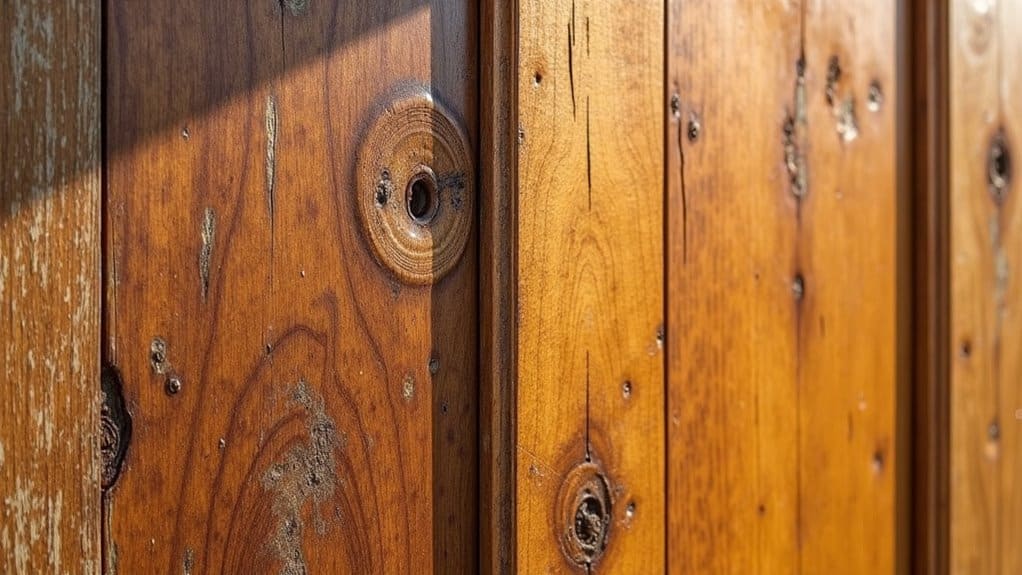
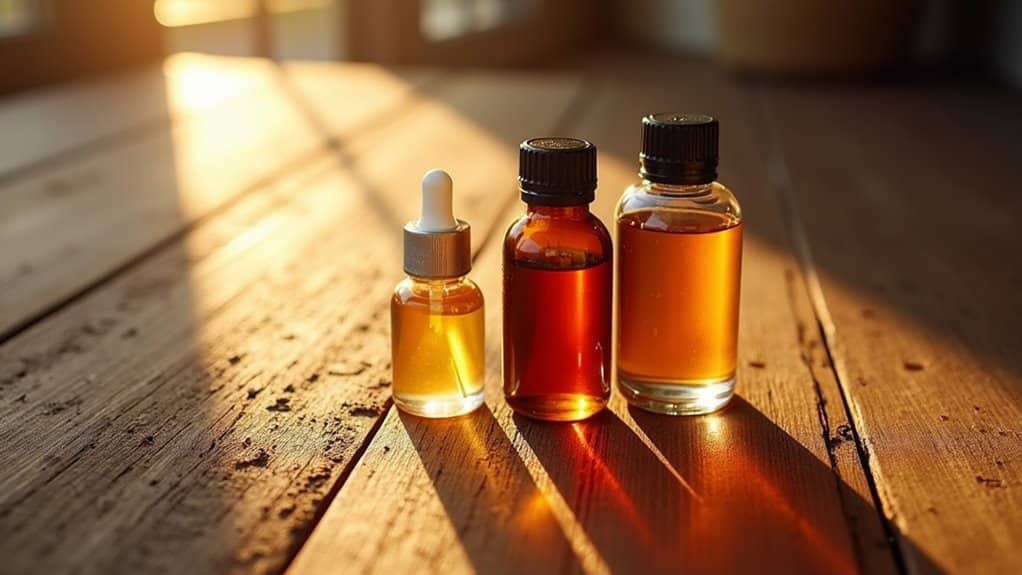
Three strong wood door sealers for protecting against moisture, sun damage, and everyday wear are Minwax Helmsman Spar Urethane, exterior-grade polyurethane, and Seal-Once Marine Premium Wood Sealer. Helmsman Spar Urethane contains UV blockers and flexible oils that help protect exterior wood from sunlight, rain, and temperature changes, and Minwax recommends 3 coats for exterior surfaces. Exterior polyurethane provides a durable, moisture-resistant finish and is commonly maintained with a fresh coat about every 2 years. Seal-Once Marine is a water-based option that can protect vertical wood surfaces for up to 10 years and covers up to 350 square feet per gallon, although actual coverage varies with the wood. Comparing UV protection, moisture resistance, application requirements, durability, and maintenance intervals can help determine which sealer fits your door.
How to Pick the Right Wood Door Sealer for Your Situation
Choosing the right
wood door sealer starts with understanding your door type, because each configuration demands a specific sealing profile. For
exterior wood doors, prioritize rubber or silicone seals that resist moisture penetration.
Interior doors work fine with foam tape or felt, since durability isn’t critical there.
Maintaining wood door sealant means inspecting compression points seasonally, especially in cold climates where high-memory silicone prevents permanent set.
High-traffic entries demand adhesive-backed compressible profiles that withstand repeated use without losing structural integrity or seal performance.
Brush sweeps are particularly well-suited for high-traffic doors with uneven floors, as they maintain consistent contact without degrading under frequent use.
The 3 Best Wood Door Sealers for Moisture and Sun
Once you’ve matched your
sealer type to your door’s
gap profile and
frame condition, the next step is choosing the
best exterior wood sealer with UV protection to withstand moisture and sun exposure over time. Look for a sealer designed specifically for exterior wood and capable of protecting against both water and UV damage. For front doors with direct sun exposure,
Marine Spar Varnish delivers maximum UV resistance and a flexible, durable shield against fading and cracking.
Exterior Polyurethane suits sheltered doors with moderate-high UV resistance and a clear, durable finish. For considerations for coastal environments,
Seal-Once Marine Premium Wood Sealer earns a 5/5 value rating, protecting against salt water, rot, mold, and UV fading. When selecting materials for your project, it’s essential to consider the
interior door cost alongside the quality and durability of the finishes being used. Investing in high-quality varnishes can significantly prolong the life of your doors, ensuring they remain both functional and aesthetically pleasing. Maintenance requirements vary: varnish demands periodic recoating, polyurethane needs light sanding between applications, and Seal-Once Marine’s penetrating formula extends reapplication intervals considerably, reducing long-term upkeep.
Oil-based sealers generally take longer to dry but tend to provide a more durable and even finish compared to water-based alternatives.
Why These Wood Door Sealers Outlast the Rest
Durability in wood door sealers comes down to four compounding factors:
UV stability,
water repellency,
abrasion resistance, and
extended reapplication intervals. UV-stable formulas like Seal-Once Nano+Poly prevent yellowing while blocking sun damage. Water-based technologies guarantee weather-resistant barriers without compromising clarity post-cure. These advanced formulations also utilize
weather resistant materials to enhance longevity and performance. Additionally, products incorporating these materials are designed to withstand extreme conditions while maintaining their aesthetic appeal. Maximum
durability through material construction means selecting sealers engineered for
high-traffic surfaces. Seal-Once and Ready Seal both earned 5/5 durability ratings, resisting scuffs under foot traffic and furniture contact. SaverSystems #1 Deck matches this performance on heavily used surfaces. Optimal application techniques determine longevity.
Thompson’s WaterSeal single thick-coat method eliminates drip issues while maximizing even coverage. Olympic WaterGuard sustains protection up to four years on fencing, demonstrating that correct application directly extends service intervals and reduces your maintenance commitment. Pairing a quality sealer with
rubber weatherstripping along the door frame further prevents moisture infiltration and strengthens the overall protective barrier of the door.
Frequently Asked Questions
Can Wood Door Sealers Be Applied Over Existing Paint or Stain?
Yes, you can apply
wood door sealers over existing paint or stain, but compatibility with existing finishes is critical.
Polyurethane may alter color, while
acrylic poly won’t shift hues. You’ll need to assess effects on surface texture, sand peeling areas first, and clean thoroughly. Apply multiple thin coats for even adhesion. Always prime painted surfaces beforehand, and coat all edges to block moisture penetration effectively.
How Long Should I Wait Before Recoating a Sealed Wood Door?
You should wait a
minimum of 24 hours between coats for ideal bonding, though reapplication timing varies by product type. For poly acrylic sealers, you’ll notice a 5-10 minute surface dry time, but that doesn’t mean it’s ready.
Proper surface preparation is critical, sand with 320-grit between coats and clean thoroughly. After your final coat, allow 48 hours before installation, as full cure can take several weeks.
Are Wood Door Sealers Safe to Use Around Children and Pets?
Most wood door sealers are safe around children and pets when you choose
non-toxic formulas with low VOC content. You’ll want to guarantee
safe ventilation requirements are met during application, open windows and run fans to clear any residual fumes. Keep children and pets away until the sealer fully cures.
Water-based options, like
pet-safe wood sealers, minimize chemical exposure and create durable, water-resistant finishes that won’t harm sensitive individuals after drying.
Do Wood Door Sealers Require Sanding Before Application?
Yes, wood door sealers typically require sanding before application. For raw wood, you’ll need to use 220-320 grit sandpaper to create a smooth surface. Proper
surface preparation removes scratches, imperfections, and existing finishes that would otherwise prevent adhesion.
Between coats, you’ll sand lightly to eliminate raised grain. Always start by checking the
manufacturer’s guidelines, as requirements vary by product. Skipping this step substantially compromises your final finish quality.
Can I Use Interior Wood Sealers on Exterior Doors Temporarily?
You can use
interior wood sealers on exterior doors temporarily, but don’t expect long-term effectiveness. Without UV inhibitors, they’ll degrade within weeks under sunlight. For proper application technique, wipe the surface with mineral spirits first, then topcoat with an
exterior-compatible product like Sikkens Cetol or ZAR Deck & Siding Sealer.
Interior polyurethane lacks elasticity, causing flaking within months, so plan to replace it with a dedicated exterior finish quickly.
Best Exterior Wood Sealer With UV Protection for Coastal Homes?
Choose an exterior marine-grade or spar urethane sealer with strong UV inhibitors and moisture resistance. In coastal areas, applying
2 to 3 coats and recoating every
1 to 2 years can help protect wood from salt air, sun exposure, and high humidity.
Wood Door Sealer Protect Against Seasonal Moisture Changes?
Yes. A quality exterior wood sealer helps slow moisture absorption and release as humidity changes throughout the year. For better protection, seal
all 6 sides of the door, including the top and bottom edges, and maintain the finish every
1 to 3 years depending on exposure.
Sealer for Exterior Wood Door Work on Hardwood Species?
Yes, but hardwoods such as mahogany, teak, and ipe often need a penetrating or oil-compatible sealer designed for dense wood. Most hardwood doors perform best with
2 thin coats, with maintenance typically needed every
12 to 24 months in exposed outdoor conditions.