
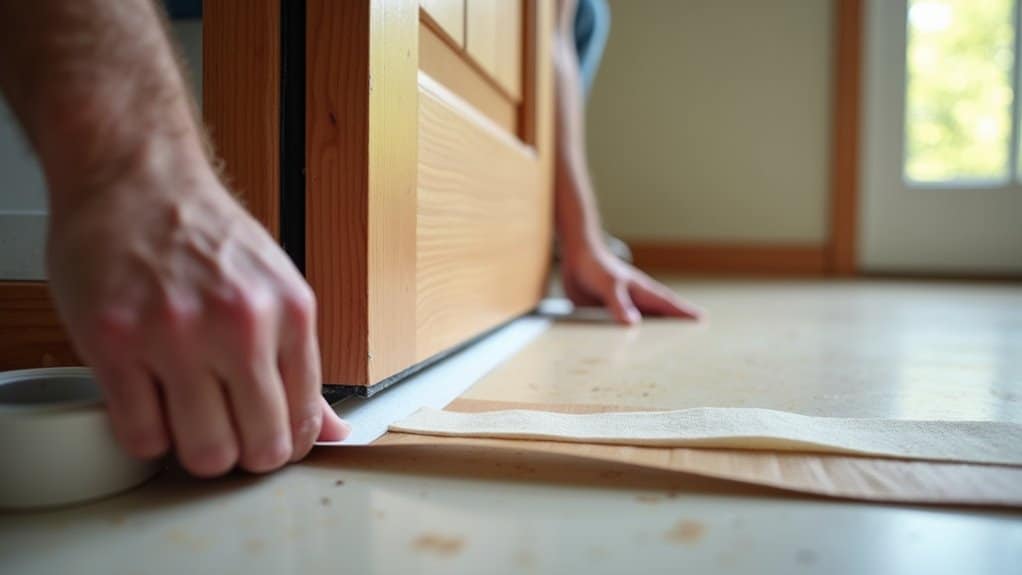
You'll benefit from a storm door if you want improved energy efficiency, better ventilation, and supplementary security for your home. Storm doors create an insulating air pocket that reduces heating and cooling costs while protecting your main entry door from weather damage. They're especially valuable in areas with harsh climates or frequent temperature swings. Consider factors like your local weather patterns, security needs, and ventilation preferences to determine if this practical enhancement makes sense for your entryway.
What Is a Storm Door and How Does It Work
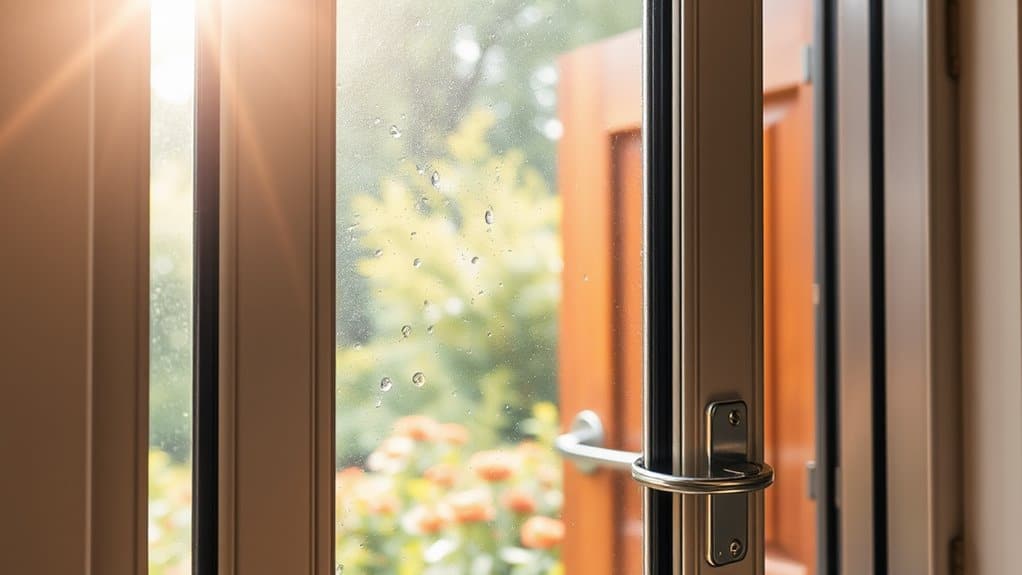
A storm door serves as a secondary barrier installed in front of your main exterior door, providing an extra layer of protection against weather elements. It's designed with a frame that holds interchangeable glass and screen panels, allowing you to adapt to different seasons.
Storm door materials typically include aluminum, vinyl, or wood composites, each offering distinct benefits regarding durability and maintenance requirements. You'll find numerous storm door styles available, from full-view designs that enhance visibility to mid-view and high-view options that provide more privacy and protection. The door operates through a hydraulic or pneumatic closer system that guarantees smooth opening and closing while preventing slamming. When properly installed, it creates an insulating air pocket between itself and your main door, helping improve your home's energy efficiency.
Benefits of Installing a Storm Door
Installing a storm door can greatly reduce your energy costs by creating an insulating air pocket between your entry door and the outside elements. You'll benefit from better temperature control in both winter and summer, as the extra barrier helps prevent heated or cooled air from escaping your home. Beyond energy efficiency, storm doors provide an extra layer of security with features like heavy-duty locks and reinforced frames that make forced entry more difficult.
Energy Savings Year-Round
Storm doors can greatly reduce your home's energy consumption throughout the year. During winter months, they create an extra barrier against cold air infiltration, helping maintain indoor warmth and reducing your heating costs. In summer, you'll benefit from ventilation options when you open your main door while keeping the storm door closed, allowing natural airflow without compromising security.
Modern storm doors with low-E glass panels improve energy efficiency by reflecting harmful UV rays and preventing heat transfer. You'll notice cost reduction in your utility bills as these doors minimize air leakage around your entry door's perimeter. The insulating air pocket between your main door and storm door serves as an effective thermal buffer, enhancing your home's complete energy performance in both hot and cold seasons.
Enhanced Home Security Features
Modern security features built into storm doors provide multiple layers of protection for your home's main entrance. Today's security upgrades offer sturdy door materials and advanced locking mechanisms that function alongside your primary door to create a formidable barrier against intruders.
- Multi-point locking systems secure the door at several locations along the frame, making forced entry considerably more difficult
- Heavy-duty aluminum or steel construction resists tampering and withstands physical attacks
- Keyed deadbolts with reinforced strike plates add an extra layer of protection beyond standard locks
- Security glass or metal mesh screens prevent access to the main door's lock while allowing you to open your primary door for ventilation without compromising safety
These features complement your existing security system while maintaining your home's aesthetic appeal.
Climate Considerations When Choosing a Storm Door

Your local climate plays an essential role in determining the type of storm door you'll need. In cold regions, you'll want a door with maximum insulation and weatherstripping to prevent heat loss, while hot climates call for ventilation options and UV-resistant glass. High-humidity areas and regions with frequent rainfall require doors with improved moisture resistance and proper drainage features to prevent water damage and rust.
Hot vs. Cold Regions
Climate plays an essential role in determining whether you'll benefit from a storm door installation. Your regional climate directly impacts the storm door benefits you'll experience and influences the type of door you should select.
- In cold regions, you'll want a storm door that provides optimal insulation and weatherstripping to prevent heat loss and block cold drafts during winter months.
- For hot climates, opt for a ventilating storm door with retractable screens to optimize airflow while keeping insects out.
- If you're in an area with frequent rain or snow, choose a storm door with improved water resistance and proper drainage features.
- For regions with extreme temperature swings, select a multi-functional storm door that offers both full-panel glass for winter and screen options for summer ventilation.
Humidity and Rain Impact
Beyond temperature variations, humidity and rainfall levels greatly affect your storm door's performance and longevity. In high-humidity regions, you'll need a storm door with improved moisture resistance and proper ventilation to prevent condensation buildup between your main door and storm door. Look for models with adjustable bottom expanders and weatherstripping to manage water infiltration.
High rainfall areas require storm doors with strong rain protection features. Select doors with built-in drainage systems and rain caps that direct water away from the threshold. You'll also want tight seals around the frame and quality weatherstripping to prevent water from seeping inside. Consider storm doors with water-resistant finishes and corrosion-resistant hardware that can withstand frequent exposure to moisture without deteriorating or developing rust spots.
Types of Storm Doors Available Today
Modern storm doors come in three primary categories: full-view, ventilating, and retractable-screen models. Today's options range from traditional wooden storm doors to durable aluminum and fiberglass storm varieties, with many featuring decorative elements to improve your home's curb appeal.
- Full-view doors optimize natural light with large glass panels and often include impact-resistant features
- Ventilating models offer interchangeable glass and screen panels for seasonal flexibility
- Retractable screens provide convenience with screens that roll away when not needed
- Pet-friendly doors include built-in pet doors in different sizes
You'll find these doors available in custom sizes to fit any entryway. Whether you're prioritizing security, ventilation, or aesthetics, there's a storm door design that matches your needs while protecting your main entry door from the elements.
Cost Analysis: Installation and Long-Term Value

While storm door styles offer different features, understanding their cost implications helps you make an informed investment decision. Basic storm doors typically range from $150 to $400, while high-end models can exceed $1,000. Installation costs generally run between $200 and $500, depending on your location and door complexity.
Consider the long-term benefits when evaluating the total investment. You'll save on energy costs through improved insulation and reduced air leakage. Storm doors also protect your main entry door from weather damage, potentially extending its life by 10-15 years. This protection can delay the need for an expensive entry door replacement, which typically costs $1,000-$3,000. When properly maintained, a quality storm door's durability and energy savings often justify the initial expense within 3-5 years.
Maintenance Requirements and Durability
To improve your storm door's lifespan of 20-30 years, you'll need to perform regular maintenance tasks throughout each season. Understanding key durability factors will help protect your investment and maintain peak performance.
- Clean tracks and hinges monthly, removing debris and applying silicone lubricant to prevent sticking and guarantee smooth operation
- Inspect weatherstripping twice yearly, replacing worn or damaged seals to maintain energy efficiency
- Tighten all hardware and screws seasonally, preventing loose components that could cause alignment issues
- Check glass and screen inserts every spring, repairing any tears or cracks promptly
These maintenance tips will preserve your storm door's functionality and appearance. Most modern storm doors feature corrosion-resistant aluminum frames and tempered safety glass, but proper care remains essential for maximizing durability and extending service life.
Security Features and Safety Considerations
Security features in storm doors provide an extra layer of protection beyond standard entry doors, making them an effective deterrent against break-ins. You'll find numerous security improvements like multi-point locking systems and reinforced frames that greatly boost your home's safety.
| Security Feature | Benefit | Protection Level |
|---|---|---|
| Deadbolts | Prevents forced entry | High |
| Safety Glass | Resists shattering | Medium |
| Steel Frames | Strengthens structure | High |
Modern storm doors come with advanced safety features such as child-safe closers, anti-pinch hinges, and impact-resistant glass. You'll also benefit from built-in screen locks and keyed handles that work alongside your main door's security system. When selecting a storm door, prioritize models with tamper-resistant mounting hardware and heavy-duty strike plates for maximum protection.
Common Installation Challenges and Solutions
Installing a storm door may present several common challenges that can complicate the process if you're not prepared. To avoid common pitfalls and guarantee a successful installation, consider these essential installation tips:
Storm door installation requires careful preparation and awareness of potential challenges to ensure a smooth, successful project from start to finish.
- Out-of-square door frames require shimming and careful measurement to achieve proper alignment – use a level and adjust accordingly
- Uneven surfaces between the frame and door jamb need proper weatherstripping and supplementary caulking to create an airtight seal
- Hardware interference with existing door handles can be resolved by using spacer kits or adjusting the storm door's handle position
- Improper drainage at the threshold might lead to water damage – install a drip cap and guarantee proper slope away from your entryway
You'll save time and prevent frustration by anticipating these challenges and having the right tools ready before starting.
Frequently Asked Questions
Can Storm Doors Be Installed on Sliding Glass Doors?
Traditional storm door types aren't designed for sliding glass doors. Instead, you'll need to investigate specific sliding door options like retractable screens or sliding storm panels. These alternatives mount on the exterior track of your sliding door or install alongside it. You can choose between removable storm panels, roll-away screens, or permanent sliding storm doors that parallel your existing door. Each option provides different levels of protection and convenience.
How Long Does It Take to Install a Storm Door?
You can typically install a storm door in 2-4 hours, though the installation process varies based on storm door types and your experience level. If you're handy with tools, you'll spend less time than a novice. Pre-hung doors are faster to install than z-bar styles. You'll need to measure, remove old hardware, install the hinge-side frame, hang the door, add the latch and closer, and test operation.
Should Storm Doors Match the Color of My Front Door?
While it's common to match your storm door to your front door, you don't have to follow this rule strictly. Your storm door can either complement or contrast with your front door aesthetics. Consider storm door styles that coordinate with your home's comprehensive design. If you want a seamless look, match the colors. For a more dynamic appearance, choose contrasting colors that still work with your home's color scheme and architectural elements.
Can I Keep My Storm Door Open During Summer Months?
Yes, you can keep your storm door open during summer months, and it's actually one of the key storm door benefits. The screen panel allows for excellent summer ventilation while keeping insects out of your home. You'll want to switch your glass panel with the screen insert and use the door's built-in closer or holding mechanism to secure it open. This setup lets fresh air circulate through your entryway while maintaining security.
Do Storm Doors Affect Home Insurance Rates?
Storm doors can positively impact your home insurance rates. While not all insurers offer specific discounts for storm doors, they're often considered part of your home's protective features. Having a storm door can demonstrate that you're taking extra precautions to protect your property from weather damage and break-ins. It's worth contacting your insurance provider directly to ask about potential discounts related to storm door benefits and other security improvements.