

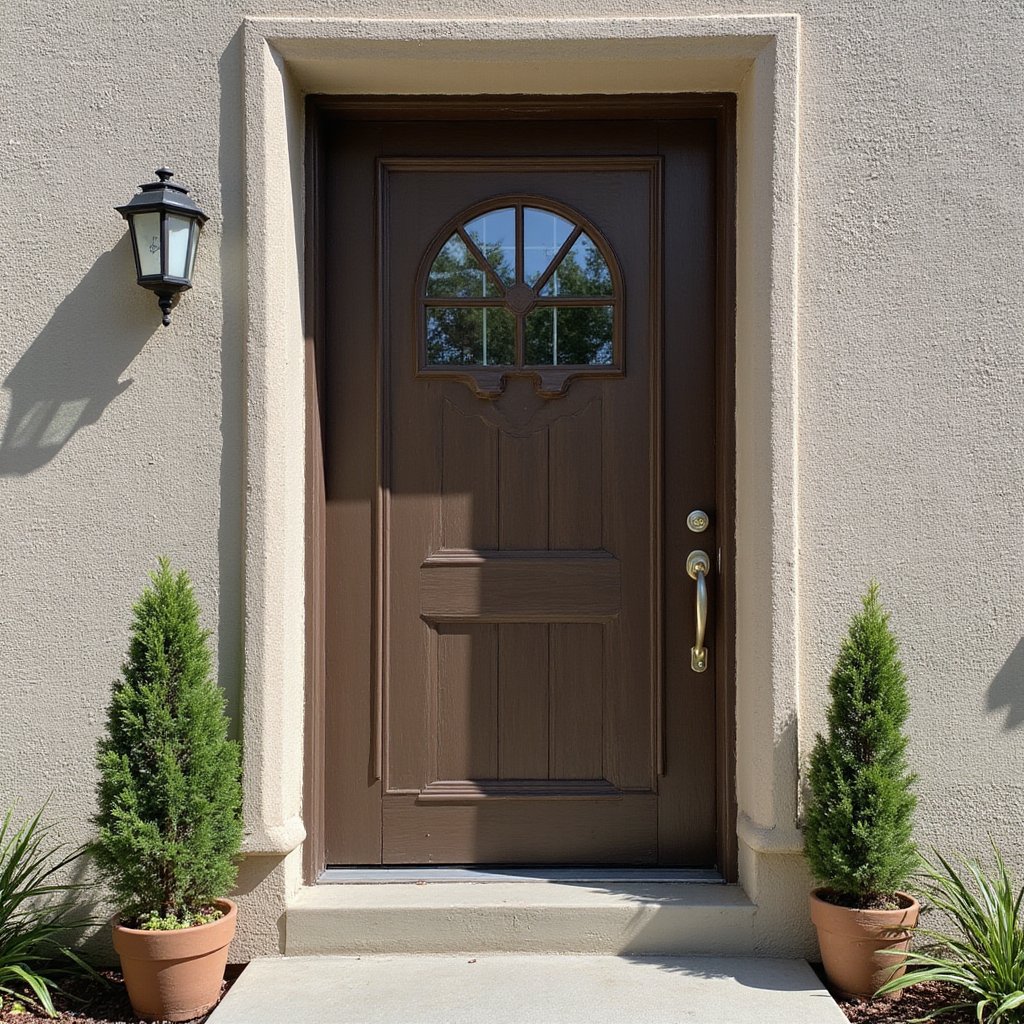

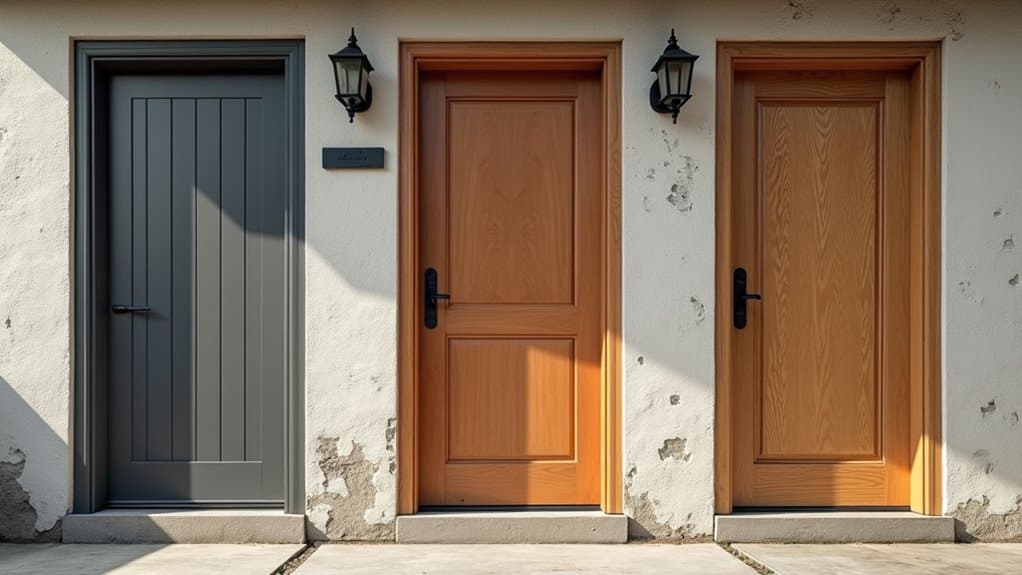
The key distinction lies in architectural intent and spatial composition. Your foyer serves as a formal passage room with defined boundaries, often featuring sophisticated architectural elements like grand staircases or heightened ceilings. In contrast, your entryway functions as a compressed, multifunctional space focused on efficient storage and flow management. While foyers showcase elegance through premium materials and deliberate design, entryways prioritize practical organization and streamlined solutions. Comprehending these subtleties will improve your home’s entrance planning strategy.
Understanding the Historical Origins of Foyers

While modern homes often feature simplified entryways, the traditional foyer emerged as a crucial architectural element with deep historical significance. You’ll find its roots in the French word “le foyer,” meaning hearth and household, which perfectly captures its original purpose as a welcoming gathering space.
In ornate home styles like Victorians, Tudors, and Colonials, the foyer served both practical and aesthetic functions. You’ll notice these spaces were strategically designed to shield the home’s interior from harsh weather while showcasing impressive architectural elements. Grand staircases, detailed millwork, and carefully curated furnishings transformed these connective spaces into statements of hospitality and status. The foyer’s design wasn’t merely decorative it represented the household’s character, creating a deliberate progression from public to private spaces while maintaining the home’s architectural integrity.
Defining the Modern Entryway Space

The modern entryway’s primary function balances your need for a connecting space with efficient storage solutions, incorporating designated drop zones and organized systems for everyday items. You’ll find that today’s entry spaces act as compressed, multifunctional areas that merge seamlessly with open-concept layouts while maintaining distinct boundaries through subtle design elements. When examining space-saving configurations, you’ll notice that contemporary entryways optimize vertical storage and minimize floor obstructions, often utilizing built-in solutions and wall-mounted features to capitalize limited square footage.
Modern Entry Key Functions
Modern entryways serve three essential functions that define their role in contemporary home design: connective flow management, organizational efficiency, and atmospheric setting. You’ll find these passageway spaces masterfully balancing form and function in today’s interior layouts.
Your entrance space should incorporate these key design elements:
- Strategic spatial flow that guides movement from the front door through to connecting living areas, especially in open-concept designs
- Integrated storage solutions including coat hooks, shoe storage, and organizational systems that maintain clutter-free aesthetics
- Task-specific lighting design that illuminates the space while creating an inviting atmosphere
- Durable flooring materials that withstand heavy traffic while shifting seamlessly to adjacent spaces
These elements work together to create an entryway that’s both functional and aesthetically aligned with your home’s design language, effectively managing the space between outdoor and indoor environments.
Space-Saving Entry Solutions
Space constraints in contemporary homes demand novel approaches to entry design, particularly when optimizing functionality in compact areas. You’ll find that space-saving solutions now integrate seamlessly with technology and minimalist aesthetics, creating multi-functional zones that serve both utility and design purposes.
Consider implementing vertical storage systems with hidden compartments for seasonal items, while maintaining a clutter-free environment. Smart organization solutions, such as built-in benches with storage beneath or wall-mounted hooks with integrated lighting, enhance your entry’s footprint. These features don’t just optimize convenience; they transform typically unused spaces into practical zones. By incorporating tech-enabled storage solutions and maintaining a streamlined design approach, you’ll create an efficient entry that adapts to your changing needs while preserving the aesthetic integrity of your modern home.
Design Elements That Set Foyers Apart

Distinctive architectural features transform foyers into grand statements of elegance that set them apart from basic entryways. You’ll find sophisticated design elements that create a powerful initial impression, from high ceilings to elaborate staircases adorned with decorative light fixtures.
Premium flooring options uplift your foyer’s aesthetic:
- Rich hardwood that exudes timeless sophistication
- Natural stone flooring that delivers unmatched durability
- Custom tile patterns that establish visual interest
- Strategic mirror placement that amplifies spatial depth
Your foyer’s functionality seamlessly integrates through purposeful furnishings like console tables, benches, and coat closets. These elements work in concert with the architectural features to create a cohesive design statement. When combined with thoughtfully curated decorative accents, your foyer becomes more than an entrance it’s a deliberate progression into your home’s distinctive style.
Essential Features of a Functional Entryway
Your functional entryway requires three core components: efficient storage solutions to handle daily items, strategic lighting placement to guide movement, and designated organization zones for specific activities. You’ll need to position storage elements like hooks, benches, and cabinets along the natural traffic flow path while maintaining clear walkways of at least 36 inches wide. Your lighting design should incorporate both ambient and task lighting, with focused illumination on key organization zones where you’ll sort mail, store keys, or remove shoes.
Storage Solutions That Work
Every functional entryway demands strategic storage solutions that optimize both accessibility and organization. To enhance your space’s efficiency, you’ll need to implement a well-planned combination of vertical and horizontal storage elements. Your designated drop zone should incorporate wall-mounted storage options, while a storage bench serves dual purposes for seating and footwear containment.
- Install a coat closet or mounted hooks at varying heights for outerwear organization
- Position a durable mat or low-profile rug directly inside the entrance
- Integrate a storage bench with built-in cubbies for shoes and seasonal items
- Create a daily essentials station using floating shelves or a console table
Lighting And Traffic Flow
Beyond storage considerations, lighting and traffic flow form the backbone of a well-designed entryway. You’ll need to strategically integrate lighting fixtures that improve both functionality and aesthetic appeal while ensuring unobstructed movement through the space.
| Element Type | Function | Purpose | Impact |
|---|---|---|---|
| Ambient Light | General illumination | Overall visibility | Safety |
| Task Light | Focused brightness | Specific activities | Functionality |
| Accent Light | Decorative emphasis | Visual interest | Aesthetics |
| Traffic Flow | Clear pathways | Easy navigation | Efficiency |
To optimize your entryway’s effectiveness, incorporate a layered lighting approach combining ambient, task, and accent fixtures. Position wall sconces or pendant lights to eliminate shadows while maintaining clear circulation paths. This thoughtful integration of lighting and traffic flow creates a welcoming entry space that guides visitors smoothly into your home while setting a sophisticated tone for the interior design scheme.
Smart Organization Zones
While modern homes demand efficient use of space, a well-designed entryway must incorporate distinct organizational zones to optimize functionality. Creating a clutter-free flow requires strategic placement of smart storage solutions that improve convenience while maintaining a welcoming atmosphere.
Essential organizational zones for your entryway include:
- Primary Storage Zone – Multi-functional closet or wall-mounted systems for outerwear, equipped with smart technology for climate control
- Passageway – Low-pile, weather-resistant mat with built-in storage compartments beneath
- Command Center – Wall-mounted shelf with integrated charging stations, key holders, and digital display for schedules
- Auxiliary Storage – Bench seating with hidden compartments for seasonal items, enhanced by motion-activated lighting
These functional zones work together to create an efficient passageway that sets the tone for your home’s interior design aesthetic.
Creating Flow and Transition in Both Spaces
Since both foyers and entryways serve as passageway spaces, their design must facilitate smooth movement between the exterior and interior zones of your home. As a connective space, each entrance links your home’s public and private areas while establishing a clear design identity.
You’ll want to create flow through strategic furniture placement and architectural elements that guide movement naturally. In foyers, this often means incorporating a central focal point that draws visitors toward interior spaces while providing a comfortable gathering place. For entryways, focus on functional shifts like defined pathways and clear sight lines to adjacent rooms.
Consider how your initial impression spaces interact with surrounding areas. Use consistent flooring materials, lighting schemes, and design elements to guarantee seamless integration between these linking zones and your home’s interior spaces.
Storage Solutions for Foyers and Entryways
As you design an efficient entrance space, implementing strategic storage solutions becomes essential for maintaining organization and functionality in both foyers and entryways. Integrating built-in cabinetry and storage ottomans maximizes vertical space while providing concealed storage for seasonal items.
Smart storage design transforms entryways into organized, functional spaces through strategic placement of built-in solutions and versatile furnishings.
Consider these professional storage configurations:
- Install coat closets with multi-level hanging rods, complemented by overhead shelving for lesser-used items
- Incorporate mudroom benches with integrated cubbies and storage compartments beneath seating surfaces
- Mount wall-mounted hooks and key racks at strategic heights, paired with storage baskets for small accessories
- Position a storage bench with interior compartments alongside built-in shelving units for ideal space utilization
These solutions create a systematic approach to organization while maintaining the aesthetic integrity of your entrance space.
Lighting Strategies for Each Space Type
When designing ideal illumination for entrance spaces, understanding the distinct lighting requirements of foyers and entryways becomes paramount to achieving both functionality and aesthetic appeal. You’ll find that foyers incorporate layered lighting strategies with grand chandeliers and pendant fixtures, while entryways utilize task-oriented solutions like wall sconces and recessed lighting.
| Feature | Foyer | Entryway |
|---|---|---|
| Primary Fixture | Chandelier/Pendant | Recessed/Sconce |
| Control Type | Dimmers | Motion-activated |
| Light Layers | Multiple | Single |
| Accent Options | Art/Architectural | Utilitarian |
| Light Source | Natural + Artificial | Primarily Artificial |
Consider incorporating dimmers in your foyer to adjust ambiance, while entryways benefit from practical motion-activated sensors. Your foyer’s accent lighting can highlight architectural elements, whereas entryway illumination focuses on essential visibility and functionality.
Choosing Between a Foyer or Entryway for Your Home
The decision to incorporate a foyer or entryway into your home’s design depends primarily on your spatial parameters and lifestyle requirements. When evaluating your welcome space options, consider your home’s architectural style and available square footage.
- Small homes often benefit from a functional entryway design, maximizing transitional space effectiveness while maintaining a modern aesthetic
- Larger homes can accommodate a traditional foyer, creating an elegant buffer zone between exterior and interior living spaces
- Open-concept layouts typically work better with a streamlined entryway that maintains visual flow throughout connected spaces
- Multi-story homes frequently utilize foyer designs to create a dramatic initial impression with vertical space integration
Your choice should align with both your practical needs and your home’s architectural character, ensuring a cohesive design that serves your daily routines effectively.
Frequently Asked Questions
What Is the Difference Between Entryway and Foyer?
You’ll find that a foyer is a formal, spacious entrance layout with sophisticated architectural design elements like chandeliers and decorative elements to create a lasting guest impression. In contrast, an entryway is a compact space utilization solution focused on functional purpose. Door placement and flow continuity differ, as foyers offer grand shifts with premium flooring options and dramatic lighting considerations, while entryways prioritize efficient movement through your home’s entrance area.
What Is the Entryway of a House Called?
You’ll find several names for your home’s entryway, depending on its design and function. The main entry or front entrance serves as your primary access point. For bolstered protection from weather, you might have a vestibule entry or covered entry. If you’re managing outdoor gear, a mudroom entry works best. Other variations include a portico entry, breezeway entry, porch entry, or hallway entry. Some homes feature a lobby entrance for a more formal welcome.
What Is Considered an Entryway?
An entryway is your home’s welcoming space – a shift that creates the prime impression when you step inside. It’s designed for excellent flow and function, incorporating practical considerations like storage solutions and accessibility features. You’ll find essential aesthetic elements, including strategic lighting and decor, that improve the guest experience. This functional design zone serves as a buffer between exterior and interior spaces, maximizing efficiency while maintaining style in your home’s layout.
What Do Americans Call a Foyer?
In American homes, you’ll find that a foyer is called by several interchangeable terms, primarily focusing on entry hall design and grand entrance styles. You’ll hear Americans refer to these passageway spaces as the “entry hall,” “front hall,” or simply “foyer” (pronounced “foy-yay”). These lobby-like spaces often incorporate open foyer concepts and vestibule configurations. Some regional variations include “reception hall” or “entrance gallery,” especially when describing more formal welcome area layouts.