
You'll find that window installation times vary greatly based on the type and complexity of your project. A standard single-hung window typically takes 30-60 minutes to install, while bay windows can require 2-4 hours due to their intricate design. For a full house installation, expect the process to span 2-4 days. Factors like your home's age, weather conditions, and any necessary structural repairs can extend these timelines. Installing sliding windows takes 45-75 minutes, and picture windows need 30-45 minutes for proper placement. Understanding these specific timeframes will help you better plan your window replacement project.
Timeline For Different Window Types
The installation time for different window types varies considerably based on their complexity and size. A standard single-hung or double-hung window typically takes 30-60 minutes to install, while a larger bay window might require 2-4 hours due to its multiple components and structural requirements.
For sliding windows, you can expect 45-75 minutes per unit, as they need precise alignment to guarantee smooth operation and maximum energy efficiency.
Picture windows, being fixed units, generally take 30-45 minutes, though larger versions may require additional time for proper securing and weatherproofing.
Custom or specialty windows like casement, awning, or garden windows usually demand 1-2 hours each. The installation duration also depends on window materials – vinyl windows often install faster than wood or aluminum alternatives due to their lighter weight and pre-assembled nature.
If you're replacing multiple windows, professional installers typically complete 10-15 standard-sized windows per day.
However, factors like architectural complexity, weather conditions, and necessary repairs to the existing frame can extend these timeframes.
Second-story installations also require additional safety measures and equipment, adding 15-30 minutes per window.
Factors Affecting Installation Duration
Several key variables influence how long your window installation will take, ranging from structural conditions to environmental factors. Your home's age, wall condition, and existing window frame integrity can greatly impact the timeline. If contractors discover rotted wood, water damage, or structural issues, they'll need additional time for repairs before proceeding with installation.
Installation complexity plays a vital role in determining duration. Custom-sized windows, specialty shapes, or windows requiring extensive modifications will take longer than standard replacements. The accessibility of your windows also matters – second-story installations or windows in difficult-to-reach locations require extra safety measures and equipment, extending the timeline.
Weather conditions can affect both the installation process and material behavior. Extreme temperatures, rain, or high winds may force delays to guarantee proper sealing and safety.
Additionally, contractor experience directly influences efficiency – seasoned professionals work faster and anticipate potential challenges before they arise. The number of crew members assigned to your project and their coordination will also determine how quickly the installation progresses. If you're replacing multiple windows, your contractor may need to schedule the work across several days to maintain quality and precision.
Single Window Replacement Process
Understanding a single window replacement helps set realistic expectations for your project timeline. Typically, professional installers can complete a single window installation in 1-2 hours, assuming there aren't any complications with the existing frame or surrounding structure.
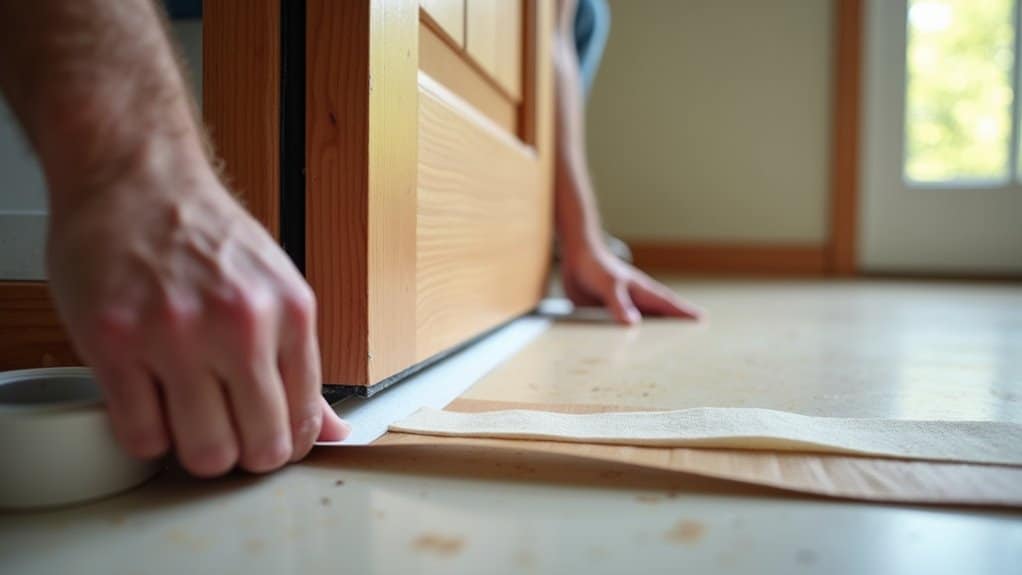
The process begins with taking precise window measurements to guarantee the new unit fits perfectly. Your installer will then prepare the work area by laying down drop cloths and gathering necessary installation tools.
They'll carefully remove the old window, inspect the frame for damage, and make any needed repairs to the opening. Next, they'll dry-fit the new window to confirm proper alignment before applying caulk and weather stripping.
The window is then secured in place using shims and fasteners, ensuring it's level and plumb. Your installer will test the window's operation and make adjustments as needed.
The final steps include installing interior and exterior trim, adding insulation around the frame, and cleaning up the work area.
You'll want to verify proper operation and inspect the finished installation before the crew leaves to guarantee everything meets your expectations.
Full House Installation Schedule
Professional window replacement for an entire house requires considerably more planning and coordination than a single window project.
For a full house window installation, you can expect the process to take between 2-4 days, depending on several factors including the number of windows, their complexity, and weather conditions.
Most contractors will approach the project systematically, typically completing one floor or section at a time to maintain installation efficiency.
They'll often begin with upper floors and work their way down, which helps prevent debris from falling onto newly installed windows.
You'll need to plan for approximately 30-60 minutes per window, though this timeframe can vary based on window size, type, and any necessary structural modifications.
Your contractor should provide a detailed timeline before starting the project.
Factors that might extend the schedule include discovering rotted frames, structural issues, or custom window requirements.
Weather can also impact the timeline, as installation typically requires dry conditions.
To guarantee smooth progress, you'll want to clear the areas around all windows, both inside and outside, and provide easy access for the installation team throughout your home.
Weather and Seasonal Considerations
While window installation can be performed year-round, weather conditions play a crucial role in determining the ideal time for your project. Understanding weather impacts and seasonal trends will help you plan the most efficient installation schedule.
| Season | Installation Considerations |
|---|---|
| Spring | Mild temperatures, ideal caulking conditions, but frequent rain delays possible |
| Summer | Extended daylight hours, best caulk curing, but extreme heat can affect materials |
| Fall | Perfect temperature range, low humidity, but limited contractor availability |
| Winter | Lower contractor rates, faster scheduling, but cold affects sealants |
| Off-Season | Better pricing, flexible scheduling, but weather challenges more likely |
You'll want to avoid scheduling installations during rainy periods, as moisture can compromise the sealing process. Temperature extremes can also affect installation materials – excessive heat may cause expansion, while freezing conditions can prevent proper caulk adhesion. If you're planning a winter installation, your contractor might need to use specialized cold-weather sealants and techniques. For best results, aim to schedule your window installation when temperatures range between 40-80°F with minimal precipitation in the forecast.
Frequently Asked Questions
Can I Stay in My Home During Window Installation?
Yes, you can stay in your home during window installation, but you'll need to plan accordingly.
Be prepared for high noise levels from power tools and hammering throughout the process. For your safety, maintain distance from work areas and follow any safety precautions the installers recommend.
You'll want to keep children and pets away from installation zones. While it's perfectly fine to remain home, you might prefer finding a quiet space away from the work area.
Will Window Installation Affect My Home's Security System?
Window installation can temporarily affect your home's security system, so it's important to take proper installation precautions.
You'll need to notify your security company beforehand, as sensors may need to be removed and reinstalled.
Some security system upgrades might be necessary if your new windows have different specifications.
During installation, work with both your window installers and security provider to guarantee all sensors are properly repositioned and recalibrated for maximum protection.
How Soon After Installation Can I Clean My New Windows?
You can clean your new windows 24-48 hours after installation, once all caulking and sealants have fully cured.
For best window maintenance, start with a gentle cleaning routine using mild soap and water. Avoid harsh chemicals or abrasive materials that might damage the new seals or finishes.
Here are essential cleaning tips: use a soft microfiber cloth, work from top to bottom, and don't forget to wipe the tracks and frames for peak performance.
Do I Need to Remove Window Treatments Before the Installers Arrive?
Yes, you'll need to remove all window treatments before the installation team arrives. This includes blinds, curtains, drapes, valances, and shutters.
For efficient installation preparation, take down any hardware like brackets and mounting components. If you have delicate or expensive window treatment types, it's best to carefully store them in a safe place.
You can also label each treatment and its corresponding hardware to make reinstallation easier after your new windows are in place.
Will the Installation Process Damage My Interior or Exterior Walls?
You'll be relieved to know that professional window installers take extensive precautions to protect your home.
They'll use drop cloths and interior protection barriers to safeguard your walls, floors, and furnishings. While minor touch-ups might be needed around the frame, significant wall damage is rare.
Outside, experienced installers carefully remove old windows and install new ones without causing exterior damage to your siding or brickwork.
They'll also clean up thoroughly after installation.