
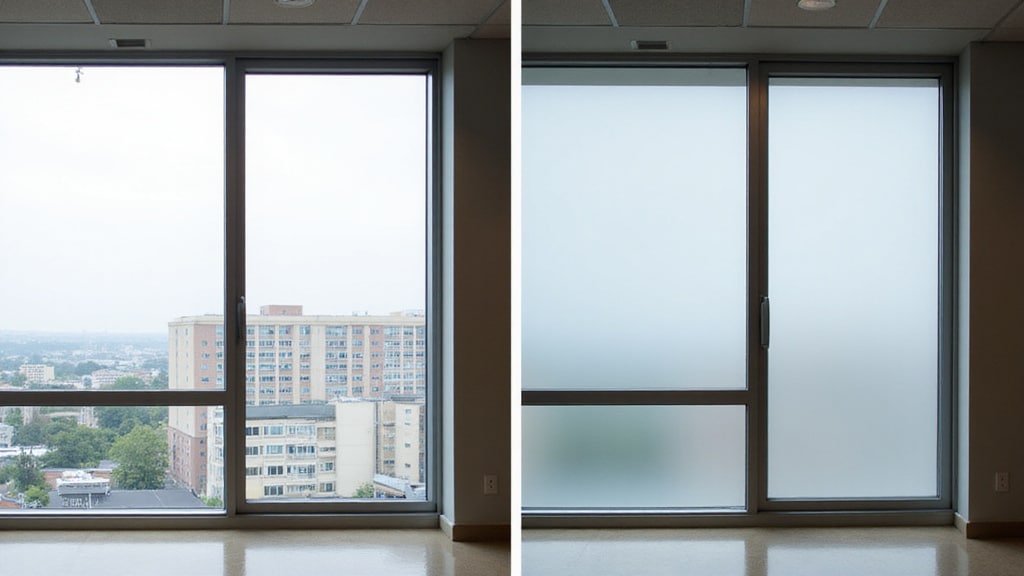
When determining your window installation pricing, you'll need to evaluate seven essential factors. Start with material costs, including window units ($150-$2,000) and supplies ($50-100 per job). Factor in labor rates ($30-75/hour) and installation time requirements (1-4 hours per window). Consider window types and styles, as premium options can cost 30-50% more than basic models. Account for project scope complexity, required equipment costs ($15-25 per job), and local market competition rates. Don't forget overhead expenses like insurance, utilities, and vehicle costs. Understanding these key elements will help you develop a thorough pricing strategy that maximizes profitability.
Material and Supply Costs
Three primary factors drive the material costs for window installation: the windows themselves, vital supplies, and specialty tools.
When calculating window costs, you'll need to account for different window types, sizes, and energy ratings, which can range from $150 to over $2,000 per unit. Your material sourcing strategy will greatly impact these base costs.
Vital supplies include caulking, insulation, shims, fasteners, and flashing materials. You'll typically need $50-100 worth of these materials per window installation.
Consider bulk purchasing through established supply chain networks to reduce costs while maintaining quality standards. Weather-resistant barriers and proper sealing materials are essential for ensuring long-term performance.
Your toolkit must include specialized equipment such as levels, pry bars, caulk guns, and power tools specific to window installation.
While these represent a one-time investment, you'll need to factor in depreciation and replacement costs. Calculate approximately $15-25 per job for tool wear and maintenance.
Remember to include costs for safety equipment, including gloves, safety glasses, and protective gear, which typically add $10-15 per installation to your material expenses.
Labor Rates and Time
When determining labor rates for window installation, you'll need to account for both skill level and regional market variations. Consider charging between $30-75 per hour depending on your experience level and location. Your labor efficiency will greatly impact project timelines and overall costs.
| Experience Level | Hourly Rate Range |
|---|---|
| Entry Level | $30-45 |
| Intermediate | $45-60 |
| Expert | $60-75 |
| Master | $75-100 |
Installation techniques directly affect your time estimates. Standard-sized windows typically require 1-2 hours per unit, while custom or large windows may need 2-4 hours. You'll want to factor in additional time for:
- Removing old windows
- Preparing the opening
- Installing new flashing
- Sealing and insulating
- Clean-up and disposal
For complex installations involving structural modifications or challenging access points, add a 25-50% time buffer to your estimates. Track your installation times across different window types and conditions to refine your pricing model. Remember to adjust your rates seasonally, as demand fluctuates throughout the year.
Window Type and Style
The window type and style you're installing will greatly affect your pricing structure, with basic vinyl windows costing 30-50% less than premium options like wood-clad or aluminum-composite frames.
You'll need to factor in the complexity of single-pane versus multi-pane designs, as double-pane and triple-pane windows require more expertise and time to install correctly.
Your material costs will vary considerably between basic and premium options, with features like Low-E glass coatings, argon gas filling, and specialized frame materials commanding higher rates.
Basic Vs Premium Materials
Material selection greatly impacts window installation costs, with price variations ranging from $200 to $1,200+ per window.
When evaluating basic versus premium materials, you'll need to balance budget considerations against long-term material durability. Basic vinyl windows typically range from $200-$500 per unit and offer decent energy efficiency with minimal maintenance requirements. Mid-range composite windows cost $300-$800 and provide enhanced durability with better insulation properties.
Premium materials command higher prices but deliver superior performance and aesthetics. Wood windows, ranging from $600-$1,200+, offer classic beauty and excellent insulation but require regular maintenance. Fiberglass windows ($500-$1,000) provide exceptional strength and thermal performance while resisting warping and cracking. Aluminum-clad wood ($700-$1,200+) combines the interior warmth of wood with exterior durability.
Your choice should factor in climate conditions, architectural style, and maintenance preferences. Premium materials often justify their higher costs through extended lifespan, improved energy efficiency, and enhanced property value.
Basic materials remain practical for budget-conscious projects where immediate cost savings take priority over long-term performance benefits.
Single-Pane Vs Multi-Pane Designs
Selecting between single-pane and multi-pane windows directly impacts both installation costs and energy efficiency outcomes.
While single-pane windows offer a more budget-friendly initial investment, they provide minimal insulation and aren't ideal for regions with extreme temperatures.
Multi-pane designs, featuring two or three layers of glass with insulating gas between them, deliver superior energy efficiency and noise reduction but command higher installation fees.
You'll notice these distinct visual and functional differences between the options:
- Double-pane windows reduce energy loss by up to 50% compared to single-pane, while triple-pane windows can achieve up to 70% reduction.
- Multi-pane windows exhibit less condensation buildup, maintaining clear views and aesthetic appeal throughout seasonal changes.
- Triple-pane designs feature additional weatherstripping and specialized frame construction, requiring more complex installation procedures.
- The air or gas-filled spaces between panes create visible depth, adding dimensional character to your home's exterior.
When calculating installation costs, factor in that multi-pane windows require specialized handling equipment and expertise.
The installation time typically increases by 30-45% compared to single-pane options, affecting your labor cost calculations accordingly.
Project Scope and Complexity
The project's scope directly impacts your installation pricing, starting with the window types you'll install, whether they're single-hung, casement, or specialty shapes.
You'll need to factor in the total number of windows being replaced, as multiple window installations often allow for bulk pricing and more efficient labor allocation.
Consider any special features required, such as energy-efficient glazing, custom trim work, or smart home integration capabilities, as these elements will affect both material costs and installation time.
Window Type and Style
Different window styles and configurations greatly impact installation costs, with prices varying based on design complexity and specialized requirements.
When pricing window installations, you'll need to account for specific design elements that affect both window aesthetics and energy efficiency ratings. Custom-shaped windows, bay configurations, and architectural specialty units typically command premium rates due to their intricate installation processes.
Consider these key window variations when calculating installation costs:
- Single-hung and double-hung windows require standard vertical tracking systems and balanced weight mechanisms, typically taking 2-3 hours per unit.
- Casement windows involve more complex cranking hardware and weatherstripping installation, often requiring specialized tools and expertise.
- Bay and bow windows demand structural modifications, including header reinforcement and exterior finishing work that can extend installation time to 6-8 hours.
- Custom geometric shapes like circles, trapezoids, or triangles need precise measurements and often require additional framing modifications.
You'll want to factor in additional costs for specialized glass packages, such as low-E coatings, triple-pane configurations, or gas-filled units that enhance thermal performance but require careful handling during installation.
Multiple Window Requirements
Since project scope directly influences labor efficiency, pricing for multiple window installations requires careful consideration of volume-based factors and complexity multipliers.
You'll need to assess how window size variations and installation locations affect your crew's workflow and adjust your pricing strategy accordingly.
When handling multiple windows, evaluate whether you can achieve economies of scale. Projects with uniform window sizes in easily accessible locations typically allow for streamlined procedures and bulk material ordering, potentially reducing per-unit costs.
However, if you're dealing with varied window sizes or challenging installation locations across different floors, you'll need to factor in additional time and equipment requirements.
Consider implementing a tiered pricing structure based on quantity ranges. For instance, you might offer a 5-10% discount for projects involving 5-10 windows, and 10-15% for 10+ windows, while maintaining profitability.
Remember to account for staging areas, material storage, and workflow coordination between installation teams.
Projects requiring multiple window installations across different building elevations or requiring specialized access equipment will necessitate higher pricing to cover increased operational complexity and extended project timelines.
Special Features Needed
Beyond basic window installations, specialized features and custom requirements can greatly impact your pricing calculations. When determining costs for windows with special features, you'll need to account for additional materials, specialized tools, and extra labor time required for proper installation.
Consider these key special features that affect pricing:
- Energy efficiency upgrades, including Low-E glass coatings, argon gas fills, or triple-pane configurations that require precise handling and specialized installation techniques to maintain thermal performance.
- Custom grille patterns or between-glass blinds that demand extra attention during installation to guarantee proper alignment and functionality.
- Security features like impact-resistant glass, reinforced frames, or advanced locking mechanisms that necessitate additional installation steps and expertise.
- Aesthetic appeal elements such as custom shapes, decorative glass treatments, or architectural details that require precise measurements and specialized cutting tools.
You'll need to factor in the complexity of each special feature when calculating labor costs. Additional time may be required for proper sealing, testing, and verifying functionality.
Include costs for any specialized tools or certifications needed to install specific features correctly.
Equipment and Tools Required
Professional window installation calls for an extensive set of specialized tools and equipment to secure precise, secure fitting. You'll need to factor these items into your pricing structure, including ongoing tool maintenance and periodic equipment upgrades to stay competitive.
| Essential Equipment | Purpose |
|---|---|
| Level/Laser Level | Guarantees perfect window alignment |
| Power Drill/Driver | Secures frames and hardware |
| Caulking Gun | Applies weatherproof sealant |
| Pry Bars/Crowbars | Removes old windows/frames |
Your basic installation kit should include measuring tools, safety equipment, and specialized window hardware. Consider investing in premium-grade tools that'll enhance precision and reduce installation time. You'll need to maintain these tools regularly and replace worn components to prevent job delays or quality issues.
When calculating your rates, factor in equipment depreciation costs and the need for periodic equipment upgrades. High-end tools like digital measuring devices and professional-grade power tools require significant investment but can improve efficiency and accuracy. Include these equipment costs in your overhead calculations, typically spreading them across multiple jobs to maintain competitive pricing while securing proper tool maintenance and replacement schedules.
Market Competition Analysis
Before setting your window installation rates, you'll need to conduct a thorough analysis of local competitors' pricing structures and service offerings. Understanding local demand and competitor pricing helps you position your services strategically while maintaining profitability.
Research both large window companies and independent contractors in your service area to gauge the market's price sensitivity.
To effectively analyze your competition, investigate these key areas:
- Base installation rates per window type (single-hung, double-hung, bay windows, etc.)
- Additional service charges for specialized installations (historic homes, high-rise buildings, custom windows)
- Package deals and volume discounts offered to property managers or developers
- Warranty coverage and after-installation service policies
Document your findings in a spreadsheet, noting price ranges and service variations.
Consider factors like reputation, years in business, and customer reviews when comparing your potential rates to competitors'. If local demand is high and skilled installers are scarce, you can position your rates at the higher end of the market range.
Conversely, in saturated markets, you'll need competitive pricing while emphasizing quality differentiators to attract customers.
Overhead and Operating Expenses
To accurately determine your window installation rates, you'll need to calculate all overhead and operating expenses that impact your bottom line. Start by listing fixed costs like rent, insurance, utilities, vehicle payments, and equipment depreciation.
Then factor in variable expenses such as fuel, maintenance, marketing, and office supplies.
Implement a systematic expense tracking system to monitor both direct and indirect costs associated with your window installation business. This data helps establish precise overhead allocation rates for each project.
Consider labor-related expenses including worker's compensation, payroll taxes, benefits, and training costs. Don't overlook administrative expenses such as accounting software, permits, licenses, and professional memberships.
Calculate your annual overhead costs and divide them by your projected billable hours to determine your overhead rate per hour. Add this figure to your direct labor and materials costs when pricing jobs.
Remember to account for seasonal fluctuations in business volume and adjust your overhead allocation accordingly. Update these calculations quarterly to guarantee your pricing remains profitable as expenses change.
This methodical approach to expense analysis helps prevent underpricing and guarantees sustainable profit margins.
Frequently Asked Questions
Do You Offer Financing Options for Window Installation Projects?
Yes, you'll find various financing options available for your window installation costs.
You can choose from traditional bank loans, home equity lines of credit (HELOC), or manufacturer-specific financing programs.
Many window companies partner with financial institutions to offer special terms like zero-interest periods or fixed monthly payments.
You'll need to meet credit requirements and may qualify for different rates depending on your creditworthiness and the total project cost.
What Warranties Are Included With the Window Installation Service?
Just like a shield protecting a knight in battle, your window installation comes with extensive warranty protection.
You'll receive dual coverage: a manufacturer's warranty for the windows themselves, typically ranging from 10-20 years, and a separate installation warranty covering workmanship for 2-5 years.
The service coverage includes seal failures, material defects, and installation-related issues.
You'll get detailed documentation outlining specific warranty types and claim procedures upon project completion.
How Long Does a Typical Window Installation Project Take?
Your window installation timeline typically varies based on the project's scope.
For a standard single window, you'll need about 30-60 minutes, while a whole-house project duration can span 1-2 days for 10-15 windows.
The installation timeline depends on factors like window type, accessibility, weather conditions, and necessary prep work.
If you're replacing custom-sized windows or dealing with structural modifications, you'll need to add extra time to the project schedule.
Can You Install Windows During Winter or Rainy Weather?
Just like knights didn't let harsh weather stop their castle renovations, you can install windows during winter and rain, but you'll need specific precautions.
During winter installation, you must protect interior spaces from cold drafts using plastic barriers and maintain room temperature above 40°F for proper sealant curing.
In rainy weather conditions, you'll require temporary covers and moisture-resistant materials.
However, you should avoid installation during heavy precipitation or extreme temperatures below 20°F.
Will You Handle the Permits Required for Window Replacement?
As a professional window installer, we'll handle all necessary permits for your window replacement project.
We'll submit the required documentation to your local building department, cover permit costs (typically included in your total project quote), and guarantee compliance with building codes.
This process may add 1-2 weeks to your installation timeline, depending on your municipality's processing speed.
You won't need to worry about maneuvering through the permitting process yourself.