
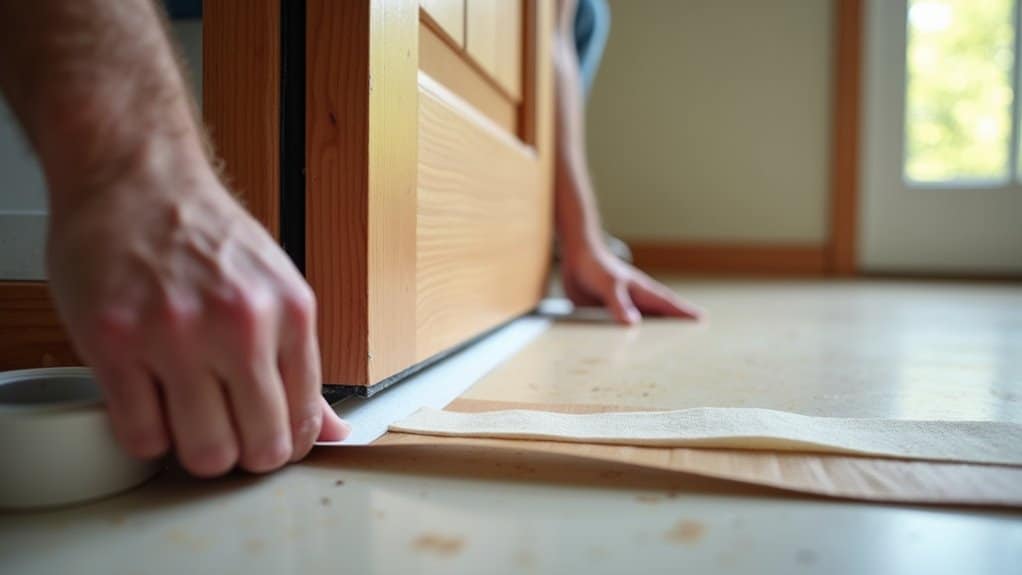
To prevent drafts, water leaks, and energy loss, you’ll need to seal every gap around your exterior door’s perimeter. Install V-strip tension seals along the sides, a door sweep at the bottom, and tubular rubber or silicone seals where larger gaps exist. Replace deteriorated weatherstripping immediately, since a single compromised door can waste up to $54 annually. The right combination of seals can cut your energy bills by up to 30%, and what follows breaks down exactly how to achieve that.
Why Exterior Doors Leak Drafts, Water, and Energy
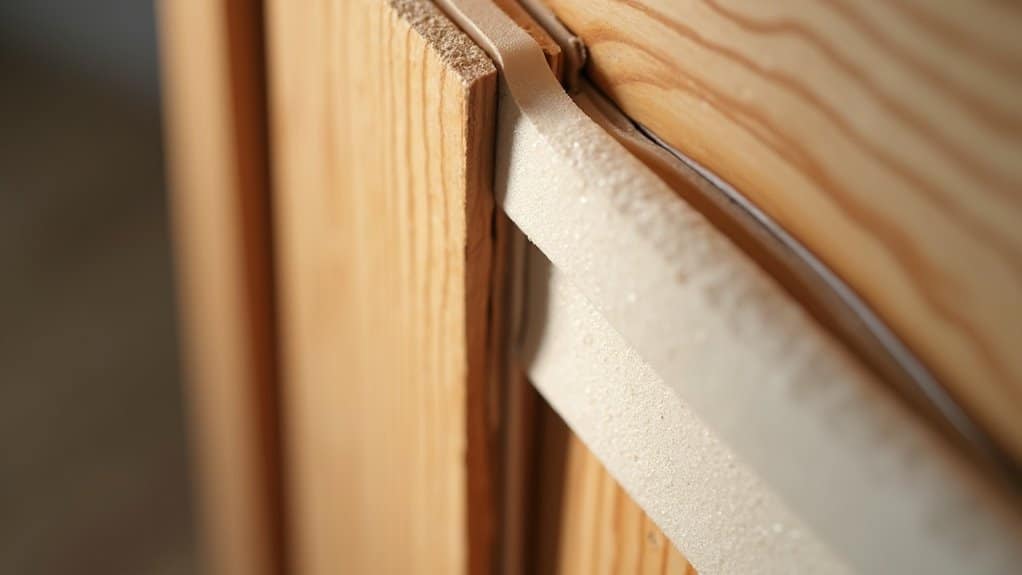
Exterior doors are among the most significant sources of energy loss in both residential and commercial buildings, creating multiple pathways through which drafts, water, and thermal energy escape. Pressure differences between indoor and outdoor environments drive air through gaps in the building envelope, while thermal bridging issues through glass, framing materials, and poorly insulated door compositions accelerate conductive heat transfer. Standard wood doors carry a U-value of .65, making them particularly vulnerable to energy loss. Seasonal temperature fluctuations cause door materials to expand and contract, creating micro-gaps that permit both water infiltration and air leakage. Deteriorated weather stripping compounds these vulnerabilities, allowing continuous infiltration around door frames. In commercial settings, air infiltration alone accounts for up to 18% of total heat loss. Poorly insulated doors account for 10-15% of total heat loss in a household, making door seal integrity a critical factor in overall home energy performance.
The 5 Types of Exterior Door Seals Explained
When selecting an exterior door seal, you’ll need to match the product type to your specific gap size, frame material, and performance requirements. The five primary seal types, silicone bulb seals, fin and triple-fin seals, door shoes with vinyl inserts, V-strips, and magnetic weatherstripping, each address distinct conditions and installation scenarios. Understanding how each type functions helps you choose the right seal for your door’s geometry, traffic load, and climate demands. Exterior door weatherstripping is essential for insulation, draft reduction, and energy savings, making the selection process a critical step in maintaining year-round comfort.
Door Seal Types Overview
Choosing the right exterior door seal starts with understanding the five main types available: V strip tension seals, door sweeps, felt strips, tubular rubber or vinyl seals, and silicone seals. Each type differs in seal quality comparison, material durability, and impact on door operation.
| Seal Type | Best Application |
|---|---|
| V Strip Tension Seal | Door sides, hinged frames |
| Door Sweeps | Bottom edge, threshold gaps |
| Felt Strips | Low-traffic, light-duty doors |
| Tubular Rubber/Vinyl | Large perimeter gaps, frame grooves |
| Silicone Seals | Modern doors, temperature extremes |
Selecting incorrectly affects both energy efficiency and long-term performance. Match the seal type to your door’s specific gap size, traffic frequency, and exposure to moisture before purchasing. On average, even properly matched weatherstripping should be inspected and replaced every 2-5 years to maintain an effective seal.
Choosing the Right Seal
Each of the five exterior door seal types serves a distinct purpose, and picking the wrong one wastes both money and effort. Match your selection to your door’s condition, climate, and budget considerations before purchasing.
For older homes with minor air movement, V-strip works well discreetly. Felt suits low-traffic interior doors where budget considerations outweigh durability. Tubular rubber or vinyl handles larger gaps and wind-driven rain effectively. Rubber or vinyl bulb seals fit front doors requiring long-term reliability, though installation difficulty is higher than simpler alternatives. Reinforced silicone delivers superior performance in extreme climates with heavy daily use.
Always assess your frame alignment, gap size, and local weather conditions first. Installation difficulty varies considerably across these options, so factor in your skill level before committing to a specific seal type.
How Much Money Can Good Door Seals Actually Save You?
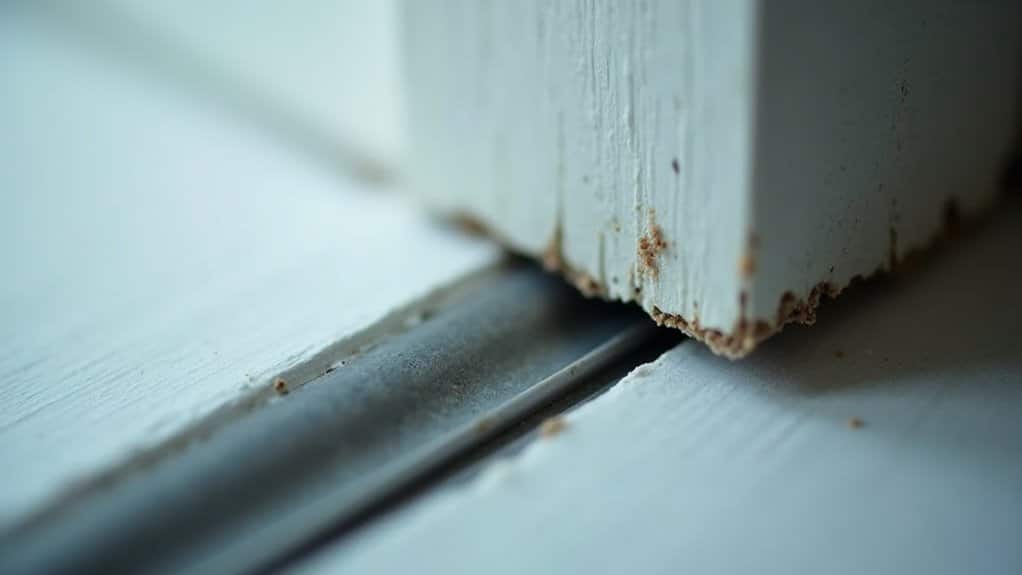
Good exterior door seals can cut your annual energy bills by up to 30%, with most homeowners realistically seeing 5, 10% reductions through proper weatherstripping and caulking alone. A single poorly sealed door can create the equivalent of a 20-square-inch gap, costing you up to $54 per year in heating and cooling losses. Over the long term, the $10, $40 initial investment in weatherstripping typically pays for itself within one year, making it one of the highest-return efficiency upgrades you can make.
Annual Energy Bill Savings
When your exterior door seals fail or degrade, your heating and cooling system compensates by running longer cycles, and that inefficiency shows up directly on your energy bill. Proper weatherstripping and door sealing deliver measurable yearly HVAC savings by eliminating the air leakage responsible for up to 10% of total home energy loss.
| Improvement | Monthly Utility Bill Reduction | Annual Savings |
|---|---|---|
| Weatherstripping only | Up to 2.5% | Up to 30% |
| Air sealing + insulation | ~0.9% | ~11% |
| Door + window sealing | Up to 0.8% | Up to 10% |
| EPA-recommended sealing | Up to 1.7% | Up to 20% |
| Full envelope air sealing | ~1.25% | ~15% |
Most weatherstripping investments recover their full cost within one year.
Long-Term Cost Benefits
Investing in quality exterior door seals pays for itself faster than most homeowners expect. With a payback period of one year or less across all heating fuel types, you’ll recover installation costs quickly. Lifetime maintenance costs remain minimal, typically under $20 annually per door, with replacement sections running $10 to $40.
Weatherstripping durability varies considerably by material. Silicone handles extreme temperatures, bronze and metal options last longest, while vinyl and rubber offer solid weather resistance. Foam costs less upfront but requires more frequent replacement.
Professionally installed seals deliver tighter, longer-lasting performance, reducing recurring expenses. Over multiple winters, you’re looking at cumulative savings of $48 to $139 per heating season, plus 569 to 1,023 pounds of CO2 reductions, making quality door seals a sound, measurable long-term investment.
How Exterior Door Seals Prevent Moisture and Water Damage
Exterior door seals work as a layered defense system, blocking moisture through multiple mechanisms that target specific entry points. Understanding moisture migration patterns helps you select precise water management solutions for each vulnerable zone. V-strip tension seals compress against door frames, while tubular rubber seals fill larger structural gaps. You’ll apply silicone beneath thresholds to create watertight dams that redirect heavy rain outward. Corner seals address intersection points where sides meet the threshold, eliminating tiny gaps insects and water exploit. Door sweeps with vinyl inserts brush against the threshold, sealing bottom clearances. Self-adhesive foam expands into irregular cracks, and silicone caulk handles smaller perimeter holes. Together, these components create a complete moisture barrier that protects your interior from water infiltration year-round.
How to Tell If Your Door Seals Are Failing?
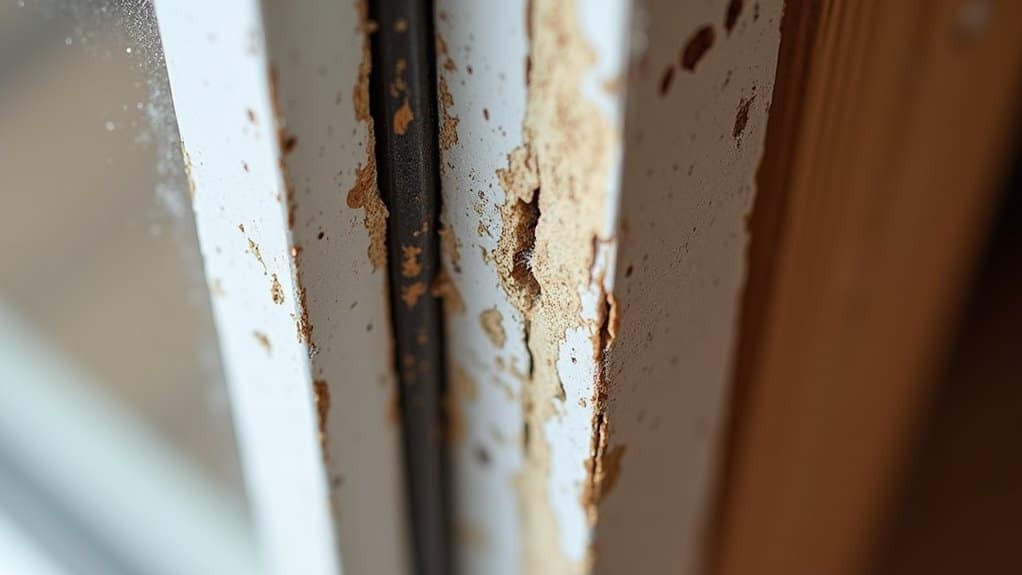
Even the most carefully installed exterior door seal system degrades over time, and catching early warning signs prevents costly moisture damage and energy loss. Inspect your door systematically for these failure indicators:
| Failure Sign | What It Means |
|---|---|
| Visible light around closed door | Immediate seal replacement techniques required |
| Drafts felt near frame on windy days | Weatherstripping compression or separation |
| Moisture accumulating inside door frame | Active water infiltration through deteriorated seals |
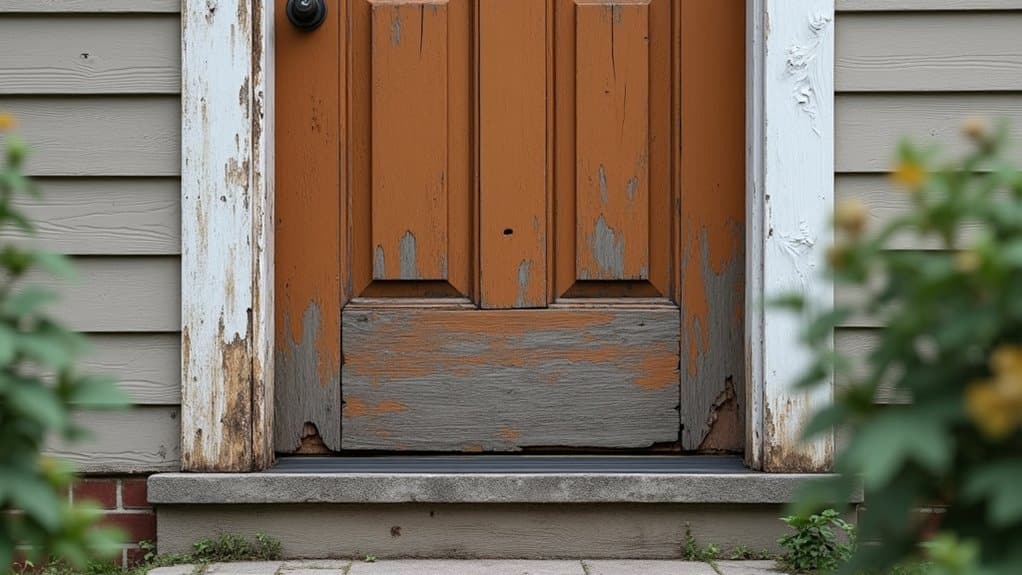
Beyond visible gaps, check your weatherstripping material directly. Brittle, flattened, or frayed material can’t maintain proper contact with the door frame. You’ll also notice outside noise penetrating more easily, signaling compromised sealing integrity.
Addressing these signs promptly protects your home energy efficiency by eliminating air exchange pathways that drive up utility costs unnecessarily.
Choose the Right Door Seal for Your Entry Door
Choosing the right seal for your entry door depends on your door’s material, frame condition, and climate exposure. Match each product to your specific conditions for effective thermal insulation and lasting energy efficient upgrades.
- Tension seals work best on older doors with minor air movement and straight frames.
- Bulb seals handle misaligned frames and harsh, wet climates with consistent compression.
- Magnetic seals deliver airtight closure on steel doors, resisting wind and temperature swings.
- Door bottom seals target under-door drafts using sweeps, double/triple draft seals, or automatic bottoms.
If your frame has large gaps or warping, skip tension seals and prioritize bulb or magnetic options instead.
How to Install Exterior Door Seals Without Professional Help
Installing exterior door seals yourself is straightforward when you follow a methodical sequence. Door frame inspection requirements include checking gaps exceeding standard width, which determines whether thicker strips are necessary. Close the door, mark seal positions, then pre-drill 1/8-inch pilot holes.
| Installation Stage | Action Required | Tool Needed |
|---|---|---|
| Surface Preparation | Clean stop moulding; remove old weatherstripping | Soapy water, scraper |
| Side and Top Seals | Press adhesive strips from top corner downward | Utility knife, pliers |
| Bottom Sweep | Cut, position, and tighten screws after adjustment | Hacksaw, screwdriver |
Proper weatherstripping techniques require crimping metal-backed strip ends, notching jamb strips 5 mm deep for latch clearance, and testing door compression repeatedly until no binding or drafts occur.
How Long Do Exterior Door Seals Last and When to Replace Them
Although exterior door seals don’t last forever, understanding their typical lifespans helps you plan maintenance and replacements before performance deteriorates. Seal longevity considerations vary considerably by door type and material:
Exterior door seals don’t last forever, but knowing their typical lifespans helps you plan smarter maintenance.
- Garage door weather seals last 10, 30 years depending on material quality and installation precision
- Entry door weatherstripping requires replacement every 8, 10 years, or sooner when drafts appear
- Patio door seals typically fail after 15, 25 years based on material grade and climate exposure
- Front door components can endure 20, 100 years depending on door material and maintenance consistency
Monitor these seal replacement signals: visible cracking, compressed gaskets, detectable drafts, and water infiltration around frames. Inspect seals every 6, 12 months and replace them based on performance decline rather than strict schedules alone.
Frequently Asked Questions
Can Exterior Door Seals Help Reduce Noise From Outside Entering My Home?
Yes, exterior door seals can greatly reduce outside noise entering your home. They work by eliminating gaps that allow sound waves to pass through, providing effective sound dampening along the door’s perimeter. You’ll achieve better acoustic insulation by sealing all four sides with rubber or silicone materials. Remember, even a 1% gap reduces effectiveness by 50%, so guarantee complete perimeter sealing with jamb seals, door sweeps, and threshold seals.
Do Exterior Door Seals Provide Any Fire or Smoke Protection Benefits?
Yes, exterior door seals can provide fire protection and smoke containment benefits. Intumescent seals expand under high temperatures, forming a dense barrier that blocks flames and hot gases. Cold smoke seals compress tightly when you close the door, preventing cold smoke from spreading throughout your home. Together, they’ll maintain your door’s fire-rated integrity, give you critical evacuation time, and minimize your risk of smoke inhalation during a fire emergency.
Are Exterior Door Seals Effective at Keeping Insects and Pests Out?
Exterior door seals are highly effective for insect exclusion and pest deterrence when properly installed. You’ll block entry points used by mice, rats, cockroaches, crickets, and stink bugs by applying door sweeps, weather stripping, and silicone caulk systematically. They don’t eliminate 100% of intrusions, so you’ll achieve prime results by combining seals with screens, copper mesh for rodent gaps, and a thorough Integrated Pest Management plan.
Can Weatherstripping Improve the Security and Forced Entry Resistance of Doors?
Yes, weatherstripping substantially enhances your door’s protective measures and forced entry resistance. Compressed seal materials strengthen frame-to-door contact, directly supporting fortified locking mechanisms by maintaining precise deadbolt and multi-point lock alignment. You’ll also benefit from improved structural soundness, as weatherstripping reduces frame warping and eliminates perimeter weak points that intruders exploit. Reinforced seal areas complement your existing hardware, while tamper-resistant installation provides visible indicators of forced entry attempts.
Does Weather Sealing Help Protect Door Frames From Warping and Structural Damage?
Yes, weather sealing actively helps protect from moisture damage and minimizes frame distortion by neutralizing temperature-driven expansion and contraction. You’ll shield door materials from environmental stresses that accelerate deterioration, preventing warping and swelling caused by moisture exposure and temperature extremes. EPDM rubber seals maintain flexibility from -40°F to 140°F, resisting freeze-thaw cycles that compromise structural integrity. Properly sealed frames extend door service life by 30-50% compared to unsealed installations.