
You'll need basic tools including a power drill, screwdriver, pliers, and safety gear to remove your storm door. Start by detaching the pneumatic closer and chain, then remove the door's hardware and handle assembly. Next, unscrew the hinges while supporting the door's weight, and ultimately remove the Z-bar frame components. With proper preparation and systematic approach, you can complete this project in under an hour – let's investigate each step in detail.
Gather Essential Tools and Safety Equipment

Four essential tools are required before removing a storm door: a power drill with screwdriver bits, a flathead screwdriver, pliers, and a pry bar. You'll find the power drill particularly useful for quickly removing multiple screws, while the flathead screwdriver helps detach stubborn components. The pliers provide grip for removing pins and other hardware, and the pry bar assists in separating door sections.
For proper tool selection, verify your drill bits match your door's screw types. Critical safety precautions include wearing safety glasses, work gloves, and steel-toed boots to protect against falling hardware and sharp edges. Position a drop cloth beneath your work area to catch loose screws and prevent them from becoming projectiles. Keep a sturdy step ladder nearby for accessing the door's upper portions safely.
Remove the Pneumatic Closer and Chain
Carefully unscrew the pneumatic closer's mounting brackets from both the door frame and door panel using your power drill. Hold the closer securely while removing the last screws to prevent it from falling. Set the closer and its mounting hardware aside in a safe location.
If your storm door has a chain instead of a pneumatic closer, you'll need to detach it from both connection points. Locate the chain's mounting brackets at the top of the door and on the door frame. Using your screwdriver, remove the screws securing these brackets. Be sure to maintain control of the door during chain removal, as it may swing freely once disconnected. Store the chain and its hardware with the other components you've removed for safekeeping or future reinstallation. Installation costs in 2026 are expected to rise significantly due to inflation and increased material expenses. It’s important to budget accordingly if you’re planning to undertake any home improvement projects. When replacing your storm door components, consider looking into affordable replacement glass options to ensure durability without breaking the bank.
Detach Door Hardware and Handle

Locate and remove all remaining door hardware, including the latch mechanism, handle assembly, and any decorative trim pieces. Most door handle types are secured with visible screws on both the interior and exterior sides. Use a screwdriver to remove these mounting screws, keeping them organized for future reference.
When removing locks, you'll need to detach both the exterior keylock and interior thumb-turn components. Start by loosening the screws connecting these pieces, then carefully separate them from the door. If your storm door has a mortise-style lock, you'll find extra screws inside the door's edge. After removing all hardware, inspect the mounting holes and edges for any remaining fasteners or adhesive that could interfere with the door's removal. Store all components together in a labeled container if you plan to reuse them.
Unscrew the Hinges From Frame
Begin removing the hinge screws while supporting the door's weight with a helper or doorstop. Most storm doors feature either piano hinges that run the length of the frame or three-point hinges at the top, middle, and bottom. You'll need a screwdriver that matches your hinge screws, typically Phillips or flathead.
For aluminum door materials, work carefully to avoid stripping the screw heads, as they can be delicate. Start with the bottom hinge screws initially, then move to the middle, and ultimately the top ones. If you're dealing with a piano hinge, remove screws systematically from bottom to top while maintaining steady pressure on the door. Keep track of all hardware components, as screw sizes may vary by hinge location and door manufacturer.
Remove the Z-bar Frame and Clean Up

Once the door is detached from its hinges, you'll need to tackle the Z-bar frame that surrounds the doorway. Start by locating all mounting screws securing the Z-bar to your door frame. Using a power drill with the appropriate bit, remove these screws systematically, working from top to bottom on each side.
After removing all hardware, carefully pull the Z-bar sections away from the frame. You might need a putty knife to break any paint seal or caulking. For proper z bar maintenance, inspect the removed pieces for damage or corrosion. Complete your frame cleaning by removing old caulk residue, weatherstripping, and mounting screw holes with wood putty. Wipe down the exposed door frame with a damp cloth to remove dust and debris. Once dry, you can either install a new storm door or repair and paint the existing door frame.
Frequently Asked Questions
How Long Does It Typically Take to Remove a Storm Door?
You'll typically need 30-45 minutes for a complete storm door removal process, though this time estimation can vary based on your experience level and the door's condition. If you've never removed one before, plan for up to an hour. The actual removal involves unfastening hinges, removing screws, and disconnecting the door closer. Complex situations, like corroded hardware or non-standard installations, might extend your working time to 90 minutes.
Can I Reuse the Storm Door After Removing It?
Yes, you can reuse your storm door after removal if you're careful during the storm door maintenance process. To guarantee reusability, properly disconnect all hardware, preserve the weatherstripping, and avoid bending the frame during removal. Store the door flat in a dry location to prevent warping. When you're ready for storm door installation again, inspect all components for damage, replace worn parts, and make sure the frame remains square.
Should I Remove the Storm Door During Specific Weather Conditions?
You'll want to remove your storm door during mild, dry weather conditions for ideal results. Avoid rainy or extremely windy days, as moisture can complicate the process and affect seasonal maintenance. While storm door benefits include protection from harsh weather, choosing a calm day between 60-75°F guarantees better control during removal and prevents potential damage to hardware. Furthermore, moderate temperatures help prevent thermal expansion of metal components.
What's the Best Way to Store a Removed Storm Door?
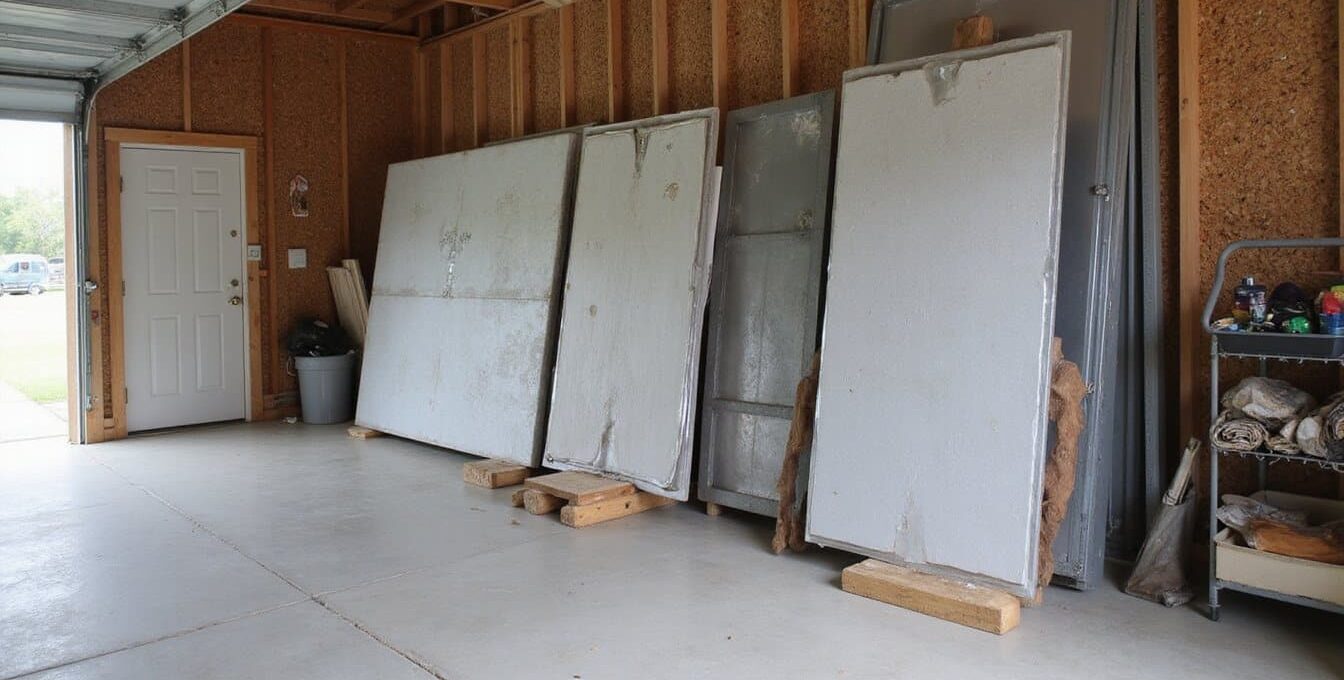
Store your storm door in a vertical position to prevent warping, ideally against a flat wall in your garage or basement. You'll want to use a proper storage solution like door brackets or lean it carefully at a slight angle. Cover the entire door with a protective covering such as moving blankets or a canvas tarp to shield it from dust, moisture, and accidental impacts. Confirm the storage area remains dry and temperature-controlled for maximum preservation.
Do I Need a Building Permit to Remove My Storm Door?
Generally, you won't need a building permit to remove a storm door, as this isn't considered a significant structural modification. However, it's prudent to check your local building codes and permit requirements, as regulations can vary by municipality. While most jurisdictions classify storm door removal as routine maintenance, some homeowners' associations might have specific rules about exterior modifications. If you're in a historic district, you'll need to verify any preservation guidelines.