
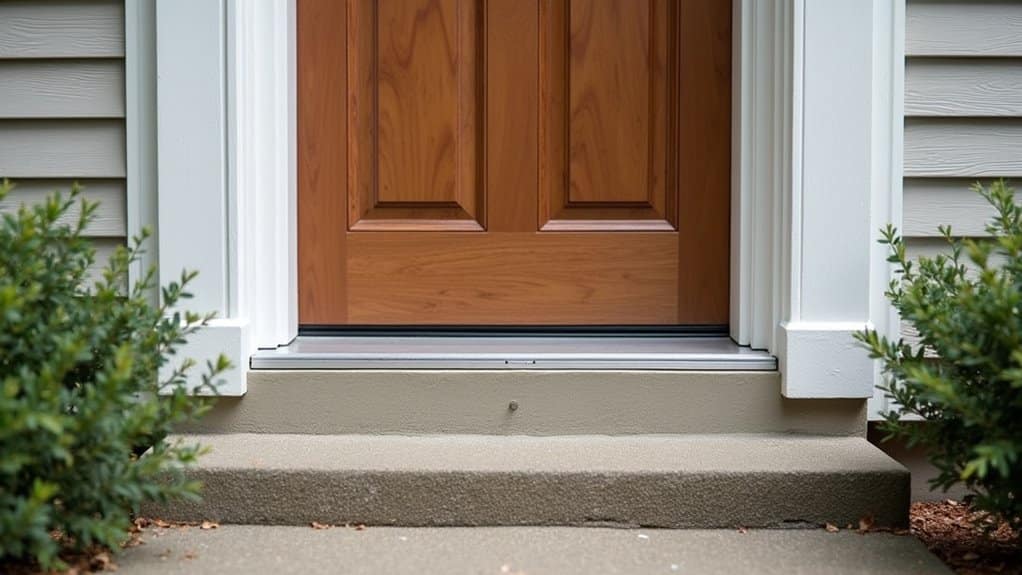
You might not realize how vulnerable your older home is to severe weather, but retrofitting it with advanced storm defense features could change that. By incorporating impact-resistant windows and fortified roofing solutions, you can greatly enhance your home's resilience while potentially lowering your insurance premiums. Plus, local incentives could make these upgrades more accessible than you think. However, the challenge lies in balancing aesthetics with safety—so where do you start? Understanding the options available to you could make all the difference.
Importance of Retrofitting
Retrofitting older homes is essential for protecting your property from severe weather events. As a homeowner, you're likely aware that climate change is increasing the frequency and intensity of storms. By retrofitting, you not only enhance your home's resilience but also safeguard your investment.
One of the significant advantages of retrofitting is the cost benefits. Investing in storm defense features can lower your insurance premiums and reduce repair costs after storms.
Additionally, many local governments and organizations offer homeowner incentives for retrofitting. These can include tax credits, grants, or low-interest loans, making it more affordable to upgrade your property. This financial support encourages you to take proactive steps in safeguarding your home.
Moreover, retrofitting can improve your property's overall value. Potential buyers often seek homes that have been updated with modern safety measures, giving you an edge in the real estate market.
Key Storm Defense Features
When retrofitting your home for storm defense, focusing on key features is essential.
You'll want to contemplate reinforced roof structures, impact-resistant windows, and flood barriers to enhance your protection.
These upgrades can considerably increase your home's resilience against severe weather events.
Reinforced Roof Structures
To withstand the fierce winds and heavy rains of severe storms, reinforced roof structures are essential for older homes. You'll want to take into account a storm resistant design that enhances your roof's ability to endure extreme weather conditions.
Start by evaluating your current roof's condition and identifying any weaknesses that could lead to damage during a storm. Structural upgrades, such as adding reinforced trusses or bracing, can greatly improve your roof's stability. These upgrades help distribute wind pressure more evenly, reducing the chances of your roof collapsing or sustaining critical damage.
Additionally, think about using materials that are specifically designed to withstand high winds, such as impact-resistant shingles or metal roofing.
Don't overlook the importance of secure attachments. Ensuring that your roofing materials are properly anchored to the underlying structure can make a world of difference in storm resilience.
Impact-Resistant Windows
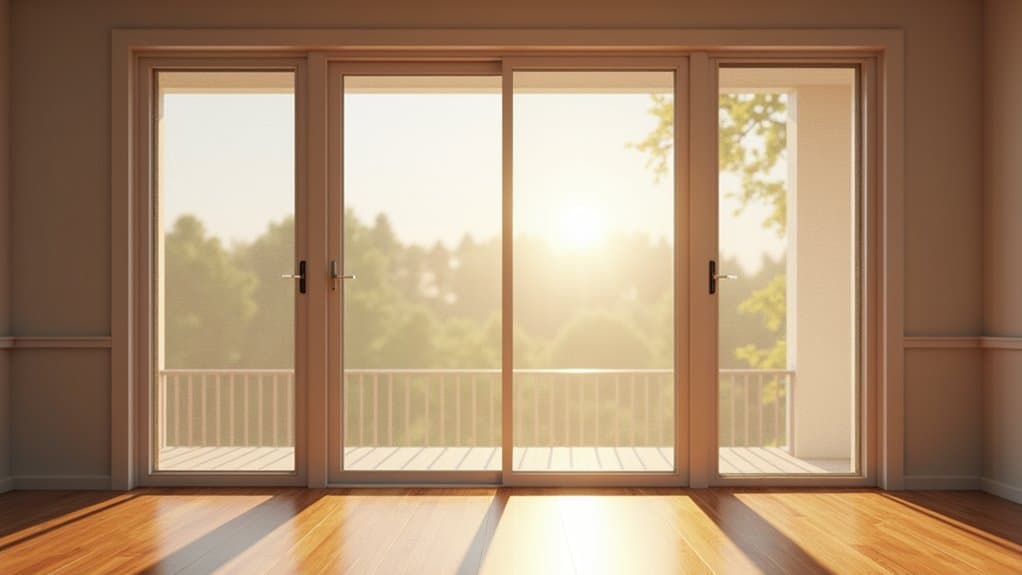
One of the most effective ways to protect your home during severe storms is by installing impact-resistant windows. These windows are designed to withstand high winds and flying debris, providing an essential barrier between your living space and the harsh elements outside.
When you invest in these windows, you're not just enhancing your home's storm defense; you're also making energy efficiency upgrades. Impact-resistant windows often have superior insulation properties, reducing energy loss and helping you save on energy bills.
In addition to their protective features, impact-resistant windows offer significant noise reduction benefits. If you live in a noisy area, these windows can help create a quieter, more peaceful environment inside your home.
This means you can enjoy a more comfortable living space, even during storms or when traffic is heavy outside.
Flood Barriers Installation
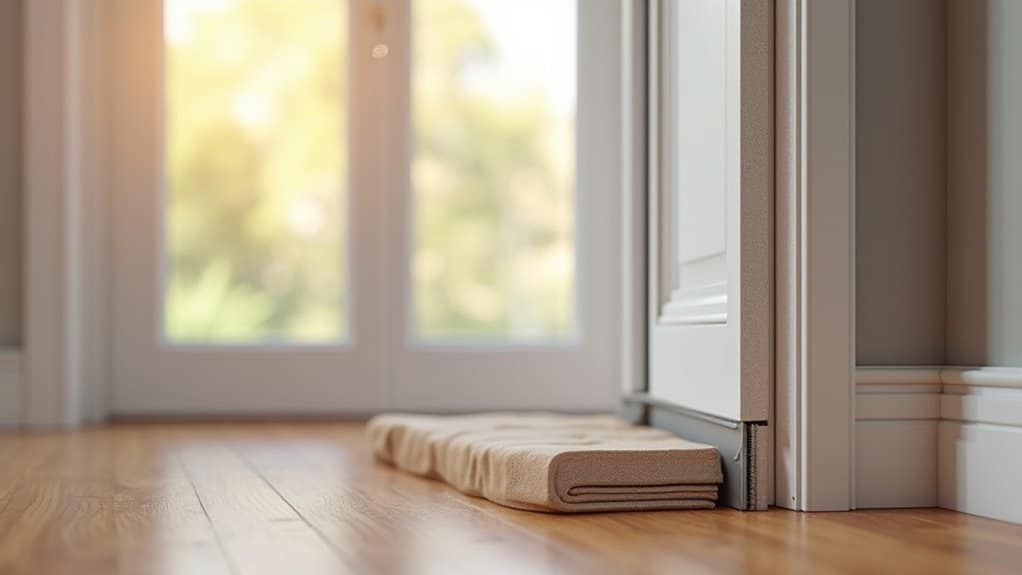
Flood barriers provide an essential line of defense against rising waters and storm surges, helping you safeguard your home from potential water damage. Installing these barriers is one of the most effective flood prevention methods you can implement.
When choosing the right flood barriers, consider various barrier materials that suit your home's needs and aesthetic. You might opt for inflatable barriers, which are easy to deploy and store, or rigid barriers made of concrete or metal for more permanent solutions. Each type offers unique advantages, so think about your specific situation and the level of protection you require.
Before installation, assess your property's flood risk and consult with professionals to determine the best locations for your barriers. Proper placement is vital; barriers should block entry points like doors, windows, and vents.
Once installed, regularly inspect your flood barriers for wear and tear, ensuring they remain effective when you need them most.
Impact-Resistant Windows
Impact-resistant windows are an essential upgrade for homeowners looking to enhance their storm defense. These windows can withstand strong winds and flying debris, protecting your home from costly damage during severe weather. By installing impact-resistant windows, you're not only safeguarding your property but also improving energy efficiency.
These windows are designed to minimize air leaks, reducing your heating and cooling costs year-round.
Additionally, you'll enjoy significant noise reduction. The thicker glass and advanced frame construction block outside sounds, creating a quieter indoor environment. This benefit is especially valuable if you live in a bustling area or near busy roads.
Moreover, impact-resistant windows often come with UV protection, which helps preserve your furnishings and flooring from sun damage. You can feel confident knowing that you're making a smart investment that enhances your home's durability and comfort.
When retrofitting your older home, consider the long-term advantages of impact-resistant windows. Not only do they offer peace of mind during storms, but they also contribute to a more energy-efficient and serene living space.
Ultimately, this upgrade is a proactive step towards safeguarding your home and enhancing your quality of life.
Fortified Roofing Solutions
When you're considering storm defense for your older home, fortified roofing solutions should be at the top of your list.
Using impact-resistant roofing materials not only protects against debris but also enhances the overall structural integrity of your roof.
Impact-Resistant Roofing Materials
Upgrading your home's roofing materials can greatly bolster its defenses against severe weather events. One of the most effective choices you can make is to install impact-resistant roofing materials. These roofs are specifically designed to withstand hail, high winds, and flying debris, reducing the chances of damage during storms.
When selecting impact-resistant options, consider materials like metal, asphalt shingles, or tiles that meet specific impact ratings. Not only do these materials enhance your home's durability, but they can also improve energy efficiency. Many impact-resistant roofs reflect sunlight better than traditional materials, helping to keep your home cooler and reducing energy costs.
Maintenance considerations are also essential. While these roofing materials are designed to be more resilient, regular inspections and upkeep are still necessary to guarantee their longevity.
Look for any loose shingles or debris that could compromise their effectiveness. By investing in impact-resistant roofing, you'll not only protect your home from severe weather conditions but also create a more energy-efficient environment.
This proactive approach can ultimately save you money and provide peace of mind during storm season.
Enhanced Structural Integrity
Choosing the right roofing materials is just the beginning of enhancing your home's storm resilience. To truly fortify your home against severe weather, you'll want to focus on enhanced structural integrity. This means implementing foundation upgrades and load bearing enhancements that provide a solid base for your roofing system.
Start with your roof's support structure. Reinforce it with additional load bearing enhancements, like truss bracing or collar ties, which help distribute wind loads more evenly. This will prevent your roof from bowing or collapsing under pressure.
Next, consider upgrading your foundation. A robust foundation can keep your home stable during high winds and flooding. You might explore options like reinforced concrete or steel piers to guarantee your home can withstand the forces of nature.
Flood Barriers and Drainage
Effective flood barriers and drainage systems are vital for safeguarding older homes against storm-related water damage. When retrofitting your home, consider installing flood barriers that can be deployed quickly during a storm. These barriers help redirect water away from your home and can greatly reduce the risk of flooding.
You should also focus on improving your drainage systems. Regular drainage maintenance is essential to guarantee that water flows away from your property efficiently. This involves cleaning gutters, downspouts, and any outdoor drainage channels to prevent blockages.
Don't overlook flood zone mapping when planning your retrofitting project. Knowing whether your home is in a flood-prone area allows you to make informed decisions about the types of barriers and drainage systems you need.
If your home is located in a high-risk zone, investing in more robust solutions is a wise choice.
Balancing Aesthetics and Safety
While safeguarding your home from floods is paramount, it's also important to contemplate how your retrofitting choices affect the overall look of your property. You want to create a balance between advanced storm defense features and the aesthetic appeal of your older home.
Start by considering design considerations that align with your home's unique character. For instance, flood barriers can be integrated into landscaping designs that complement your property's style rather than detract from it. Choose materials and colors that blend seamlessly with your existing architecture.
Moreover, if your home has historical significance, prioritize historical preservation. You can work with specialists who understand the nuances of retrofitting while maintaining your home's original charm.
Incorporating features like decorative storm shutters or stylish drainage systems can enhance both safety and visual appeal.
Frequently Asked Questions
How Much Does Retrofitting an Older Home Typically Cost?
When you're considering retrofitting an older home, the cost can vary considerably based on several factors.
You'll need to think about the condition of the existing structure, the specific retrofitting materials you choose, and any labor costs involved.
Typically, you might expect to spend anywhere from a few thousand to tens of thousands of dollars.
It's crucial to get detailed quotes and consider both short-term and long-term benefits of your investment.
Are There Government Incentives for Retrofitting Storm Defenses?
Yes, there are government incentives for retrofitting storm defenses. You can explore federal grants that help cover costs, making it more affordable for you.
Additionally, many local programs offer financial assistance or tax credits to encourage homeowners to improve their properties.
By taking advantage of these resources, you can enhance your home's protection while saving money.
It's worth researching what's available in your area to maximize your benefits.
How Long Does the Retrofitting Process Take?
The retrofitting timeline can vary based on the project's complexity and size.
Generally, you might expect the project duration to range from a few weeks to several months.
Factors like your home's existing structure, the materials used, and the extent of the modifications all play a role.
To get a clearer idea, consult with professionals who can provide a detailed timeline based on your specific needs and conditions.
Can I Retrofit My Home Myself, or Should I Hire a Professional?
You can definitely consider DIY retrofitting, especially if you have some handy skills and a clear plan.
However, it's often wise to seek professional consultation, particularly for complex features or safety concerns. A professional can guarantee everything's up to code and provide insights you might overlook.
Weigh your confidence and experience against the potential risks, and you'll find the right balance for your project.
Always prioritize safety and effectiveness in your decisions.
Will Retrofitting Affect My Home Insurance Premiums?
Yes, retrofitting can affect your home insurance premiums.
When you upgrade your home with storm defense features, you might qualify for insurance discounts. These improvements often lower the risk of damage, leading insurers to adjust your premium.
It's smart to contact your insurance provider before making changes. They can inform you about potential discounts and the extent of premium adjustments, ensuring you maximize your savings while enhancing your home's safety.
Conclusion
Retrofitting your older home with advanced storm defense features isn't just a smart investment; it's an essential step toward ensuring your safety and peace of mind. By implementing impact-resistant windows, fortified roofing, and effective flood barriers, you're not only protecting your property but also enhancing its value. Plus, with potential incentives from local governments, you're making a wise financial choice. So, take action now and boost your home's resilience against the unpredictable forces of nature.