


When it comes to protecting your home from severe weather, you might underestimate the importance of proactive measures. Regular inspections of your property can reveal hidden vulnerabilities, and simple reinforcements can make a significant difference. You may not realize that an emergency preparedness plan is just as essential as physical protections, ensuring your family's safety in a crisis. As you consider these factors, think about how well you're equipped to handle the unpredictable nature of severe weather—and what steps you might need to take next.
Understanding Severe Weather Risks
When it comes to understanding severe weather risks, you're not just looking at forecasts; you're evaluating potential impacts on your home and safety. Severe weather patterns are becoming increasingly unpredictable due to climate change impacts, making it essential to stay informed. You need to recognize the specific threats your area faces, whether it's hurricanes, heavy rainfall, or extreme heat.
Start by evaluating your home's vulnerability to different severe weather scenarios. For instance, if you live in a flood-prone area, consider how heavy rain could affect your property. Look at historical data to identify trends in severe weather events; this can help you anticipate future risks.
Moreover, understanding climate change impacts means acknowledging that storms may become more intense and frequent. It's not just about reacting to severe weather; it's about preparing for it.
You've got to think ahead and implement protective measures, like reinforcing your roof or installing storm shutters. By being proactive, you can meaningfully reduce potential damage and safeguard your family's well-being during severe weather events.
Stay informed, stay prepared, and take action to protect your home against the shifting climate landscape.
Essential Home Inspections
When it comes to protecting your home from severe weather, conducting essential inspections is key.
You need to assess your home's structural integrity, maintain your roof and gutters, and guarantee your windows and doors are properly sealed.
These steps can markedly enhance your home's resilience against harsh conditions.
Structural Integrity Assessment
A thorough structural integrity assessment is essential for ensuring your home can withstand severe weather conditions. You need to identify any structural weaknesses that could compromise your safety during storms or high winds.
Start by examining the foundation for cracks or signs of settling, as these can indicate serious issues. Look closely at walls, beams, and columns for any signs of sagging or bowing.
Using effective assessment techniques, like visual inspections and load calculations, will help you determine the overall stability of your home. Don't overlook your home's framing, as compromised studs or trusses can lead to catastrophic failures in severe weather.
It's also wise to check for any signs of water damage, which can weaken materials over time.
Consider hiring a professional inspector if you're unsure about conducting the assessment yourself. They can provide a detailed analysis and recommend necessary repairs or reinforcements.
Roof and Gutter Maintenance
Maintaining your roof and gutters is important for protecting your home from severe weather. Regular roof inspections can help you catch potential issues before they escalate into costly repairs. Look for signs of wear, such as missing shingles, cracks, or sagging areas.
It's a good idea to schedule these inspections at least twice a year, ideally in the spring and fall, to guarantee your roof remains in top shape.
Gutter cleaning is equally important. Clogged gutters can lead to water backup, causing damage to your roof and siding, and even creating a breeding ground for pests. Clear leaves, twigs, and debris from your gutters regularly, especially after storms or heavy winds.
If you're not comfortable doing this yourself, hiring a professional can save you time and make sure the job is done safely.
Both tasks may seem simple, but they play a significant role in maintaining your home's integrity. By staying proactive with roof inspections and gutter cleaning, you'll not only extend the life of your roof but also protect your home from the damaging effects of severe weather.
Don't wait until it's too late; take action now!
Window and Door Sealing
Sealing windows and doors is vital for protecting your home from severe weather and energy loss. Gaps and leaks can allow wind, rain, and even snow to enter, causing damage and increasing your energy bills.
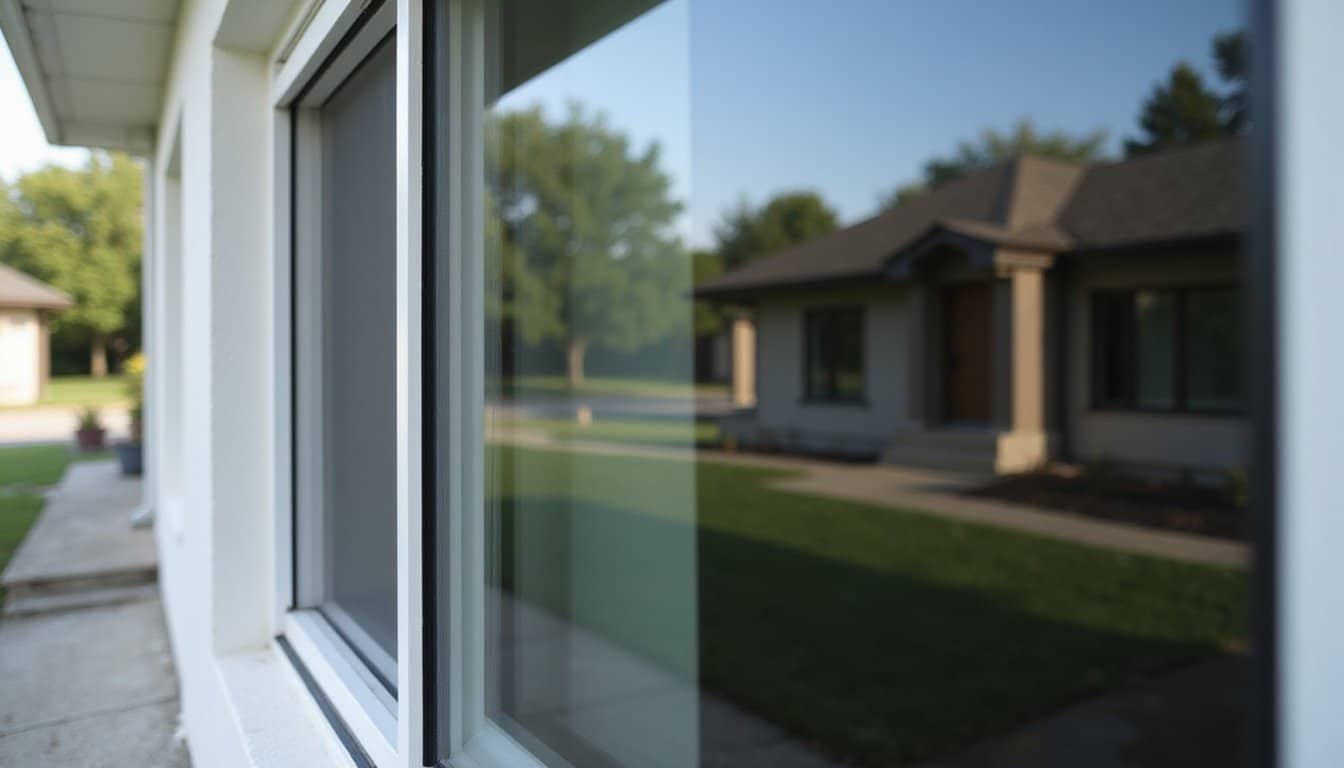
Start by checking your window insulation; it should fit snugly without cracks or holes. If you notice any issues, consider adding weatherstripping or caulking to seal those gaps effectively.
For doors, door weatherstripping is significant. Inspect the seals around your doors to guarantee they're intact. Replace any worn-out weatherstripping, as it plays a key role in keeping the elements outside where they belong. You can choose from various materials, such as foam, vinyl, or metal, depending on your door type and climate.
Once you've sealed your windows and doors, your home will be much more resilient against severe weather. You'll also enjoy improved energy efficiency, as conditioned air will stay inside, reducing your heating and cooling costs.
Regular inspections and maintenance of your window insulation and door weatherstripping will go a long way in fortifying your home against the harshest conditions.
Strengthening Your Home's Structure
To protect your home from severe weather, you need to strengthen its structure.
Start by reinforcing your roof framework, securing windows and doors, and bolstering foundation supports.
These essential steps can make a significant difference in your home's resilience against harsh conditions.
Reinforce Roof Framework
A strong roof framework is essential for protecting your home against severe weather. To guarantee your roof can withstand high winds and heavy snow, you should focus on an effective roof truss design. Trusses are triangular structures that provide stability and help distribute loads evenly across your roof. By reinforcing these trusses, you're increasing their strength and enhancing their ability to handle severe weather conditions.
Start by inspecting your current roof truss design. Look for any signs of wear or damage that could compromise their integrity. If you find weak points, contemplate adding additional bracing or replacing damaged components. This not only improves load distribution but also minimizes the risk of catastrophic failure during a storm.
You might also want to think about using engineered wood or metal trusses for added strength and durability. These materials can handle increased loads better than traditional lumber.
Additionally, confirm that all connections are secure and that the trusses are properly anchored to the walls of your home. By taking these steps to reinforce your roof framework, you'll greatly enhance your home's resilience against severe weather.
Secure Windows and Doors
After reinforcing your roof framework, it's time to turn your attention to securing windows and doors. These entry points can be vulnerable during severe weather, but taking the right steps can protect your home and loved ones.
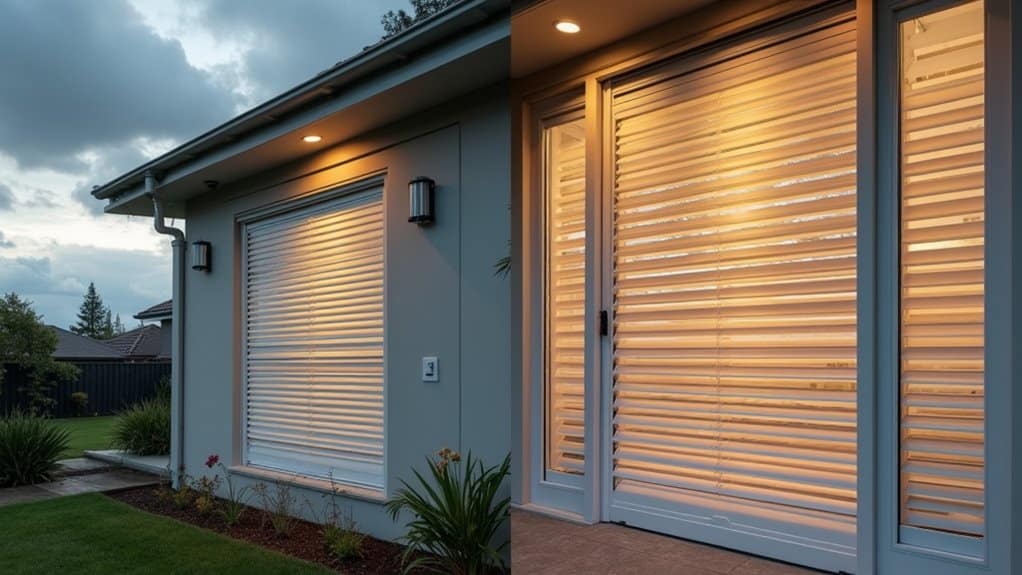
Start by installing storm shutters, which act as a barrier against flying debris and high winds. They not only safeguard your windows but also provide peace of mind.
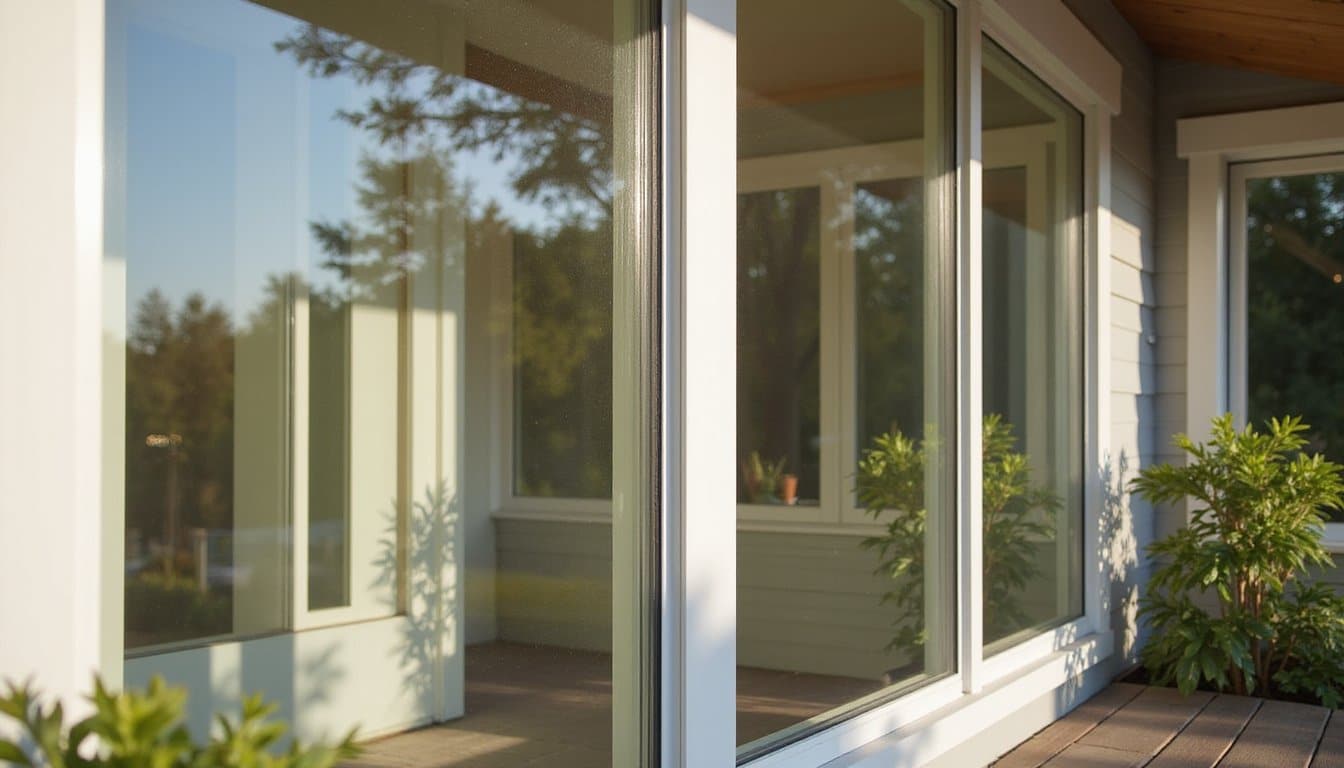
Consider upgrading to impact resistant glass. This type of glass is designed to withstand harsh conditions, reducing the risk of shattering during a storm.
Here are some essential measures to enhance your home's security:
- Install sturdy deadbolts on all exterior doors.
- Use window locks to secure each window tightly.
- Reinforce door frames with metal plates.
- Apply weather stripping to prevent air leaks.
- Maintain an emergency kit easily accessible near your exits.
Strengthen Foundation Supports
Foundation supports are the backbone of your home, providing stability and strength against severe weather. To guarantee your home can withstand the elements, it's vital to assess and strengthen these supports.
Start by identifying the foundation types your home has—such as slab, crawl space, or basement—and determine what support materials are currently in place.
If your home uses concrete piers or steel columns, check for any signs of wear or damage. Reinforcing these supports with additional materials, like steel braces or concrete footings, can greatly enhance stability.
For homes with wooden posts, consider replacing them with treated lumber or steel alternatives, which offer better resistance to moisture and pests.
Don't forget to inspect your foundation for cracks or settling issues, which can compromise support. Filling cracks with epoxy and using underpinning techniques can help restore your foundation's integrity.
Finally, guarantee proper drainage around your home to prevent water from eroding your foundation supports. By taking these steps, you'll strengthen your home's structure and improve its resilience against severe weather.
Creating an Emergency Preparedness Plan
When it comes to severe weather, having a well-thought-out emergency preparedness plan can make all the difference. You need to guarantee your family's safety, so take the time to create a thorough plan.
Start by identifying your emergency contacts and sharing them with everyone in your household. Make sure everyone knows how to reach these contacts during a crisis.
Next, outline your evacuation routes. Familiarize yourself with local shelters and safe areas. It's vital to have multiple options in case your primary route is blocked.
To evoke emotion and urgency, consider these important items for your plan:
- A designated meeting place if you get separated
- A communication strategy for when cell networks fail
- An emergency kit stocked with food, water, and first-aid supplies
- A list of important documents to grab in case of evacuation
- Regular drills to keep everyone prepared and calm
Making your emergency preparedness plan now can save lives later. Don't wait for a storm to hit—act today for peace of mind tomorrow.
Your family deserves to feel safe and ready, no matter what nature throws your way.
Insurance Considerations for Homeowners
Understanding your insurance options can make a significant difference in protecting your home against severe weather. Start by reviewing your current insurance policy to guarantee it covers the specific risks associated with severe weather in your area, such as floods, hurricanes, or tornadoes.
Many standard homeowners' policies may not include these perils, so you might need to purchase additional coverage or a separate policy.
When a severe weather event occurs, knowing the claims process is essential. Familiarize yourself with how to file a claim quickly and efficiently. Document damages as soon as it's safe to do so, taking photos and making lists of affected items. This documentation will be critical for your insurance adjuster.
Additionally, keep your policy information readily accessible and stay in regular contact with your insurance agent. This way, you can address any questions or concerns promptly.
Community Resources and Support
Community resilience plays an essential role in recovering from severe weather events, and knowing where to turn for help can make all the difference. By tapping into available community resources, you can find the support you need to navigate these challenging times.
Engage with local outreach initiatives that connect you to crucial services, information, and fellow residents who share your experiences.
Consider participating in local workshops focused on emergency preparedness and recovery strategies. These gatherings not only equip you with knowledge but also foster a sense of belonging and solidarity within your community.
Here are some resources you might find helpful:
- Emergency response teams ready to assist you
- Community shelters that provide safe refuge
- Support groups offering emotional guidance
- Access to financial aid for recovery efforts
- Workshops teaching home protection techniques
Frequently Asked Questions
What Are the Best Materials for Weather-Resistant Roofing?
When you're looking for the best materials for weather-resistant roofing, consider metal roofs and impact-resistant shingles.
Metal roofs are durable and can withstand harsh conditions, while impact-resistant shingles offer great protection against hail and debris.
Both options provide excellent longevity and energy efficiency.
How Can I Protect My Windows From Severe Storms?
To protect your windows from severe storms, consider installing window shutters. They act as a sturdy barrier against flying debris, reducing the risk of breakage.
Additionally, using impact-resistant glass can greatly enhance your window's durability. This type of glass is designed to withstand strong winds and impacts, keeping your home safer during harsh weather.
Should I Install a Backup Generator for Power Outages?
You should definitely consider installing a backup generator for power outages. It guarantees you've got electricity when you need it most.
Regular generator maintenance is essential; it keeps your system running smoothly and ready for action. You won't want to be caught off guard.
When the power goes out, a generator can facilitate quick power restoration, allowing you to maintain comfort and safety in your home.
It's a smart investment for peace of mind.
What Are the Signs of Potential Structural Damage After a Storm?
After a storm, you should look for signs of potential structural damage.
Check for cracked walls, uneven floors, or doors that won't close properly. Inspect your roof for missing shingles or leaks.
An inspection checklist can help you systematically assess your home. Don't forget to examine windows for cracks and look for water stains inside.
If you notice any major issues, it's crucial to consult a professional for further evaluation.
How Can I Create a Safe Room in My Home?
To create a safe room in your home, start by choosing a small, interior space like a basement or a windowless room.
Use sturdy construction methods, such as reinforced walls and a solid door.
Install a ventilation system to guarantee airflow.
Consider adding a communication device, first aid kit, and emergency supplies.
Make certain the room is easily accessible and regularly check its readiness.
Your safe room can provide peace of mind during emergencies.
Conclusion
By taking proactive steps to protect your home from severe weather, you can greatly reduce risks and enhance safety for your family. Regular inspections, structural reinforcements, and a solid emergency plan are essential in safeguarding your property. Don't forget to review your insurance coverage and tap into community resources for additional support. With these measures in place, you'll be better equipped to face whatever nature throws your way, ensuring peace of mind during unpredictable weather events.