
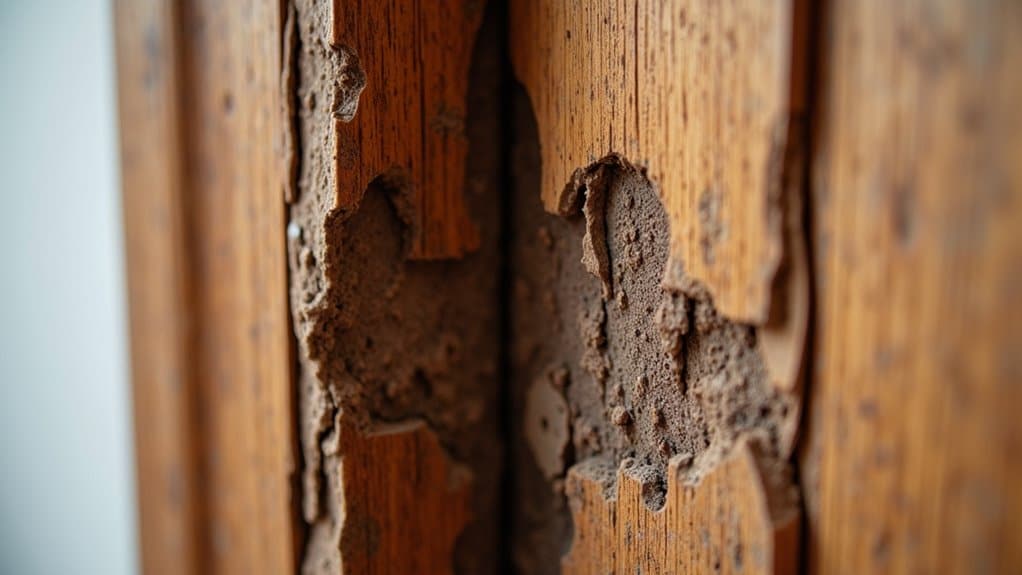
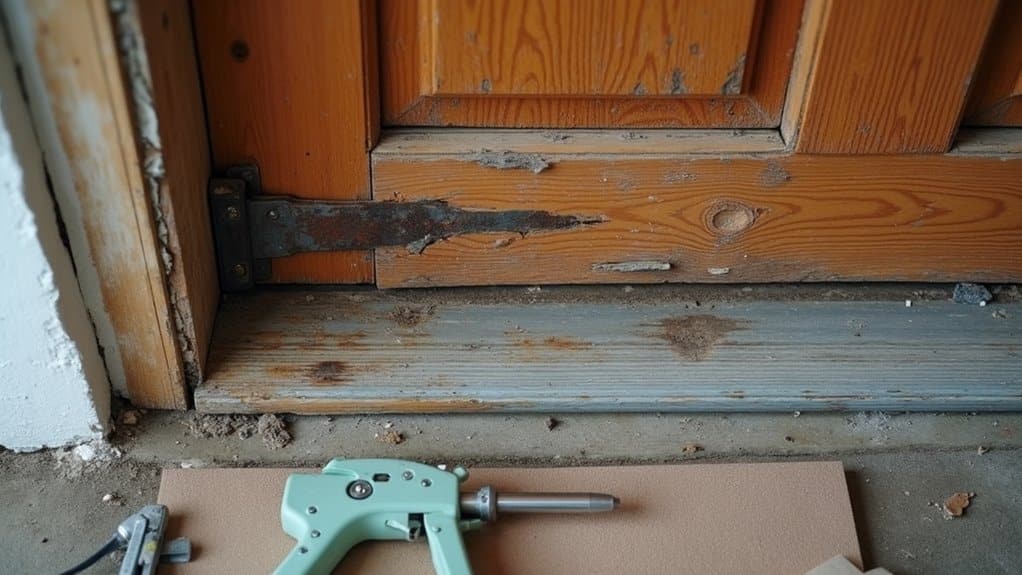

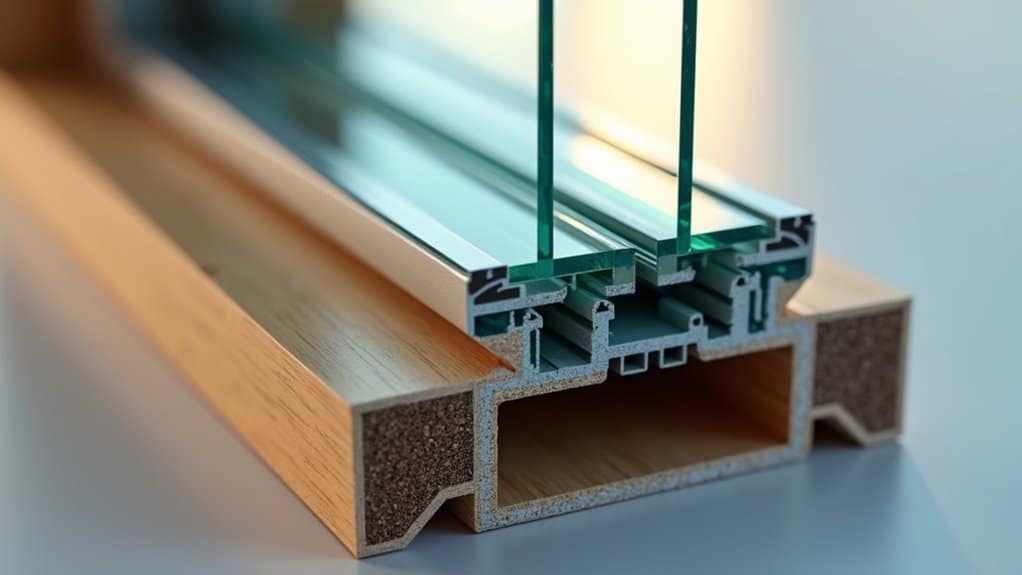
When you think about storm defense, you might picture sturdy levees or intricate drainage systems that have stood the test of time. While these traditional methods have their merits, they also come with significant drawbacks, especially in today's rapidly changing climate. On the other hand, modern solutions are stepping in with cutting-edge technology and innovative materials that promise greater adaptability and efficiency. The question is, which approach truly offers the best protection? Consider the implications of each method as we explore their effectiveness in an increasingly unpredictable world.
Overview of Traditional Solutions
Traditional storm defense solutions primarily focus on physical barriers and engineering practices designed to mitigate the impact of severe weather. You might think of levees, sea walls, and drainage systems as the backbone of these strategies.
Historically, communities have relied on techniques like sandbagging and natural vegetation to absorb floodwaters. These historical techniques not only reflect the ingenuity of past generations but also highlight the significance of local knowledge and practices that have stood the test of time.
Community involvement plays an important role in these traditional methods. You're likely familiar with neighborhood efforts to build barriers or restore wetlands, which enhance the area's natural defenses.
When you participate in such initiatives, you're not just helping protect your property; you're also fostering a sense of shared responsibility and resilience among your neighbors. Engaging with local organizations or government programs can amplify these efforts, ensuring that everyone has a stake in safeguarding the community.
While these traditional solutions can be effective, they also require ongoing maintenance and adaptation to changing climate conditions.
Advantages of Traditional Methods
When you consider the advantages of conventional storm defense methods, their reliability and proven effectiveness stand out. These traditional approaches, such as levees and floodwalls, have been used for generations and have a track record that speaks for itself. You'll find that many communities rely on these systems because they're often based on extensive historical data and local knowledge, which helps in tailoring solutions to specific needs.
Moreover, traditional methods foster community engagement. When locals participate in planning and maintaining these defenses, they develop a sense of ownership and responsibility. This involvement not only strengthens community bonds but also guarantees that everyone understands the importance of these measures in protecting their homes and livelihoods.
Additionally, traditional storm defenses carry historical significance. They often reflect the culture and practices of a region, serving as a reminder of the challenges faced by previous generations. By preserving these methods, you honor the past while guaranteeing continued protection for the future.
To summarize, conventional storm defense methods offer reliability, community involvement, and a connection to history, making them valuable assets in your storm preparedness strategy.
Limitations of Traditional Approaches
While traditional storm defense methods have their advantages, they come with significant drawbacks.
You'll find that high maintenance requirements can strain resources, making them less sustainable over time.
Additionally, their limited adaptability to changing conditions means they mightn't always offer the protection you need in the face of evolving climate challenges.
High Maintenance Requirements
Storm defense solutions often come with high maintenance requirements that can strain resources and budgets. When you consider traditional approaches, you'll find that the maintenance costs can be notably high, leading to challenging resource allocation decisions.
Regular upkeep demands consistent labor requirements, which can impact your operational efficiency. You may find yourself reallocating resources that could be better used elsewhere.
Additionally, the reliability of older equipment can be inconsistent, increasing the service frequency needed to keep it operational. This not only drives up costs but can also jeopardize long-term sustainability efforts.
As equipment ages, you might face more frequent breakdowns, which can have a ripple effect on your overall storm defense strategy.
Moreover, the environmental impact of maintaining traditional systems often gets overlooked. The resources needed for repairs and replacements can contribute to a larger carbon footprint, conflicting with sustainability goals.
In this situation, high maintenance requirements become a considerable limitation, making it essential to weigh the benefits and drawbacks of traditional solutions carefully.
Adopting modern strategies may provide you with more efficient, cost-effective options that require less ongoing maintenance.
Limited Adaptability to Change
Traditional storm defense solutions often struggle to adapt to changing environmental conditions and evolving regulations. These systems, often designed decades ago, can't keep pace with the increasing frequency and intensity of storms due to climate change.
You might find that these outdated approaches lack the flexibility needed to implement effective resilience strategies. As conditions shift, relying solely on traditional methods can leave your community vulnerable.
Moreover, the lack of community involvement in these systems can hinder their effectiveness. When communities aren't engaged in the planning and implementation of storm defenses, you miss out on local knowledge and innovative ideas that could enhance adaptability.
While traditional solutions often focus on a one-size-fits-all approach, modern strategies emphasize collaboration and tailored solutions that reflect the unique needs of each community.
Emergence of Modern Innovations
As storms become more unpredictable, you're likely noticing how modern innovations are reshaping defense strategies.
Smart technology integration, eco-friendly materials, and data-driven decision-making are revolutionizing how we prepare for and respond to these natural threats.
Embracing these advancements not only enhances safety but also promotes sustainability in storm defense.
Smart Technology Integration
In today's fast-paced world, integrating smart technology into storm defense systems is revolutionizing how we prepare for and respond to severe weather. You can harness the power of smart sensors to monitor environmental conditions in real time, giving you critical data when it matters most.
Predictive analytics allows you to anticipate storm patterns and plan accordingly, reducing potential damage and enhancing safety. Automated response systems can act quickly to deploy protective measures, minimizing human error and response time.
With remote monitoring capabilities, you can keep an eye on multiple locations from anywhere, ensuring you're always informed. Real-time adjustments to your strategies can be made based on the latest data, allowing for a dynamic approach to storm defense.
Integrated systems streamline communication between various technologies, ensuring seamless operation and enhanced efficiency. Plus, user-friendly interfaces make it easy for anyone to manage these advanced tools, regardless of technical expertise.
Cloud connectivity provides secure access to your storm defense data from any device, ensuring you stay connected and informed. By embracing these innovations, you can markedly enhance your storm preparedness and response strategies.
Eco-Friendly Materials Usage
With an increasing awareness of environmental impact, the use of eco-friendly materials in storm defense solutions is gaining momentum. You'll find that sustainable materials are becoming the go-to choice for many innovators. Instead of traditional concrete and steel, which can be resource-intensive, modern solutions often incorporate recycled plastics, bamboo, and other renewable resources.
These materials not only reduce waste but also minimize the carbon footprint associated with storm defense structures.
By embracing green technologies, you can help create resilient systems that protect against extreme weather while being gentle on the planet. For instance, permeable pavements made from sustainable materials allow water to drain naturally, reducing flood risks and promoting groundwater replenishment.
Additionally, using living shorelines instead of hard structures can enhance coastal resilience while supporting local ecosystems.
As you explore your options, consider how innovative designs can leverage these eco-friendly materials. They don't just contribute to a healthier environment; they also often bring long-term cost savings through durability and reduced maintenance needs.
Investing in storm defense solutions that prioritize sustainability won't only protect your property but also guarantee a safer, greener future for everyone.
Data-Driven Decision Making
Harnessing data-driven decision making transforms how storm defense solutions are developed and implemented. By leveraging data analytics, you can gain insights into patterns and trends that were previously difficult to detect. This approach allows you to assess risks more accurately, enabling better resource allocation and planning.
Predictive modeling plays an essential role in this process. With advanced algorithms, you can forecast potential storm impacts based on historical data and real-time weather information. This means you can anticipate challenges before they arise, allowing for proactive measures instead of reactive responses.
When you incorporate these modern innovations into your storm defense strategies, you're not just reacting to storms; you're strategically preparing for them. Data-driven decision making enhances collaboration among various stakeholders, from engineers to emergency responders, ensuring that everyone is on the same page.
Ultimately, adopting a data-centric mindset in storm defense solutions empowers you to create more resilient infrastructures. By continuously analyzing and refining your strategies based on data, you not only protect communities more effectively but also foster a culture of innovation in disaster management.
Embrace this shift, and you'll be better equipped to face the challenges posed by severe weather events.
Benefits of Modern Solutions
Modern storm defense solutions offer a range of benefits that can considerably enhance your safety and preparedness. One of the key advantages is their sustainability impact. By utilizing advanced materials and renewable resources, these solutions reduce environmental harm while effectively managing storm risks.
You'll find that modern systems prioritize eco-friendliness, helping you contribute to a healthier planet.
Cost efficiency is another significant benefit. Traditional methods often involve high maintenance expenses and frequent repairs, whereas modern solutions are designed to be durable and low-maintenance.
This means you can save money in the long run, allowing you to allocate your budget to other important areas of your life or community.
Additionally, modern technology enables real-time monitoring and data analysis, giving you insights that can help you prepare for storms more effectively.
This proactive approach not only keeps you safer but also minimizes potential damage to your property.
Comparing Effectiveness of Both Methods
When you compare the effectiveness of traditional storm defense methods to modern solutions, it's clear that innovation plays an essential role. Traditional methods, like levees and seawalls, have a historical context rooted in long-term use and proven reliability. However, their effectiveness can be limited, especially against unprecedented storm surges.
On the other hand, modern solutions, such as green infrastructure and advanced forecasting technologies, leverage performance metrics that showcase their adaptability and efficiency. For example, while a levee might withstand a certain height of water, modern flood barriers can adjust dynamically based on real-time data, offering a more responsive defense.
Moreover, modern methods often incorporate sustainable practices, reducing environmental impact while enhancing resilience. You'll find that cities adopting these innovative solutions report lower damage costs and faster recovery times post-storm.
In essence, while traditional methods have their merits, the evolving landscape of storm defense highlights the superiority of modern solutions in tackling today's challenges.
Frequently Asked Questions
How Do Costs Compare Between Traditional and Modern Storm Defense Solutions?
When you conduct a cost analysis, you'll notice that budget considerations play a vital role in determining the best storm defense solution.
Traditional methods often come with upfront costs that can be significant, while modern options might offer long-term savings through efficiency and resilience.
You'll need to weigh initial investments against potential future expenses, looking closely at maintenance and repair costs to make the most informed decision for your needs.
What Are the Environmental Impacts of Each Defense Method?
When considering the environmental impacts of storm defense methods, you'll notice that some solutions can lead to ecosystem disruption. They might alter water flow, impacting local wildlife and plant life.
On the other hand, some methods prioritize habitat preservation, promoting biodiversity and maintaining natural landscapes.
It's crucial to weigh these factors, as your choices can greatly influence the health of the surrounding environment and contribute to the resilience of local ecosystems.
How Do Local Regulations Affect Storm Defense Choices?
Local regulations play an essential role in shaping your storm defense choices.
Zoning laws dictate land use, while permit requirements guarantee compliance with building codes. Floodplain management helps you evaluate risk areas, guiding your decisions.
Additionally, insurance regulations can influence your options by affecting costs and coverage.
Community planning initiatives often prioritize sustainable practices, leading you to contemplate innovative solutions that align with both regulations and long-term safety goals for your area.
Can Community Involvement Improve Storm Defense Effectiveness?
Absolutely, community involvement can greatly improve storm defense effectiveness.
When you engage your neighbors, you foster public awareness about potential risks and preparedness measures. By organizing workshops or local meetings, you build a strong network of informed citizens who can respond quickly during emergencies.
This collective effort enhances communication and resource sharing, ensuring everyone knows their role in storm defense.
Ultimately, an engaged community is better equipped to withstand and recover from storms.
What Role Does Technology Play in Traditional Storm Defense Methods?
Technology enhances traditional storm defense methods by integrating historic techniques with adaptive strategies.
You can leverage data analytics to improve prediction accuracy, ensuring timely responses.
Sensors and drones help monitor conditions, allowing you to adapt your defenses as storms approach.
By combining these innovations with established practices, you create a more resilient system.
It's not just about preserving the past; it's about evolving to meet future challenges effectively.
Embrace these tools for better protection.
Conclusion
In comparing traditional and modern storm defense solutions, it's clear that innovation is key. While traditional methods have their advantages, they often fall short in adaptability and cost-effectiveness. Modern approaches leverage smart technology and eco-friendly materials, offering enhanced resilience and sustainability. By embracing these advancements, you can guarantee better protection for your community against severe weather. Ultimately, choosing modern storm defense solutions not only reduces damage costs but also prepares you for the challenges of a changing climate.