
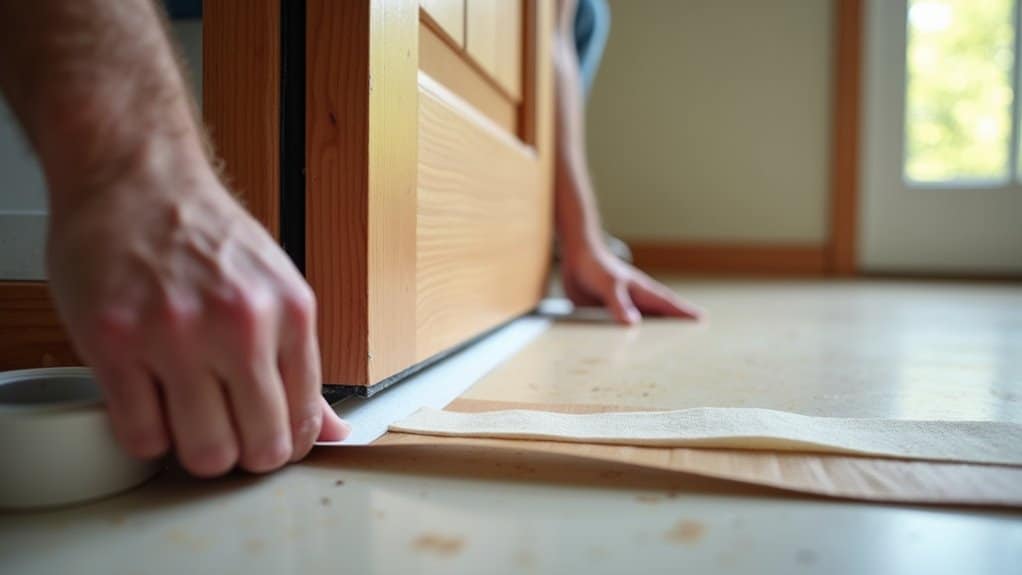
A storm door adds an extra layer of protection and functionality to your home's entrance. You'll benefit from improved energy efficiency, bolstered security, and better ventilation control. Choose between full-view doors for maximum light, ventilating doors for airflow, or security doors for added protection. Today's options come in aluminum, wood, or vinyl, with prices ranging from $200-$1,500 installed. Understanding your specific needs will guide you in the ideal storm door solution.
Types of Storm Doors and Their Features

Three main types of storm doors dominate the residential market: full-view, ventilating, and security doors. Full view doors feature a large glass panel that optimizes natural light and provides unobstructed views of your entryway. Many models come with retractable screens you can easily slide down during warmer months for ventilation.
Ventilating storm doors include removable glass panels that you can swap with screens seasonally. These doors typically offer better airflow control and are ideal if you're looking to reduce energy costs. Security storm doors incorporate heavy-duty frames, multiple locks, and protective grilles. They're constructed with reinforced corners and tempered safety glass or metal screens to resist forced entry. You'll find these doors available in a range of styles, from traditional to contemporary, to complement your home's architecture.
Benefits of Installing a Storm Door
Installing a storm door offers year-round energy benefits as you'll reduce heat loss in winter and minimize cooling costs in summer through improved insulation and ventilation control. Your home's security gets an immediate enhancement from the supplementary locking mechanisms and reinforced glass or screen panels that storm doors provide. You'll also appreciate how a well-installed storm door creates an extra barrier between your main entry door and potential intruders, while still allowing you to safely check who's at your doorstep.
Energy Savings Year-Round
A well-installed storm door can reduce energy loss by up to 50% during peak heating and cooling seasons. You'll notice immediate cost reduction in your utility bills as the supplementary barrier prevents heated or cooled air from escaping your home. The door's energy efficiency varies by season and type:
| Season | Benefits | Energy Impact |
|---|---|---|
| Summer | Ventilation with screens | Reduces AC usage |
| Winter | Extra insulation layer | Decreases heat loss |
| Spring/Fall | Natural light entry | Minimizes artificial lighting |
For maximum efficiency, verify your storm door includes weatherstripping and proper seals. During warmer months, you can open your main door while keeping the storm door closed to allow natural light and ventilation without compromising security. In winter, the air pocket between your main door and storm door creates an extra insulation buffer.
Added Home Security Features
Security stands at the forefront of storm door benefits, offering multiple layers of protection for your home. A well-installed storm door serves as an extra barrier against intruders while providing visibility through its glass panels. Modern security improvements include heavy-duty locking mechanisms that work independently from your main door's locks.
Consider these key security features when selecting your storm door:
- Multi-point locking systems that secure the door at several locations along the frame
- Reinforced corners and tamper-resistant hinges that prevent forced entry attempts
- Keyed deadbolts with protective metal plates that shield against lock manipulation
You'll find that today's storm doors combine these security elements with durable materials like aluminum and steel, creating a strong defense system that doesn't compromise your home's curb appeal.
How to Choose the Right Storm Door
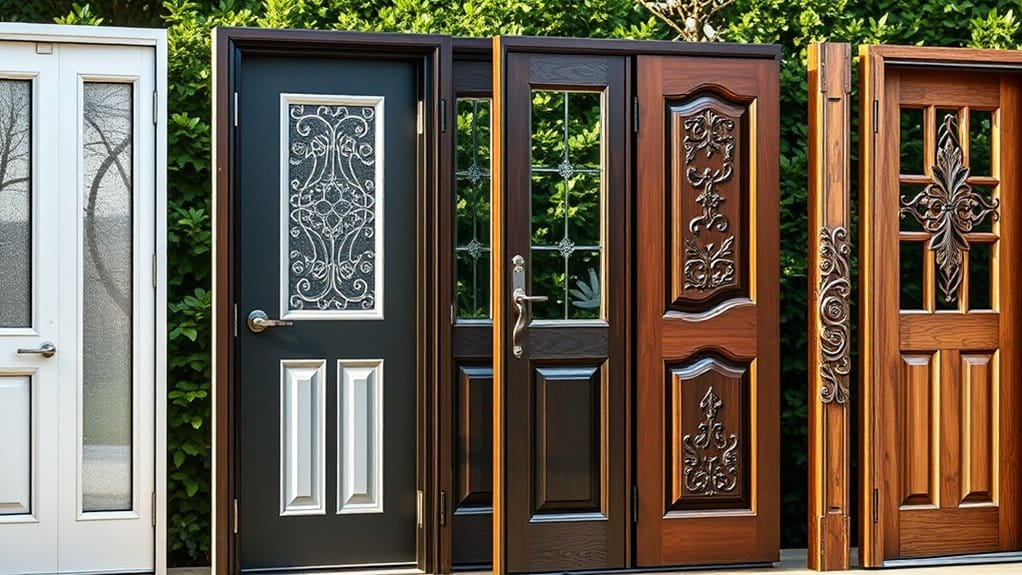
Selecting the right storm door starts with taking precise measurements of your door frame's height, width, and depth to guarantee a proper fit. You'll need to evaluate material options like aluminum, wood, or vinyl, along with style choices such as full-view, ventilating, or retractable screen designs that match your home's architecture. Consider your budget carefully, as installation costs typically range from $200 to $1,500, depending on material quality and whether you opt for professional installation.
Measuring Your Door Frame
Taking accurate measurements is the essential initial step in choosing a storm door that fits perfectly. You'll need to measure your door frame at three different points to guarantee accuracy and account for any variations in the opening.
When measuring your door frame, follow these key steps:
- Measure the width at the top, middle, and bottom of the frame – use the smallest measurement as your final width
- Measure the height on both sides and the center of the frame – again, use the smallest measurement
- Check the depth of your door frame to guarantee you have at least 1 inch of flat surface for proper mounting
Use precise measuring techniques and double-check all numbers. Remember to measure from the inside edges of your door frame, and don't assume your opening is perfectly square.
Materials and Style Options
With your measurements in hand, you're ready to investigate the wide array of storm door options available. Most modern storm doors feature aluminum frames, which come in different thicknesses and finishes. Choose between lightweight economy models or heavy-duty versions offering improved durability and security.
Glass styles present another key decision point. Full-view doors optimize natural light and visibility with a single glass panel, while ventilating models let you slide the glass up or down for airflow control. Mid-view and high-view options provide less glass and more panel coverage, offering greater privacy and protection. You'll also need to decide between clear, Low-E, or decorative glass patterns. Consider your climate and intended use when selecting between tempered safety glass and maintenance-free alternatives like shatter-resistant laminated glass.
Installation Cost Considerations
Before committing to a storm door purchase, you'll need to factor in both product and installation costs. Budget planning should account for installation factors like door size, hardware requirements, and any necessary frame modifications.
Professional installation typically ranges from $200-500, while DIY installation can save money but requires proper tools and experience. When calculating your total investment, consider these key cost elements:
- Base door price ($100-800 depending on material and style)
- Hardware and weatherstripping ($25-75 for quality components)
- Installation supplies or professional labor fees (varies by region and complexity)
If you're planning to hire a professional, request multiple quotes and verify that the installer includes frame preparation, hardware mounting, and weather seal testing in their service. Most installations can be completed within 2-4 hours.
Storm Door Installation Steps
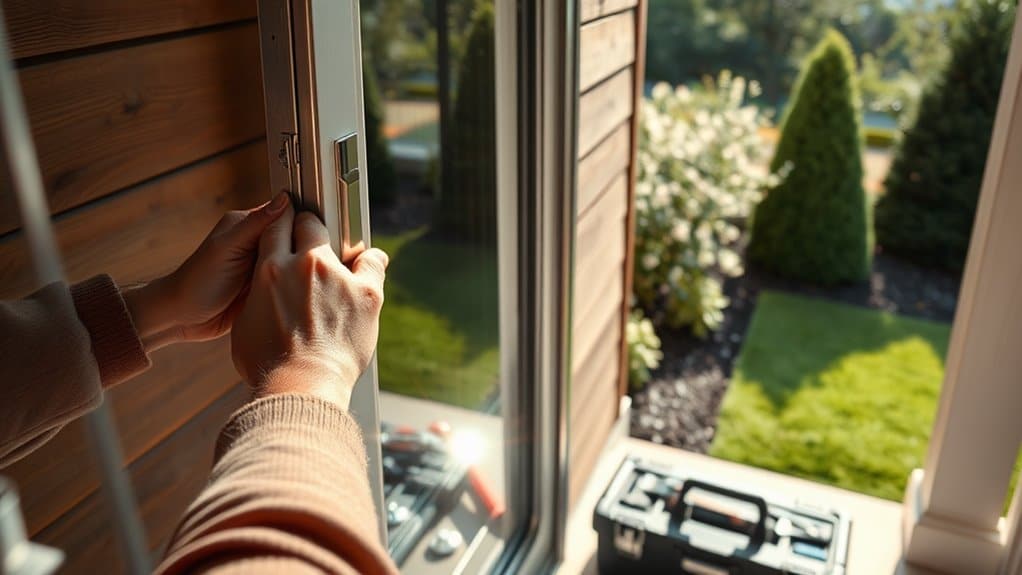
Installing a storm door requires six essential steps that follow a logical sequence for proper mounting and functionality. Before starting, gather your storm door tools and review installation safety guidelines. You'll need a power drill, screwdriver, level, and measuring tape.
| Step | Primary Task | Key Consideration |
|---|---|---|
| 1 | Measure Opening | Check for square corners |
| 2 | Install Hinge Rail | Guarantee perfect level |
| 3 | Mount Door | Maintain proper clearance |
Position the hinge-side Z-bar initially, followed by the top and strike jamb. You'll need to drill pilot holes carefully to prevent splitting. Remember to check the door's swing direction before mounting. Ultimately, install the pneumatic closer and latch hardware. If you're not confident with your DIY skills, don't hesitate to contact a professional, as proper installation guarantees ideal performance and longevity.
Maintenance and Care Tips
Regular maintenance of your storm door protects your investment and extends its operational life. You'll need to perform storm door cleaning and hardware inspection several times per year to keep it functioning properly and looking its best.
- Clean the door frame and glass monthly with a mild soap solution and soft cloth, paying special attention to the tracks where dirt accumulates. Don't forget to wipe down weatherstripping and sweep debris from the bottom rail.
- Lubricate all moving parts twice yearly with silicone spray, including hinges, handles, and closers. Avoid using WD-40, as it can attract dust and dirt.
- Inspect hardware quarterly for loose screws, worn weatherstripping, and proper door alignment. Tighten any loose components and replace damaged parts promptly to prevent further wear.
Common Problems and Solutions
While storm doors are built to last, several common issues can develop over time that may affect their performance and functionality. If you notice drafts, check your weather stripping for gaps or deterioration and replace it if necessary. A door that's difficult to open or close often indicates frame alignment problems, which you can fix by adjusting the hinges or realigning the frame. Squeaky hinges need lubrication with silicone spray, while sticking doors might require trimming if they've swollen from moisture.
If your door closer isn't working properly, you can adjust its tension or replace it entirely. For damaged screens or glass panels, you don't need to replace the entire door – simply remove the insert and install a new one. Most hardware stores carry replacement parts for common storm door brands.
Frequently Asked Questions
Can I Install a Storm Door if I Have a Doorbell?
Yes, you can install a storm door even with a doorbell present. You'll need to take into account your doorbell's placement during storm door installation. If your doorbell interferes with the frame, you can either relocate the doorbell or use an extension kit to accommodate the storm door. Some storm doors also come with pre-cut notches for doorbells, making installation easier. Just make sure you measure carefully and choose a compatible door design.
Do Storm Doors Affect My Home's Curb Appeal Value?
Storm doors can actually improve your home's aesthetic impact when chosen thoughtfully. Modern designs offer sleek, stylish options that complement your entry door and architecture. You'll find that a well-maintained storm door can increase your property value by improving energy efficiency and protecting your main door. To optimize curb appeal, select a style that matches your home's character and opt for full-view glass panels that showcase your entry door.
How Long Does a Typical Storm Door Last?
You can expect your storm door to last 25-50 years, depending on your storm door materials and maintenance routine. Aluminum doors typically last longest, while wood versions may need replacement sooner. To enhance lifespan, you'll need to maintain weather stripping, tighten hinges regularly, and keep the frame clean. If you're living in harsh weather conditions, you might need to replace parts more frequently or opt for more durable materials.
Can Storm Doors Be Installed on Sliding Glass Doors?
You can't install traditional storm doors on sliding glass doors, but you do have specialized storm door types designed specifically for sliding doors. These include retractable screens, sliding storm panels, and surface-mounted storm/screen combinations. Your sliding door options include installing a secondary sliding storm door that runs parallel to your existing door on a separate track. Some manufacturers offer custom solutions that'll work with your specific sliding door configuration.
Will a Storm Door Interfere With My Security System Sensors?
Your storm door shouldn't greatly interfere with security system sensors if they're properly positioned. However, you'll need to contemplate sensor placement during installation. Most modern security systems are designed with door modifications in mind, but it's best to check your specific system's compatibility. You can adjust sensor positioning or work with your security provider to optimize placement for both the storm door and sensors to function effectively.