
Your home can greatly benefit from a storm door's multi-purpose protection. It acts as a shield against harsh weather, improves energy efficiency by up to 30%, and adds an extra layer of security. You'll gain better ventilation control through interchangeable panels while protecting your main door from damage. With options in aluminum, vinyl, wood, or steel, you can choose features that match your climate and security needs. There's more to uncover about maximizing your home's protection.
Understanding the Key Functions of Storm Doors
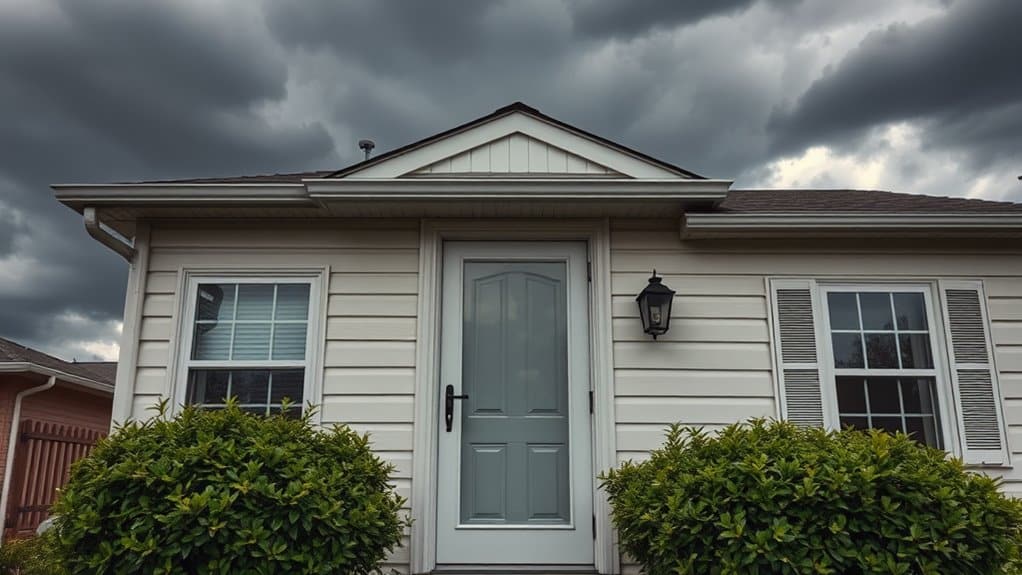
When properly installed, storm doors serve multiple essential functions that boost your home's functionality and comfort. They act as a protective barrier against harsh weather conditions while allowing natural light and ventilation when you need it. Your storm door's functionality includes protecting your main entry door from rain, snow, and debris, which extends its lifespan and maintains its appearance.
Beyond weather protection, storm door aesthetics improve your home's curb appeal while providing an extra layer of security. You'll appreciate the versatility of being able to switch between glass and screen panels seasonally. During mild weather, you can keep your main door open to enjoy fresh air through the screen, while the glass panel provides extra insulation during extreme temperatures. This dual-purpose design makes storm doors a practical investment for your home.
Benefits of Additional Weather Protection
Your storm door acts as a crucial barrier between your home and harsh outdoor conditions like rain, snow, and strong winds. You'll find that this extra layer of protection helps prevent weather damage to your main entry door, extending its lifespan and maintaining its appearance. By shielding your interior door from direct exposure to the elements, you're reducing maintenance costs and preserving both its functional integrity and aesthetic value.
Shield Against Harsh Elements
Storm doors act as an essential barrier against nature's harshest elements, providing an extra layer of protection for your main entry door. When you install a storm door, you'll shield your entryway from wind-driven rain, sleet, and snow that can damage your primary door's finish and hardware over time. These weather resistance features help prevent moisture infiltration and reduce the risk of wood rot and metal corrosion.
Among the key storm door benefits is their ability to deflect flying debris during severe weather conditions. They'll protect your main door from branches, leaves, and other windborne objects that could scratch or dent its surface. Furthermore, your storm door creates a buffer zone that helps regulate temperature fluctuations between your home's interior and the outdoor environment.
Keep Interior Doors Protected
Installing a quality storm door provides three essential layers of protection for your main entry door's longevity. You'll appreciate how it shields your interior door from harsh UV rays, preventing fading and warping. The storm door's protective barrier also keeps rain, snow, and debris from directly impacting your entry door's finish.
| Protection Type | Storm Door Benefits | Impact on Interior Door |
|---|---|---|
| Physical Layer | Blocks debris | Prevents scratches |
| Weather Shield | Repels moisture | Reduces wood rot |
| UV Defense | Filters sunlight | Maintains door color |
Your interior door's lifespan will greatly increase with this added protection. The storm door acts as a sacrificial barrier, taking the brunt of daily wear and tear while maintaining your entry door's pristine condition. It's a practical investment that delivers lasting door protection benefits.
Energy Savings and Ventilation Control
You'll notice significant energy savings when your storm door creates a temperature buffer zone between your home's interior and the outside elements. By controlling ventilation through adjustable panels or screens, you're able to let in natural light and fresh air while maintaining your preferred indoor climate. Your monthly energy bills will decrease as the storm door reduces heating and cooling losses, particularly during extreme weather conditions.
Natural Light and Airflow
A well-designed storm door can greatly improve your home's natural lighting and ventilation control. You'll benefit from the full-view glass panel that allows natural light to flood your entryway, making the space feel more open and inviting. During pleasant weather, you can easily switch out the glass panel for a screen that promotes fresh airflow throughout your home.
When you're looking to optimize these benefits, choose a storm door with interchangeable panels and retractable screens. This feature lets you adjust your door's configuration based on the season and weather conditions. You'll appreciate the ability to pull down the screen on mild days while maintaining the option to seal up your entrance when needed. The supplementary natural light can also help reduce your reliance on artificial lighting during daylight hours.
Temperature Zone Protection
By creating a temperature buffer zone between your main door and the outdoors, storm doors help regulate your home's internal climate throughout the year. This supplementary layer of protection improves your home's temperature regulation capabilities, especially during extreme weather conditions.
In winter, you'll benefit from improved seasonal insulation as the storm door traps a pocket of air that acts as a thermal barrier, preventing cold drafts from seeping through your main door. During summer, you can swap the glass panel for a screen to promote ventilation while maintaining security. You'll notice the difference in your utility bills, as this buffer zone reduces the workload on your heating and cooling systems. For maximum efficiency, verify proper installation and regular maintenance of the weatherstripping around both your main and storm doors.
Lower Energy Bills Monthly
Installing a storm door can lead to significant monthly energy savings, with most homeowners reporting a 15-30% reduction in their utility costs. You'll notice the difference when your HVAC system doesn't have to work as hard to maintain indoor temperatures, directly impacting your energy efficiency.
During warmer months, you can open your main door while keeping the storm door closed, allowing natural light and ventilation without compromising security. This reduces your reliance on artificial lighting and air conditioning. In winter, the extra layer of insulation prevents heated air from escaping, leading to consistent monthly savings on your heating bills.
Security Features and Safety Advantages
The inclusion of a storm door greatly boosts your home's security through multiple protective features. As an extra barrier between your main door and potential intruders, storm doors provide critical security improvements that protect your family and belongings.
- Most storm doors come equipped with heavy-duty locks and deadbolts that create a two-lock system when combined with your main door's hardware.
- The tempered safety glass or metal mesh screens make breaking through considerably more difficult for would-be intruders.
- You'll have clear visibility through the door while maintaining privacy, allowing you to safely identify visitors before opening.
These safety measures also let you ventilate your home securely by opening your main door while keeping the storm door locked, giving you peace of mind day and night.
Storm Door Types and Materials
While security features protect your home, selecting the right storm door type and material directly impacts its effectiveness. You'll find several storm door styles available, including full-view doors with maximum glass exposure, ventilating models with retractable screens, and traditional designs with partial screens. Mid-view and high-view options offer varying degrees of visibility and ventilation.
When it comes to storm door materials, aluminum remains the most popular choice due to its durability and low maintenance. You'll also find vinyl-clad options that resist scratching and wood doors that provide classic appeal. Steel doors offer maximum security but require regular maintenance to prevent rust. Each material has specific benefits: aluminum won't rust, vinyl resists weathering, wood provides customization options, and steel delivers superior strength.
Impact on Home Value and Curb Appeal
Storm doors contribute greatly to your home's total value and aesthetic appeal. When you're considering property appraisal, a well-maintained storm door can elevate your home's market worth while enhancing its comprehensive presentation.
- You'll notice an immediate improvement in home aesthetics with a modern storm door that complements your entry door's style and your home's architectural features.
- You can expect potential buyers to view your property more favorably, as storm doors signal thoughtful home maintenance and energy consciousness.
- Your investment typically yields returns through both increased property value and reduced energy costs.
Regional Climate Considerations
Different regions across North America require varying approaches to storm door selection and usage. If you live in the Northeast or Midwest, you'll need a storm door that withstands heavy snow, ice, and frigid temperatures. The storm door benefits in these areas include extra insulation and protection against harsh winter elements.
In Southern regions, you'll want to focus on storm doors with maximum ventilation options to manage humidity and heat while keeping insects out. The regional weather patterns along coastal areas demand doors that resist salt air corrosion and high winds. For the Pacific Northwest, choose doors that offer superior rain protection and moisture resistance.
Consider your specific climate challenges when selecting materials – aluminum performs well in warm climates, while insulated doors are essential for colder regions.
Installation and Maintenance Requirements
Professional installation of a storm door typically requires three main steps: measuring the opening precisely, preparing the mounting surface, and securing the frame properly. You'll need basic tools and about 2-3 hours for the installation process.
For ongoing performance, follow these maintenance tips:
- Clean tracks monthly to prevent debris buildup that could affect operation
- Lubricate hinges and moving parts twice yearly with silicone spray
- Check weatherstripping annually and replace if worn or damaged
You should tighten all hardware periodically and inspect the door's finish for scratches or wear. If you notice any issues with alignment or closing, address them promptly to prevent further damage. Most storm doors will last 20-30 years with proper care and regular maintenance.
Cost Analysis and Return on Investment
While maintenance costs remain relatively low, investing in a storm door requires careful financial consideration upfront. You'll need to evaluate both the immediate costs and long-term savings through a detailed investment evaluation.
| Item | Cost Range | ROI Timeline |
|---|---|---|
| Basic Door | $100-300 | 2-3 years |
| Premium Door | $300-1000 | 3-5 years |
| Installation | $200-400 | Immediate |
The cost breakdown shows you'll typically recover your investment through energy savings within 2-5 years. Premium storm doors with improved features like low-E glass and superior weatherstripping offer greater energy efficiency but require a longer payback period. When factoring in the extended life of your main door and reduced maintenance costs, you'll find that a storm door's value often exceeds its initial investment.
Frequently Asked Questions
Can Storm Doors Be Installed on Sliding Glass Doors?
No, you can't install traditional storm doors on sliding glass doors. Storm door benefits like extra insulation and ventilation aren't compatible with sliding door systems. Instead, you can consider alternatives like sliding storm panels or retractable screens that are specifically designed for patio doors. These options will give you similar protection while maintaining your sliding door's functionality. Some manufacturers offer specialty storm solutions made exclusively for sliding glass doors.
How Long Does a Typical Storm Door Last Before Needing Replacement?
You can expect your storm door's lifespan to range from 25-50 years when properly maintained. However, you'll need to watch for common replacement signs, including damaged weatherstripping, loose hinges, warped frames, or foggy glass panels. If you're noticing drafts, difficulty closing, or visible rust spots, it's time to contemplate a replacement. Regular maintenance, like lubricating hardware and cleaning tracks, will help extend your storm door's longevity.
Do Storm Doors Affect the Warranty of My Main Entry Door?
Installing a storm door can affect your main entry door's warranty coverage, so you'll need to check your specific warranty terms carefully. Some manufacturers may void the warranty if a storm door is installed, particularly because it can trap heat and potentially damage the main door's finish. To maintain door protection without risking your warranty, you'll want to contact your door manufacturer directly or review your warranty documentation before adding a storm door.
Can I Keep My Storm Door Open During Heavy Rain?
You shouldn't keep your storm door open during heavy rain, as it defeats the door's primary functionality of protecting your main entry door and preventing water infiltration. When left open, rain can blow into the space between doors, potentially causing water damage to your entry door, threshold, and surrounding trim. For proper rain protection, always keep your storm door closed during wet weather to maintain its protective benefits.
Are There Pet-Friendly Options Available for Storm Doors?
Yes, you'll find several pet-friendly storm door options available. Many manufacturers offer built-in pet door features that come in different sizes to accommodate both cats and dogs. Look for storm door materials like aluminum or heavy-duty vinyl frames with reinforced pet panels. You can choose between flap-style entrances or sliding panels that lock when not in use. These specialized doors maintain your home's security while giving your pets the freedom to come and go.