
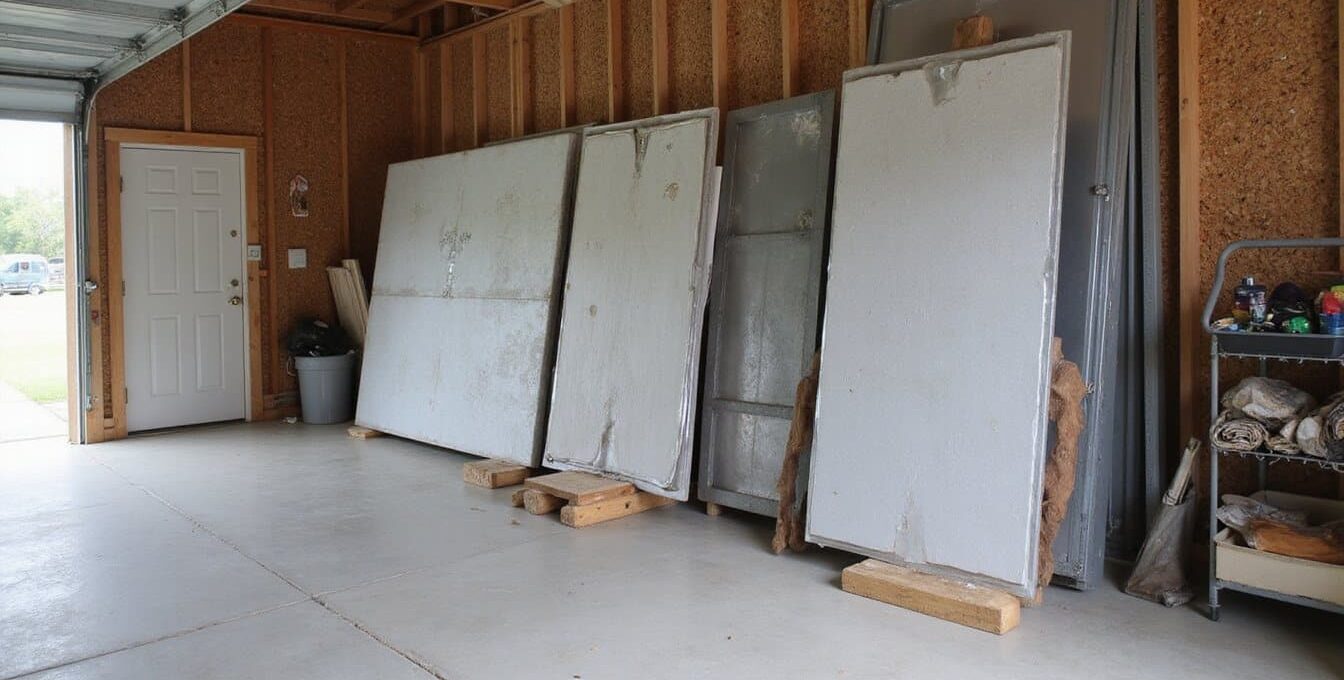
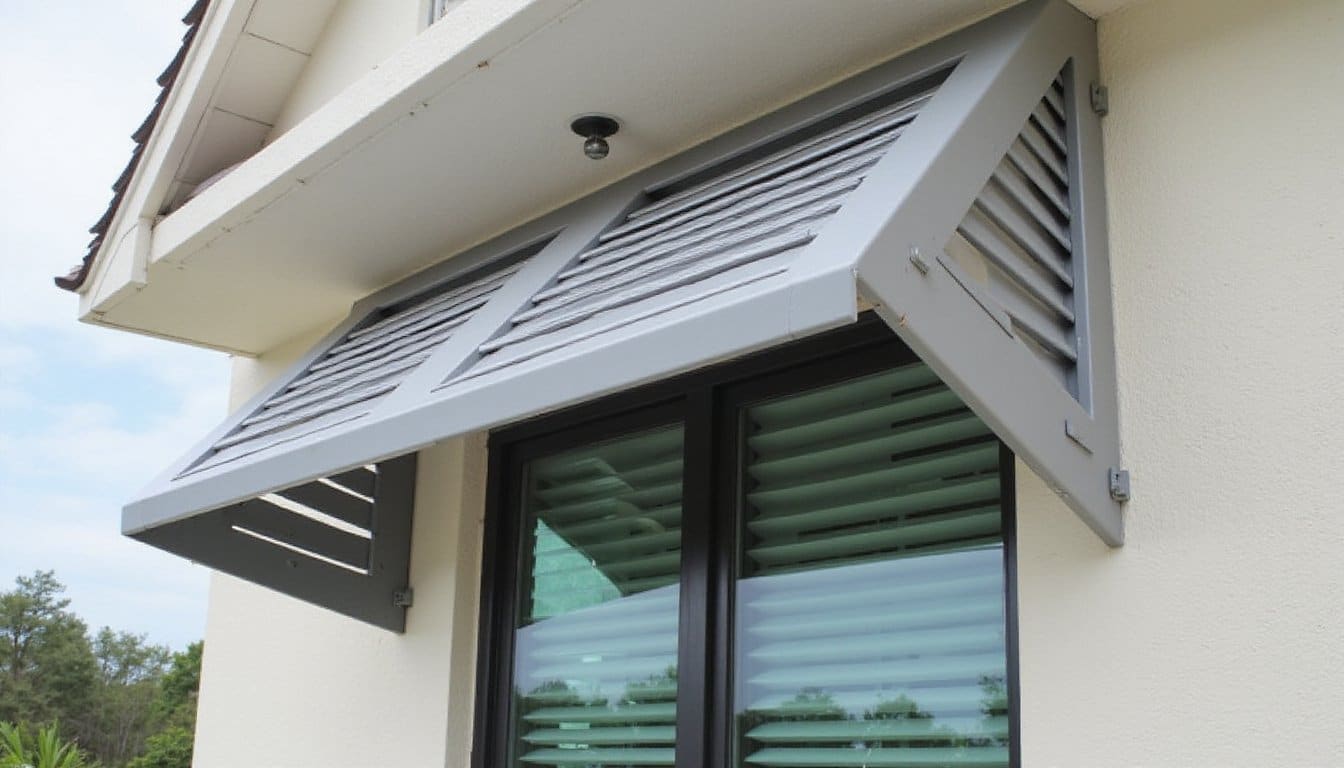
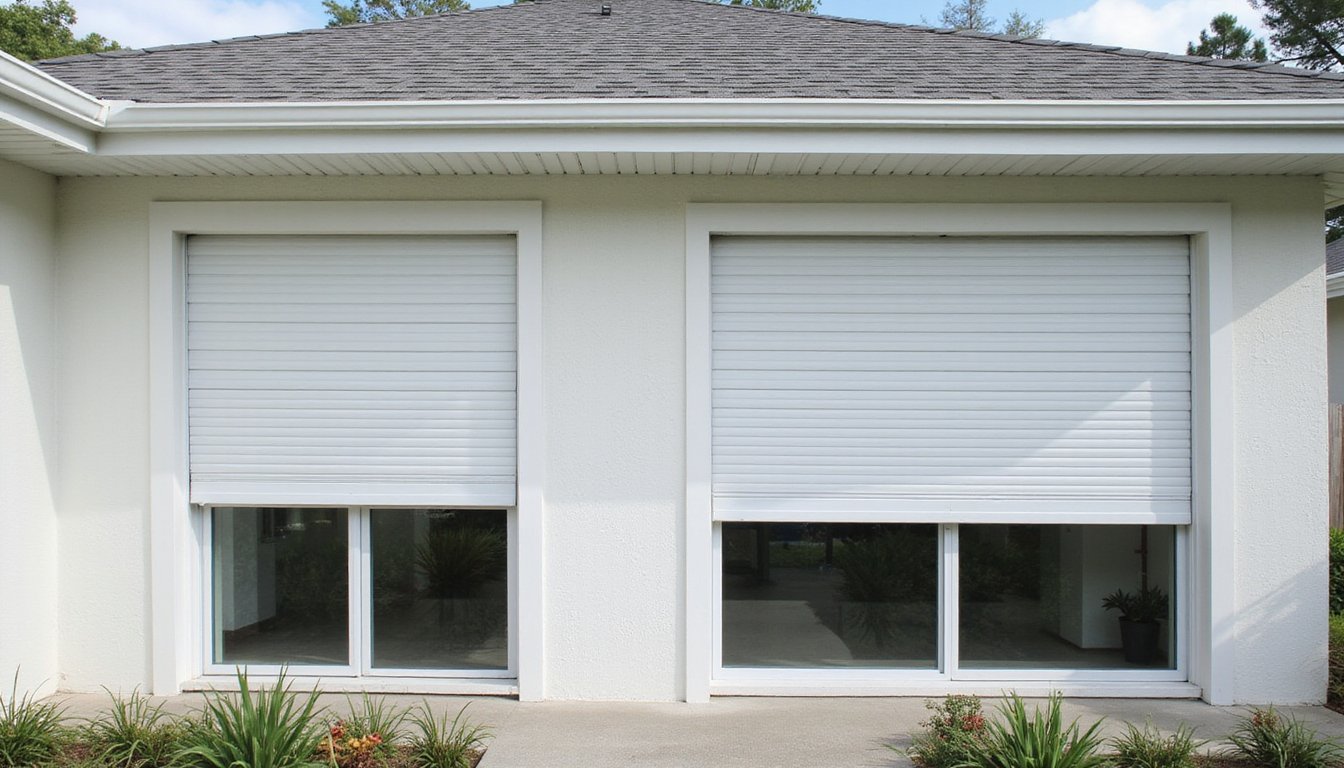
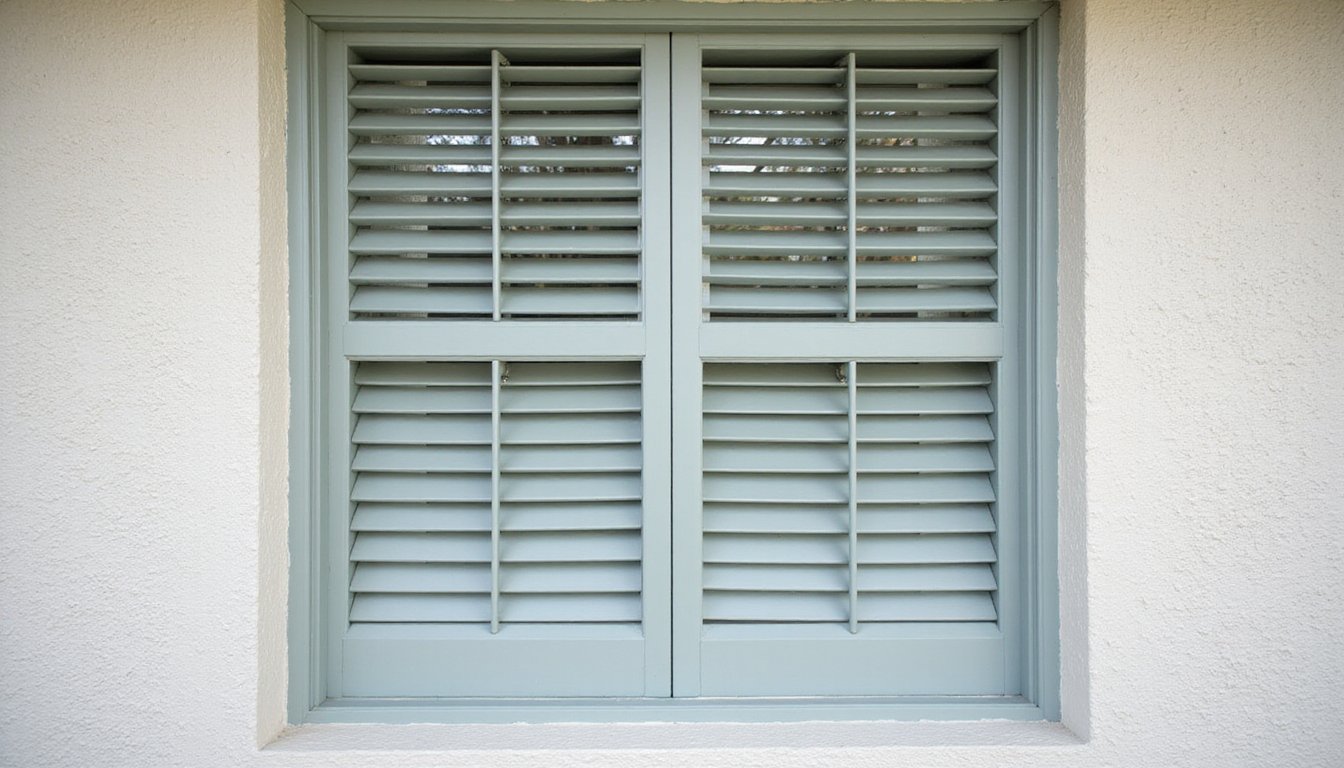
You’ll find that window ventilation covers serve as engineered barriers, redirecting rainfall and snowfall away from frames and foundations through sloped designs that prevent pooling. They minimize moisture exposure that causes wood rot, frame swelling, and water infiltration into wall cavities. Polycarbonate covers resist UV degradation while maintaining flexibility across temperature extremes. By reducing persistent moisture contact, you’re directly extending component longevity and preventing mold growth. The systematic approach to installation and material selection reveals vastly greater protection benefits.
How Window Ventilation Covers Shield Against Rain and Snow
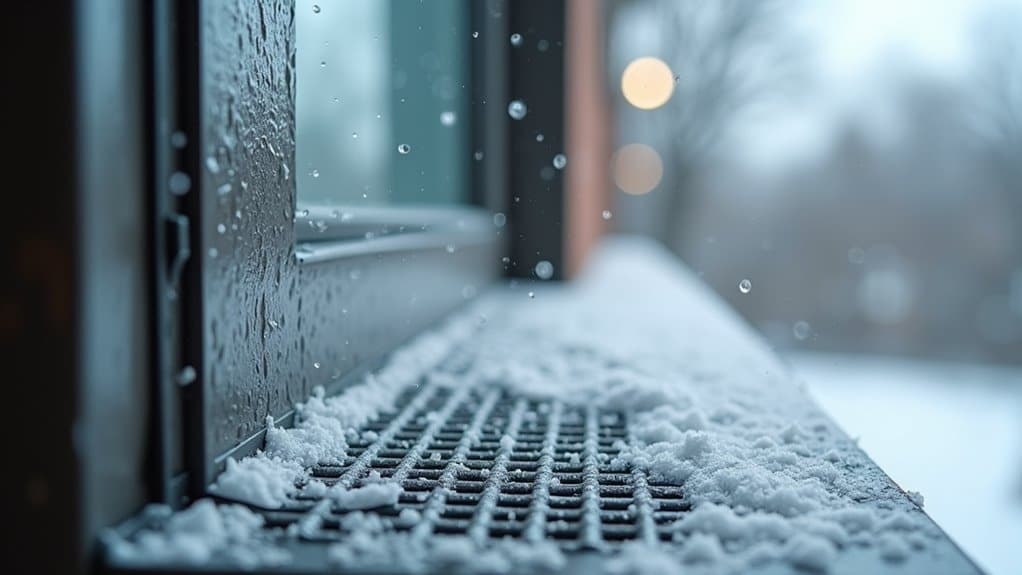
When severe weather strikes, window ventilation covers work as engineered barriers that actively redirect rainfall and snowfall away from vulnerable window and well areas. You benefit from sloped designs that promote efficient runoff, ensuring water flows away from frames and sills rather than pooling at your foundation. These covers prevent snow drifts and ice accumulation, reducing seepage risks as precipitation melts. By minimizing buildup, you maintain window seal integrity and prevent water infiltration that causes frame swelling and rot in wood windows. The protective design also shields surrounding structures from water entering wall cavities, preventing basement flooding and foundation damage. In addition, covers preserve visibility by preventing window fogging, supporting both improved aesthetics and occupant safety by maintaining clear sightlines during severe weather events. For added protection during winter months, applying weatherstripping or caulking to seal any cracks or gaps in window frames will enhance the effectiveness of your ventilation covers. Proper ventilation covers can also reduce cold drafts that occur near windows during winter conditions. Ventilated window well covers allow continuous airflow that clears out moisture entering the space, preventing mold and mildew growth that can damage your basement environment.
The Role of Material Selection in Weather Resistance
Because window ventilation covers face constant environmental stress, you’ll find that material selection directly determines both protective performance and long-term durability. Your choice between polycarbonate, metal, or plastic alternatives significantly impacts structural reinforcement capabilities and long-term material integrity.
Consider these material performance factors:
- Polycarbonate covers maintain flexibility across temperature extremes while resisting UV degradation and impact damage
- Metal systems deliver maximum strength for high-traffic areas but offer limited ventilation compared to polycarbonate alternatives
- PVC and acrylic materials deteriorate rapidly under prolonged sun exposure, requiring frequent replacement cycles
Polycarbonate demonstrates superior performance through integrated venting that prevents moisture accumulation without compromising weather protection. Metal covers support substantial weight loads during heavy snowfall, though they sacrifice breathability. Vents in your cover design provide long-term protection by allowing consistent air circulation that prevents humidity damage and maintains structural integrity. The dust buildup prevention from proper ventilation also extends the lifespan of surrounding materials and window frames. Utah homeowners face unique challenges with snow, ice, and sun exposure, making long-term durability crucial for adequate weather protection. Your selection should balance environmental exposure levels with maintenance requirements for ideal long-term results.
Preventing Water Damage and Frame Deterioration
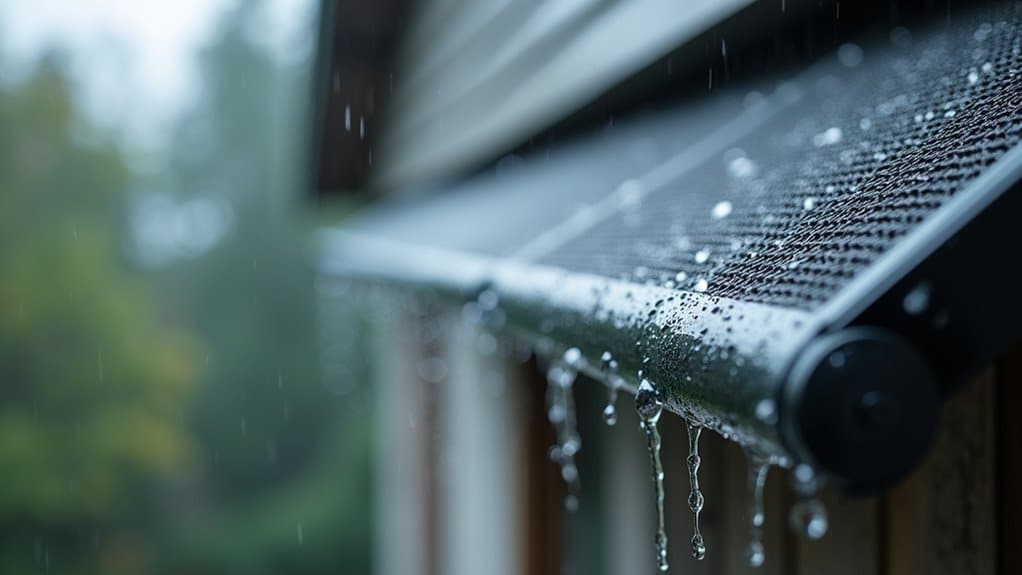
As moisture infiltration represents one of the primary degradation vectors for window systems, ventilation covers serve as your initial line of defense against water-related structural failure. You’ll reduce wood decay and fungal growth by limiting persistent moisture exposure around frames. Metal components resist corrosion when water contact decreases, directly extending component longevity. Your hidden sub-sill framing, the most vulnerable zone for undetected leaks, receives critical protection through these barriers. By minimizing water ingress frequency, you diminish repair cycles substantially. Covers support external wall sheathing moisture control and subfloor waterproofing systems by directing precipitation away from critical junctures. Regular maintenance of drainage systems ensures that water flows away from your window wells and foundation. Aging windows with deteriorating seals and weakened frames become increasingly susceptible to water infiltration without proper protective measures. Proper ventilation with high-speed fans accelerates water evaporation and prevents mold damage in affected areas. However, you must recognize that ventilation covers complement, rather than replace, strong flashing and caulking. Proper installation and regular maintenance guarantee maximum protective efficacy.
UV Protection and Long-Term Material Integrity
While moisture management safeguards your window frames from water-induced degradation, ultraviolet radiation presents a comparable significant threat to material longevity. UV exposure accelerates breakdown of plastics, vinyl, and composites at accelerated rates, up to 50% faster in high-sun environments. You’ll experience fading, brittleness, and structural compromise without targeted protection.
UV radiation accelerates material breakdown up to 50% faster in high-sun environments, causing fading, brittleness, and structural compromise without targeted protection.
Specialized UV-blocking covers filter 99% of harmful rays while maintaining visible light transmission. Consider these protection tactics:
- Apply metallized layers or ceramic particle coatings for heightened filtration
- Select uPVC materials with additional protective treatments
- Schedule reapplication every 5, 10 years based on exposure intensity
Protected materials retain flexibility and strength, preserving aesthetic appeal while minimizing structural deterioration. Over five years, unprotected components experience 30% performance reduction. Low-E coatings made of metallic particles effectively reflect UV and infrared radiation while allowing visible light to pass through. Professional installation guarantees comprehensive coverage and extends your window system’s service life considerably. Light-colored window coverings and reflective films work synergistically with UV-blocking treatments to deflect heat and radiation simultaneously. Professional window installation also provides expert guidance on selecting energy-efficient options and includes warranties for long-term peace of mind.
Reducing Moisture Buildup and Humidity Levels
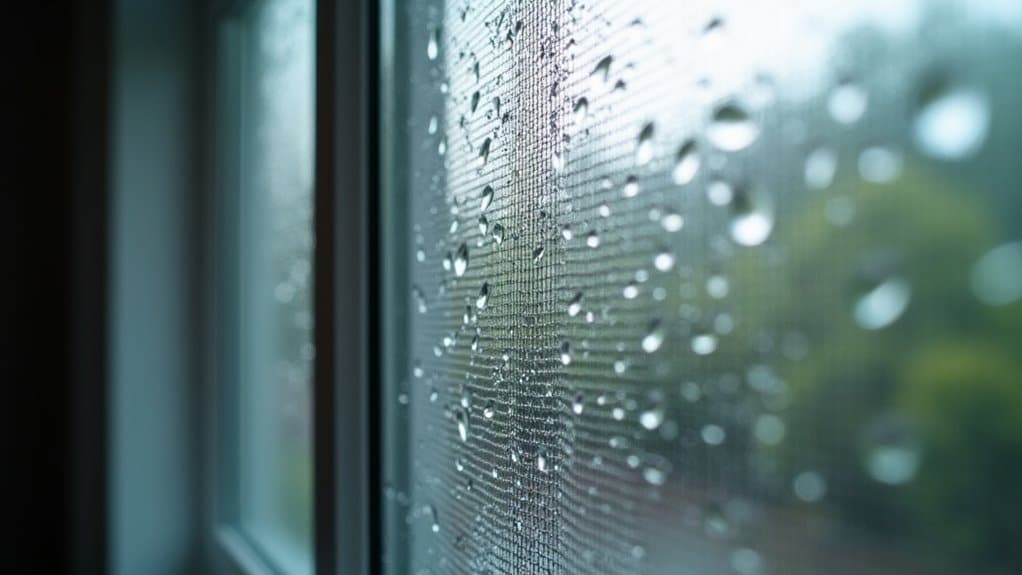
Three critical pathways enable moisture to compromise your windows: leaks through poor seals, condensation on cooler glass surfaces, and humidity migration from unsealed roof and attic vents. Window ventilation covers address these vulnerabilities by regulating air exchange and reducing trapped moist air accumulation near assemblies. You’ll maintain ideal relative humidity levels between 30, 50% by enabling moisture-laden air to escape, particularly in high-activity zones like bathrooms and kitchens. Studies confirm that operable covers facilitate consistent airflow, preventing humid air stratification in modern, airtight homes. By mitigating condensation risks through active moisture dissipation, you lower the temperature differential between indoor air and window glass. Regular use during low outdoor humidity periods balances internal humidity effectively, minimizing dew point risk and protecting window materials from swelling, rot, and staining. Inadequate ventilation trapping moist air can accelerate mold and mildew growth, making proper airflow management essential for long-term window integrity.
Mold and Mildew Prevention in Damp Climates
You’ll find that window ventilation covers function as a critical component in your mold and mildew prevention strategy by managing humidity control at moisture entry points and reducing condensation accumulation on glass surfaces. These covers create a moisture barrier against infiltration while maintaining airflow, which directly lowers relative humidity levels in your building envelope during high-moisture seasons. Proper ventilation systems work with dehumidifiers to maintain ideal humidity levels and prevent mold proliferation in damp environments. In damp climates, you can strategically deploy ventilation covers to facilitate water-wicking action and support your comprehensive moisture management system, thereby minimizing conditions that enable fungal colonization. Maintaining relative humidity below 65% is considered the safe threshold to prevent mold growth on various materials commonly found in residential spaces.
Humidity Control and Ventilation
Because indoor humidity above 60-65% creates an ideal breeding ground for mold and mildew, maintaining your space within the preferred 30-50% range is critical in damp climates. You’ll find that strategic window ventilation covers integrate with passive air conditioning systems to regulate moisture effectively across seasonal climate variability.
Your humidity control strategy should incorporate:
- Continuous air exchange via louvered vents that reduce airborne mold spores and allergens while preserving optimal humidity thresholds
- Real-time monitoring systems enabling active ventilation adjustments based on moisture levels and seasonal fluctuations
- Structural integration of seals and insulation minimizing condensation alongside ventilation installations
You’ll achieve superior mold prevention by combining ventilation with dehumidification in persistently damp conditions. Regular inspection and maintenance of ventilation facilities safeguard sustained performance, preventing blockage-induced humidity spikes that compromise your building’s integrity and occupant health.
Moisture Barrier Against Infiltration
How effectively can a single protective layer prevent the cascade of structural damage that moisture infiltration triggers around windows? You’ll find that proper material specification combined with continuous seal installation creates a formidable defense against infiltration.
| Risk Factor | Without Barrier | With Class-I Barrier |
|---|---|---|
| Mold Growth Timeline | 48-72 hours | Prevented |
| Wood Rot Progression | Accelerated | Halted |
| Energy Loss | 15-25% | Minimized |
Class-I vapor barriers (≤0.1 perm rating) systematically block moisture transmission while you implement multi-layer sealing approaches using foam, caulk, and weatherstripping. This methodology stops condensation before it colonizes organic materials, eliminating conditions that foster mildew proliferation in humid climates. You’re fundamentally eliminating the moisture source rather than treating symptoms, delivering measurable protection for structural integrity and indoor air quality.
Mold Prevention in Wet Climates
Mold and mildew thrive when you don’t control the environmental conditions that sustain them, specifically, moisture levels above 60% humidity and temperatures between 68, 86°F. A window ventilation cover supports your mold prevention strategy by facilitating air exchange that reduces stagnant moisture.
Your condensation prevention techniques should include:
- Installing dehumidifiers in high-moisture areas (bathrooms, basements, kitchens) to maintain 30-50% humidity
- Using exhaust fans to expel humid air before condensation occurs on cold surfaces
- Ensuring proper insulation with vapor barriers to prevent condensation in wall cavities
Dehumidifier placement strategies prove critical; position units centrally in moisture-prone zones for ideal moisture removal. Combined with cross-ventilation through your window cover, you’ll establish the 24-48 hour drying window necessary to inhibit mold colonization in wet climates.
Energy Savings Through Improved Thermal Control
While standard windows permit approximately 30% of a home’s heating energy to escape during winter months, you can vastly curb this loss through strategic thermal management. By installing certified ENERGY STAR windows with low-e coatings and triple-pane technology, you’ll reduce heating and cooling costs by up to 30%. Cellular shades and insulating covers cut heat loss by 40% or more, yielding roughly 10% seasonal heating savings.
Dynamic thermal management through weatherstripping and thermal breaks further minimizes unwanted heat transfer. During cooling seasons, window covers block 76% of solar gain, decreasing AC demand enormously. Energy modeling demonstrates 5, 40% annual savings on heating or cooling loads, scaled to coverage area. You’ll realize USD $100, 600 in annual savings through seasonal energy optimization, with benefits amplified in heating- or cooling-dominated climates.
Blocking Debris and Pest Infiltration
Beyond thermal management, window ventilation covers serve as essential physical barriers that prevent leaves, branches, dirt, and seasonal debris from infiltrating window wells and ventilation systems. You’ll find that fine mesh screening effectively blocks small insects and pests while maintaining airflow for enhancing air circulation without compromising ventilation performance. Maximizing safety with vent locks is crucial for ensuring that window wells remain secure and free from hazardous intrusions. These locks provide an added layer of protection, preventing unauthorized access while allowing necessary ventilation.
Fine mesh screening effectively blocks small insects and pests while maintaining airflow and enhancing air circulation without compromising ventilation performance.
Strategic cover installation addresses pest exclusion through sealing entry points in high-moisture areas:
- Fine mesh screening (1/8-inch or smaller) excludes insects while preserving airflow efficiency
- Vent covers in bathrooms and kitchens reduce pest attraction by controlling moisture buildup
- Corrosion-resistant materials prevent animal contamination within HVAC systems
Proper ventilation covering extends your HVAC system lifespan by preventing insect and debris accumulation. These barriers maintain indoor air quality while systematically excluding unwanted pests and environmental contaminants from entering your home’s ventilation infrastructure.
Ensuring Proper Installation for Maximum Protection
You’ll achieve maximum protection by following professional installation best practices, which prioritize precise measurement, appropriate fastener spacing (every 500mm with 50mm end placement), and manufacturer-specified screw lengths of 30mm or longer. Your DIY fitting must meet these same standards: align pre-drilled holes, apply butyl tape to horizontal frame members, and apply anti-corrosion treatment to vulnerable edges before securing the cover. Post-installation inspection confirms effectiveness, you should test for drafts, verify screw tightness, and establish seasonal maintenance schedules to address cracks, corrosion, or debris accumulation that compromise weather resistance.
Professional Installation Best Practices
Because improper installation undermines even the highest-quality ventilation covers, adhering to systematic best practices is critical for achieving maximum protection and longevity. You’ll guarantee cost effective installation by following manufacturer specifications precisely and scheduling work during calm weather conditions.
Implement these core practices:
- Optimal airflow positioning: Measure and mark vent locations meticulously to avoid window mechanisms while maximizing airflow efficiency
- Material compatibility: Select fasteners and sealants matched to your frame material, preventing corrosion and water intrusion
- Precision alignment: Drill openings with appropriate bit sizes, smooth rough edges, and ensure flush mounting against surfaces
You must verify air leaks post-installation through simulated rain testing and adjust screws accordingly. Document installation details, including materials and dates, for warranty tracking and future maintenance scheduling. Educate occupants on proper operation to maintain protective benefits long-term.
DIY Fitting Guidelines and Standards
While professional installation guarantees ideal outcomes, you can achieve comparable protection through systematic DIY fitting when you adhere to precise measurement protocols, regulatory compliance standards, and quality assurance testing. You’ll measure vent slots against manufacturer airflow specifications and mark installation lines at the uppermost window frame section. Pre-drill all fixing holes at 50mm intervals to prevent frame damage and safeguard alignment with facade design. Apply anti-corrosion inhibitor on cut ends and butyl tape on horizontal members to fulfill airtightness requirements. You must verify compliance with building regulations like Approved Document F before finalizing installation. After fitting both exterior and interior covers, test for unrestricted operation and water penetration. This systematic approach delivers weather protection equivalent to professional work when executed carefully.
Post-Installation Inspection and Maintenance
Once your window ventilation cover’s installed, systematic inspection and maintenance directly determine whether it’ll continue delivering the weather protection and airflow performance you’ve achieved through careful fitting. Optimal window designs for improved airflow can significantly enhance the overall efficiency of your space. Investing in high-quality windows tailored to your specific needs will yield long-term benefits for both your health and your utility bills.
Establish a maintenance schedule aligned with manufacturer guidelines: annual inspections for non-residential systems, quarterly checks in coastal or industrial areas. Your structural integrity checks should verify fastener tightness, weatherseal condition, and drainage patency. Perform periodic performance reviews immediately post-installation, after severe weather, and seasonally.
Key maintenance priorities include:
- Clean covers bi-annually to six times yearly depending on environmental exposure to prevent fouling and maintain airflow
- Inspect drainage channels for obstruction and verify watertight barrier formation when closed
- Lubricate moving parts annually using manufacturer-approved dry lubricants only
Regular cycling of vent mechanisms confirms smooth operation across full range.
Frequently Asked Questions
How Often Should Window Ventilation Covers Be Inspected and Maintained for Optimal Performance?
You’ll need periodic visual inspections quarterly to catch dust buildup and mechanical wear. Schedule professional maintenance assessments annually for extensive evaluations. You should replace filters every 6, 12 months and perform semi-annual checks in high-usage areas. You’ve got to deep-clean internal ductwork professionally every 3, 5 years. You’ll maintain ideal performance by conducting seasonal inspections before humidity changes and testing moving parts yearly for operational efficiency and longevity.
Can DIY Installation of Window Ventilation Covers Be Done Effectively Without Professional Help?
Yes, you can effectively install window ventilation covers yourself. Your success depends on developing solid DIY installation skills and scrupulously following product installation instructions. You’ll need basic tools and precision during measurement and alignment. Most modern kits feature extensive guidance designed for homeowner installation. However, you should recognize your limitations; non-standard windows or complex hardware may require professional assistance. Proper preparation, careful execution, and attention to detail consistently yield satisfactory results.
What Is the Expected Lifespan of Quality Window Ventilation Covers Before Replacement?
You’ll typically get 7, 15 years from quality window ventilation covers under normal residential conditions. To enhance lifespan, you’ll need proper installation techniques ensuring ideal fit and weather resistance. You’ll also benefit from a regular cleaning schedule that prevents debris accumulation and moisture damage. High-grade metal covers reach 10, 15 years, while premium UV-resistant variants exceed 15 years with maintenance. Annual inspections identifying warping or corrosion trigger timely replacement decisions.
Do Ventilation Covers Affect Natural Light Entering Through Windows Significantly?
Yes, you’ll experience significant light reduction with most ventilation covers. Standard opaque covers block over 50% of daylight, while metal designs obstruct up to 95%. However, you can mitigate this impact by selecting translucent polycarbonate covers that transmit 85% of visible sunlight. Strategic positioning on non-primary light sources and thermal insulation benefits offset some drawbacks, though you’ll likely need supplementary artificial lighting during daytime hours.
Are Window Ventilation Covers Suitable for All Climate Types and Weather Conditions?
No, window ventilation covers aren’t universally suitable for all climates. You’ll need region-specific solutions because performance varies considerably. In cold, humid zones, you’ll benefit from moisture control through ventilation that prevents mold. Hot, dry climates require UV-resistant materials and airflow for temperature regulation. You must verify building codes and select customized covers matching your local conditions. One design doesn’t optimize protection across all weather scenarios; proper matching guarantees maximum effectiveness.