

You need a window ventilation panel when you notice condensation on windows, mold growth, musty odors, or persistent indoor pollutants that your home can’t naturally expel. Energy-efficient homes with tight building envelopes trap moisture, CO2, and contaminants indoors, creating health risks. Room-specific needs vary, bathrooms require 50 cfm exhaust, kitchens need 100 cfm, while bedrooms demand 15 cfm per occupant. Strategic panel placement on opposite walls enables effective cross-ventilation. Understanding which rooms need panels and how to position them properly determines your home’s indoor air quality success.
Signs Your Home Needs Better Ventilation

Many homeowners don’t realize that poor ventilation is silently compromising their indoor air quality and structural integrity. You’ll notice condensation accumulating on windows, walls, and ceilings, a clear indicator of inadequate humidity management. Mold identification becomes critical when you spot growth in bathrooms, basements, or corners, signaling excess moisture and stagnant air. Your home may develop peeling paint, warped wood flooring, and musty odors. You might experience persistent cooking, pet, or smoke smells that linger despite cleaning efforts. Health symptoms emerge gradually: increased allergies, respiratory issues, headaches, and unexplained fatigue. Structurally, you’ll observe condensation-covered drywall, doors slamming unexpectedly due to negative air pressure, and excessive attic heat. These interconnected signs indicate your home requires improved ventilation to restore healthy indoor air quality and prevent structural damage. A lack of maintenance on your ventilation system can accelerate these problems and worsen indoor air quality over time. Modern homes’ tightly sealed construction materials can trap these pollutants inside, making mechanical ventilation solutions increasingly necessary for homes that prioritize airtightness. If you notice your energy bills climbing without explanation, your HVAC system may be working harder due to uneven air distribution caused by poor ventilation throughout your home.
How Energy-Efficient Homes Require Ventilation Solutions
Why do energy-efficient homes often underperform in the domain of indoor air quality? Your home’s tight building envelope, achieved through air-sealing and advanced insulation, restricts natural fresh air infiltration to 0.15, 0.20 ACH, falling below ASHRAE’s 0.35 ACH minimum. This traps pollutants, moisture, and CO₂ indoors, creating health risks including respiratory issues and mold growth.
You’ll need mechanical ventilation systems to compensate. Consider ventilation system compatibility with your climate: balanced or heat recovery ventilators suit cold regions, while supply systems work elsewhere. Research from Lawrence Berkeley National Laboratory recommends independently ducted multi-port supply ventilation for most climates, with balanced supply and exhaust ventilation specifically for cold regions. Heat recovery ventilators can recover 70% to 80% of energy from exiting air, making them particularly valuable investments. Energy modeling considerations matter too, properly sized systems (0.035 CFM/ft² minimum) with insulated, sealed ductwork minimize heating and cooling penalties. Energy recovery ventilators further offset ventilation costs, maintaining your home’s efficiency while safeguarding air quality.
Room-Specific Ventilation Requirements
While mechanical ventilation systems form the backbone of air quality management in energy-efficient homes, the actual performance of your indoor environment depends heavily on how you tailor ventilation to individual rooms.
You’ll find that occupant density impacts determine specific airflow needs. Bedrooms require 15 cfm per person, while living spaces demand equivalent calculations based on occupancy patterns. Bathrooms and kitchens present unique challenges requiring dedicated exhaust systems, 50 cfm intermittent for bathrooms, 100 cfm for kitchens, to address moisture control strategies and pollutant removal. Enclosed spaces normally used by humans must be continuously ventilated during occupied hours to maintain acceptable indoor air quality. Proper air filtration and exhausting of contaminants at their source ensures that ventilation upgrades effectively support occupant health and comfort.
Consider these critical factors:
- Positioning exhaust outlets near moisture or pollution sources optimizes effectiveness
- Natural ventilation eligibility demands operable windows within 20 feet of occupied areas
- Supplemental panels compensate where mechanical systems prove inadequate
Room-specific panels bridge gaps between standard HVAC performance and actual environmental demands.
Design Factors That Impact Airflow Effectiveness
You’ll find that panel placement and positioning directly govern how effectively air moves through your space, strategic offset positioning of inlets and outlets bolsters mixing while low-to-high vent alignment amplifies stack effect. Your choice of window type and operability determines actual airflow rates; casement, awning, and louvered windows outperform fixed types, and operable controls let you adjust ventilation in real time as conditions shift. Environmental influences, prevailing wind direction, outdoor air quality, seasonal temperature gradients, and solar exposure, require you to calibrate opening sizes and locations to match your specific climate and site conditions. Appropriate room dimensions are key for effective natural ventilation, as they directly influence the performance of your window ventilation system and overall airflow strategy. Building orientation toward prevailing winds maximizes the potential for cross-ventilation and natural air movement through your spaces. Operable window coverings such as adjustable shades and blinds enhance ventilation flexibility by allowing you to control daylight and airflow simultaneously throughout the day.
Panel Placement and Positioning
The effectiveness of window ventilation panels hinges on strategic placement that aligns with natural airflow dynamics and building geometry. You’ll optimize performance by considering comparative climate considerations and tailoring outlet positioning strategies to your specific environment.
- Windward orientation: Position inlet panels on facades facing prevailing winds to establish pressure differentials that drive cross-ventilation through occupied spaces.
- Vertical stratification: Combine low-placed inlets with high-placed outlets to harness stack effects, drawing cooler air at occupant level while exhausting warm air efficiently. Different window styles like casement windows open wide and capture breezes effectively, making them ideal choices for strategic panel placement in vertically stratified systems.
- Distributed coverage: Space panels across multiple facades and opposite walls to prevent dead zones and short-circuit airflow, ensuring consistent circulation throughout your space. Installing windows on opposite walls facilitates cross-ventilation and prevents stagnant air pockets that compromise indoor air quality.
Avoid clustering panels in single locations or placing them behind obstructions, as you’ll compromise indoor air quality and create stagnant zones that undermine ventilation effectiveness.
Window Type and Operability
Because natural ventilation’s effectiveness depends fundamentally on how windows operate, selecting the right window type and guaranteeing proper operability directly determines your space’s airflow capacity. Casement and awning windows maximize opening potential, while double-hung and sliding designs offer controlled flexibility. Your window maintenance practices preserve sealing integrity, preventing unwanted leakage when closed. However, opening limitations, whether mechanical constraints or design restrictions, significantly reduce ventilation effectiveness. High-quality frames with multipoint hinges swing wider, increasing air exchange rates. Adjustable transoms or built-in vents maintain airflow even when primary windows remain closed, addressing operational constraints. Window fans and exhaust fans can boost ventilation during periods of still weather when natural airflow alone proves insufficient. Ease of operation guarantees consistent use for natural airflow enhancement. Strategic window positioning on opposite sides of rooms creates direct airflow paths that amplify the benefits of operable window designs. Bay and bow windows can enhance cross-ventilation by capturing breezes from multiple directions when individual sections are operable. Evaluating your window type against your space’s ventilation demands reveals whether supplementary ventilation panels become necessary for achieving ideal indoor air quality and comfort.
Environmental Influences on Performance
Beyond your window’s mechanical capabilities, environmental factors fundamentally shape how effectively natural ventilation performs in your space.
Your surrounding landscape features drastically influence airflow patterns. Trees and vegetation block harsh winds while directing gentle breezes, whereas dense urban surroundings create turbulence or restrict airflow entirely. Hills and valleys alter wind direction, affecting cross-ventilation strategies.
Climate and weather conditions directly impact ventilation effectiveness:
- Geographic location determines temperature, humidity, and air quality parameters affecting natural ventilation potential
- Seasonal variations influence airflow rates and indoor temperature regulation throughout the year
- Sunny, windy conditions maximize dual airflow window performance, while calm, cloudy weather diminishes effectiveness
Your building’s orientation relative to prevailing winds determines whether passive ventilation strategies succeed. South-facing windows receive excessive solar gain, requiring external shading to maintain ventilation periods. Conversely, north-facing windows provide steady, gentle airflow with minimal heat absorption, optimizing year-round performance.
Choosing the Right Window Ventilation Panel Type
Selecting the appropriate window ventilation panel type requires careful evaluation of your room’s specific needs, climate conditions, and architectural constraints. Consider your space limitations: casement panels suit larger openings, while sliding or awning types work well in confined areas. Assess moisture levels, bathrooms and basements benefit from passive ventilation or trickle vents that continuously diminish condensation. Security requirements influence your choice; tilt-and-turn units offer superior multi-point locking mechanisms. Evaluate ventilation panel maintenance demands before deciding, compression seals in casement styles require regular inspection, whereas tilt-and-turn designs feature durable internal locking systems. Material selection considerations are critical; modern double or triple glazing combined with quality frames guarantees energy efficiency and longevity. Match panel types to room function for ideal airflow control and performance.
Energy Savings and Long-Term Financial Benefits
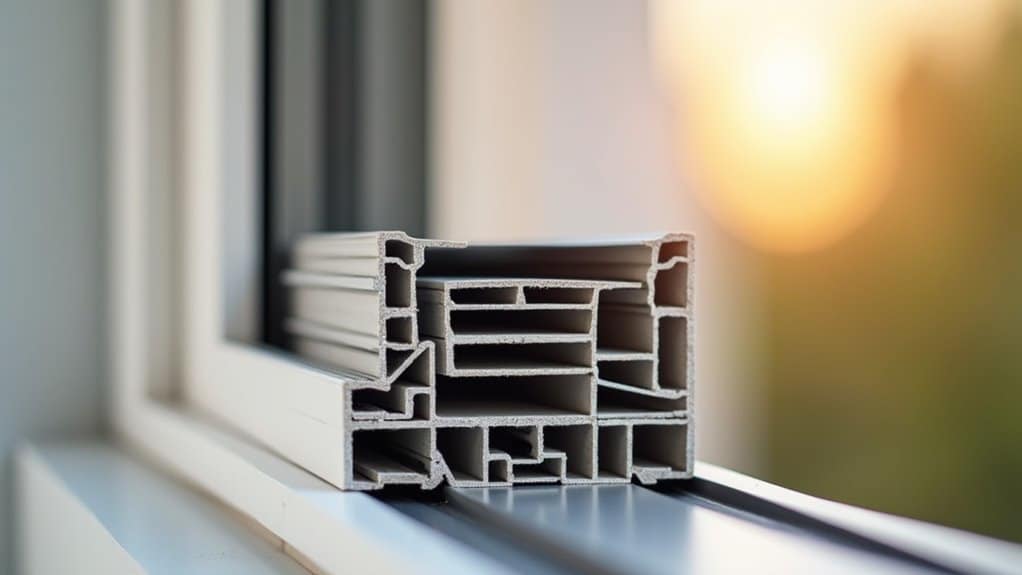
Installing energy-efficient window ventilation panels delivers substantial financial returns through reduced utility expenses and extended system longevity. You’ll experience measurable savings that justify your initial investment:
- Annual utility reductions: Energy-efficient windows decrease heating and cooling costs by 12-13% annually, with single-pane replacements saving $101-$583 yearly depending on climate zones.
- HVAC system longevity: Reduced heat transfer minimizes compressor and fan wear, extending your system’s operational lifespan and decreasing maintenance frequency.
- Energy rebate eligibility: Many jurisdictions offer tax credits and utility rebates for ENERGY STAR certified installations, accelerating cost recovery.
You’ll also benefit from product warranties that protect your investment. Low-emissivity coatings reduce energy loss by 50%, optimizing performance year-round. These improvements create balanced air circulation while maintaining consistent indoor temperatures, translating to measurable long-term financial benefits.
When to Upgrade or Add Ventilation Panels
You’ll recognize when upgrading becomes necessary by monitoring physical signs, persistent condensation, mold growth, or musty odors, that indicate your current system can’t manage your home’s moisture and pollutant load. Post-renovation work often disrupts existing airflow patterns through structural changes or layout modifications, requiring you to reassess and potentially expand your ventilation capacity to maintain IAQ standards. Lifestyle shifts, such as converting a spare room into a home gym or adding occupants, increase contaminant generation and humidity, demanding ventilation upgrades that match your space’s evolving functional demands.
Signs Your Home Needs Upgrading
Recognizing when your home requires ventilation panel upgrades involves identifying specific indicators that point to inadequate airflow and indoor air quality degradation. You’ll need to monitor several critical factors:
- Occupant health monitoring reveals increased respiratory issues, allergies, and persistent headaches among household members, particularly vulnerable groups.
- Airborne pollutant remediation becomes necessary when indoor CO₂ and VOC levels exceed acceptable thresholds, evidenced by musty odors and lingering cooking or pet smells.
- Structural moisture indicators include visible condensation, mold growth around windows and bathrooms, and peeling paint from sustained humidity above 60%.
Additionally, you’ll notice energy inefficiency through rising utility bills and frequent HVAC repairs. Temperature inconsistencies between rooms and blocked vents further confirm your system’s inability to maintain adequate air exchange, necessitating immediate panel upgrades.
Post-Renovation Assessment Requirements
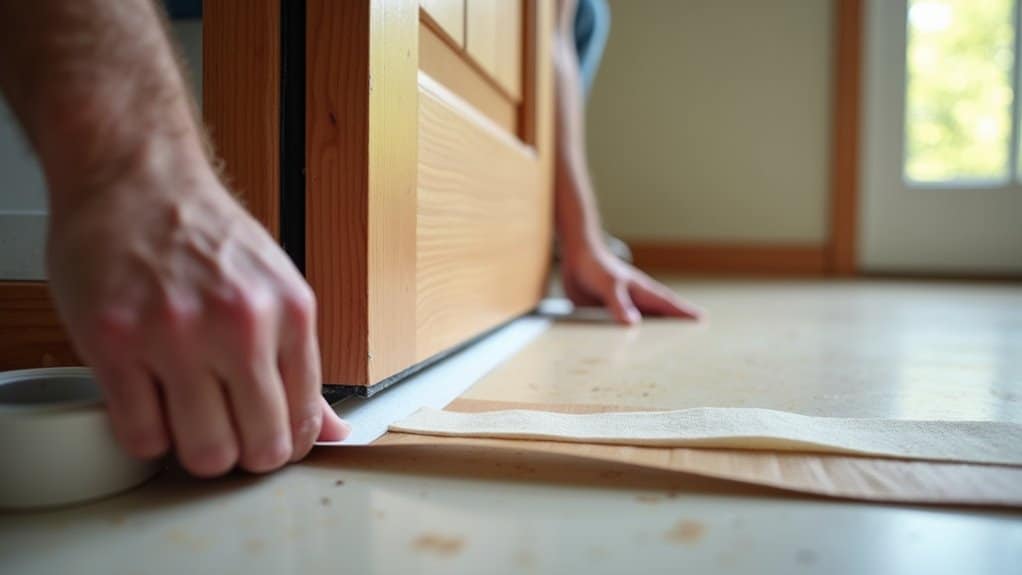
After renovation work concludes, you must systematically evaluate your home’s ventilation performance to determine whether upgrades or new panel installations are warranted. Conduct comprehensive air quality testing procedures that measure VOCs, formaldehyde, and CO₂ levels to verify adequate ventilation. Simultaneously, gather occupant feedback evaluation by asking residents about persistent odors, discomfort, or respiratory symptoms; these insights reveal performance gaps. Inspect HVAC components for dust and debris, then verify airtightness measurements comply with building codes (below 5 m³/(h.m²) @50Pa). Visual assessments should identify water damage, mold, or condensation indicating moisture mismanagement. If testing reveals heightened CO₂, inadequate purge ventilation, or insufficient door undercuts, you’ll need to install background ventilators or upgrade to mechanical extraction systems to meet regulatory standards and guarantee occupant health.
Lifestyle Changes and Airflow Demands
Your home’s ventilation requirements shift markedly when lifestyle patterns change, whether through increased occupancy, altered work arrangements, health considerations, or seasonal variations. Occupancy changes and activity fluctuations directly impact indoor air quality, demanding amplified airflow capacity.
Consider these critical scenarios:
- Occupancy increases – Doubling household members heightens ventilation needs by up to 50%, as CO2 levels can exceed 1,000 ppm with inadequate exchange rates.
- Remote work adoption – Home offices without mechanical ventilation require window panels to combat CO2 buildup, reducing productivity loss and respiratory discomfort associated with stuffiness.
- Health sensitivities – Allergy and asthma sufferers need improved airflow to reduce indoor allergen concentrations by 40%, controlling humidity that triggers mold growth.
Activity fluctuations from home workouts or frequent cooking similarly heighten humidity and VOC concentrations, necessitating upgraded ventilation infrastructure to maintain ideal indoor air standards.
Frequently Asked Questions
Can Window Ventilation Panels Be Installed in Rental Properties or Temporary Housing Situations?
Yes, you can install window ventilation panels in rental properties when you obtain property owner approval initial. You’ll want to prioritize renter safety considerations by choosing removable, non-permanent options that don’t damage the structure or obstruct emergency exits. Tool-free, snap-in panels work well for temporary housing. Before installation, you should review your lease agreement carefully, many explicitly prohibit permanent modifications. Getting written landlord permission protects you from lease violations and clarifies removal responsibilities at move-out.
How Do Exterior Environmental Factors Like Pollution or Noise Affect Ventilation Panel Placement Decisions?
You must assess outdoor pollution sources and noise levels when positioning ventilation panels. Avoid placing them near busy roads, industrial areas, or neighborhoods with frequent wood burning. You’ll want to locate panels on quieter building sides for noise-sensitive rooms. Consider outdoor temperature variations and neighborhood activities that affect seasonal air quality. You’re strategically balancing fresh air intake with pollutant filtration needs, ensuring your panels optimize ventilation without compromising indoor air quality or comfort.
What Maintenance Is Required to Keep Window Ventilation Panels Functioning Optimally Year-Round?
You’ll sustain ideal window ventilation panel performance through consistent upkeep. Perform routine inspections quarterly, checking seals, screens, and control mechanisms for damage or debris. Clean metal mesh panels monthly and replace carbon filters every 3, 6 months. Conduct seasonal cleaning in spring and autumn to optimize airflow efficiency. Test airflow regularly using simple methods like tissue checks. Schedule professional maintenance annually to identify hidden issues, verify weatherstripping integrity, and guarantee mechanical components function properly year-round.
Are Window Ventilation Panels Compatible With Existing Smart Home Automation or Climate Control Systems?
Yes, you’ll find that modern window ventilation panels integrate seamlessly with your existing smart home systems. They’re compatible with smart thermostat settings from Nest, Ecobee, and Honeywell, allowing coordinated climate control. Many models also integrate with security systems, enabling automated window management linked to occupancy detection and alarm status. You’ll utilize Wi-Fi, Zigbee, or proprietary protocols for communication. However, you should verify compatibility with your specific thermostat brand and security platform before purchasing.
How Quickly Can Occupants Notice Improvements in Air Quality After Installing Ventilation Panels?
You’ll likely notice noticeable air quality changes within hours to days after installing ventilation panels. While measured contaminant reductions occur rapidly, sometimes within 24, 48 hours, your occupant satisfaction levels typically crest within the initial week. You’ll perceive less stuffiness and fewer odors immediately, though cross-ventilation delivers the most dramatic perceived freshness. Your experience depends on initial pollution levels and panel operation consistency, but most occupants report meaningful comfort improvements quickly.