
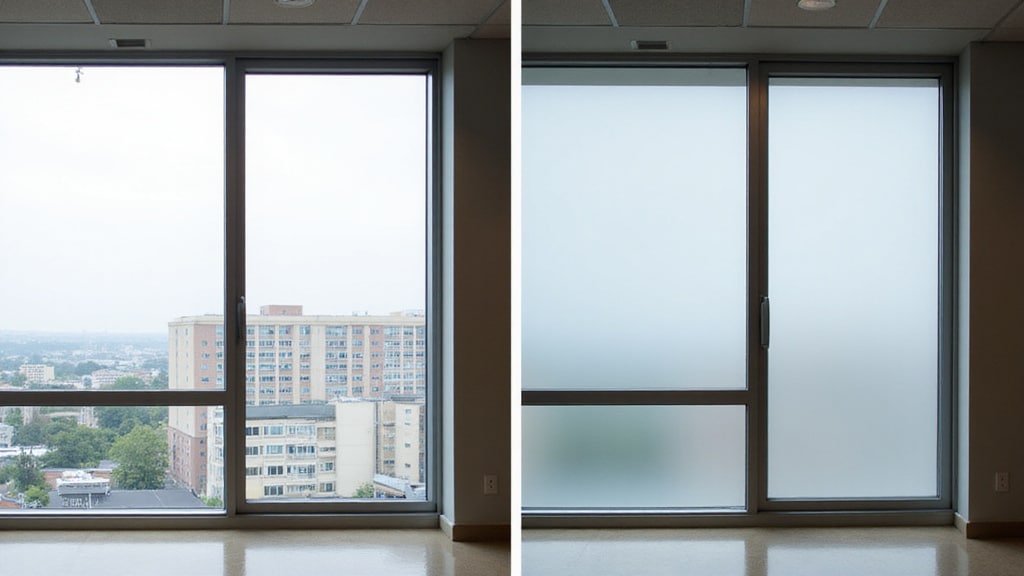
You’ll need to maintain window glazing at 8-10% of your floor space and safeguard at least 4% remains operable per ASHRAE standards. Strategic placement at elevated heights maximizes airflow circulation, while casement or awning windows provide superior air intake. Minimum 2.7-meter room heights facilitate proper air stratification. You’re looking at 15-20% total window area with 5% dedicated to ventilation openings. These specifications directly reduce respiratory infections by up to 78% and elevate cognitive function by 8-10%. Understanding how these elements interact reveals optimization opportunities.
Minimum Window Ventilation Area Requirements

To guarantee adequate indoor air quality and natural ventilation, building codes establish specific minimum window area requirements based on floor space and room function. You’ll find that international codes commonly mandate an 8, 10% glazed window area relative to your room’s floor space for habitable areas. Your openable window area must reach at least 4% of the ventilated floor area per ASHRAE standards. Window placement considerations greatly impact effectiveness, you need at least one window or skylight facing directly outdoors. For natural ventilation strategies, at least 45% of your minimum required window area must remain operable. Strategic window positioning at height ensures optimal airflow circulation and maximizes the effectiveness of your ventilation system. Bathrooms represent an exception; you can forgo windows entirely if mechanical ventilation‘s provided. Remember that obstructions blocking daylight or airflow don’t count toward minimum requirements, so ensure unobstructed placement for peak performance.
Understanding ASHRAE Ventilation Rate Standards
While minimum window areas establish the baseline for natural ventilation, determining how much outdoor air you actually need requires a more rigorous framework. ASHRAE Standard 62.1 provides the Ventilation Rate Procedure (VRP), the industry’s primary prescriptive method for calculating required outdoor airflow. Essential regulations for window ventilation often vary by locality and can impact overall indoor air quality. Understanding these regulations is crucial for compliance with building codes.
VRP combines two essential components:
- Per-person rates (cfm/person) and per-area rates (cfm/sq.ft) that you sum to determine zone airflow requirements
- Zone Air Distribution Effectiveness adjustments that convert calculated airflow into final supply requirements
- Occupant activity impacts that vary across 250+ distinct space types, ensuring customized ventilation for specific uses
You must verify compliance through system performance testing during all operational modes. This systematic approach accounts for pollutant variability and occupant susceptibility, establishing predictable indoor air quality standards your design must meet. The standard’s ventilation rate requirements have evolved through multiple revisions to balance health, comfort, and acceptability alongside energy efficiency considerations. When occupancy levels fluctuate, demand controlled ventilation can reduce outdoor airflow below VRP limits while maintaining the area-based component as a minimum threshold. The latest 62.1-2025 edition introduces new calculation methods to enhance precision in determining ventilation requirements across diverse building applications.
Health and Indoor Air Quality Benefits

Proper window ventilation consistently delivers measurable health improvements across multiple physiological and cognitive domains. You’ll experience reduced respiratory infection risk, indoor air pollution raises childhood lower respiratory infection risk by 78%, yet adequate ventilation mitigates this burden considerably. Simultaneously, you’ll gain heightened productivity and cognitive function; buildings with optimized air quality demonstrate 8-10% increases in cognitive performance and workplace productivity valued at $6,500 annually per person. You’ll also notice fewer asthma symptoms and allergic responses, as improved ventilation decreases exposure to dust mites and airborne allergens. In addition, you’ll reduce sick leave by 20% through modest ventilation investments. The average person spends 90% of their time inside, making indoor air quality optimization particularly critical for long-term health outcomes. Common household allergens like dust mites, pet dander, and mold accumulate in homes with limited ventilation, contributing to the poor indoor air quality that affects millions of Americans. Building materials, equipment, and furniture can release harmful vapors that compromise respiratory health without adequate air exchange. These benefits compound: you’re simultaneously lowering your long-term disease risk while improving daily comfort and well-being.
Design Considerations for Effective Window Ventilation
Achieving the health and productivity gains outlined above requires thoughtful architectural planning that strategically positions and sizes your windows. You’ll want to implement these core design principles:
- Placement Strategy: Position windows on opposite or adjacent walls to facilitate cross-ventilation, with larger openings facing prevailing winds and smaller vents on leeward sides to exhaust warm air
- Dimensional Requirements: Guarantee your window area comprises 15, 20% of floor area, with openable ventilation area reaching at least 5% of floor area for ideal airflow
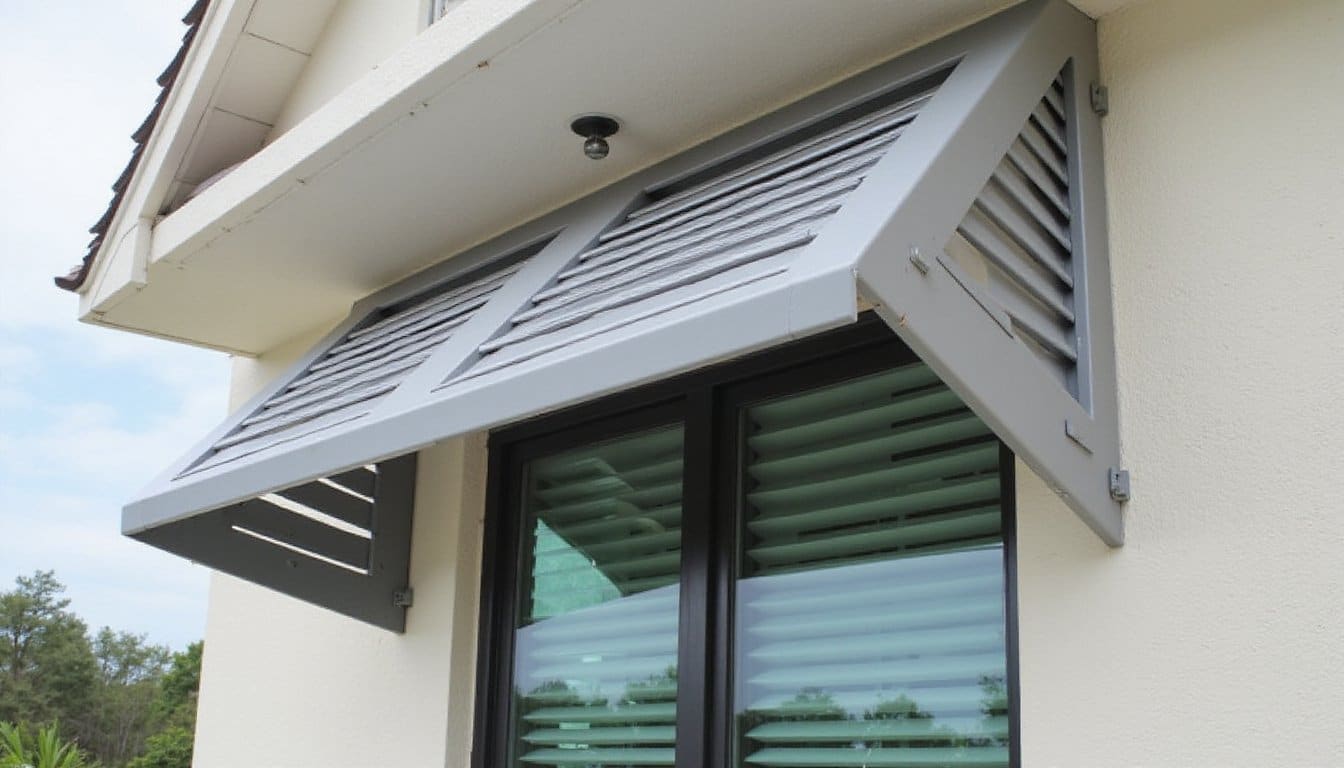
- Operational Design: Select casement or awning windows with full-opening sashes and minimal muntins to optimize air intake. Awning windows are particularly effective in humid climates as they allow ventilation even during rainfall.
Your strategic window placement, combined with thermally efficient glazing, supports adequate air changes while maintaining thermal performance. Maintain room heights of 2.7 metres minimum to promote superior air stratification and circulation patterns. The stack effect naturally draws cooler air in at lower levels while expelling warmer air at the top, enhancing passive ventilation efficiency. Integrating trickle vents into your design provides continuous fresh air delivery even when windows remain closed, ensuring consistent indoor air quality without relying solely on manual window operation.
The Role of Mechanical Ventilation Systems

Although natural ventilation strategies offer considerable benefits, they can’t consistently manage indoor air quality across all conditions, mechanical ventilation systems bridge this gap by delivering independent, controlled airflow that operates regardless of weather patterns, building orientation, or outdoor air quality. Swing window designs provide a variety of advantages for homeowners seeking energy efficiency and aesthetic appeal. The benefits of swing window designs extend beyond aesthetics, as they can lead to reductions in energy costs and improved indoor air quality.
You’ll benefit from advanced systems that employ occupancy-based ventilation control, automatically adjusting air exchange rates to match real-time occupancy and pollutant loads. System monitoring and data-driven adjustments utilizing CO2 and pollutant sensors enable you to maintain ideal IAQ while ensuring compliance with health guidelines. Regular filter cleaning and professional servicing maintain the long-term performance of these systems and prevent costly repairs. Integrated filtration captures airborne particulates, VOCs, and biological contaminants, greatly reducing indoor pollutant levels. Qualified personnel are essential for proper ventilation design and maintenance to ensure system effectiveness throughout the building’s lifetime. For enhanced protection, you can integrate electrostatic, activated carbon, and UV-C technologies to eliminate pathogens and odors, making mechanical ventilation essential for vulnerable populations and tightly sealed, energy-efficient buildings. Systems like Energy Recovery Ventilators further enhance efficiency by recycling energy from exhaust air while transferring it to incoming fresh air.
Frequently Asked Questions
How Often Should Window Ventilation Systems Be Inspected and Maintained for Optimal Performance?
You should inspect your window ventilation system annually at minimum, with bi-annual checks recommended for high-occupancy or polluted environments. You’ll need to perform periodic filter replacements every 6, 12 months and conduct ventilation performance testing annually. You must dust frames regularly, lubricate moving parts yearly, and schedule deep ductwork cleaning every 2, 5 years. You should log all maintenance activities systematically and adjust your schedule based on manufacturer guidelines and local environmental conditions for ideal system reliability.
What Are the Cost Differences Between Natural Window Ventilation and Mechanical Ventilation Systems?
You’ll find natural ventilation costs remarkably less initially, requiring minimal equipment beyond windows. However, mechanical systems demand higher upfront expenses due to installation intricacies involving ductwork and controls. Your energy efficiency concerns favor natural ventilation, it consumes no electricity, while mechanical systems increase utility bills substantially. Natural systems need minimal maintenance; mechanical alternatives require regular filter replacements and motor servicing. Despite higher initial costs, mechanical systems may justify expenses through superior climate control in demanding environments.
Can Window Ventilation Requirements Vary Based on Climate Zone or Geographical Location?
Yes, your window ventilation requirements absolutely vary based on climate zone and geographical location. You’ll find that regional building codes mandate specific adjustments to window parameters like SHGC values, pane configurations, and opening sizes. You must account for seasonal variations in temperature and humidity when designing ventilation strategies. Hot climates require SHGC values of 0.25 or less, while temperate zones allow 0.40 or less. You’ll optimize performance by tailoring your window specifications to your region’s distinct climate characteristics.
How Do Security Bars or Protective Screens Affect Window Ventilation Effectiveness and Compliance?
You’ll find that security bars notably compromise your window ventilation effectiveness by reducing openable areas by 10-12% with standard designs, or up to 50% with mesh screens. You must consider external bar placement to minimize obstruction. You’re facing critical security bar considerations: dense configurations create window ventilation limitations that may violate building codes requiring minimum free opening areas. You’ll likely need supplementary mechanical ventilation to maintain compliance and adequate indoor air quality when you’ve installed protective barriers.
What Documentation or Permits Are Required When Installing Supplementary Mechanical Ventilation Systems?
You’ll need to submit detailed mechanical permits to your local Authority Having Jurisdiction before installation. Your documentation must include contractor licensing, project specifications, mechanical drawings, and equipment data. You’re required to follow ventilation code compliance and local building regulations specific to your jurisdiction. A licensed mechanical contractor typically pulls the permit, and you’ll need final inspection approval post-installation to verify code adherence before operating your supplementary mechanical ventilation system.