



To become qualified for window screen installation, you’ll need to master basic carpentry skills and specialized tools like spline rollers and utility knives. Develop proficiency in measuring, cutting, and installing different screen types while learning proper stretching techniques. If you’re in California, understand the $500 job value threshold that determines licensing requirements. Consider pursuing relevant trade certifications and hands-on training programs. The path to professional screen installation expertise unfolds with each technical skill you acquire.
Essential Technical Skills and Training Requirements
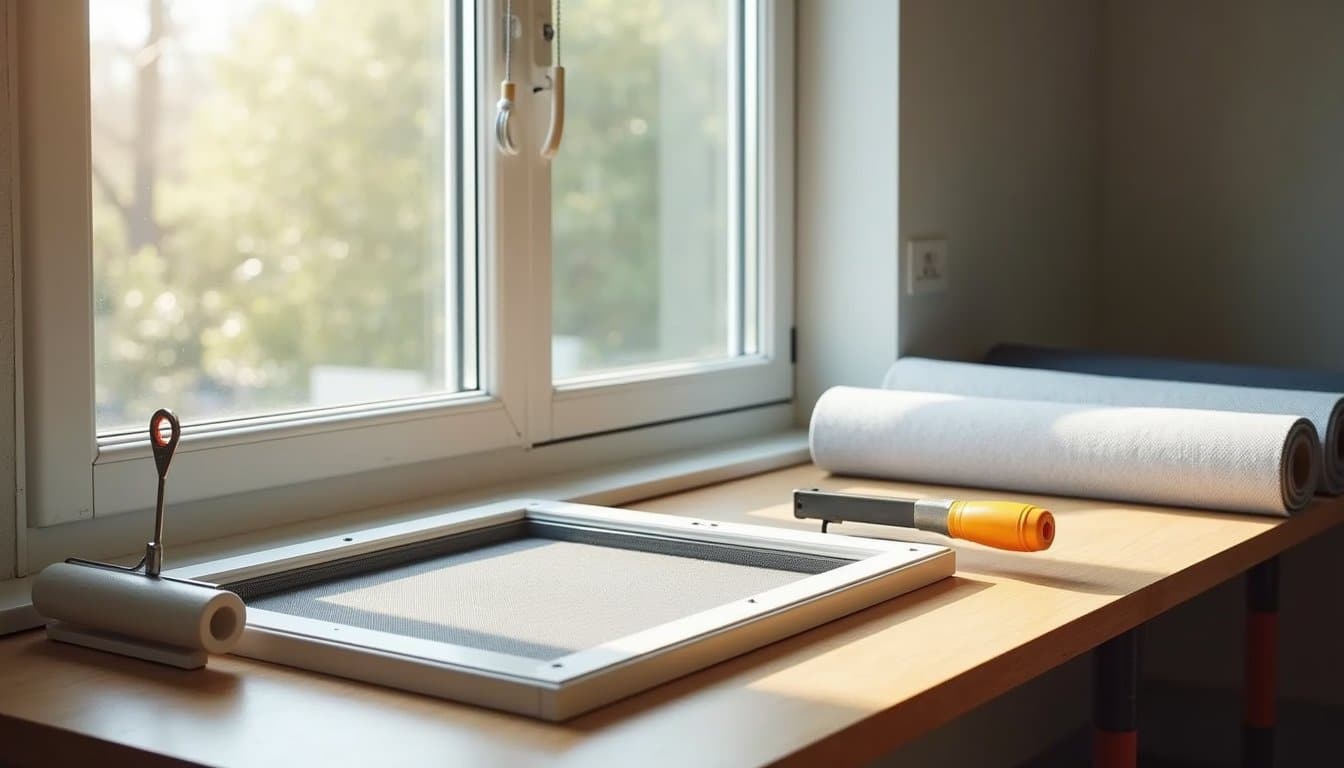
While becoming a qualified window screen installer doesn’t always require formal education, you’ll need to develop specific technical skills and undergo proper training to succeed in this field. Start by mastering basic carpentry skills and familiarizing yourself with various window screens components, including frame types and mesh materials.
You’ll need to become proficient with specialized tools used for installing custom screens, such as spline rollers and utility knives. Many employers provide hands-on training to help you perfect techniques for measuring, cutting, and installing different types of screens, from standard fiberglass to specialized pet-resistant options. To demonstrate your expertise, consider pursuing relevant trade certifications or completing training programs focused on window screen installation. Developing manual dexterity and attention to detail will guarantee you can efficiently diagnose issues and deliver precise installations that meet client specifications.
Understanding California Licensing Regulations
In California, you’ll need to understand the strict $500 job value threshold that determines whether you need a Handyman (B-2) or General Contractor license for window screen installations. Your business costs and pricing strategy must account for licensing fees while remaining competitive, as these requirements can substantially impact your operational expenses. While permits aren’t typically required for basic screen installations, you’re still legally bound by the licensing regulations, which protect both you and your customers through proper qualification and insurance requirements.
License Thresholds and Limits
California’s licensing regulations establish clear monetary thresholds that determine when you’ll need professional credentials for window screen installation work. For both residential and commercial projects exceeding $500, you must hold either a Handyman (B-2) license or General Contractor license to perform the work legally.
While this threshold hasn’t been adjusted for inflation, it remains strictly enforced. If you’re operating without proper licensing above this limit, you’ll face potential penalties and enforcement actions. Additionally, your customers will have limited legal recourse if issues arise with unlicensed work. The B-2 non-structural license allows you to perform specific maintenance and repair tasks, including window screen installations. Understanding these thresholds is essential before taking on projects, as compliance guarantees both legal operation and customer protection.
Cost Impact on Business
The restrictive $500 licensing threshold creates significant operational challenges for window screen installation businesses in California. You’ll find that even basic door and window installation services often exceed this outdated limit, forcing you to either obtain costly licensing or limit your project scope.
Your business operations are directly impacted by these regulations, as you must carefully structure pricing to stay under the threshold or invest in licensing compliance. The current $1,000 waiver cap isn’t sufficient for today’s market rates, and increasing it to $2,500 would better reflect actual costs. You’re also required to display license numbers in advertising, adding another layer of complexity to your business operations. Without proper licensing, you’ll face strict penalties and limited ability to resolve customer disputes through official channels.
Permits vs. License Rules
Beyond the basic cost considerations, you’ll need to understand the distinct but interconnected requirements for permits and licenses in California. While window screen installation may seem straightforward, especially during varying weather conditions, the state’s $500 threshold for licensing requirements affects your compliance obligations.
| Aspect | Permit Required | License Required |
|---|---|---|
| Basic Screen Repair | No | No if under $500 |
| Full Window Install | Yes | Yes |
| Multiple Screens | Maybe | If over $500 |
| Weather Sealing | Yes | Yes |
| Custom Frames | Yes | Yes if over $500 |
Operating without proper licensing can prevent you from pulling necessary permits, potentially limiting your business scope. While the B-2 non-structural license covers screen installation work, you must carefully evaluate whether your services exceed the $500 threshold, requiring full contractor credentials.
Tools and Equipment Mastery
Mastering essential tools and equipment stands as a fundamental requirement for professional window screen installation. You’ll need to develop proficiency with spline rollers, utility knives, and measuring tapes to perform installations efficiently and accurately.
To elevate your capabilities, you’ll want to become skilled with power tools like circular saws and drills, enabling you to fabricate custom screens when needed. Understanding proper screen stretching techniques and spline installation methods guarantees your work meets professional standards. You should familiarize yourself with various screen materials, from standard fiberglass to specialized pet-resistant options.
Maintain a complete toolbox stocked with essential accessories, including replacement spline and screen corners. This preparation allows you to complete repairs and installations on-site without delays, maximizing your professional efficiency and client satisfaction.
Safety Protocols and Best Practices
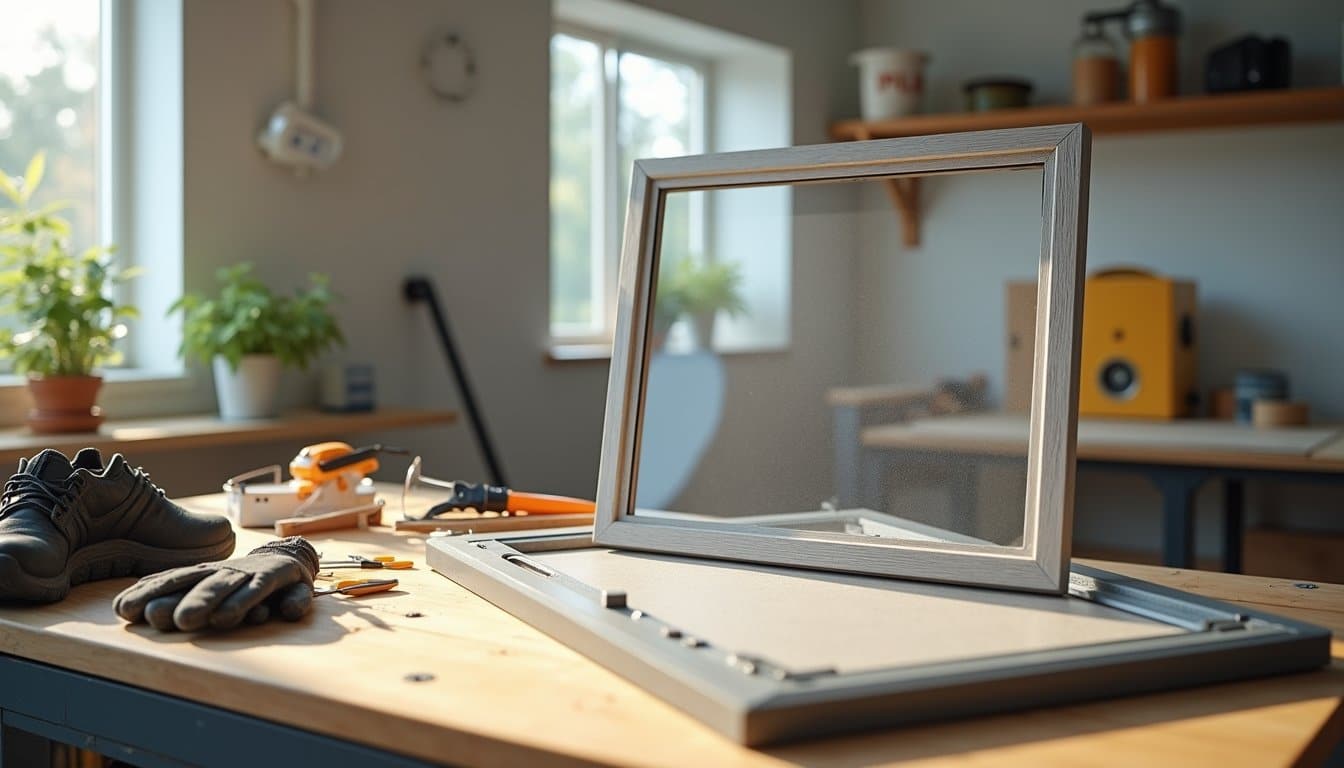
While proficiency with tools equips you for installation work, implementing rigorous safety protocols safeguards both you and your clients. Professional installers must prioritize workplace safety through proper protective equipment and structured practices.
- Always wear appropriate safety gear including impact-resistant glasses, cut-resistant gloves, and non-slip footwear when handling screens and frames
- Practice proper ergonomic lifting techniques for heavy window assemblies to prevent musculoskeletal injuries
- Maintain an organized workspace free of potential hazards, with tools properly stored and walkways clear
- Complete required safety certifications for heights work, power tool operation, and hazardous material handling
Proper disposal of waste materials according to local regulations demonstrates your commitment to environmental responsibility. Remember that consistently following safety protocols not only protects you but also builds client trust and supports long-term career sustainability.
Screen Materials and Installation Techniques
The selection of appropriate screen materials and mastery of installation methods form the foundation of professional window screen installation. You’ll need to understand the differences between fiberglass and aluminum mesh options, considering that fiberglass offers cost-effectiveness while aluminum provides superior durability and resistance to corrosion.
To achieve professional results, you must master the use of specialized tools like spline rollers and utility knives. When working with window frames made of aluminum, vinyl, or wood, you’ll need to apply proper tension techniques and guarantee precise spline installation. Your measurements must be exact, and the screen material should be secured firmly to prevent wrinkles or sagging. These technical skills, combined with knowledge of different frame materials’ characteristics, will enable you to deliver long-lasting, high-quality window screen installations.
Building a Professional Portfolio

To establish credibility in the window screen installation industry, you’ll need to develop an exhaustive professional portfolio that showcases your expertise and track record. Your home improvement portfolio should thoroughly document your skills, certifications, and successful projects.
Building a comprehensive portfolio is essential for window screen installers to demonstrate expertise and establish industry authority.
- Compile a digital collection of before-and-after photos highlighting your precision in custom screen fabrication, alongside detailed measurements and specifications for each installation
- Include customer testimonials and performance metrics that demonstrate your track record of successful installations and client satisfaction
- Document all relevant certifications from recognized industry organizations in window installation, carpentry, and general home improvement
- Create a chronological record of specialized training workshops, continuing education courses, and industry seminars you’ve completed to demonstrate your commitment to professional development
Customer Service and Communication Skills
Building a strong portfolio demonstrates your technical capabilities, but mastering customer service and communication skills propels your window screen installation career to new heights. To take the next step in your professional development, focus on delivering exceptional service during every installation.
| Key Skills | Impact |
|---|---|
| Active Listening | Accurate requirement gathering |
| Clear Communication | Precise cost estimates |
| Professional Documentation | Complete customer records |
You’ll need to effectively explain installation processes, address concerns promptly, and maintain detailed records of each project. Your ability to build rapport with clients while maintaining professional boundaries guarantees long-term success. Remember that thorough follow-up after completion exhibits your commitment to quality service and helps generate referrals. By consistently delivering outstanding customer experiences, you’ll establish a reputation that sets you apart in the industry. © 2024 All Rights Reserved.
Career Growth and Advancement Opportunities
Successful window screen installers who demonstrate consistent excellence can access numerous advancement pathways within the industry. As you master the installation of screens for windows and doors, you’ll find opportunities to elevate your career through specialized training and certifications from organizations like the American Screen and Patio Association.
- Advance to lead technician positions, where you’ll oversee installation teams and complex projects
- Shift into specialized roles such as sales consultant, project manager, or quality assurance specialist
- Earn performance-based bonuses and promotions by maintaining high customer satisfaction rates
- Pursue professional development through company training programs to enhance technical expertise
Your demonstrated proficiency in custom screen installation can lead to supervisory positions, where you’ll train new installers and manage large-scale residential and commercial projects.
Legal Compliance and Insurance Requirements
Legal compliance stands as a fundamental requirement for window screen installers across various jurisdictions. In California, you’ll need a general contractor or handyman license for jobs exceeding $500. Proper liability coverage and licensing protect both you and your customers while guaranteeing legal recourse options remain available.
| Requirement | Details |
|---|---|
| License Type | General Contractor/Handyman |
| Cost Threshold | $500+ requires license |
| Insurance Needs | Liability coverage mandatory |
| Legal Display | License number in advertising |
To maintain compliance, you must properly display your license number in advertisements and business communications. Consider separating screen sales from installation services, allowing homeowners to directly contract licensed handymen. When uncertain about specific requirements, consult legal experts familiar with your local jurisdiction’s regulations to confirm complete compliance with all applicable laws and insurance mandates.
Industry Certifications and Memberships
Professional recognition in window screen installation begins with industry-specific certifications and memberships through the American Screen and Patio Association (ASPA). The credentialing benefits of ASPA certification establish your expertise while opening doors to career advancement opportunities.
ASPA certification unlocks professional advancement and industry recognition for window screen installers seeking to validate their expertise and credentials.
- Hands-on training programs guarantee you’ll master essential installation techniques and professional best practices
- Official ASPA membership verifies your commitment to industry excellence and demonstrates your professional standing
- Continuous learning opportunities help you stay current with evolving installation methods and technical innovations
- Authorization to represent premium brands like Best Custom Screens enhances your market credibility
Frequently Asked Questions
What Is the Average Price to Install a Window Screen?
You’ll find the average cost to install a window screen ranges from $50 to $150 per unit. If you’re hiring a professional, expect to pay $20-$50 for labor per screen, which typically makes up 40-60% of your total cost. You can save money by choosing the DIY route, where you’ll only spend $10-$30 per screen. Your final price will depend on screen material, window size, and any additional repairs needed.
What Is the Job of a Window Screen?
A window screen’s primary job is to provide ventilation enhancement while protecting your indoor space. When you open your windows, the mesh barrier allows fresh air to flow freely through your home while keeping out unwanted insects, debris, and larger airborne particles. You’ll also benefit from reduced solar heat gain, improved privacy during daylight hours, and protection for your window glass from minor impacts like small branches or stones.
Is Replacing Window Screens Hard?
Replacing window screens isn’t particularly difficult as a DIY screen installation project. You’ll need basic tools like a spline roller, utility knife, and measuring tape. The most challenging aspects are measuring accurately and applying consistent pressure when installing the spline. If you’re working with aluminum frames, you’ll want to be extra careful not to bend them. Most homeowners can complete a single screen replacement in about 30 minutes.
Can You Replace Window Screens Yourself?
Yes, you can replace window screens yourself as it’s a feasible DIY project. You’ll need basic tools including a spline roller, utility knife, measuring tape, and replacement screen material. The process involves removing the old screen and spline, cutting new screen material to size, pressing it into the frame with a spline roller, and trimming excess material. While it requires patience and attention to detail, most homeowners can successfully complete this task.