
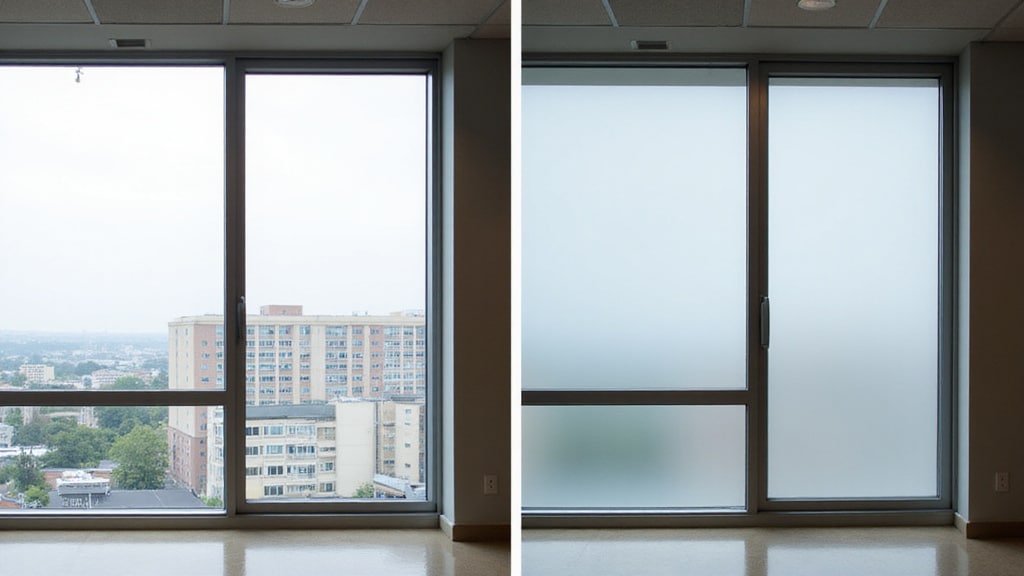
Natural window ventilation provides you with significant health and financial benefits in 2025’s energy-conscious environment. You’ll reduce your cooling costs by 10-30% while improving indoor air quality through decreased airborne pathogens and pollutants. Smart technology integration now allows you to optimize airflow automatically, potentially cutting your building’s energy consumption by up to 50% compared to traditional HVAC systems. Understanding proper window placement and seasonal strategies will maximize these advantages for your space.
The Science Behind Natural Airflow Through Windows

When air moves through windows, it follows fundamental principles of fluid dynamics that architects and engineers harness to create efficient natural ventilation systems. You’ll find that natural airflow occurs through two primary mechanisms: wind-driven ventilation and stack effect ventilation. These natural ventilation strategies depend on your window design and placement, with perpendicular orientation to prevailing winds maximizing airflow efficiency.
Your choice of operable windows, including casement, awning, and sliding types, directly affects ventilation control. The strategic positioning of these windows creates pressure differentials that drive air movement throughout your space. When you optimize your window-to-wall ratio and implement proper vertical separation between inlets and outlets, you’ll enhance indoor air quality while reducing mechanical cooling needs. This scientific approach to window design guarantees effective pollutant dilution and moisture control.
Key Health Benefits of Window-Based Ventilation
The scientific principles of natural window ventilation directly translate into measurable health benefits for building occupants. By maximizing air circulation through strategic window design, you’ll experience significant improvements in indoor air quality and overall wellbeing.
| Health Benefit | Impact of Natural Ventilation |
|---|---|
| Respiratory Health | Reduces asthma and allergy symptoms |
| Cognitive Function | Improves focus and productivity |
| Sleep Quality | Enhances rest through better air quality |
| Immune Response | Decreases exposure to airborne pathogens |
| Overall Wellness | Lowers exposure to indoor pollutants |
Your health directly benefits from proper window-based ventilation through multiple mechanisms. The continuous exchange of fresh air dilutes indoor contaminants, while regulated airflow maintains ideal humidity levels. This natural ventilation approach particularly benefits vulnerable populations, supporting immune function and reducing respiratory illness risk through improved indoor air quality. Improving indoor comfort through ventilation also plays a critical role in enhancing overall well-being. By ensuring a steady flow of fresh air, we can create a more pleasant living environment.
Energy Cost Savings in Modern Home Design

Your home’s natural ventilation system can reduce annual cooling costs by up to 30% when you strategically position windows to maximize airflow patterns and stack effect dynamics. You’ll notice immediate utility bill reductions through the integration of smart ventilation controls that automatically adjust window openings based on outdoor temperature and wind conditions. The cost-benefit analysis of implementing natural ventilation strategies in modern home design shows significant returns, as you’ll minimize reliance on mechanical cooling systems while maintaining ideal indoor comfort levels.
Annual Utility Bill Reductions
Modern homeowners implementing natural ventilation strategies can achieve substantial utility savings through reduced reliance on mechanical cooling systems. You’ll see a 10-30% reduction in annual cooling costs by optimizing your home’s natural airflow patterns and window placement.
When you strategically design your home’s ventilation system, you can decrease your energy consumption by up to 40%, translating to significant utility bill reductions. The savings are particularly noticeable during peak cooling seasons when HVAC systems typically consume the most power. By maximizing your home’s energy efficiency through proper window orientation and building design, you’ll benefit from hundreds to thousands of dollars in annual utility savings. These cost reductions remain consistent year after year, making natural ventilation a financially sound investment for long-term energy savings.
Smart Ventilation Cost Benefits
Building upon these substantial utility savings, smart ventilation systems in contemporary home design offer even more sophisticated cost-benefit advantages. You’ll find that strategically designed natural ventilation can reduce your reliance on mechanical ventilation by 10-30%, considerably lowering energy consumption and associated costs.
When you incorporate smart window placement and maximize building orientation, you’re optimizing the efficiency of natural airflow patterns. This approach not only minimizes your initial investment in HVAC systems but also reduces long-term operational expenses. The integration of natural ventilation with modern home design provides dual benefits: improved indoor air quality and decreased energy costs. By leveraging these passive cooling strategies, you’re investing in a system that’ll continually generate returns through reduced energy bills while maintaining ideal comfort levels in your living space.
Optimal Window Placement for Maximum Air Circulation
To maximize your home’s natural ventilation, you’ll need to position windows strategically on opposing walls to create cross-flow patterns that move air efficiently through living spaces. You can enhance this airflow by incorporating a mix of high and low window placements, with clerestory or transom windows above and operational windows below, creating a dynamic vertical air movement system. Your window arrangement should follow zone-based planning principles, keeping room depths under 45 feet and aligning openings with prevailing wind patterns to guarantee consistent air circulation throughout the structure.
Strategic Cross-Flow Positioning
When designing ideal natural ventilation systems, strategic window placement becomes the cornerstone of effective cross-flow air circulation. You’ll need to position your windows on opposing walls while guaranteeing they’re perpendicular to prevailing summer winds. This configuration maximizes the natural flow of air through your home.
To optimize the stack effect, incorporate high-low ventilation by installing air inlets at lower levels and outlets at higher positions. You’ll want to maintain at least 6 feet of vertical separation between these openings to confirm continuous airflow. Remember to keep the path between windows clear of obstructions and balance the size of your openings. By following these placement principles, you’ll create a robust natural ventilation system that efficiently moves air through your living spaces.
Height and Size Impact
Since critical window dimensions directly influence ventilation efficiency, understanding the relationship between height, size, and air circulation becomes essential for effective system design. The stack effect’s power in natural ventilation depends on strategic height placement and proper sizing of your windows.
- Position your windows at least 3 feet apart vertically to maximize the stack effect, allowing cooler outdoor air to enter while warm indoor air exits through higher openings
- Install tall, narrow windows rather than short, wide ones to optimize airflow and enhance indoor air quality
- Keep window openings under 45 feet wide to maintain effective cross-ventilation patterns
- Add transom windows above doors and between rooms to create continuous airflow paths throughout your space
These dimensional considerations will help you achieve ideal natural ventilation performance while maintaining balanced indoor air quality levels.
Zone-Based Window Arrangement
As architects and builders increasingly recognize the importance of natural ventilation, strategic zone-based window placement has emerged as a critical design factor. By grouping windows into designated ventilation zones, you’ll create effective cross-ventilation systems that maximize indoor air quality throughout your home.
You’ll achieve the most comfortable living environment by positioning windows at varying heights within each zone. This arrangement harnesses the stack effect, where cooler air enters through lower openings while warmer air exits through higher ones. When you align your home’s longer axis perpendicular to prevailing summer winds, you’ll ideal natural airflow patterns between zones. Installing adjustable windows in these strategic locations lets you fine-tune ventilation based on weather conditions, ensuring consistent air exchange between rooms while maintaining perfect indoor comfort levels.
Seasonal Strategies for Natural Window Ventilation
Four distinct seasonal strategies govern effective natural window ventilation, each requiring careful attention to weather patterns and environmental conditions. To guarantee thermal comfort and energy efficiency throughout the year, you’ll need to adapt your window design and operation based on seasonal variations.
- Spring/Fall: Open windows during mild temperatures to achieve ideal indoor air quality while minimizing energy consumption through natural ventilation
- Summer: Position windows strategically to capture evening breezes, implementing nighttime flushing to remove accumulated heat and reduce cooling loads
- Winter: Integrate solar heat gain with controlled ventilation periods, utilizing thermal mass to retain warmth while maintaining necessary air exchanges
- Year-round: Monitor weather conditions consistently to adjust window operations, potentially reducing your annual energy usage by 10-30% through proper natural ventilation management
These science-based approaches guarantee sustainable comfort while prioritizing safety and efficiency.
Smart Technology Integration With Natural Ventilation

While traditional window operation relies on manual adjustments, modern smart technology revolutionizes natural ventilation through automated, data-driven control systems. Smart home systems now integrate advanced sensors and artificial intelligence to guarantee your indoor air quality by automatically adjusting window openings based on real-time environmental conditions.
You’ll find that integrated sensors continuously monitor temperature, humidity, and air quality metrics, while AI algorithms process this data to make intelligent ventilation decisions. The latest window technology features motorized operators that respond to these automated commands, seamlessly coordinating with other smart home automation features like thermostats and lighting. Through user-friendly smartphone apps and voice controls, you can easily customize ventilation preferences while letting the system maintain ideal conditions. This integration maximizes energy efficiency without compromising your comfort or safety.
Environmental Impact of Window-Based Cooling
You’ll find that window-based cooling systems can reduce your building’s energy consumption by up to 50% compared to traditional HVAC systems, making them a critical component in sustainable building design. Your strategic implementation of natural ventilation through properly positioned windows will directly contribute to lowering carbon emissions, as buildings currently account for 40% of global energy-related greenhouse gases. By incorporating smart window ventilation into your cooling strategy, you can achieve up to 30% reduction in your building’s carbon footprint while maintaining effective temperature control.
Energy Usage Analysis
The substantial 40% share of total energy consumption attributed to buildings underscores the critical importance of natural window ventilation as an energy-reduction strategy. You’ll find that strategic window design directly impacts your building’s energy usage and HVAC systems efficiency.
Key factors affecting energy consumption through natural ventilation include:
- Window-to-wall ratios must align with your climate zone, ranging from 10% in hot regions to 20% in temperate areas
- Proper window placement can reduce cooling needs by 10-30% while maintaining thermal comfort
- Pressure differentials from oversized openings can actually decrease ventilation effectiveness
- Integration with existing HVAC systems optimizes indoor air quality and energy savings
These technical considerations demonstrate how natural ventilation through windows isn’t just about opening and closing them it’s about precise engineering to maximize energy efficiency while ensuring occupant comfort.
Sustainable Cooling Solutions
Modern cooling systems face mounting environmental scrutiny, making natural window ventilation an increasingly essential sustainable solution. You’ll find that optimizing window placement and window-to-wall ratio can dramatically reduce your reliance on mechanical cooling, cutting energy consumption by up to 30%.
To maximize cooling efficiency, you should implement cross-ventilation and stack effect strategies in your building design. These natural ventilation techniques work together to create comfortable indoor environments while minimizing greenhouse gas emissions. By strategically positioning windows and utilizing these passive cooling methods, you’re contributing to global energy reduction goals outlined in the Montreal Protocol.
This shift toward window-based cooling solutions directly addresses the challenge of building energy consumption, which currently represents 40% of worldwide energy usage. The environmental benefits make natural ventilation a cornerstone of sustainable architecture.
Carbon Footprint Reduction
How substantially can natural window ventilation reduce your home’s environmental impact? The data shows significant potential for cutting greenhouse gas emissions through strategic window-based cooling solutions. Your shift to natural ventilation can decrease energy use by eliminating up to 20% of household power consumption typically dedicated to air conditioning.
Key carbon footprint reduction benefits:
- Natural ventilation systems can reduce cooling energy requirements by 10-30% compared to conventional HVAC
- Properly designed cross-ventilation eliminates the need for electricity-powered cooling in many climates
- Window optimization strategies align with 2025 energy efficiency targets
- Your home’s environmental impact decreases as part of the building sector’s 40% contribution to energy-related CO2 emissions
Design Elements That Enhance Natural Airflow
When designing for ideal natural ventilation, strategic placement and configuration of windows serve as foundational elements that can dramatically enhance airflow throughout a building. You’ll find that strategic window placement maximizes outdoor wind movement and diurnal temperature variations to create effective ventilation patterns. Windows can help establish cross-ventilation when positioned on opposite walls, while taller ceilings amplify the stack effect.
| Design Element | Function | Impact |
|---|---|---|
| Window Height | Stack Effect | Vertical air movement |
| Operable Types | Flow Control | Adjustable ventilation |
| Cross Placement | Air Movement | Enhanced circulation |
| WWR Ratio | Climate Balance | Optimal performance |
| Window Size | Air Volume | Flow capacity |
The benefits of natural ventilation are maximized when you carefully consider these design parameters, ensuring proper sizing and positioning for your specific climate conditions.
Weather Patterns and Window Ventilation Efficiency
Building upon the principles of window design, understanding local weather patterns becomes a powerful tool for maximizing natural ventilation efficiency. You’ll need to adapt your ventilation strategy in Meriden, CT to optimize improved indoor air quality throughout the year.
- Cross-ventilation through opening windows on opposite sides creates effective airflow patterns that dilute indoor pollutants, regardless of season
- Evening and nighttime cooling can help maintain comfortable indoor temperatures during summer months when you strategically open windows
- Natural ventilation effectiveness depends on your understanding of local wind patterns and temperature variations
- Enhanced indoor air quality relies on your ability to sync ventilation timing with Meriden’s daily weather cycles
Building Codes and Natural Ventilation Standards
While natural ventilation offers numerous benefits, compliance with modern building codes and standards remains crucial for enabling safe and effective implementation. You’ll need to understand how good ventilation practices align with ASHRAE Standard 62.1 and IECC guidelines to enhance indoor air quality and meet regulatory requirements.
| Standard | Focus Area | Impact |
|---|---|---|
| ASHRAE 62.1 | Minimum Airflow | Ventilation dilutes pollutants |
| IECC | Energy Efficiency | Reduces HVAC dependency |
| Passive House | Air Quality | Controls indoor pollutants |
Building codes now emphasize adequate ventilation through natural means, particularly in residential and commercial spaces. You’ll find that certifications like LEED and BREEAM reward designs that maximize natural ventilation potential. These standards guarantee your ventilation strategy not only meets compliance requirements but also creates healthier indoor environments while reducing energy consumption.
Frequently Asked Questions
Why Is Natural Ventilation Important?
Natural ventilation is essential for your home’s indoor air quality and energy efficiency. Through strategic ventilation design, you’ll create favorable airflow quality that helps regulate temperature and control humidity naturally. You can reduce your reliance on mechanical systems through passive cooling, cutting energy costs by up to 30%. It’s a crucial safety feature that guarantees continuous fresh air circulation, even during power outages, while maintaining healthy indoor conditions for you and your family.
What Are the Problems With Natural Ventilation?
You’ll face several challenges when relying on natural ventilation. Insufficient air circulation can occur during calm weather, while inconsistent airflow makes it difficult to maintain stable indoor conditions. You’re also dealing with lack of temperature control and difficulty in managing humidity levels. Watch out for unpredictable air quality, especially in urban areas. Additionally, you’ll need to ponder increased pest entry risks and potential security vulnerabilities when leaving windows open for ventilation.
Why Do We Need to Maximize Natural Ventilation in Our House?
You’ll need to maximize natural ventilation in your house to achieve ideal comfort levels and energy efficiency. By promoting continuous air circulation, you’re creating a healthier indoor environment with improved air quality and effective temperature regulation. You can reduce your cooling costs while maintaining humidity control and odor reduction. Your home’s natural airflow helps eliminate stagnant air, pollutants, and excess moisture, creating a more sustainable and comfortable living space that relies less on mechanical systems.
What Are the Advantages of Natural Ventilation Over Artificial Ventilation?
You’ll experience significant energy efficiency savings and lower operational costs when you choose natural ventilation over artificial systems. It’ll improve your indoor air quality through continuous fresh air exchange while reducing your carbon footprint. You’ll benefit from enhanced occupant comfort without relying on mechanical systems. Natural ventilation offers greater versatility in design and aligns with sustainable building practices, giving you a cost-effective, environmentally responsible solution for your home’s ventilation needs.