
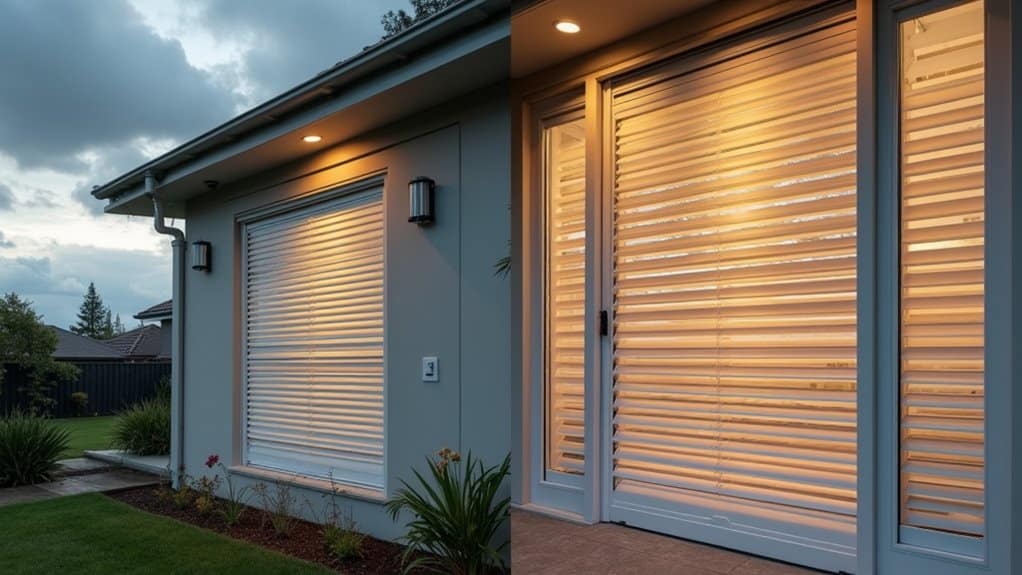
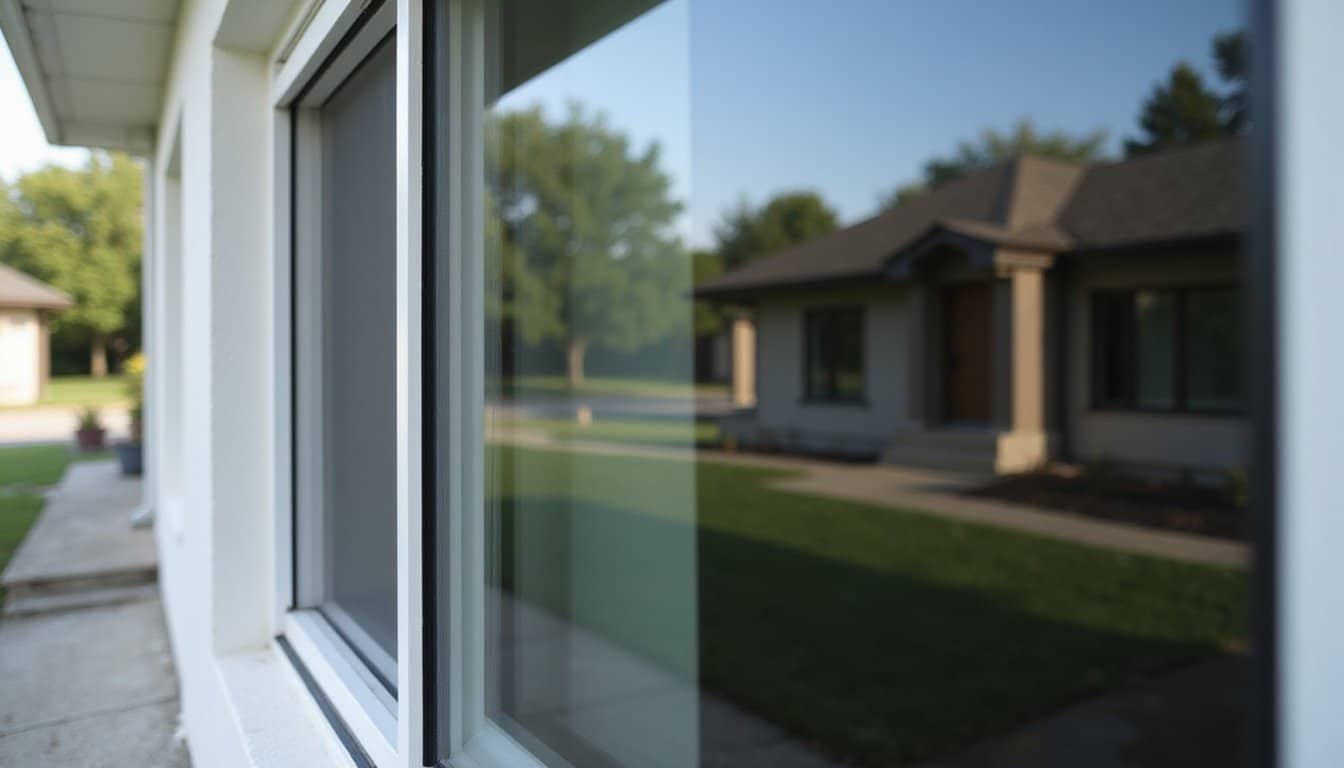
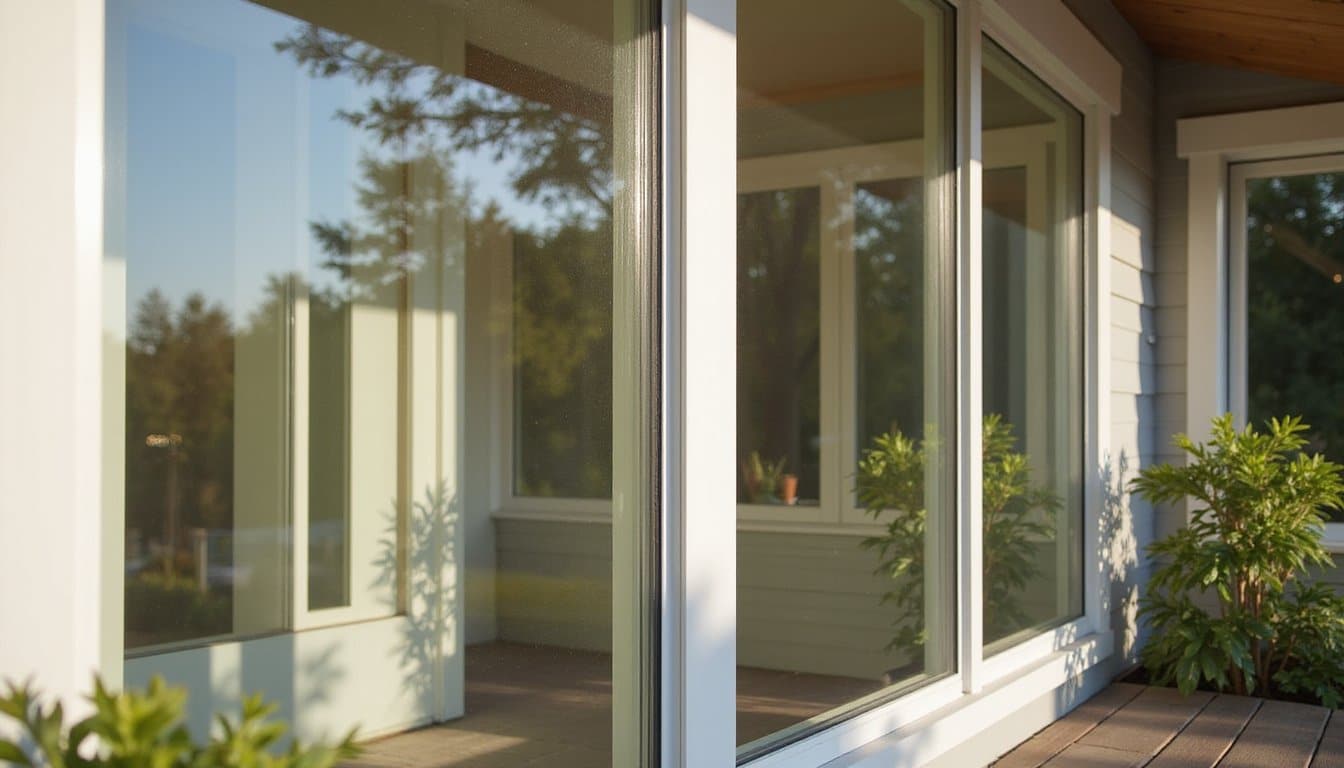
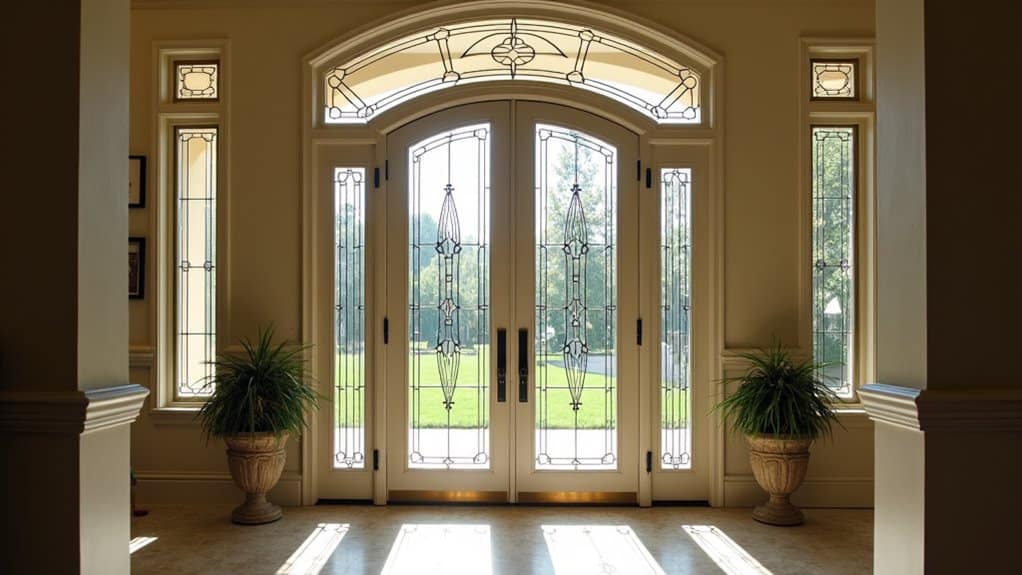
To maximize natural light in your home, select windows with large glass surface areas and minimal frames, prioritizing low-E coatings for energy efficiency. Position south-facing windows for ideal year-round illumination, while north-facing windows provide consistent diffused light. Consider picture windows for unobstructed views, casement styles for ventilation, and bay windows to create expanded light-filled spaces. Strategic placement based on room function and solar orientation will enhance your interior’s natural brightness. The following thorough guide reveals essential specifications for every room type.
The Science Behind Natural Light and Well-being

While many homeowners focus primarily on aesthetics when selecting windows, understanding the scientific impact of natural light on human biology reveals its pivotal importance. Natural light directly influences your circadian rhythm, regulating your sleep-wake patterns and overall well-being. When sunlight enters your living space, it triggers increased serotonin production, effectively combating seasonal affective disorder and enhancing your mood.
Beyond biological benefits, strategic window placement can yield up to 25% in heating and cooling energy savings. You’ll notice improved space perception as natural light creates depth and dimension within rooms. The connection to outdoors becomes more pronounced, transforming your interior environment. South-facing windows maximize these advantages by capturing ideal sunlight throughout the day, making them particularly effective for both aesthetic enhancement and biological benefits. Understanding these scientific principles will help you make informed decisions about window selection and placement.
Essential Window Features for Maximum Daylight
Building on the scientific principles of natural light, specific window features directly determine how effectively daylight enters your living space. To maximize natural illumination, you’ll want to focus on three key elements: glass specifications, frame design, and strategic placement.
Select windows with larger glass surface areas and low-E coatings, which maximize light transmission while managing heat transfer. You’ll benefit from minimalist frame designs that reduce obstruction and increase the overall glass-to-frame ratio. Energy-efficient technologies in modern windows help maintain consistent indoor temperatures without compromising daylight penetration.
Consider your windows’ orientation carefully south-facing placement typically yields the best natural light throughout the day. By combining these features, you’ll create an ideal balance of daylight, energy efficiency, and comfort in your living spaces.
Strategic Window Placement for Optimal Sunlight

When planning your home’s window layout, you’ll want to examine that north-facing windows deliver consistent, diffused light perfect for home offices and art studios, while south-facing windows maximize natural illumination for living spaces and sunrooms. Your room-by-room light assessment should match each space’s function with the appropriate window orientation bright morning light from east-facing windows can energize kitchens and breakfast nooks, while west-facing windows can create warm afternoon ambiance in dining areas. By strategically positioning windows based on solar orientation and room requirements, you’ll attain ideal natural lighting conditions throughout your home while maintaining energy efficiency.
North Vs South Exposure
The strategic positioning of windows based on north and south exposure stands out as the most critical factor in maximizing natural light throughout your home. When you’re planning window placement, you’ll find that north-facing windows deliver consistent, diffused light ideal for art studios or home offices, while south-facing windows capture maximum sunlight throughout the day, perfect for living spaces and solar heat gain benefits.
- South-facing windows offer the highest energy efficiency potential, providing abundant natural light and passive solar heating during winter months
- North-facing windows create even, glare-free illumination that’s perfect for consistent lighting conditions without harsh shadows
- Combining both exposures in your window placement strategy allows you to balance intense sunlight with softer, preferred light, creating favorable lighting conditions throughout the day
Remember that east and west exposures complement these primary orientations, offering morning and afternoon light respectively.
Room-by-Room Light Planning
Successful natural light optimization requires a carefully tailored window strategy for each room’s unique purpose and lighting needs. When choosing windows for your home, prioritize picture and bay windows in the living room to enhance natural light and create open, expansive views. Your kitchen benefits from casement and garden windows, which maximize ventilation while providing ample light for herb growing.
For bedrooms, double-hung and sliding windows offer the right balance of light control and privacy. Install awning and frosted windows in bathrooms to diffuse natural light while maintaining discretion. Transform your dining room with floor-to-ceiling and transom windows to create an energy-efficient, sophisticated atmosphere. This strategic placement guarantees each space receives optimal illumination while serving its specific function within your home’s overall lighting design.
Popular Window Styles That Welcome Light
Several window styles excel at maximizing natural light transmission while offering distinct functional advantages for your home. When choosing the right window types, consider how picture windows provide unobstructed views with their large, fixed panes, while casement windows combine illumination with superior ventilation. Double or triple glazing options across different window styles help maintain energy efficiency without compromising light entry.
Modern window designs merge abundant natural light with practical features, creating bright, functional spaces tailored to your home’s unique needs.
- Bay and bow windows create an expanded window area, dramatically increasing natural light while adding architectural interest
- Picture windows maximize daylight penetration through their simplified, frame-minimal design
- Sliding windows offer substantial glass area and versatile operation, ideal for rooms requiring both light and ventilation
Consider combining multiple window types to achieve ideal natural light distribution while meeting your specific room requirements and architectural preferences.
Room-by-Room Window Selection Guide

Selecting ideal windows for each room requires careful consideration of both functional requirements and lighting objectives. To guarantee your living room’s natural light, install picture or bay windows that create welcoming nooks while flooding the space with sunshine. In your kitchen, casement windows provide essential ventilation, while garden windows offer perfect conditions for growing herbs. Your bedroom’s windows should balance light and privacy double-hung or sliding options deliver ideal energy efficiency while maintaining comfort. For bathrooms, high-mounted awning windows with frosted glass guarantee privacy without sacrificing natural illumination. Transform your dining room with dramatic floor-to-ceiling windows or elegant transoms that maximize light penetration. Each room’s unique purpose demands specific window configurations that enhance both functionality and atmosphere while maintaining suitable lighting conditions throughout your home.
Energy Efficiency and Natural Light Balance
The delicate balance between energy efficiency and natural light ideal demands strategic window selection and implementation. You’ll find that double-paned windows filled with inert gas deliver superior thermal efficiency while maximizing natural light transmission. Low-E coatings effectively manage solar heat gain, reducing cooling costs without compromising illumination quality.
- Energy Star certified windows provide preferred performance metrics, ensuring you’re getting the best balance of energy-saving features and natural light penetration
- Vinyl windows offer an affordable, energy-efficient solution that maintains excellent light transmission while requiring minimal maintenance
- Double-paned units with inert gas filling minimize heat transfer while allowing maximum daylight to enter your space
When selecting windows, consider these energy-efficient features alongside your natural light requirements to create a comfortable, well-lit environment that reduces energy consumption and maintains consistent indoor temperatures.
Window Treatments That Enhance Natural Light
Strategic window treatments serve as essential tools for optimizing natural light distribution while maintaining comfort and privacy in your living spaces. You’ll find that sheer curtains effectively diffuse sunlight, creating a soft ambient glow throughout your rooms while preserving visibility.
For precise illumination control, install adjustable blinds that let you regulate light levels according to your needs. Light-filtering shades offer another versatile option, balancing natural brightness with privacy requirements. To maximize daylight penetration, incorporate reflective surfaces like mirrors and light-colored walls, which amplify and redistribute natural light across your interior spaces.
For areas with limited window access, consider installing skylights or roof windows. These overhead installations dramatically enhance natural illumination in traditionally dark spaces, transforming them into bright, welcoming environments that reduce your reliance on artificial lighting.
Maintenance Tips for Light-Maximizing Windows
Maintaining ideal light transmission through your windows requires a systematic approach to cleaning and upkeep. You’ll need to clean your windows monthly to guarantee maximum natural light flow, while selecting light-maintenance materials like vinyl or aluminum can reduce your ongoing maintenance requirements. Installing light-colored curtains enhances light control while protecting your privacy.
- Inspect your light-maximizing windows quarterly for cracks, seal damage, or frame deterioration that could compromise light performance
- Schedule professional maintenance annually to assess light regulation systems and confirm all components are functioning at peak efficiency
- Clean glass surfaces with appropriate solutions monthly, focusing on areas where light highlights reveal streaks or buildup
Smart Technology and Modern Window Solutions
Today’s window technology lets you control natural light with unprecedented precision through automated systems that integrate smart glass, motorized shades, and environmental sensors. You’ll maximize daylight efficiency with dynamic glass that automatically adjusts its tint based on sunlight intensity and temperature readings, while connected monitoring solutions provide real-time data on your windows’ performance. Your home’s natural illumination can be fine-tuned through smartphone apps or voice commands, allowing you to optimize light levels and energy usage throughout different times of the day.
Automated Light Control Systems
The rapid evolution of smart home technology has transformed how homeowners control natural light through their windows. With smart home automation systems, you’ll gain precise control over your home’s natural illumination through motorized blinds and shades that respond to multiple environmental factors. Integrated lighting and temperature sensors work seamlessly with voice-activated and app-controlled window solutions to optimize your indoor environment.
- Electrochromic glass automatically adjusts tint levels based on weather conditions and time of day, eliminating glare while maintaining your view
- Remote control and scheduling features let you program your windows to respond to occupancy sensors and daily routines
- Advanced automation systems integrate multiple sensors to balance natural light, energy efficiency, and comfort throughout your home
These technological solutions transform standard windows into sophisticated light management systems that enhance your living space while reducing energy consumption.
Smart Glass Technology Integration
Smart glass technology brings cutting-edge innovation to modern window solutions, revolutionizing how homeowners interact with natural light. You’ll find advanced features like tint on demand and integrated sensors that optimize natural light transmission throughout your space. These windows automatically adjust their tinting based on environmental conditions, while wireless connectivity enables remote control through your smartphone.
| Feature | Functionality | Benefit |
|---|---|---|
| Electrochromic | Dynamic tinting | Precise light control |
| Photochromic | Auto-darkening | Weather adaptation |
| Low-E Glass | IR reflection | Heat reduction |
| Smart Sensors | Light monitoring | Energy optimization |
Connected Window Monitoring Solutions
Building upon smart glass innovations, connected window monitoring solutions represent the next evolution in intelligent natural light management. You’ll maximize energy efficiency through smart window sensors that continuously analyze natural light levels, temperature, and ventilation patterns. These connected window systems leverage predictive algorithms to automatically adjust automated window blinds based on real-time environmental conditions.
- Window-integrated solar panels generate clean energy while maintaining ideal illumination, creating a dual-purpose solution for sustainability and comfort
- Augmented reality apps enable you to visualize different window configurations before installation, ensuring your choices align with both aesthetic and functional requirements
- Advanced monitoring systems integrate with your smart home platform to provide detailed analytics on energy savings, solar gain, and ventilation efficiency, helping you optimize your window performance year-round
These solutions transform traditional windows into dynamic, energy-efficient components of your smart home ecosystem.
Frequently Asked Questions
What Windows Are Best for Natural Light?
You’ll get ideal natural light by selecting large fixed or sliding windows with minimal frames and low-E glass. Consider your window placement and orientation to maximize sun exposure throughout the day. For the best efficiency, choose windows with high-performance materials and proper insulation. You can control light levels with adjustable window treatments like sheer curtains. Regular window maintenance guarantees your design choices continue delivering maximum illumination while maintaining energy efficiency.
Which Window Direction Has the Best Natural Light?
South-facing windows are your best choice for ideal natural light, providing consistent illumination throughout the day. You’ll get bright morning sun from east-facing windows and intense afternoon light from west-facing orientations. If you’re looking for softer, diffused light, north-facing windows are perfect. Consider window size, tilt angle, and glazing options to maximize light transmission. For the most effective solution, you’ll want to plan window placement strategically across multiple orientations.
What Are the Best Windows to Let Light In?
For maximum light entry, you’ll want to evaluate fixed or casement windows with large window pane sizes and minimal frame materials. Choose low-E double glazing that balances light transmission with energy efficiency. Bay or bow windows can dramatically increase your light exposure through multiple angles. While assessing window opening mechanisms, opt for designs that don’t obstruct light flow. Guarantee proper installation specifications to preserve optimal light penetration and insulation properties.
What Are the Best Windows to Block the Sun?
You’ll get the best sun-blocking results by combining UV-resistant glass or tinted windows with additional protection layers. Install exterior awnings or overhanging eaves for your first defense against direct sunlight. Add solar shades or blackout curtains inside for maximum control. For enhanced performance, consider windows with reflective coatings or professional window tinting. Light-blocking blinds and insulated shutters provide additional options to regulate sunlight based on your specific needs.