
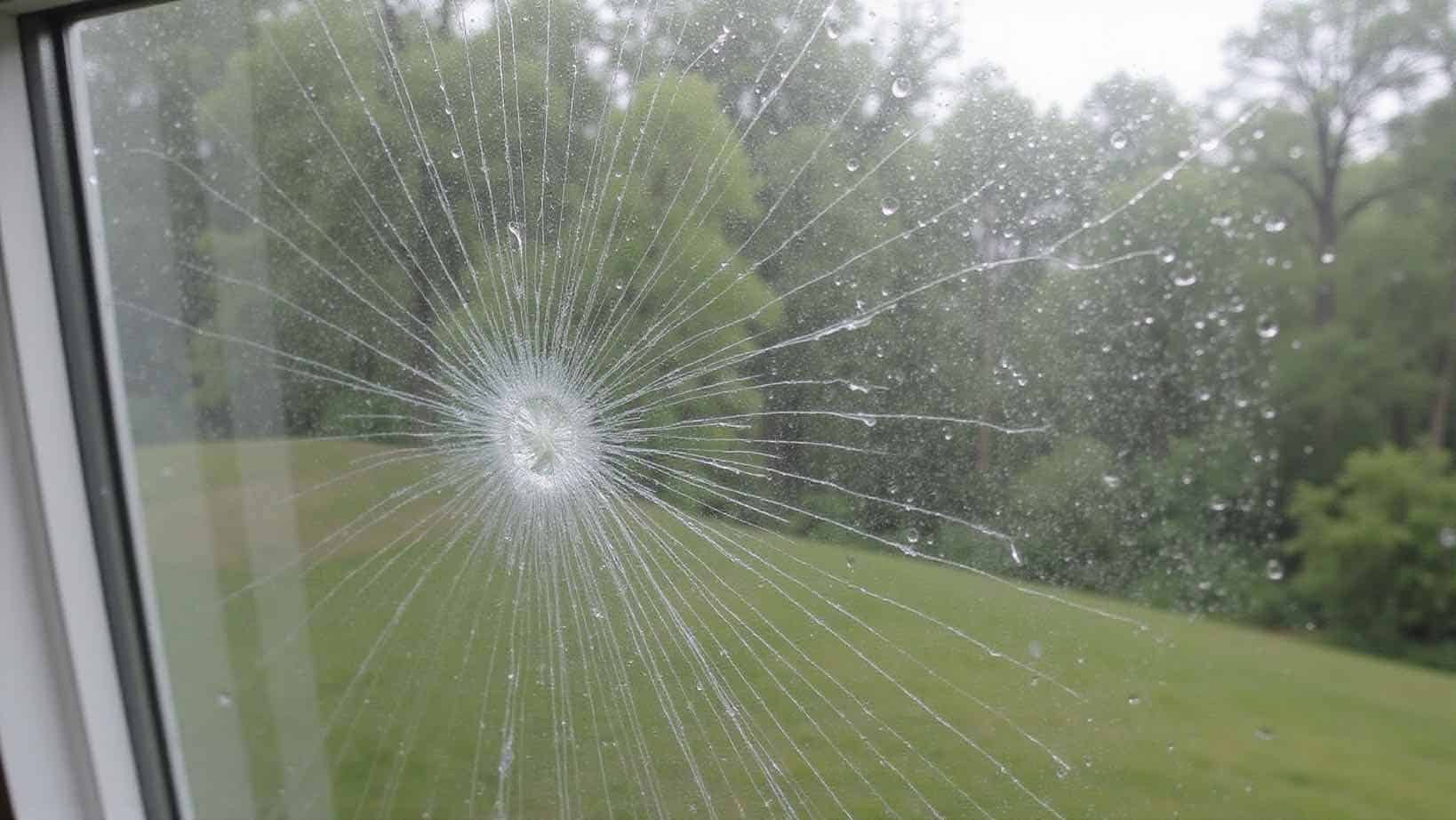
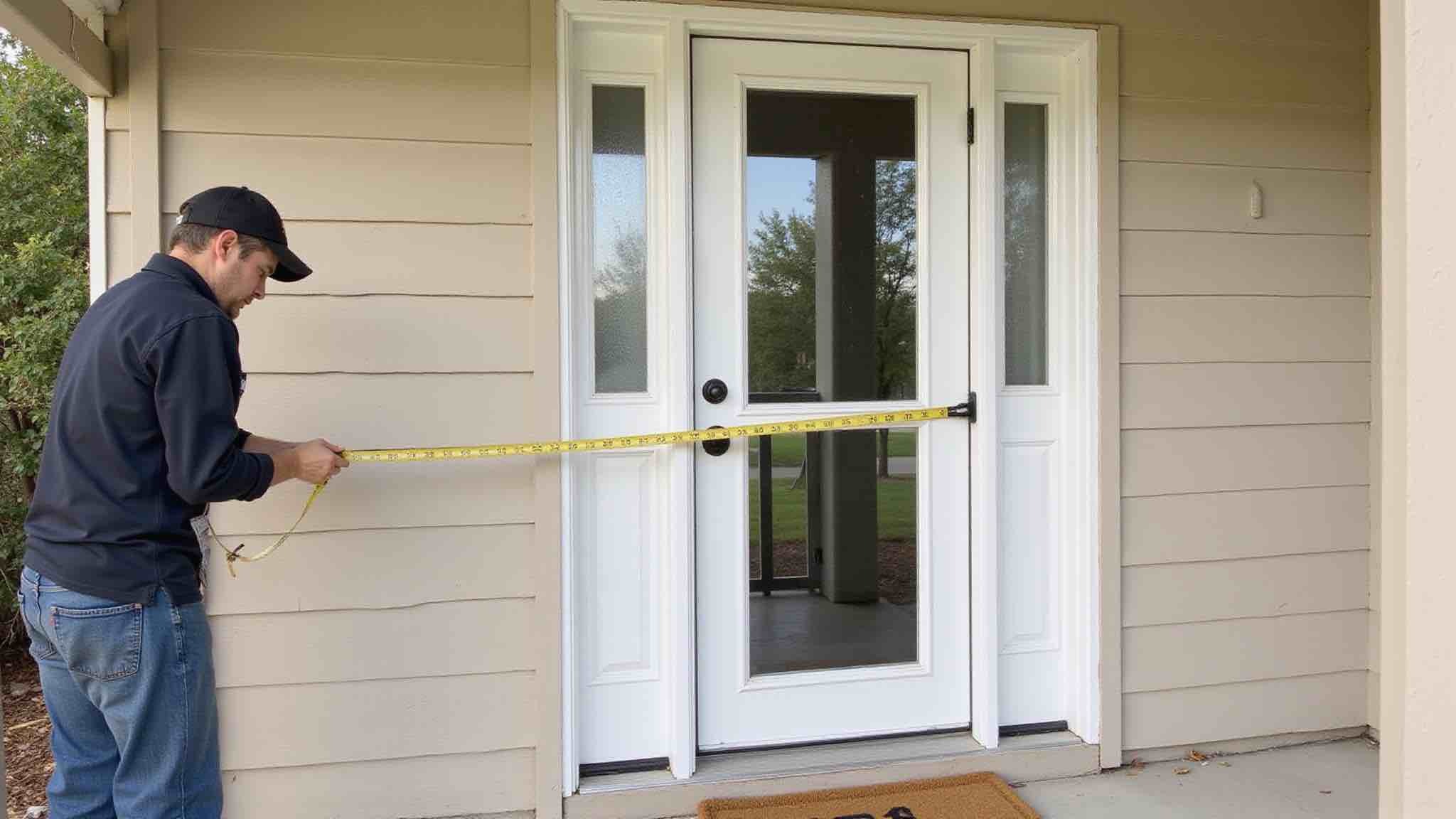
Yes, large hailstones can shatter your impact resistant window glass. Impact ratings verify penetration resistance and structural retention under ASTM E1996/E1886, not immunity from cracking. As stone size and speed increase, impact energy rises sharply, so your outer lite can fracture while the interlayer holds fragments and the inner pane stays intact. You’re not guaranteed crack-free performance in severe storms.
Key Takeaways
- Yes, large hailstones can break impact resistant windows, as they resist penetration but are not hailproof.
- Laminated glass may crack on the outer lite while the inner pane stays intact and sealed.
- Impact energy increases sharply with hailstone size and speed, raising the risk of visible cracking.
- ASTM E1996/E1886 testing meets defined thresholds, but real hailstorms can exceed those conditions.
- Repeated concentrated strikes focus stress in one area, promoting fracturing even in impact-rated glass.
Can hail break impact resistant windows
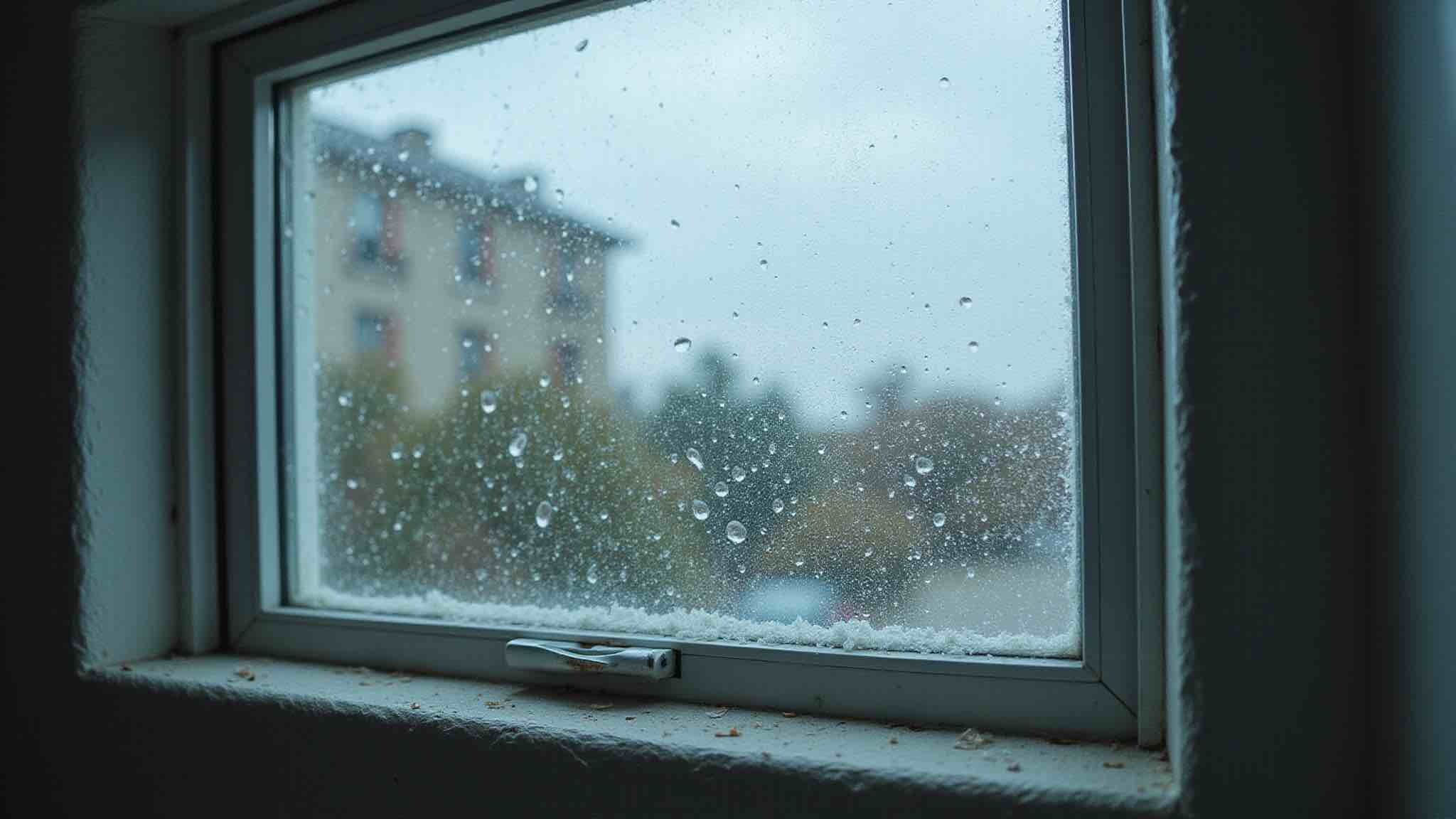
Yes, hail can break impact resistant windows. Impact windows resist penetration and structural failure, but they aren’t rated as hailproof. Large hailstones can still cause hail damage, because impact energy climbs sharply as hailstone size and speed increase. Laminated glass uses a resilient interlayer that holds fragments together, so the outer lite may crack while the inner pane stays intact. That’s structural retention, not immunity from cracking.
When hail reaches 1.5 to 2 inches, or repeated strikes concentrate stress in one area, you can expect visible fracturing. Impact windows tested to ASTM E1996/E1886 meet defined missile and pressure thresholds, but real hailstorms sometimes exceed those conditions. So yes, severe hail can break them.
How do impact resistant windows hold up against hail
Impact resistant windows hold up better than standard glass against hail, but their performance depends on the specific failure mode you’re measuring. You’re really tracking two distinct outcomes: penetration resistance and structural retention. Laminated impact glass uses a resilient interlayer that holds fragments in place, so even when the outer lite fractures, the interlayer keeps the opening sealed. That’s different from immunity. Under severe hail, especially 1.5 to 2 inch stones or repeated concentrated strikes, you can still see cracking or shattering. Products verified to ASTM E1996/E1886 meet a defined performance threshold under missile impact and cyclic pressure testing, but real hailstorms can exceed those conditions. So you should expect strong retention and reduced shattering risk, not guaranteed protection against extreme, high-energy hail events.
What hail size and speed can damage impact windows
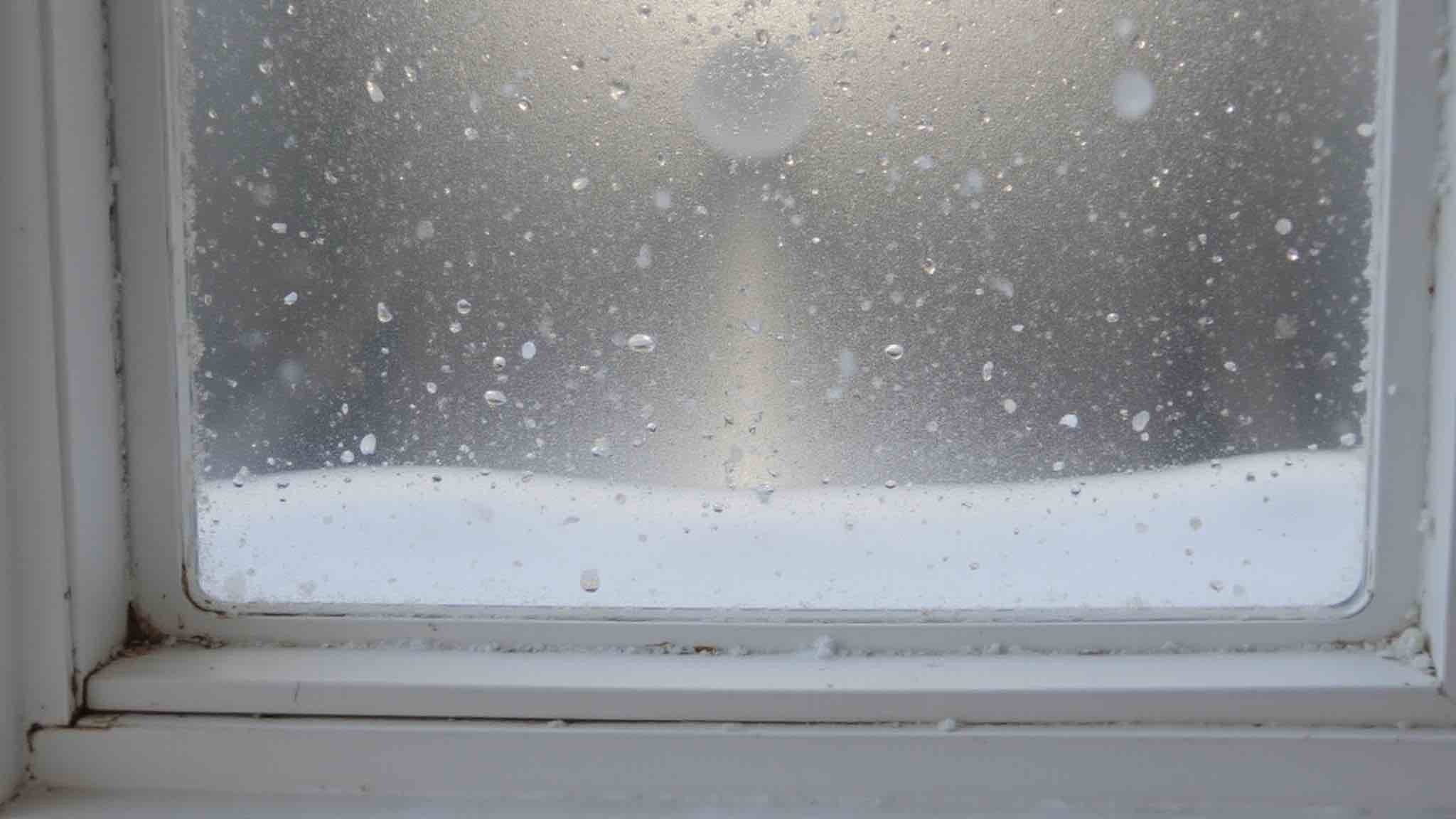
Hail around 1 inch can crack standard glass, while 1.5 to 2-inch stones may shatter standard insulated units outright. Because hail energy scales sharply with size and speed, the thresholds that matter aren’t linear. Impact-rated laminated glass raises those thresholds, but you shouldn’t expect immunity. Severe size, velocity, or repeated strikes still concentrate stress and fracture the outer lite.
| Hail Size | Typical Effect on Standard Glass | Effect on Impact Glass |
|---|---|---|
| ~1 inch | Cracking likely | Usually resists |
| 1.5 inch | Shattering possible | Outer lite may crack |
| 2 inch | IGU shatter | Fracture, interlayer holds |
| 2+ inch | Full failure | Cracking under stress |
| Repeated | Worsening damage | Long-term degradation |
You’ll get retention, not invulnerability.
What is the difference between hurricane and hail resistance
Hurricane and hail resistance measure fundamentally different threats. Hurricane-rated windows pass missile-style impact tests followed by cyclic pressure testing under ASTM E1996/E1886, simulating flying debris and rapid pressure changes. Hail resistance addresses concentrated, high-velocity ice strikes that build energy quickly as stone size increases. A window certified for one threat won’t automatically excel against the other.
Keep these distinctions in mind:
- Hurricane testing targets debris penetration and pressure cycling, not hailstone velocity.
- Hail energy rises sharply with stone diameter and fall speed.
- Standards focus differs, so verify the specific test report.
- Failure modes vary, since pressure loads and point impacts stress glass differently.
You’ll get better protection by matching certification to your regional threat.
How do you inspect impact windows for hail damage
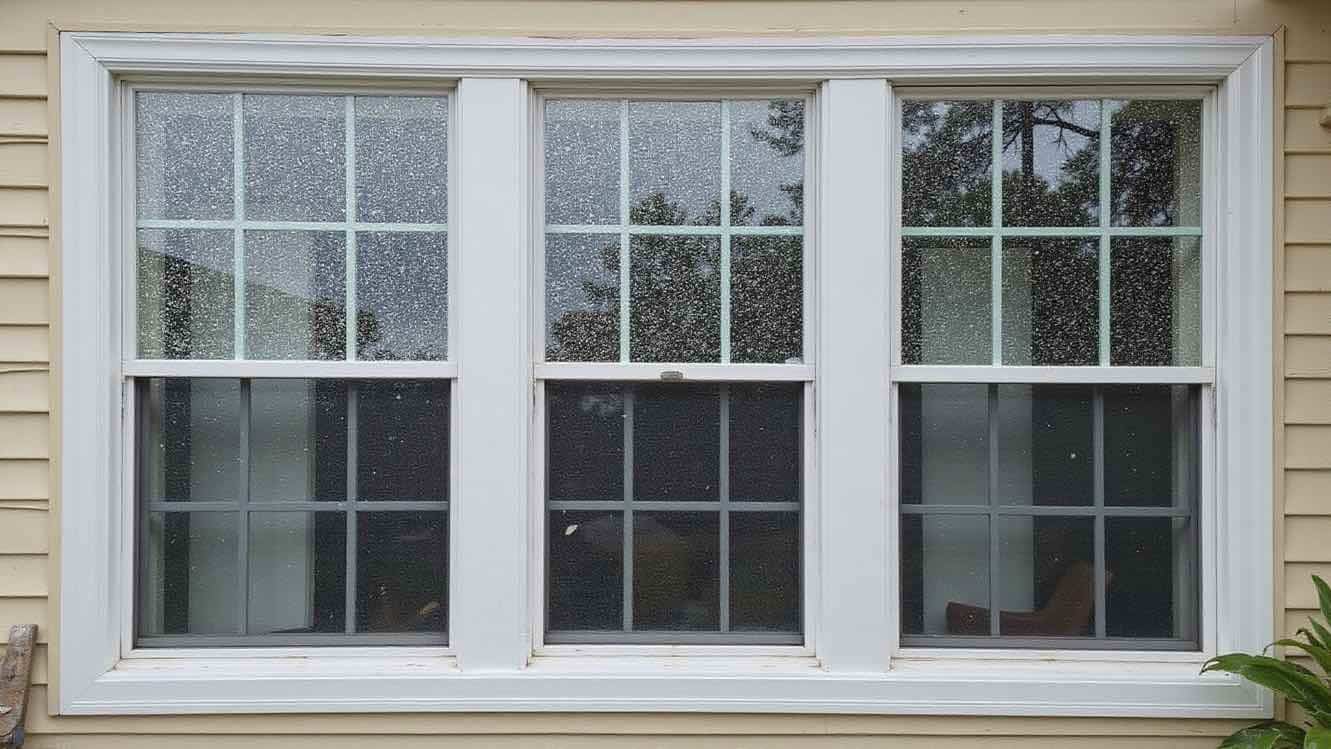
Inspect impact windows for hail damage by starting with the outer lite, since laminated units often fracture there while the interlayer holds fragments in place. Look for cracks concentrated in one area, which signals repeated strikes and stress accumulation. Check whether the outer pane has failed while the inner pane of an insulated unit stays intact. Examine frames, seals, and adjacent components, since these can fail before or alongside the glass. Distinguish cosmetic damage from functional failure; a window can remain in frame yet show visible cracking. Verify that the interlayer still retains fragments and maintains the building envelope. Reference the product’s ASTM E1996/E1886 documentation to confirm whether observed damage exceeds tested thresholds, and document each finding for warranty or replacement claims.
How do you choose windows that resist hail
Choose windows that resist hail by focusing on verified test data, not marketing labels. Impact-rated glass reduces shattering risk and helps keep the opening sealed after impact, but you want documented performance backed by recognized standards. Laminated glass with a resilient interlayer in a reinforced frame offers the strongest hail protection among common residential options.
Prioritize these factors when selecting windows:
- Verify ASTM compliance, confirm products meet ASTM E1996/E1886 or equivalent recognized standards.
- Choose laminated glass, select units with a resilient interlayer that holds fragments in place.
- Reinforce the frame, pair impact glass with reinforced frames for full-system retention.
- Review actual test reports, trust documented thresholds over general “impact-resistant” claims.
Expect damage reduction, not hailproof performance.
Conclusion
Impact-resistant windows stand up to hail far better than ordinary glass, but they are not hailproof. Their laminated interlayer is built for penetration resistance and structural retention, so the outer lite can crack while the inner pane stays sealed, which is protection, not immunity. Once hailstones reach about 1.5 to 2 inches, or strikes repeat in the same spot, visible fracturing becomes likely even on rated glass. Look for products verified to ASTM E1996/E1886, back them with reinforced frames, inspect after major storms, and treat impact windows as strong damage reduction rather than a guarantee against extreme hail.
Upgrade to Stronger, Storm-Tested Windows
Impact-resistant windows give your home its best defense against wind, debris, and severe weather year-round. Innovative Storm Defense in Parkland, FL installs laminated hurricane impact windows in reinforced frames, and can pair them with hurricane shutters for an added layer of protection. Call (561) 517-9399 or request a free consultation to see the right options for your home.
Frequently Asked Questions
Does Homeowners Insurance Cover Hail Damage to Impact-Resistant Windows?
Yes, your homeowners insurance typically covers hail damage to impact-resistant windows, since hail’s classified as a covered peril under most standard policies. You’ll still owe your deductible, and you should document damage thoroughly, photos, dates, and repair estimates. Keep in mind that impact-resistant glass can crack or delaminate even when it stays in-frame, so you’ll want to file claims for cosmetic and functional damage alike, referencing your policy’s specific coverage terms.
Are Impact-Resistant Windows Worth the Cost in Hail-Prone Areas?
Yes, they’re generally worth it in hail-prone areas, but expect damage reduction, not hailproof performance. You’ll get laminated glass with a resilient interlayer that resists penetration and keeps the opening sealed after impact, even when the outer lite cracks. Prioritize systems verified to ASTM E1996/E1886 in reinforced frames over vague “impact-resistant” labels. Just know severe or repeated large-hail strikes can still crack them, so treat protection as risk mitigation, not immunity.
Can Cracked Impact-Resistant Glass Be Repaired or Must It Be Replaced?
You’ll typically need to replace cracked impact-resistant glass, not repair it. Once the outer lite fractures or the interlayer delaminates, you’ve lost the certified performance verified under ASTM E1996/E1886, and no surface repair restores that rating. In insulated units, you can sometimes replace just the damaged lite, but you can’t reliably patch laminated glass. For continued storm protection, you’ll want a full glass-unit replacement that re-establishes the tested threshold.
Do Impact-Resistant Windows Come With Warranties Against Hail Damage?
You’ll find that most impact-resistant windows carry warranties, but hail damage coverage varies and often isn’t guaranteed outright. Manufacturers typically warrant against defects and glass breakage tied to certified performance under ASTM E1996/E1886 conditions, not every extreme hail event. You’ll want to verify whether cosmetic damage, repeated strikes, or oversized hailstones are excluded. Check the specific test standards referenced and confirm coverage limits, since “impact-resistant” labeling doesn’t automatically mean hail’s covered.
How Long Do Impact-Resistant Windows Last After Repeated Hailstorms?
You won’t get a fixed lifespan, because repeated hailstorms accumulate stress and progressively degrade performance. Even when your laminated glass resists penetration, each strike can worsen cracks, stress the interlayer, and weaken frames and seals over time. You’ll see cosmetic and functional failures emerge at different points. Windows meeting ASTM E1996/E1886 hold up better, but repeated large-hail impacts shorten durability, so you should inspect regularly and expect damage reduction, not permanent protection.