
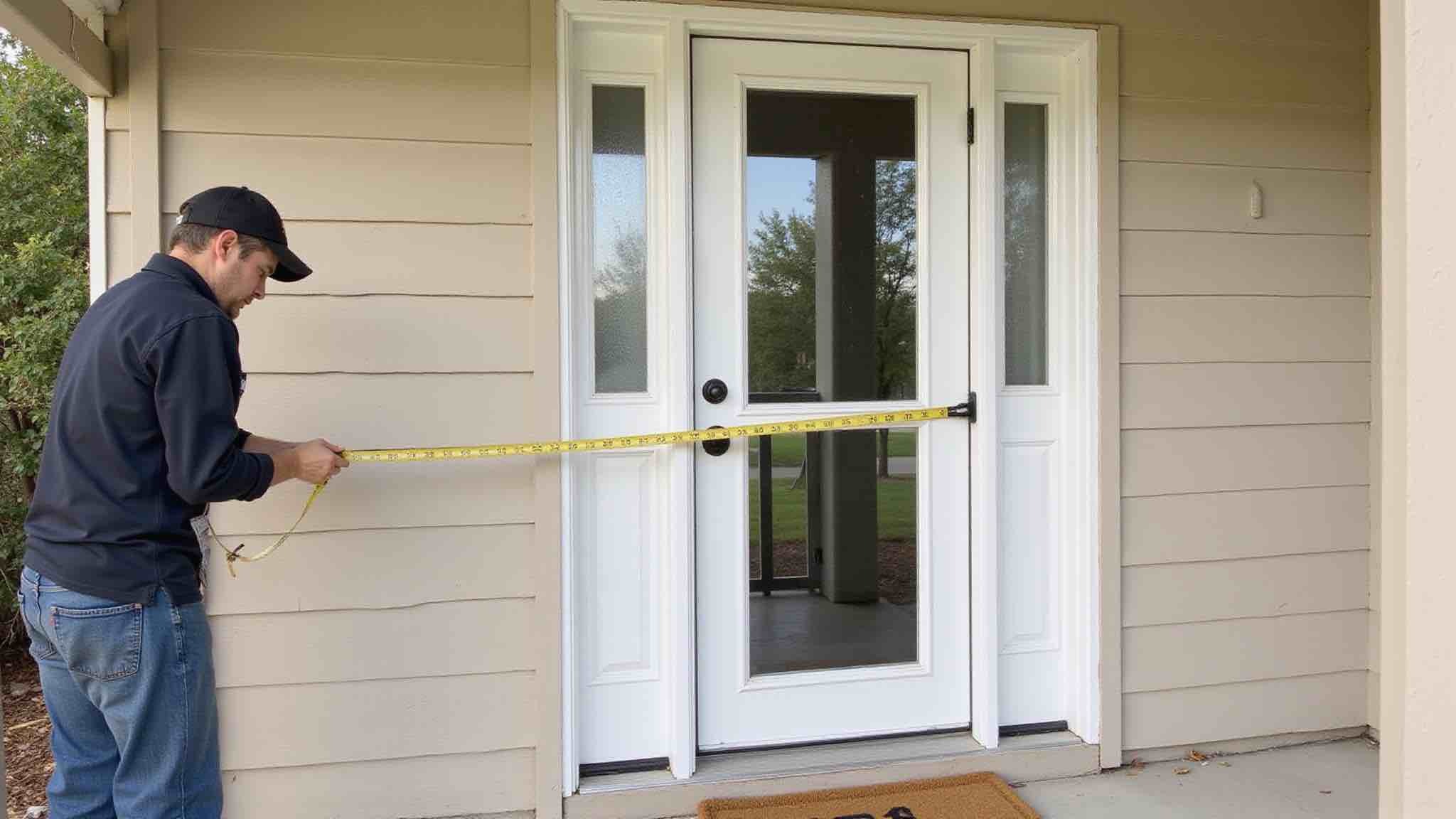
Yes, you can put a storm door over a solid fiberglass entry door, as long as your opening meets the requirements. Verify you’ve got at least 3/4 inch of flat trim, 1 inch of brickmould depth, and 2 1/2 inches of frame depth for proper clearance. Measure width and height at multiple points, since the smallest dimension sets your size.
Key Takeaways
- Yes, you can install a storm door over a fiberglass entry door if the opening meets fit and clearance requirements.
- Verify at least 3/4-inch flat trim, 1-inch brickmould depth, and 2 1/2-inch frame depth for compatibility.
- Trapped heat between the storm and entry door is the main concern, especially with dark doors and sun exposure.
- Swap full-glass panels for screen inserts or choose retractable screen models to vent trapped heat.
- Check both door warranties for trapped-heat limits before pairing dark finishes with full-glass storm doors.
Can you put a storm door over a fiberglass entry door
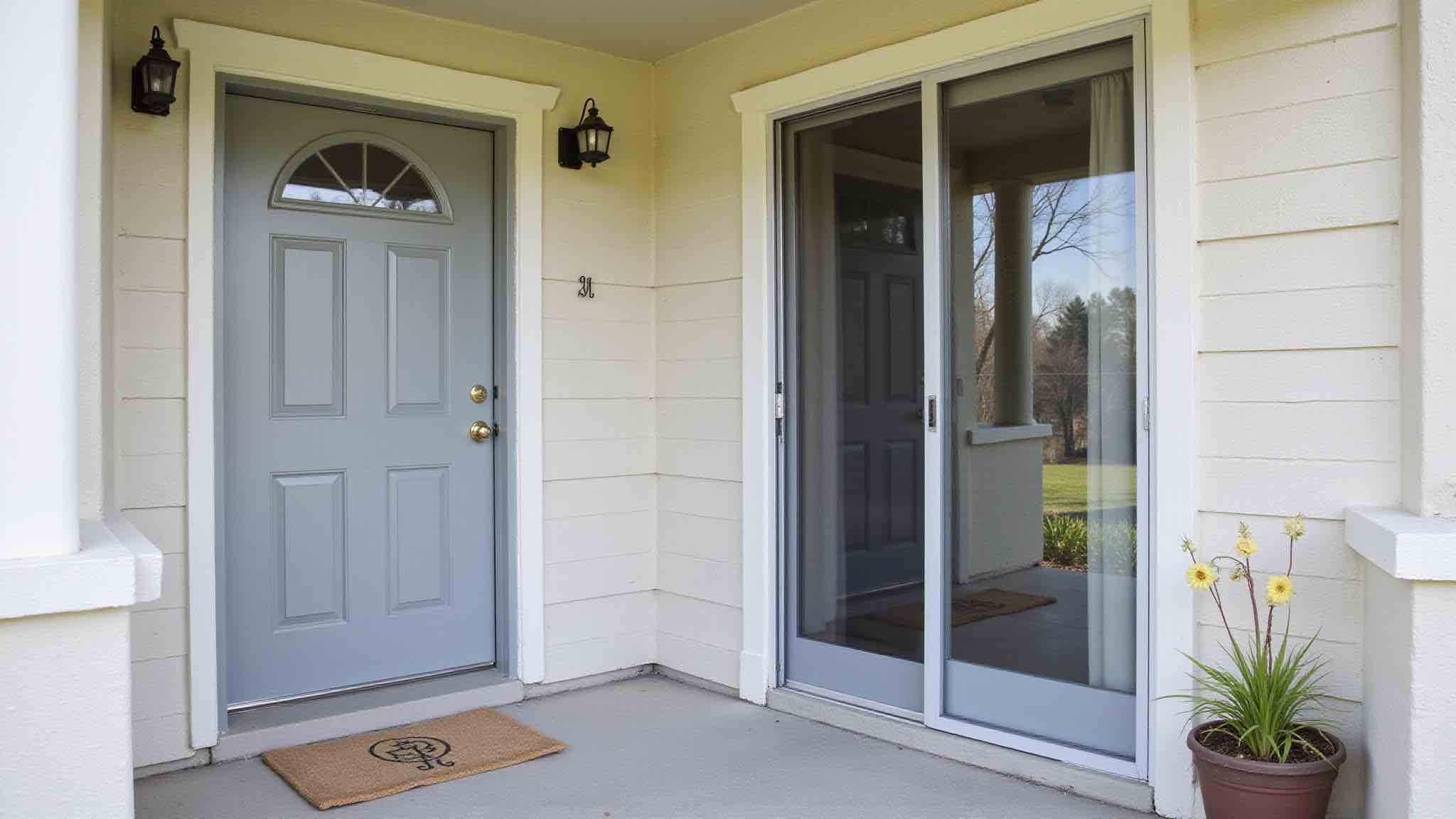
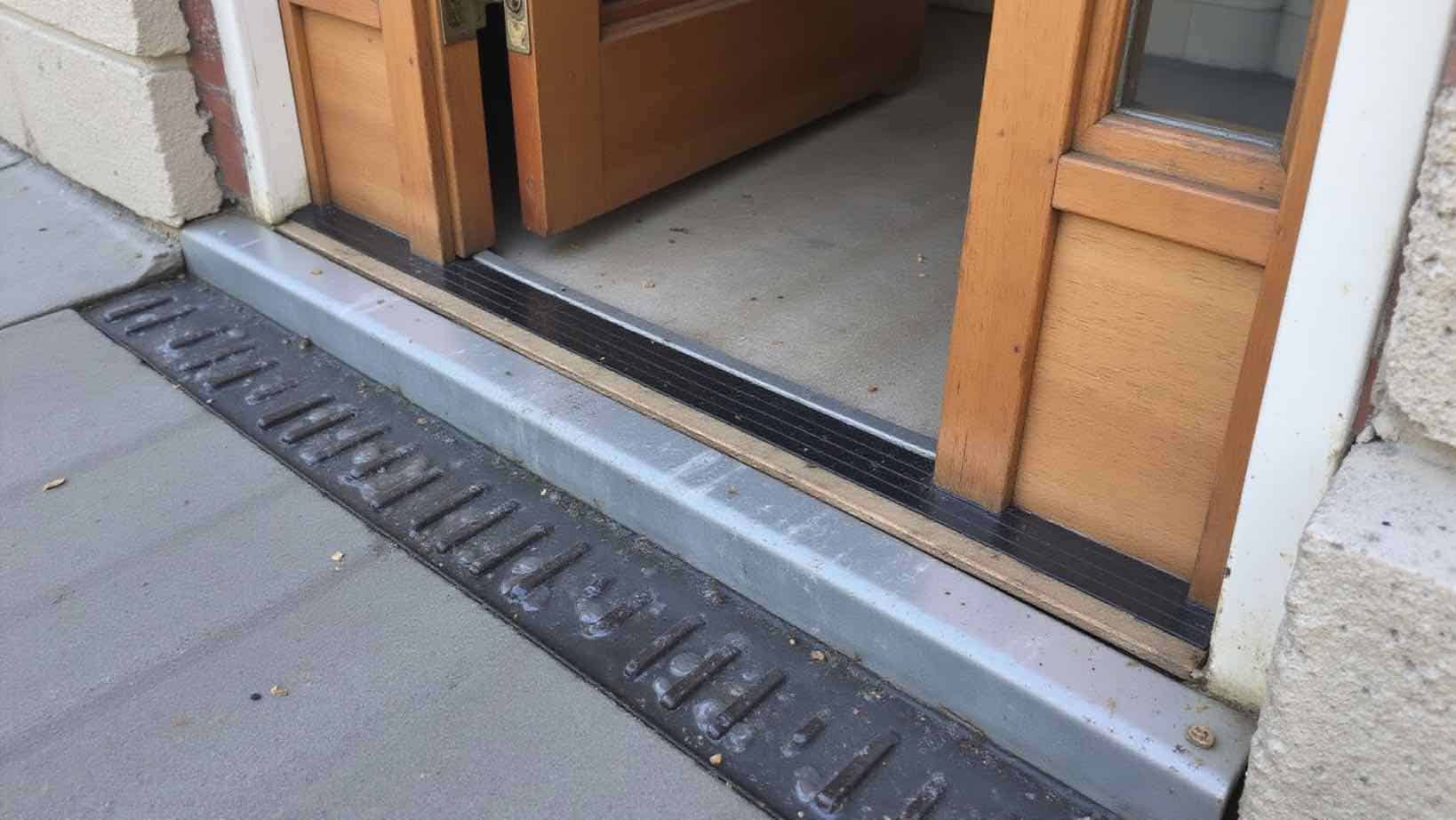
Yes, you can put a storm door over a solid fiberglass entry door, provided the opening gives you enough trim, jamb depth, and handle clearance for the storm door frame and hardware. Verify the flat trim surface, brickmould depth, and door frame depth meet the storm door manufacturer’s requirements, typically at least 3/4 inch of flat trim, 1 inch of brickmould, and 2 1/2 inches of frame depth. Check that your entry handle set doesn’t project into the storm door’s swing path. Measure the width and height at multiple points, since the smallest opening dimension determines the storm door size. Confirm swing direction, threshold, and any decorative trim won’t obstruct the frame. Get these details right, and the fiberglass door and storm door coexist cleanly.
Why does heat buildup matter with fiberglass entry doors
Heat buildup matters because it can affect your door’s finish, weatherstripping, and any plastic components over time. The trapped air between your storm door and fiberglass entry door can heat up fast, especially when the entry faces strong sun or the storm door carries large glass panels. Darker-colored entry doors and full-glass storm doors intensify the problem, pushing temperatures higher between the two surfaces. Fiberglass handles heat and moisture better than older wood doors, but trapped heat still poses a design and compatibility concern you shouldn’t ignore. Excessive heat can even raise warranty issues if your door system isn’t rated for that condition. To reduce risk, swap in a screen insert during warm months, improving airflow and lowering temperatures between the doors.
What types of storm doors work with a fiberglass entry door
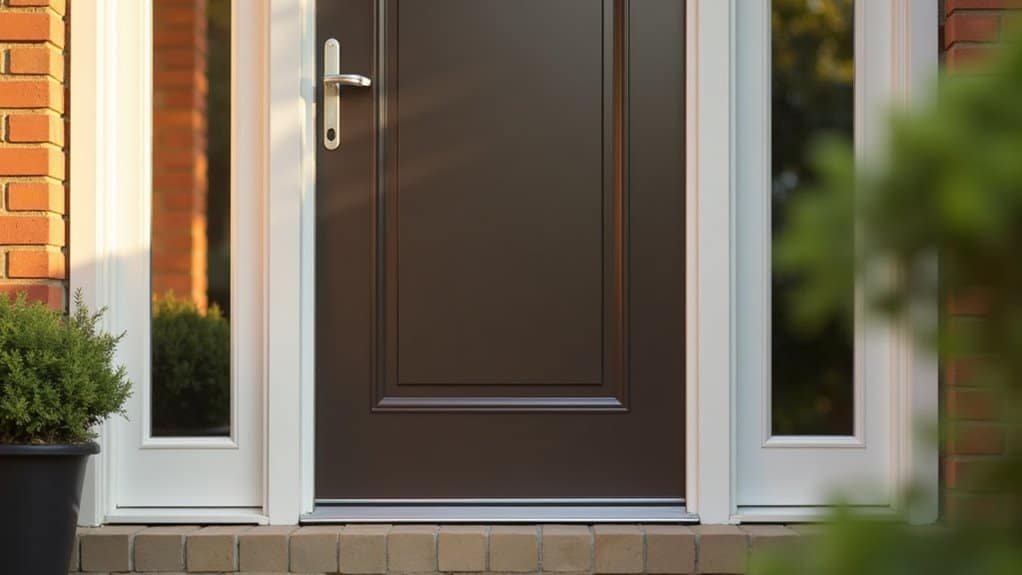
Several types of storm doors work with a fiberglass door, and your choice depends on trim depth, handle projection, and how much airflow or light you want. To find the right fit, evaluate these options:
- Full-view glass doors maximize light but trap the most heat, so reserve them for shaded or covered entries.
- Ventilating models with interchangeable glass and screen panels let you adjust airflow seasonally.
- Built-in retractable screen doors provide flexibility without storing separate panels.
- Partial-view doors balance ventilation and protection while limiting solar heat gain against darker finishes.
Verify each model’s frame depth against your brickmould and confirm the handle set won’t interfere with operation.
How do you prevent trapped heat damage
Prevent trapped heat damage by swapping the full-glass storm door panel for a screen insert during warm months, letting airflow vent the cavity instead of trapping it. Between a full-glass storm door and a sun-facing fiberglass entry, heat can build fast enough to blister finishes, warp weatherstripping, and soften plastic components. If you want year-round glass, choose a storm door with a built-in retractable or interchangeable screen so you can ventilate on demand. Avoid pairing a dark-colored entry door with full glass on strong southern or western exposures, since darker finishes absorb more heat. Check your door’s warranty terms before installing, because some manufacturers void coverage when trapped heat exceeds design limits. When possible, position storm doors on shaded or porch-covered entries to reduce accumulated heat load.
How do storm door options compare on cost and ventilation
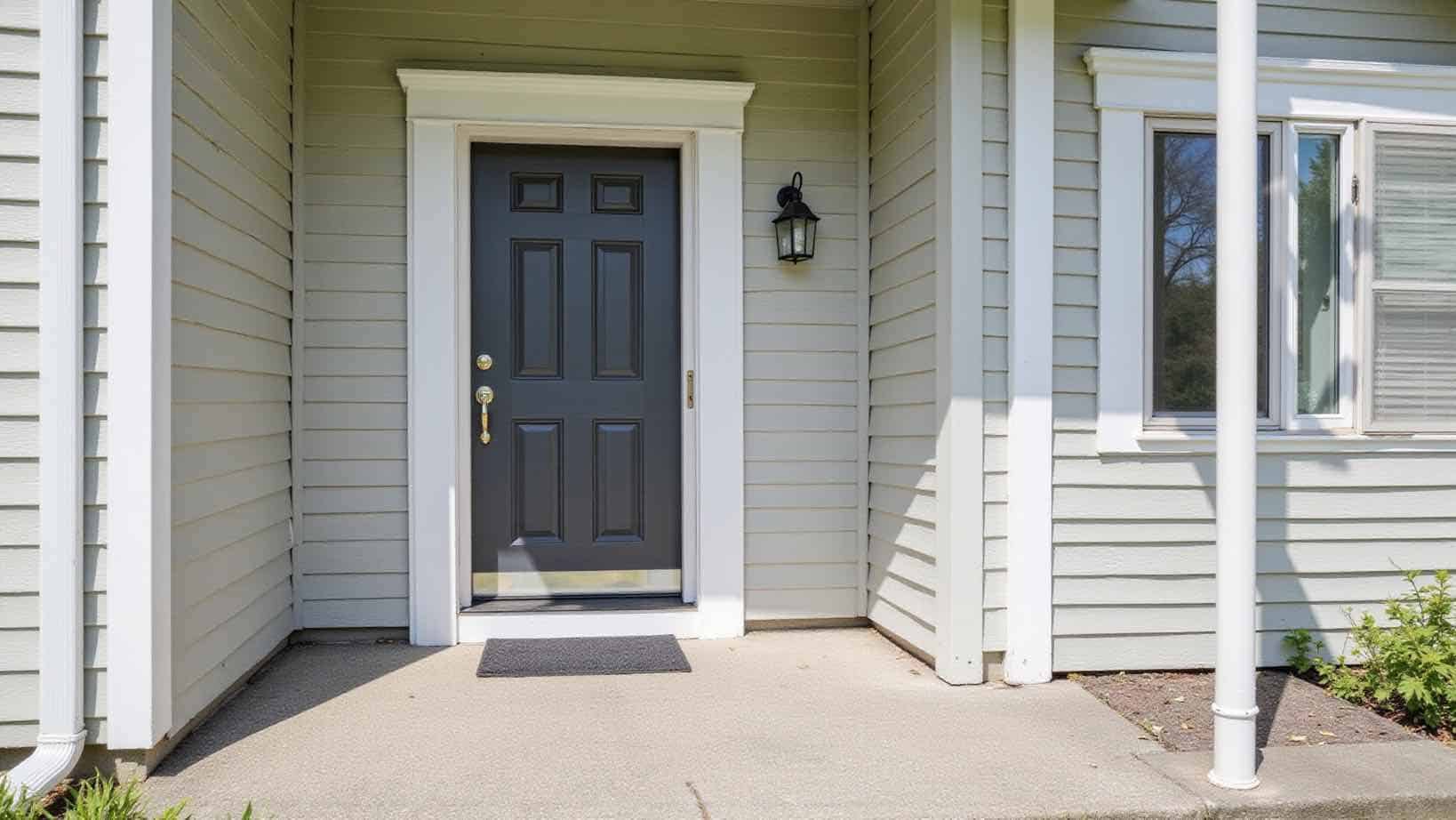
Storm door options range from full-glass at the lowest cost with minimal ventilation to retractable screens at the highest price with on-demand airflow, with interchangeable panels in between. Full-glass models cost less upfront but limit airflow unless you swap panels seasonally. Interchangeable glass-and-screen units add flexibility at a moderate premium, while built-in retractable screens command the highest price for year-round convenience without storing panels.
| Storm Door Type | Relative Cost | Ventilation |
|---|---|---|
| Full-glass | Lowest | Minimal, no screen |
| Interchangeable panel | Moderate | Seasonal, manual swap |
| Retractable screen | Highest | On-demand, no storage |
Match the type to how you’ll use the entry. If you want airflow on demand, pay for the retractable screen; if you mainly need light protection, full-glass keeps costs down while still buffering weather.
How do you choose the right storm door for a fiberglass entry door
Choose the right storm door for a fiberglass door by verifying clearance, swing, and heat behavior before committing to a model. Cost and ventilation narrow your options, but they don’t guarantee a storm door will actually fit and function on your fiberglass entry. Measure the opening at multiple points, then confirm your trim and frame accommodate the storm door’s hardware.
Cost and ventilation narrow your choices, but only clearance, swing, and heat behavior confirm a storm door truly fits.
- Flat trim surface: at least 3/4 inch for mounting the frame.
- Brickmould depth: 1 inch minimum to seat the frame properly.
- Door frame depth: 2 1/2 inches to avoid handle and swing conflicts.
- Glass selection: choose screen inserts on sun-exposed, dark-finished entries to limit trapped heat.
Match the swing direction to your entry handle projection, and confirm the threshold won’t cause rubbing or incomplete closing.
Conclusion
You can absolutely pair a storm door with a solid fiberglass entry door, as long as the opening gives you enough flat trim, brickmould, and frame depth, and the handle clears the storm door’s swing. The one thing to plan for is trapped heat, which can build between a full-glass storm door and a dark, sun-facing fiberglass door and lead to finish or warranty problems. Choose a ventilating or retractable-screen model, favor shaded entries, and check both warranties before you buy. Get the fit and ventilation right, and the two doors will work together for years.
Thinking About a New Fiberglass Entry or Storm Door?
Whether you want to add a storm door or upgrade the entry behind it, the right fit makes all the difference. Innovative Storm Defense in Lake Worth Beach, FL installs storm doors, hurricane impact doors, and a full line of interior and exterior doors sized and sealed for Florida homes. Call (561) 517-9399 or get a free quote for your entry.
Frequently Asked Questions
How Long Does It Take to Install a Storm Door?
You’ll typically spend one to three hours installing a storm door, depending on your experience and the opening’s condition. Before you start, measure the width, height, and frame depth at multiple points, then verify trim clearance and handle projection. You’ll mount the frame, check the swing direction and threshold, and adjust for square operation. If you’re troubleshooting rubbing or closure issues, add time. Careful prep work prevents costly fit problems later.
Can I Install a Storm Door Myself or Hire a Professional?
You can install a storm door yourself if you’re comfortable measuring exactly and using basic tools. Confirm you’ve got at least 3/4 inch of flat trim, 1 inch of brickmould depth, and 2 1/2 inches of frame depth, then check handle clearance and swing direction. If your opening’s irregular or clearance is tight, hire a professional. They’ll ensure proper fit, threshold alignment, and smooth operation without rubbing or closing issues.
Do Storm Doors Improve Home Security?
Storm doors offer modest protection value, but they’re not a primary defense. You’ll gain a secondary barrier that adds deterrence and a lockable outer layer over your fiberglass entry. However, most storm doors use lightweight frames and glass, so they won’t stop a determined intruder. Your real protection still rests on the solid fiberglass door, its deadbolt, and quality hardware. Treat the storm door as a supplementary layer, not a replacement.
How Often Should a Storm Door Be Maintained or Replaced?
You should inspect your storm door seasonally, checking weatherstripping, hinges, closers, and glass or screen panels for wear. Clean tracks and lubricate moving hardware twice a year to keep operation smooth. Replace worn weatherstripping or damaged closers as needed, typically every few years. Expect a quality storm door to last 20 to 30 years, but you’ll replace it sooner if you notice persistent rubbing, warping, or failing seals.
Will a Storm Door Void My Fiberglass Door’s Warranty?
It can, but only under specific conditions. If your storm door traps excessive heat against a fiberglass system that isn’t designed for that condition, you risk warranty complications affecting finishes, weatherstripping, and plastic components. You’ll want to check the manufacturer’s installation requirements before buying. To protect your coverage, choose a screen or vented model, avoid full glass on dark or sun-exposed entries, and confirm the door system tolerates secondary installation.