
No, you shouldn’t ever open your windows during a hurricane. Your home isn’t airtight, normal leakage around windows, doors, and vents already balances interior and exterior pressure, making any equalizing benefit negligible. Open windows won’t relieve pressure; they’ll actually increase internal stress. Wind entering openings pushes upward against your roof while external suction pulls, raising failure risk. Debris and wind-driven rain also gain direct entry.
Key Takeaways
- No, you should never open your windows during a hurricane, as doing so increases danger rather than protecting your home.
- The belief that opening windows equalizes pressure is a myth, since normal leakage around doors and vents already balances pressure differences.
- Open windows let wind push upward against the roof while external suction pulls it, raising the risk of structural failure.
- Openings create direct paths for flying debris and wind-driven rain, damaging walls, flooring, furniture, and electrical systems.
- Instead, cover windows with tested storm shutters or fitted plywood, secure all doors, and stay away from glass during the storm.
Should you open windows during a hurricane
No, you shouldn’t open windows during a hurricane. The pressure hurricane myth persists, claiming open windows equalize interior and exterior pressure to prevent your house from “exploding.” The data disproves this. Your home isn’t airtight; normal leakage around windows and doors already reduces pressure differentials to negligible levels. Research shows the pressure-change benefit is minimal compared with the wind damage risk. When you open windows, you invite wind-driven rain and debris inside, increasing internal pressure and structural stress. Wind entering through openings pushes upward on your roof, raising uplift failure probability. Keep every window closed and secured. The building envelope only protects you when it stays intact and sealed.
Where did the myth of opening windows come from
The myth of opening windows came from a flawed intuition about pressure differentials. You’ve probably heard that a hurricane’s low-pressure core creates a dangerous imbalance, causing your sealed house to “explode” unless you crack a window to equalize it. This reasoning assumes your home functions as an airtight vessel, but it doesn’t. Normal leakage around windows, doors, and vents already vents pressure differences continuously, so opening glass adds no meaningful safety benefit. The myth gained traction because the pressure drop in a storm is measurable and real, just insignificant compared with wind loads. People conflated barometric physics with structural protection, misapplying the concept. Research has debunked this repeatedly, showing the pressure-relief effect is minimal while the debris and water risks from openings are substantial.
What happens to air pressure if you open windows

Opening windows during a hurricane does not equalize air pressure. Instead, you compromise your building envelope and invite a cascade of structural stress. Your house isn’t airtight, so normal leakage around windows and doors already balances interior and exterior pressure differences. Research confirms the pressure-change benefit is minimal compared to wind and water damage risks.
| Factor | Effect of Opening Windows |
|---|---|
| Pressure equalization | Minimal; leakage handles it |
| Internal pressure | Increases, not decreases |
| Roof uplift | Rises as wind enters |
| Debris entry | Direct path created |
| Water intrusion | Damages walls and systems |
Wind that enters pushes upward against your roof from inside, amplifying structural stress. You’ll increase failure risk, not reduce it. Seal openings instead.
Why is opening windows during a hurricane dangerous
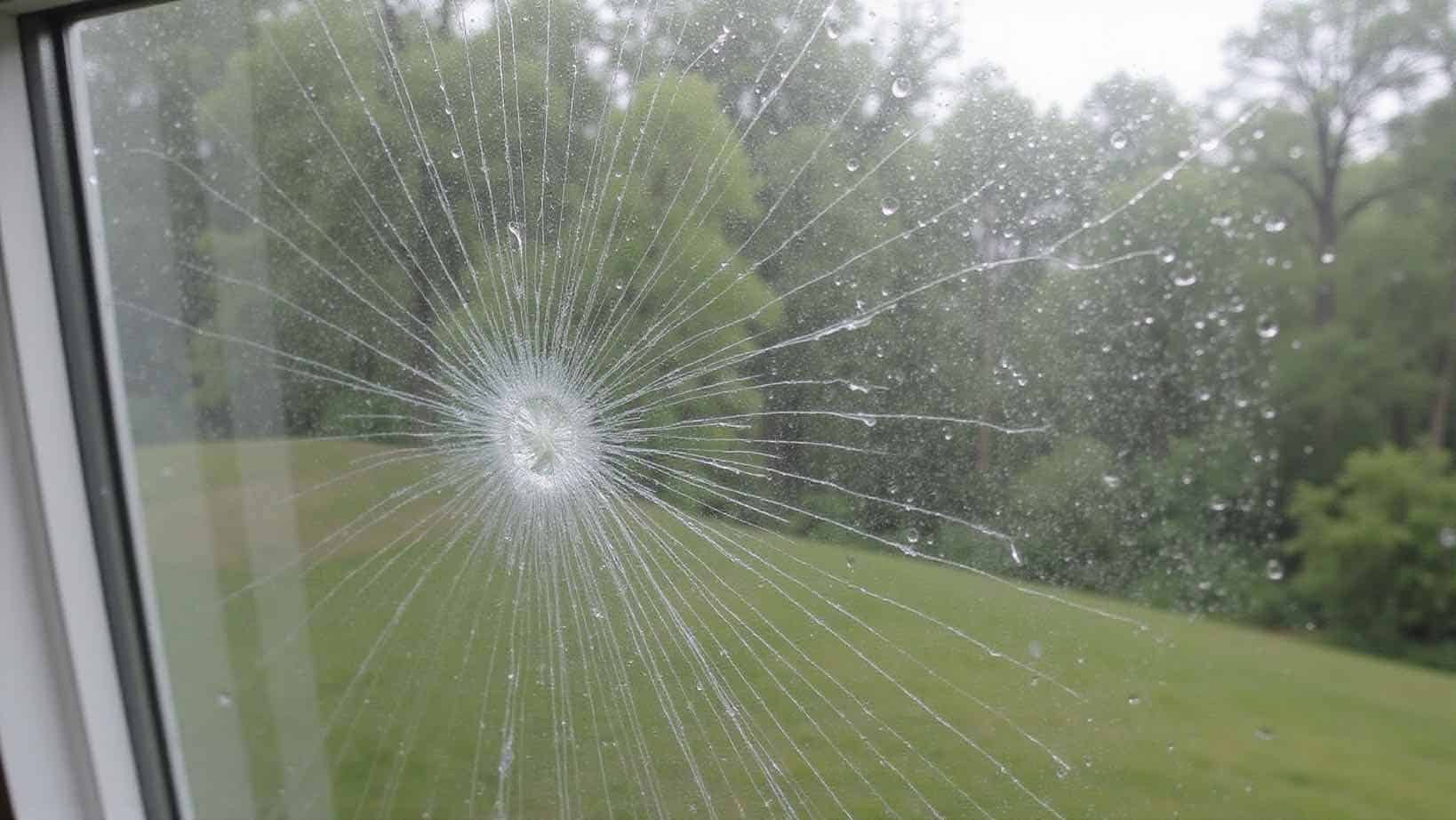
Opening windows during a hurricane is dangerous because it exposes your home to three compounding threats: wind, debris, and water. When wind enters through an opening, it pushes upward against your roof from the inside, adding internal uplift to the external suction already stressing the structure. This combined loading makes roof and wall failure much more likely. Open windows also invite flying debris, which shatters glass and creates additional entry points for even more wind and rain. Water intrusion then damages your walls, flooring, furniture, and electrical systems. Each open or broken window degrades your building envelope, weakening the home from within precisely when it needs maximum integrity. You’re not relieving pressure, you’re multiplying the forces working to tear your house apart.
What should you do with your windows instead
Cover every window with tested storm shutters or exterior-grade plywood, not open or crack them. Permanent, tested storm shutters deliver the highest-rated protection, resisting wind-driven debris that breaks glass and creates entry points for wind and rain. If shutters aren’t available, install exterior-grade plywood cut to fit each opening and fasten it securely. Close and secure all exterior doors, including your garage door, since these are common failure points that let wind pressurize the interior and push upward on your roof. Keep every window and door sealed to maintain the building envelope’s integrity. During the storm, stay away from windows, skylights, and glass doors. Focus on blocking debris, wind, and water, not equalizing pressure, which delivers negligible benefit.
How do you keep your windows safe during a storm
Keep your windows safe during a storm by installing permanent, tested storm shutters, which offer the highest-rated protection, engineered to resist wind-driven debris and pressure loads. If you don’t have shutters, install exterior-grade plywood, fastened securely across each opening, as your next-best option. Close and secure every window, exterior door, and garage door to maintain your building envelope’s integrity. Don’t rely on tape or partial openings; they don’t strengthen glass or relieve pressure meaningfully. Stay away from windows, skylights, and glass doors once the storm hits, since flying debris can shatter them instantly. Your goal is blocking debris, wind, and water, not balancing pressure. Seal and reinforce openings; never crack them open.
Conclusion
Opening your windows during a hurricane does not relieve pressure, it only makes things worse. Your home is never truly airtight, so normal leakage already balances the pressure, and cracking a window simply invites wind, rain, and debris inside while adding uplift against your roof. The real protection is to seal and cover, not open: fit tested storm shutters or exterior-grade plywood, lock every window and door including the garage, and stay well away from glass once the storm hits. Keep the building envelope intact, and your home is far better equipped to ride out the storm.
Stop Taping and Cracking, Start Sealing
The surest way to get through a storm is to seal your home with protection that actually works. Innovative Storm Defense in Deerfield Beach, FL installs tested hurricane impact windows and dependable hurricane shutters that hold the line against wind pressure and flying debris, no cracking windows required. Call (561) 517-9399 or book a free consultation to storm-proof your home.
Frequently Asked Questions
Does Homeowners Insurance Cover Hurricane Window Damage?
Typically, yes, your standard homeowners policy covers wind-driven hurricane window damage, but you’ll need separate coverage for flood-related losses. Most policies include a hurricane or windstorm deductible, often 1-5% of your home’s insured value, which is higher than standard deductibles. You’ll want to document damage thoroughly with photos and file claims promptly. Check your policy’s specifics, since coverage varies by state, insurer, and whether you’re in a high-risk coastal zone.
Can I Stay Home During a Hurricane Safely?
You can stay home safely only if you’re outside evacuation zones and your structure meets wind-load standards. Cover windows with tested storm shutters or exterior-grade plywood, and secure all doors, including your garage. Keep every window and door closed, opening them won’t equalize pressure and actually increases roof uplift and water intrusion. Stay away from glass during the storm. If officials order evacuation, don’t stay; leave immediately to avoid life-threatening conditions.
How Much Does Installing Permanent Storm Shutters Cost?
Permanent storm shutter pricing varies by shutter type, opening size, and installation, so there’s no single flat rate. What’s certain is that permanent, tested storm shutters deliver the best protection for your windows during a hurricane. They outperform plywood and shouldn’t be confused with myths like cracking windows to “equalize pressure.” For accurate pricing, consult a certified installer offering tested, code-compliant systems.
Is Window Film Effective Against Hurricane Debris?
Window film alone isn’t sufficient against hurricane debris. While protection film can help hold shattered glass together, it doesn’t stop wind-driven projectiles from penetrating your windows or creating openings. The official guidance is clear: you need tested storm shutters or exterior-grade plywood for reliable debris protection. Film might reduce minor glass fragmentation, but it won’t maintain your building envelope’s integrity. Don’t rely on it, cover your windows with shutters or plywood instead.
What Should I Do if a Window Breaks Mid-Storm?
Move immediately to an interior room away from the breach, since broken glass creates a direct entry point for wind and rain. Don’t try to reopen or adjust other windows, that increases internal pressure and roof uplift risk. Keep remaining exterior doors and windows closed and secured. Water intrusion can damage walls, flooring, and electrical systems, so stay clear until the storm passes. You’ll assess and cover the opening safely afterward.