
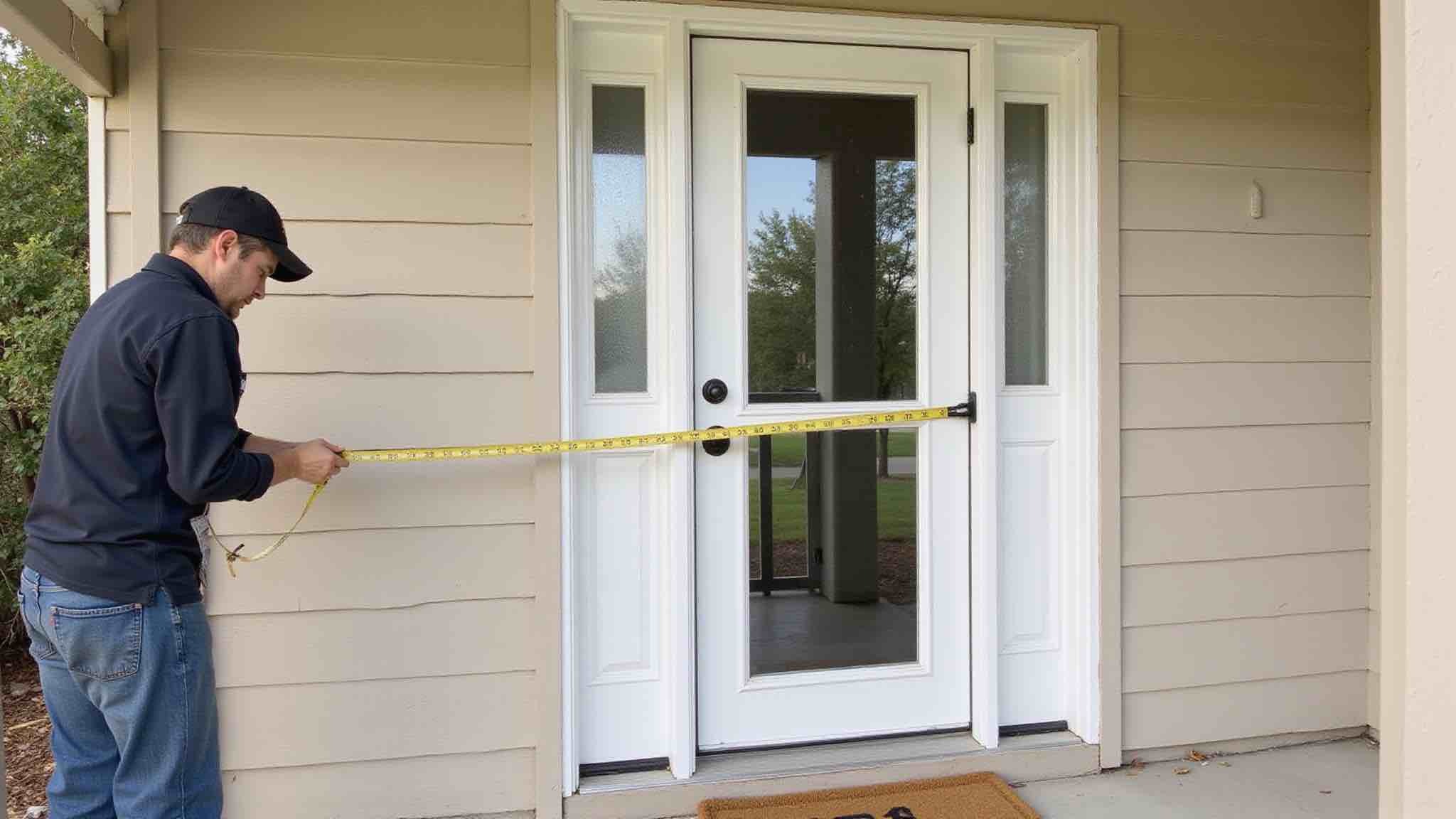
Ordinary house windows start failing between 50 and 100 mph, but there’s no single guaranteed number, it depends on glass type, framing, installation, and debris. Older single-pane units can crack at gusts of just 50–60 mph, while stronger modern windows hold to roughly 75–100 mph. A basic DP 15 window fails near 77 mph. What actually breaks glass is load, not speed.
Key Takeaways
- Ordinary residential windows typically become vulnerable to breaking at wind speeds between 50 and 100 mph.
- Older single-pane windows can crack at gusts as low as 50–60 mph.
- Basic DP 15 residential windows fail near 77 mph, sooner than many expect.
- Stronger modern windows can hold up to roughly 75–100 mph under favorable conditions.
- No single speed guarantees failure, as glass type, framing, installation, and flying debris all matter.
What wind speed can break house windows
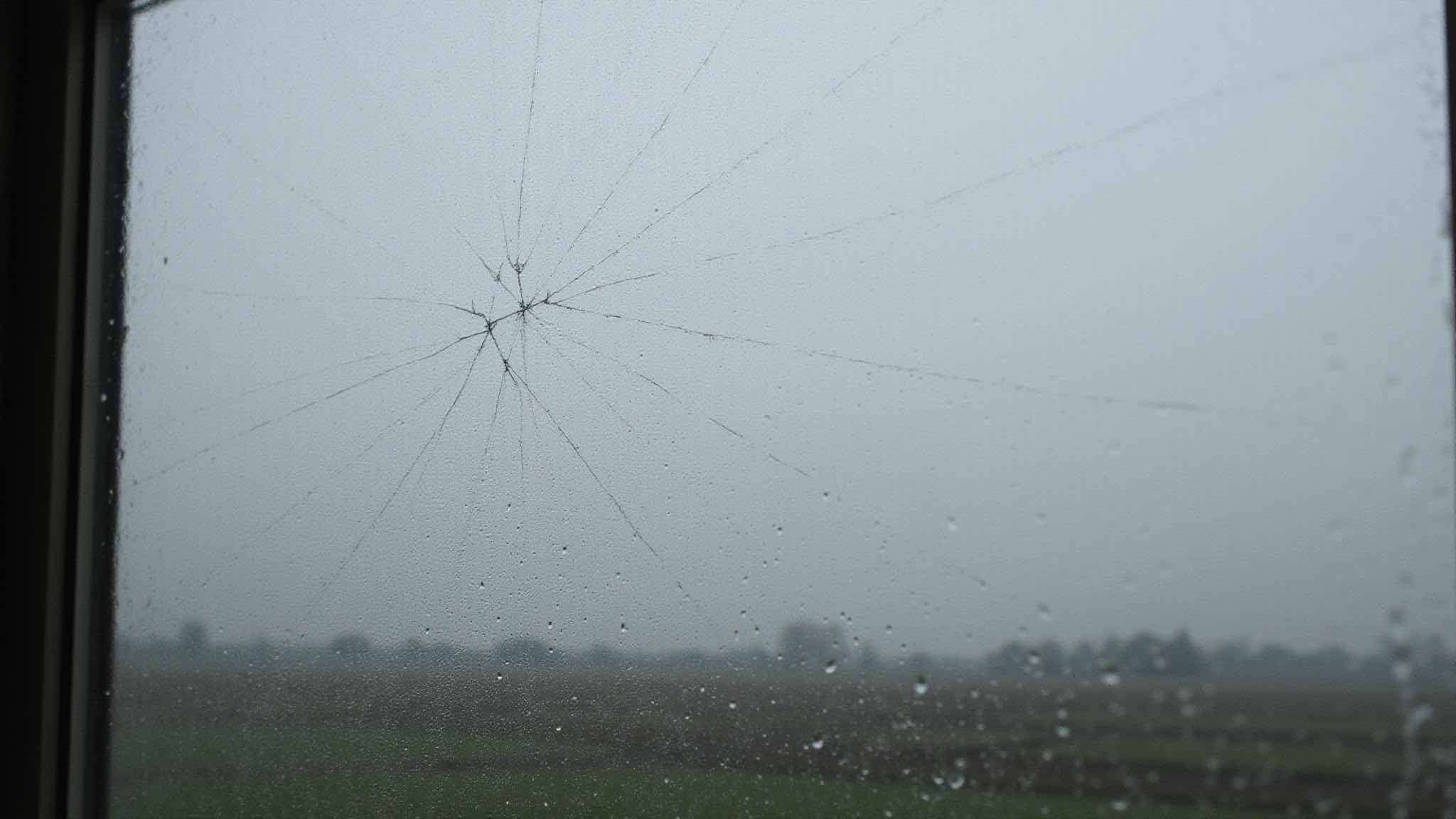
Ordinary residential windows typically become vulnerable to breaking somewhere between 50 and 100 mph, though there’s no single wind speed that guarantees window failure, because glass type, framing, installation, and debris all shift the threshold. Older single-pane units can crack at gusts as low as 50–60 mph, while many modern windows hold to roughly 75–100 mph under favorable conditions.
The real driver isn’t wind speed alone. It’s pressure. As wind loads your wall, pressure builds against the glass, and gusts spike that load far beyond steady-wind estimates. Flying debris makes it worse, breaking glass well below its rated capacity. So think in terms of load, not just a single wind-speed number.
How does wind pressure actually break a window
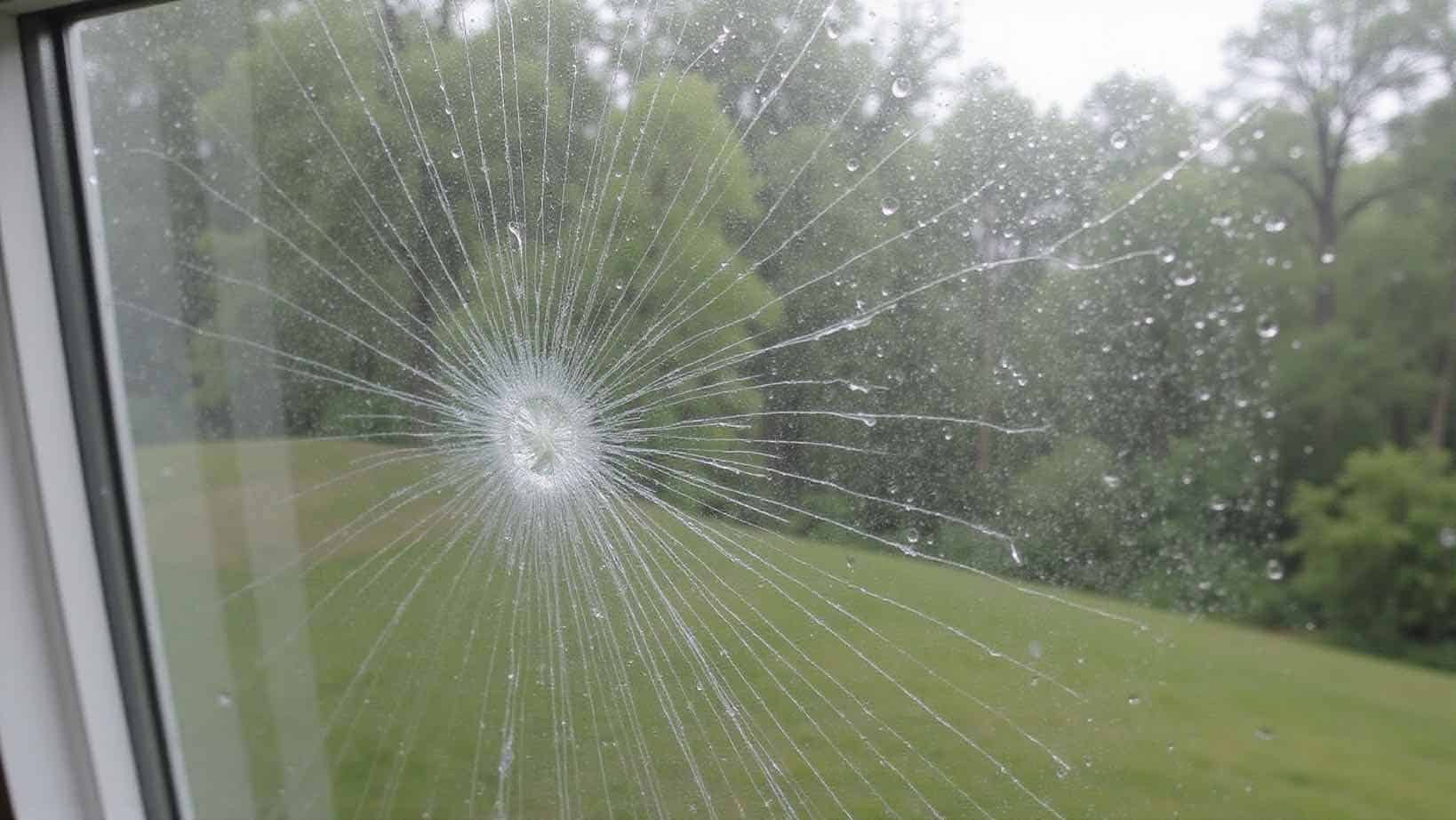
Wind pressure breaks a window by generating pressure loads that act across the entire glass surface, measured in pounds per square foot. When wind hits your house, it doesn’t just push straight against the glass. That load flexes the glass beyond what it’s designed to handle, and once it exceeds your window’s design pressure rating, the pane cracks or blows out. During a hurricane, flying debris makes it worse, because a single impact concentrates force on one point, shattering glass long before steady wind alone would.
Wind doesn’t just push against your glass, it flexes the pane until it exceeds its rating and blows out.
- Your DP 15 window fails near 77 mph, sooner than you’d think
- Pressure differences push glass outward, not just inward
- One debris impact defeats even a well-rated pane
- Poor framing collapses your safety margin
- A broken opening spikes internal pressure, threatening your roof
At what wind speeds do standard windows fail

Standard windows fail at wind speeds ranging from about 50 mph to 100 mph, depending on the window. Failure depends on design pressure (DP), glass type, framing, and whether debris strikes the glass. You can work with practical ranges. Weaker single-pane units start cracking around 50–60 mph, while many modern residential windows hold to roughly 75–100 mph under clean wind loads. A DP 15 unit, common in basic homes, maps to about 77 mph before it’s overloaded.
| Window Type | Approximate Failure Speed |
|---|---|
| Older single-pane | 50–60 mph |
| Basic DP 15 residential | ~77 mph |
| Stronger modern units | 75–100 mph |
What factors beyond wind speed cause windows to break
Flying debris, pressure differences, gusts, framing, installation quality, and design pressure ratings all cause windows to break beyond wind speed alone. What actually breaks glass is the load reaching it, and several factors amplify that load far beyond what the raw wind number suggests. Flying debris concentrates force on a single point, cracking glass rated for much higher steady winds. Pressure differences between your home’s interior and exterior push panes outward, while gusts spike loads unpredictably. Your window’s design pressure, framing, and installation quality determine whether it holds or gives way.
Wind speed tells you little; it’s the load reaching your glass that decides whether it breaks.
- Debris striking at speed, shattering glass in an instant
- Sudden pressure surges straining every pane
- Weak framing quietly betraying you mid-storm
- Poor installation leaving hidden vulnerabilities
- Low design-pressure ratings failing when you need protection most
How do impact resistant windows change the threshold
Impact-resistant windows raise the failure threshold by engineering the glazing to absorb debris strikes and sustained pressure loads that shatter standard panes. Where ordinary windows fail in the 50–100 mph range, impact-rated units withstand winds above 150 mph, with some claims approaching 200 mph. You get this performance from higher design-pressure ratings, laminated glazing, and reinforced framing that resist both the flying debris and the pressure differentials driving glass outward during storms. Remember, stronger glass alone won’t protect you. Without proper framing and installation, you lose the rated capacity the product promises. When you evaluate protection, focus on the design pressure and impact rating, not a single wind-speed number. That’s how you keep the opening intact and prevent the internal pressure spike that worsens roof failure.
How do you protect your windows from high winds
You protect your windows from high winds by managing the loads that break them: direct wind pressure, debris impact, and the pressure differentials that push glass outward. Start with the product itself, choosing windows with a design pressure that matches your exposure, since a DP 15 unit holds only near 77 mph while DP 50 handles roughly 173 mph. Then reinforce the framing and installation, because weak anchoring fails long before the glass does.
- Shield glass with storm shutters or impact-rated glazing that stops flying debris.
- Upgrade to higher-DP windows sized to your local wind zone.
- Anchor frames securely so pressure can’t rip them loose.
- Seal gaps to limit dangerous internal pressure buildup.
- Clear your yard of potential windborne projectiles.
Conclusion
There is no single wind speed that breaks an ordinary house window, but most start failing somewhere between 50 and 100 mph depending on glass type, framing, and installation. What really matters is load, not speed: steady pressure, sudden gusts, and especially flying debris can shatter a pane long before the wind number alone would suggest. That is why a basic DP 15 window can fail near 77 mph while impact-rated units hold well past 150 mph. If you want real confidence in a storm, focus on design pressure and impact rating, and back it with strong framing and a proper installation.
Raise Your Home’s Breaking Point
If ordinary glass gives out in a strong storm, impact-rated windows are how you change the odds. Innovative Storm Defense in Coral Springs, FL installs tested hurricane impact windows and dependable hurricane shutters engineered to take on wind pressure and flying debris far beyond what standard windows can handle. Call (561) 517-9399 or start with a free estimate today.
Frequently Asked Questions
Does Homeowners Insurance Cover Wind-Related Window Damage?
You’ll typically find that standard homeowners policies cover wind-related window damage, since wind’s a common covered peril. If a storm’s pressure load or flying debris shatters your glass, you’re usually protected for repair or replacement costs, minus your deductible. But you’ll want to check your policy’s specifics, some exclude hurricane or windstorm damage in high-risk zones, requiring separate coverage. Always verify your design-pressure documentation and deductible terms before you file.
How Much Do Impact-Resistant Windows Cost to Install?
You’ll typically pay more for impact-resistant windows than standard units, since they’re engineered for higher design pressures and debris loads. Expect installation costs to reflect the window’s DP rating, framing reinforcement, and proper anchoring, all critical to actual load performance. Don’t just price the glass; factor in labor for secure mounting, because weak framing undercuts even a high-DP window. You’re paying for a complete, load-rated system, not just stronger glazing.
Can I Repair a Cracked Window or Replace It Entirely?
You can repair a cracked window only if the damage is minor and hasn’t compromised the glass’s structural integrity or design-pressure rating. Small surface cracks might hold, but any break that affects the glazing’s load resistance means you’ll need to replace it entirely. Don’t gamble on a weakened pane, cracked glass fails at far lower pressures, so replacing it restores the DP rating you’re counting on during high winds.
Are Window Insurance Discounts Available for Impact-Rated Glass?
Yes, you’ll often qualify for insurance discounts when you install impact-rated glass. Insurers reward higher design-pressure glazing because it resists debris impact and pressure loads far better than standard windows, reducing catastrophic breakage claims. You’ll typically need documentation of the window’s DP rating and proper installation to verify performance. Since impact-rated units can withstand loads well above standard 50–100 mph thresholds, they lower your risk profile and premiums accordingly.
How Often Should Windows Be Inspected for Wind Readiness?
You should inspect your windows at least once a year, ideally before storm season, focusing on load-bearing components. Check the frame anchoring, fastener tightness, and seal integrity, since weak installation lowers your effective design-pressure rating. After any high-wind event or debris impact, reinspect immediately for cracks, loosening, or compromised glazing. If you’ve got older single-pane units, verify their DP rating and confirm they’ll still resist your region’s expected wind loads.