
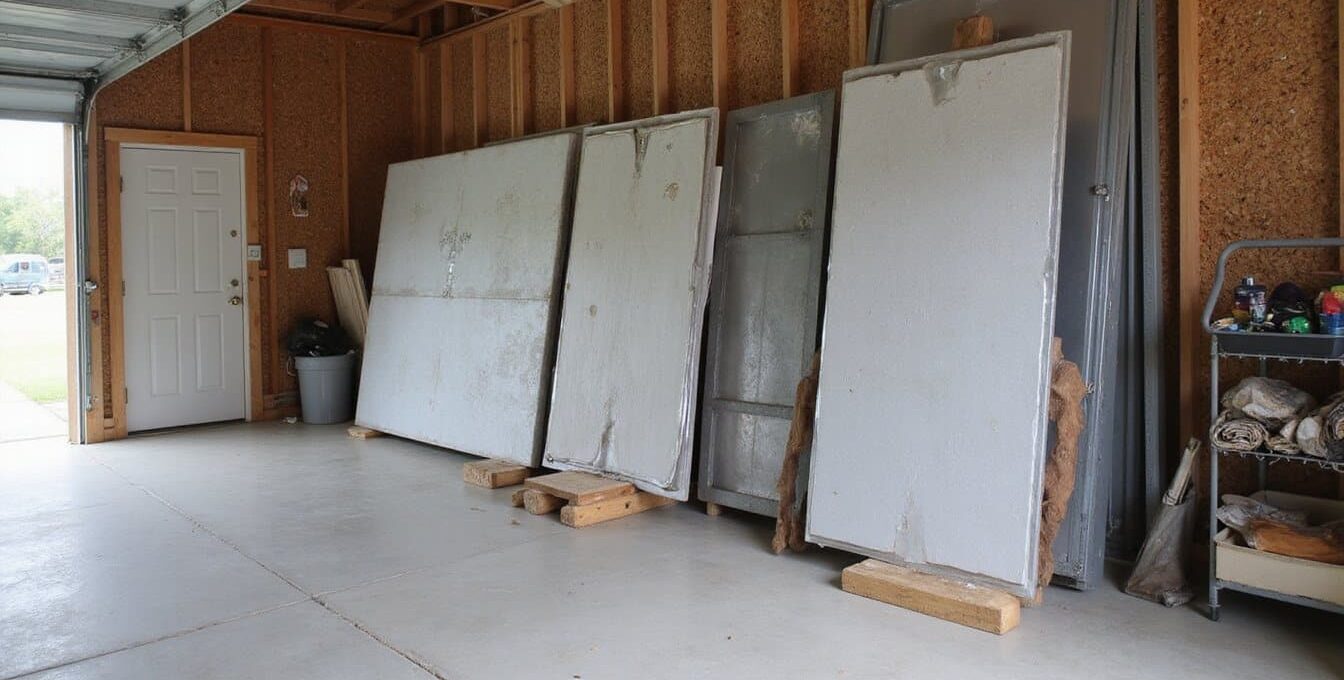
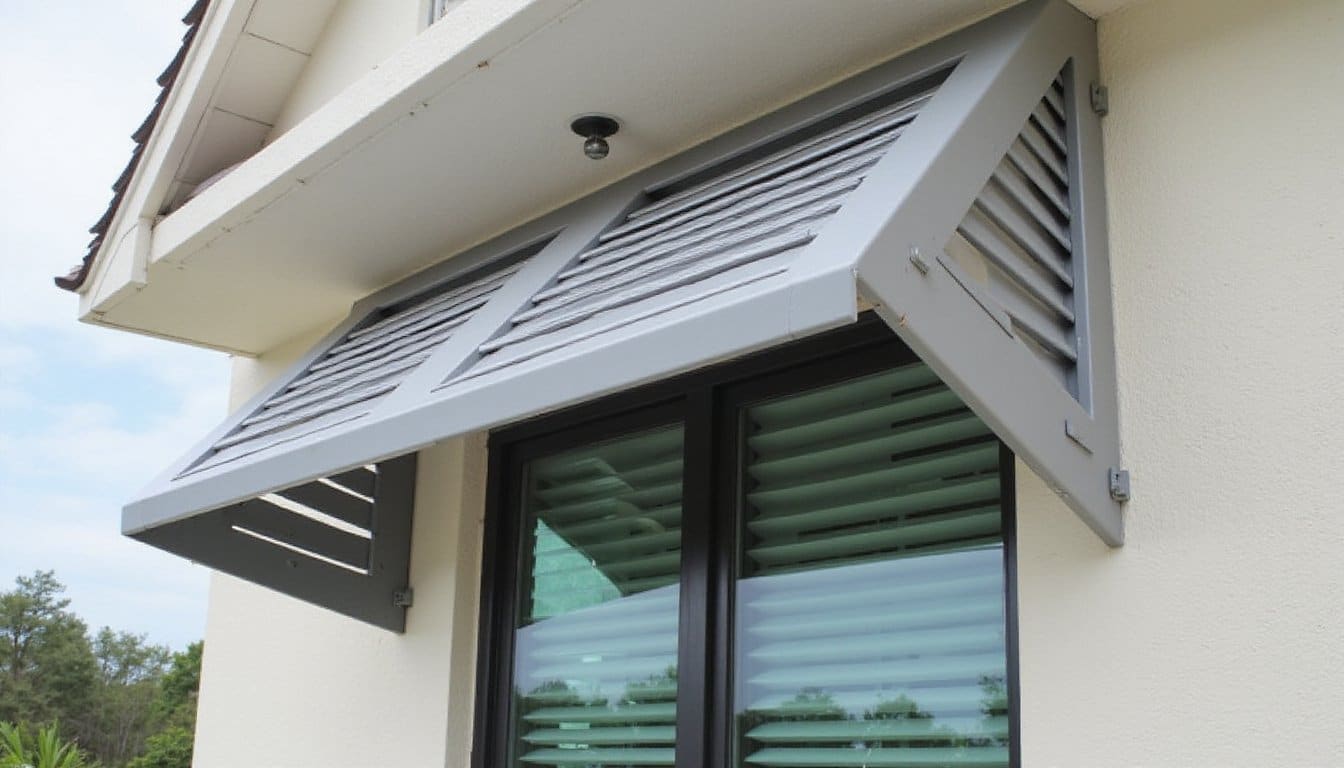
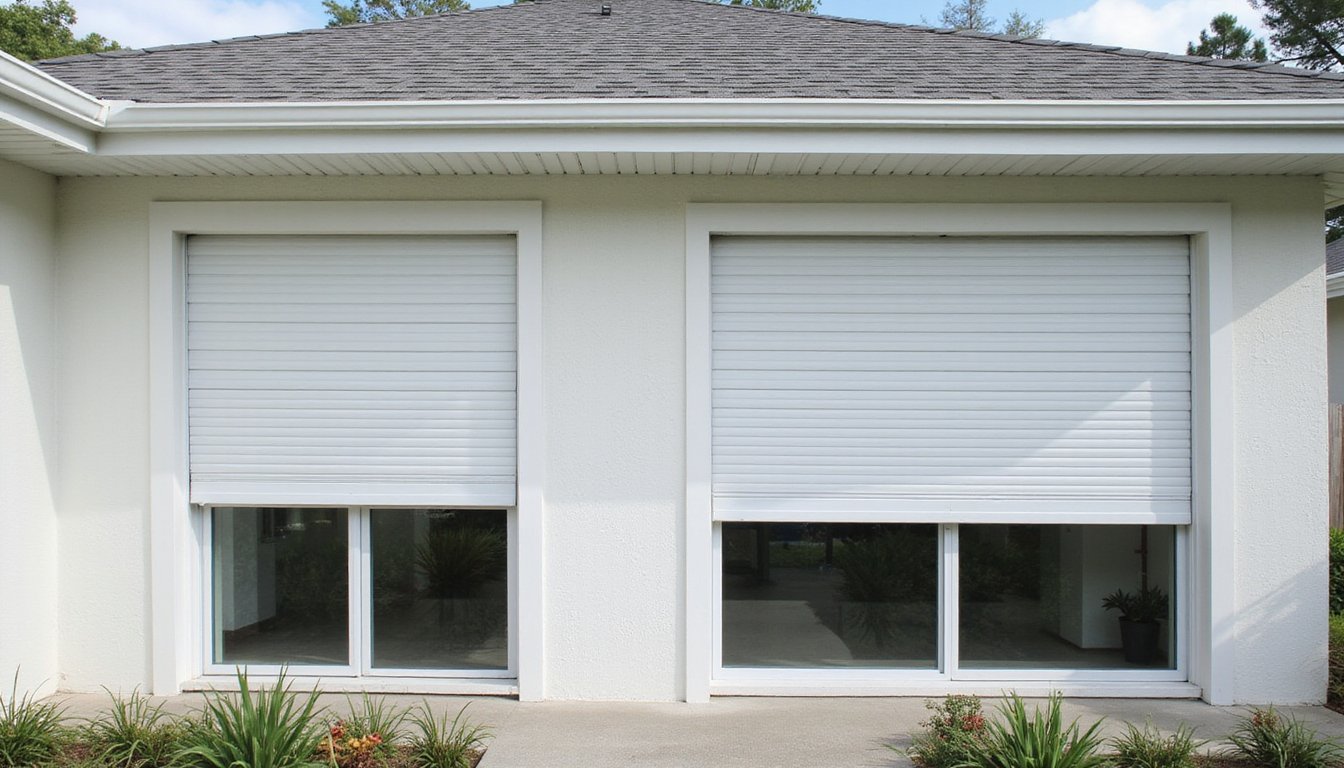
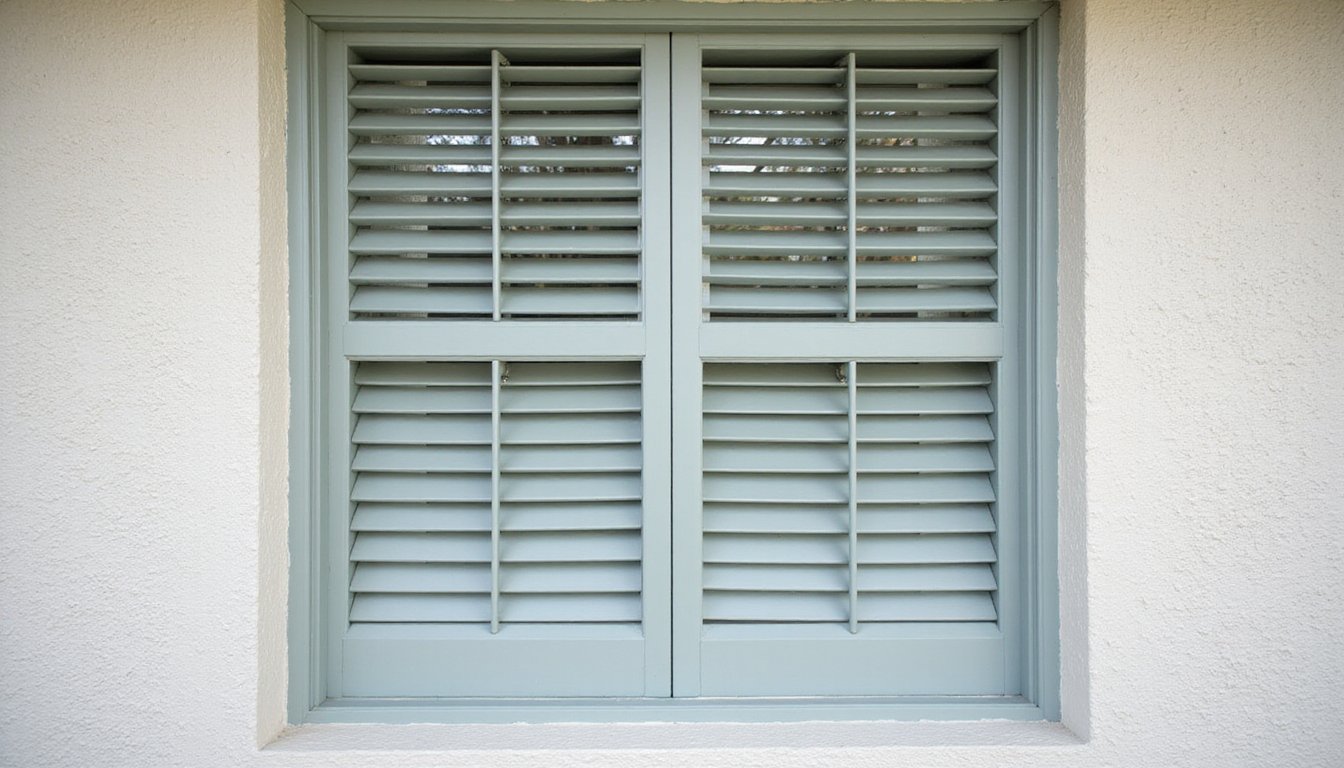
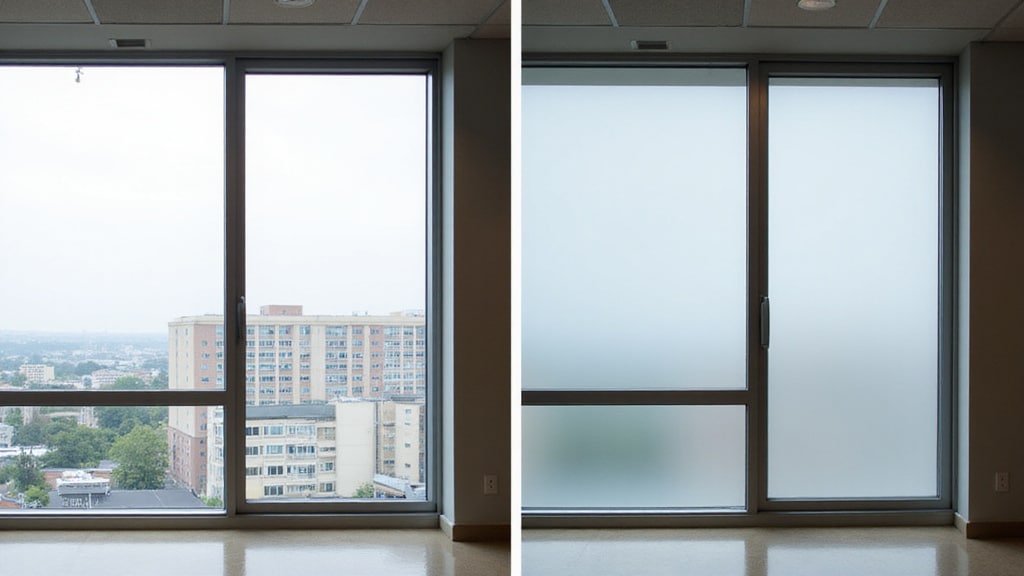
Both systems meet Florida’s large missile impact standards, but they protect differently. Impact windows give you passive, always-on defense, laminated glass and reinforced frames resist winds over 100 mph, with some rated for Category 5. Shutters shield your glass too, but they require manual deployment before storms, so undeployed shutters offer no protection. If you want the better all-around choice, weigh cost, maintenance, and daily benefits before you decide.
How Impact Windows and Shutters Protect Your Home
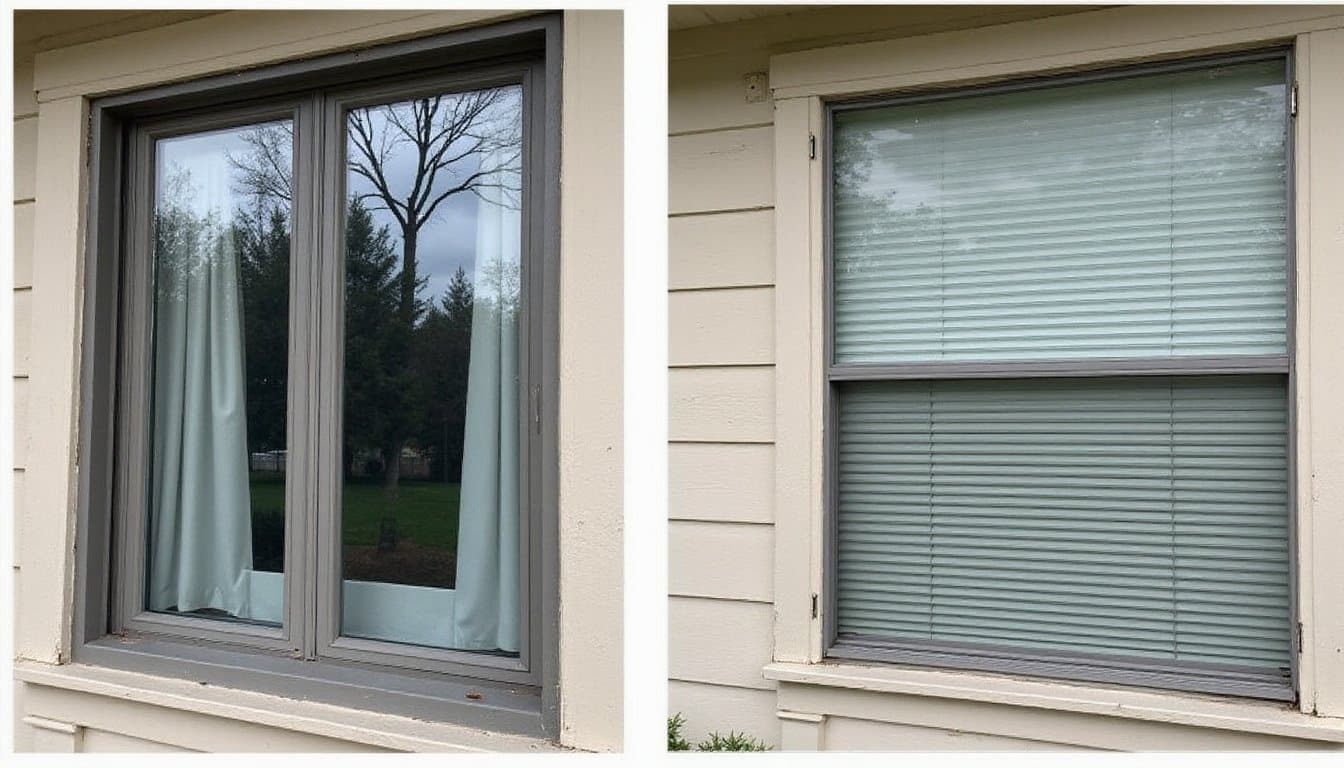
When a hurricane drives debris toward your home, both impact windows and shutters work as a physical barrier protecting the openings that are most vulnerable to breach. In the impact windows vs hurricane shutters comparison, each system stops wind-borne debris like tree branches and roof materials from breaching the opening.
Impact windows use laminated glass and reinforced frames to absorb impact and stay in place. If the glass breaks, the interlayer keeps fragments bonded, reducing flying-glass injuries and preserving a temporary barrier. Tight seals block rain intrusion, protecting walls, floors, and contents. Seascape Windows and Doors, Inc. specializes in hurricane-impact windows and doors for both residential and commercial clients.
Shutters cover existing windows when deployed, shielding the glass from strikes. By keeping openings intact, both systems maintain your building envelope, preventing sudden interior pressurization that can damage roofing and structure during the storm. For always-on protection without deployment, impact windows installation offers an alternative.
Impact Windows vs Shutters in High Winds
When you’re comparing high-wind performance, you’ll find impact windows commonly rated above 100 mph, with some products certified for Category 5 conditions exceeding 158 mph and ASTM-based testing paths requiring structural integrity up to 200 mph. The laminated glass earns these ratings through a polymer interlayer that keeps the opening sealed even after the glass breaks, resisting both positive and negative storm pressures. Beyond their wind performance, impact windows also reduce outside noise by 70%, adding everyday comfort to their storm protection. Shutters shield your openings from debris, but the cited standards don’t give them a consistent wind-speed rating that exceeds what impact windows deliver.
Wind Resistance Ratings
Although both systems carry storm-protection ratings, they express wind resistance in fundamentally different ways. Impact windows communicate wind resistance ratings directly through the window assembly’s Design Pressure (DP) or Performance Grade (PG) value, while shutters rely on an external barrier’s tested wind-load capacity. When you compare the two, you’re measuring the window’s rated DP level against the shutter system’s certified tolerance.
- DP 30, rated to survive Category 3 hurricane conditions.
- DP 40, capable of withstanding Category 4 hurricane winds.
- DP 50, handles roughly 75 pounds per square foot, with some sources citing 157, 173 mph.
- Certification, verify Florida Product Approval or Miami-Dade NOA labels.
DP ratings measure sustained winds, positive and negative pressure, plus air and water infiltration. To simulate these forces, ASTM E330 tests a window’s wind speed resistance by applying air pressure that replicates real wind loads.
Laminated Glass Performance
Because debris impact, not wind speed alone, triggers most glazing failures, laminated glass earns its place as the core impact-protection feature in impact windows. Laminated glass bonds two or more glass layers with a PVB interlayer that absorbs impact energy and resists penetration when debris strikes. Even when the glass fractures, the fragments stay bonded to the interlayer instead of scattering, so you preserve both safety and the building envelope.
That post-breakage retention matters most. Glass can sustain pressures associated with 200 mph winds, but it’s debris that opens the envelope. Whether you choose impact windows or shutters, remember the distinction: laminated glass remains part of the system after impact, keeping the opening sealed against continued wind and rain, while shutters only cover the opening externally.
Comparing Upfront Cost: Impact Windows vs Shutters
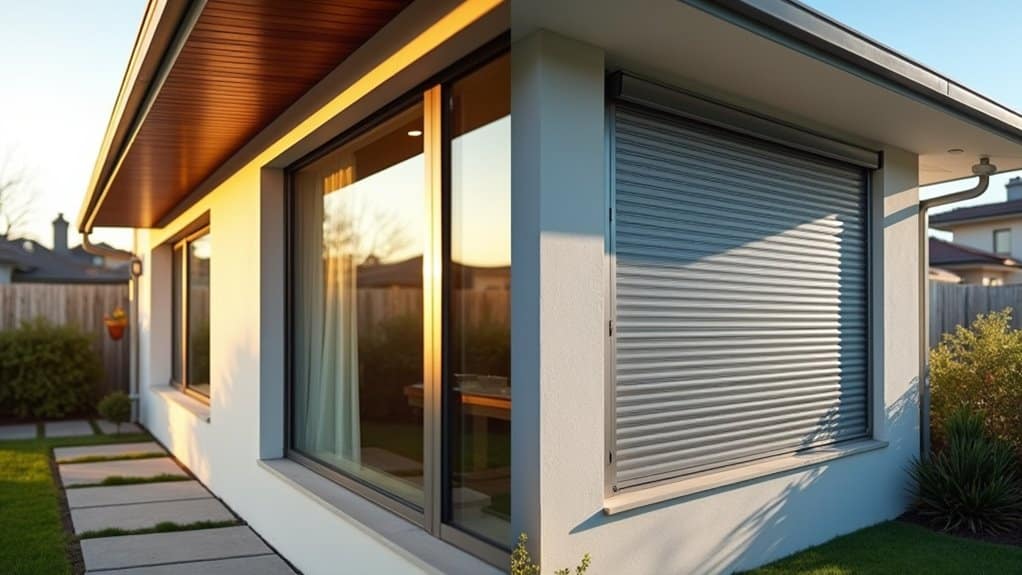
If you’re weighing upfront cost alone, hurricane shutters win, they’re cheaper to install than a full set of impact windows because you’re covering existing openings rather than replacing them. Deciding between impact windows or shutters starts with these baseline numbers:
- Panel shutters, the lowest-cost code-compliant option, roughly $3,000 to $7,000 for a full home, or $10 to $20 per square foot.
- Accordion shutters, a middle-ground choice at $8,000 to $15,000, with permanent mounting raising material cost.
- Roll-down shutters, premium shutters at $25 to $60 per square foot, often $10,000 to $20,000+.
- Impact windows, about $40 to $60 per square foot installed, frequently $16,000 to $30,000 on larger homes.
Window count and shutter type drive your final total.
Storm-Prep and Maintenance Effort Compared
Once cost stops being your only filter, storm-prep and maintenance effort often decide the matter, and here the two systems diverge sharply. Impact windows demand no pre-storm deployment because protection stays permanent and always in place. You won’t monitor forecasts for last-minute closing, handle ladders and tools, or risk a deployment gap where the storm arrives before you’ve finished. Your storm-prep effort drops to verifying compliance.
Shutters require manual setup before each threat. Steel panels can demand two people and three to six hours, and undeployed shutters provide zero protection if timing or evacuation intervenes.
Maintenance follows the same pattern. Shutters need inspection of tracks, fasteners, latches, and panels, plus storage and motor servicing. Impact windows stay installed year-round, making them the lower-effort option.
Energy, Noise, and UV Perks of Impact Windows
Beyond storm protection, impact windows work year-round to lower your operating costs and improve indoor comfort. The laminated glass and insulated construction reduce thermal transfer, with ENERGY STAR certified units cutting energy bills by an average of 12% and some Florida upgrades from single-pane glass reporting 10% to 40% reductions. That same lamination doubles as a sound barrier and blocks UV rays, so you’ll get quieter interiors and less fading on your furnishings, flooring, and artwork.
Energy Efficiency Savings
While hurricane shutters sit idle until a storm threatens, impact windows work for you every day by cutting heat transfer through the glass. When you weigh impact windows or shutters for efficiency, only impact windows deliver insulated construction that limits conduction, radiation, convection, and air leakage year-round. Lower U-Factor and SHGC ratings keep heat out in summer and in during winter, trimming your utility costs measurably.
Here’s what efficient impact windows can deliver:
- 10% to 40% annual energy bill reduction when replacing single-pane windows.
- 12% average savings with ENERGY STAR-certified upgrades.
- Lower U-Factor values for better insulation and less heat transfer.
- Lower SHGC values to block solar heat gain in hot Florida climates.
Match glass, frame, and installation to your climate zone.
Noise and UV Reduction
Energy savings aren’t the only daily payoff you get from impact windows. When you compare impact windows or shutters, only the laminated glass units deliver year-round noise and UV control. The PVB interlayer absorbs and disrupts sound waves, delivering roughly 35, 45 dB of reduction, premium acoustic units reach 45, 50 dB, with quality systems hitting STC 50. Since a 10-decibel drop cuts perceived loudness in half, you’ll notice up to 75% quieter interiors versus single-pane glass. That tames traffic, construction, airplanes, lawn equipment, and loud neighbors. They’re not fully soundproof, but tight seals and proper installation maximize performance.
That same interlayer blocks a substantial share of UV rays, protecting furniture, flooring, drapes, and artwork from fading. Check manufacturer data sheets, since exact UV percentages vary by specification.
Do Impact Windows Boost Your Home’s Value?
How much value do impact windows actually add? The honest answer depends on your location, your original windows’ condition, and your installation cost. While impact windows can increase home value by combining storm protection, energy efficiency, and curb appeal, you shouldn’t expect a dramatic appraisal jump. Treat this upgrade as value-preserving and value-adding, not a guaranteed profit center.
Here’s what drives the return:
- Resale ROI: Window-replacement data commonly cites 67% to 69%, reaching up to 85% by project type and market.
- Marketability: Listings often spend less time on the market and support higher asking prices.
- Energy savings: Reduced heat transfer lowers utility bills year-round.
- Insurance discounts: Premium reductions strengthen your total economic return.
In hurricane-prone markets, that’s a smart investment.
When Hurricane Shutters Make More Sense
Impact windows make sense as a permanent upgrade, but they aren’t the right call for every property or budget. Hurricane shutters often make more sense when upfront cost drives the decision, since accordion systems run three thousand to eight thousand dollars versus fifteen thousand or more for full window replacement. You can achieve code-compliant opening protection without swapping every window, which reduces project scope and scheduling. If your home predates 2002 and lacks upgraded opening protection, shutters deliver a fast, less invasive path to storm readiness before hurricane season. They’re also ideal for targeted coverage on hard-to-reach openings, garage doors, or supplemental redundancy where impact windows are absent. When you want protection without permanent visual changes or extensive renovation, shutters fit the requirement precisely.
Choosing the Right Protection for Your Home
Because both systems meet Florida’s large missile impact standards, your decision comes down to how you use the property, what you’re willing to spend, and how much you value daily benefits beyond storm protection. When weighing impact windows vs hurricane shutters, match the system to your situation:
Both systems pass the same impact standards, so let your lifestyle, budget, and daily priorities make the final call.
- Choose impact windows for primary residences where you want passive, always-on protection plus UV blocking, sound reduction, and 15, 25% better energy efficiency.
- Choose shutters for vacation rentals, garages, or hard-to-reach openings where upfront cost matters most.
- Factor deployment risk, undeployed shutters provide zero protection, and steel panels can take 2 people and 3, 6 hours.
- Consider resale and insurance, impact windows document as permanent wind mitigation upgrades, often earning larger discounts than shutters.
Align your investment with how you actually live.
Call Today and Strengthen Your Storm Defense
Investing in impact windows isn’t just about hurricane protection, it’s about energy savings, insurance discounts, and lasting peace of mind. At Innovative Storm Defense serving Boca Raton, FL, our skilled team delivers reliable Storm Windows built to exceed industry standards. Call (561) 517-9399 today and schedule your free consultation.
Frequently Asked Questions
Can I Install Impact Windows and Hurricane Shutters Together on the Same Opening?
Yes, you can install both on the same opening, creating a layered defense that pairs permanent impact glass with a deployable barrier. This combination adds redundancy for severe hurricane zones, but it’s typically optional since impact windows already deliver continuous protection. Before you proceed, verify manufacturer instructions, engineering requirements, product approvals, and local building codes. Expect added cost and maintenance, so weigh that against your risk tolerance and budget.
How Long Do Impact Windows and Hurricane Shutters Typically Last?
You’ll typically get 15 to 25 years from professionally installed, well-maintained impact windows, though quality units can exceed 20 years or more before seal failure, frame damage, or glass distortion forces replacement. Hurricane shutters generally last longer when you service them, but coastal salt exposure, corrosion, bent panels, and failed hardware drive replacement faster than storm use alone. Maintain both, clean, lubricate, and inspect annually, and you’ll maximize service life.
Are Permits Required to Install Impact Windows or Hurricane Shutters in Florida?
Yes, you’ll generally need a permit. Florida treats impact window installation as building-envelope work, so it almost always requires a permit and a licensed contractor. Permanent shutter systems, accordion, roll-down, Bahama, and colonial, usually require permits too. Removable storm panels on code-compliant tracks often don’t. In the HVHZ, including all of Broward and Miami-Dade, you’ll need product approvals like a Miami-Dade NOA, plus inspections. Skip permitting and you risk stop-work orders.
Can Impact Windows or Shutters Be Repaired After a Hurricane Strikes?
Yes, you can repair both systems after a hurricane. If your impact window‘s frame, seal, and anchoring stay intact, you’ll often need only glass replacement; damaged frames require full unit replacement, which runs more expensive and specialized. Your shutters typically need panel straightening, hinge repair, track repair, lock repair, or fastener replacement. Roll-down and accordion systems are especially prone to mechanical damage. Address temporary fixes permanently before the next hurricane season.
Do Impact Windows or Shutters Qualify for Any Tax Credits or Rebates?
Impact windows can qualify for the federal Energy Efficient Home Improvement Credit, 30% of your cost, capped at $600 annually within the $1,200 limit, if they meet program rules and carry a Qualified Manufacturer Identification Number. Florida’s offered rebates too, sometimes up to $200 per window and $500 total. Shutters don’t have a dedicated federal credit; you’ll see their benefit through insurance discounts and property-tax treatment instead. Verify current-year IRS rules.