
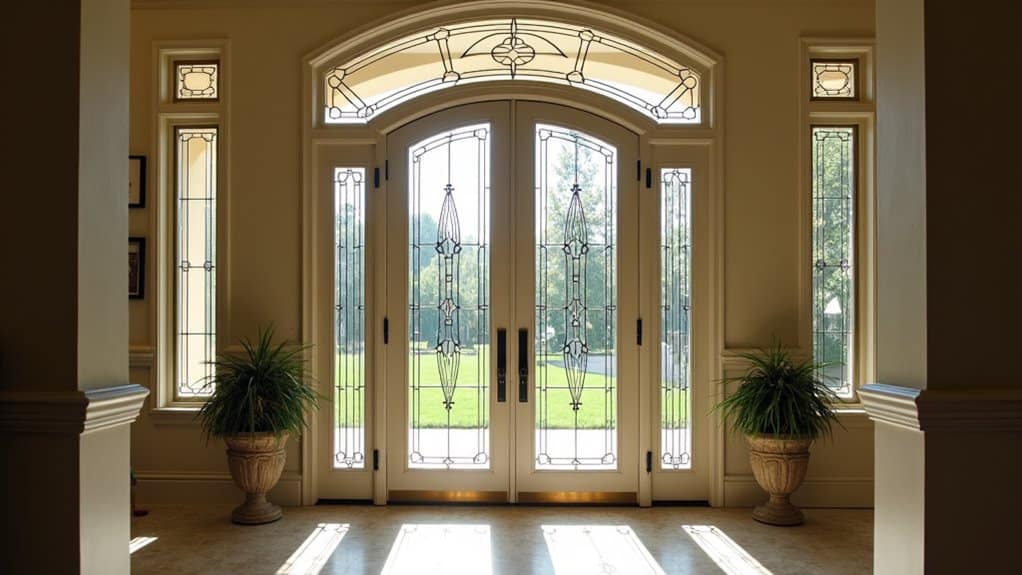
Modern office windows in 2025 blend smart technology with strategic design to maximize your workspace’s potential. You’ll find electrochromic glazing that automatically adjusts tint levels, cutting energy costs by 30%, while dynamic shading systems respond to changing daylight conditions. Strategic window placement can boost natural light penetration by up to 40%, and integrated building management systems optimize both comfort and efficiency. These innovations represent just the beginning of how advanced window solutions can transform your office environment.
Strategic Window Placement for Maximum Daylight

When designing a modern office space, strategic window placement serves as a cornerstone for maximizing natural daylight and enhancing workplace efficiency. You’ll achieve up to 30% more daylight penetration by carefully planning your window design and orientation compared to conventional layouts.
To optimize daylight harvesting, consider incorporating dynamic facade systems with automated shades that respond to changing light conditions. You can boost interior illumination by 25% in open-plan offices using strategically angled windows and skylights. For deeper spaces, pair your window placement with reflective surfaces and light shelves to increase daylight distribution by up to 40%.
Smart Glazing Technologies and Energy Performance
As modern offices embrace sustainability, smart glazing technologies represent a revolutionary advancement in window design and energy management. You’ll find these innovative solutions dramatically reduce energy costs while enhancing occupant comfort through precise control of natural light and solar heat gain.
- Electrochromic and thermochromic smart glazing systems can improve energy efficiency by up to 30%, automatically adjusting their tint based on environmental conditions.
- Automated window shading integrated with building management systems optimizes daylighting while delivering 15% energy savings.
- Advanced window films with nano-coatings block 99% of UV rays and reduce cooling costs by 15%.
For maximum performance, you can combine these technologies with switchable privacy glass, allowing instant shifts from transparent to opaque states. This integration creates a comprehensive window solution that balances energy efficiency, comfort, and functionality in your modern office space.
Bioclimatic Window Solutions for Workplace Comfort

You’ll find that bioclimatic window solutions combine natural ventilation and thermal mass principles to regulate office temperatures without excessive mechanical intervention. By integrating automated shading systems and smart glass technologies, you can create dynamic responses to changing solar conditions throughout the day, maximizing comfort while minimizing energy consumption. Your workplace comfort benefits from these advanced window designs that harmonize passive solar strategies with high-performance materials, creating an ideal balance between natural heat control and occupant well-being.
Natural Heat Control Methods
Modern workplaces increasingly rely on bioclimatic window solutions to achieve ideal thermal comfort while minimizing energy costs. By incorporating natural elements and climate control features, you’ll reduce energy consumption while creating flexible workspaces that maintain perfect temperatures year-round.
Key natural heat control methods include:
- Dynamic solar shading systems that automatically adjust throughout the day, optimizing natural light while reducing background noise and heat gain
- Triple-glazed windows with low-e coatings and natural materials like wood frames that cut heat transfer by 50%, creating quiet spaces for focused work
- Integrated ventilation features like operable windows and thermal chimneys that enhance work environments through passive cooling
These solutions transform your office into a thermally efficient space that adapts to changing environmental conditions while maintaining comfortable temperatures for your team.
Dynamic Solar Response Systems
Dynamic solar response systems represent the next evolution in workplace window technology, seamlessly merging intelligent controls with bioclimatic design principles. You’ll find these systems automatically adjust window shading and ventilation based on real-time environmental conditions, optimizing your indoor climate throughout the day.
The integration of electrochromic glazing enables your windows to shift between transparent and tinted states, giving you precise control over solar heat gain and glare. By incorporating bioclimatic window design, you’re leveraging site orientation and seasonal patterns to maximize natural lighting while minimizing energy costs. Smart sensors monitor conditions and adjust natural ventilation through strategically placed operable windows and vents, reducing your dependence on mechanical HVAC systems. This data-driven approach guarantees your workplace maintains ideal comfort levels while achieving superior energy efficiency.
Flexible Shading Systems and Glare Control
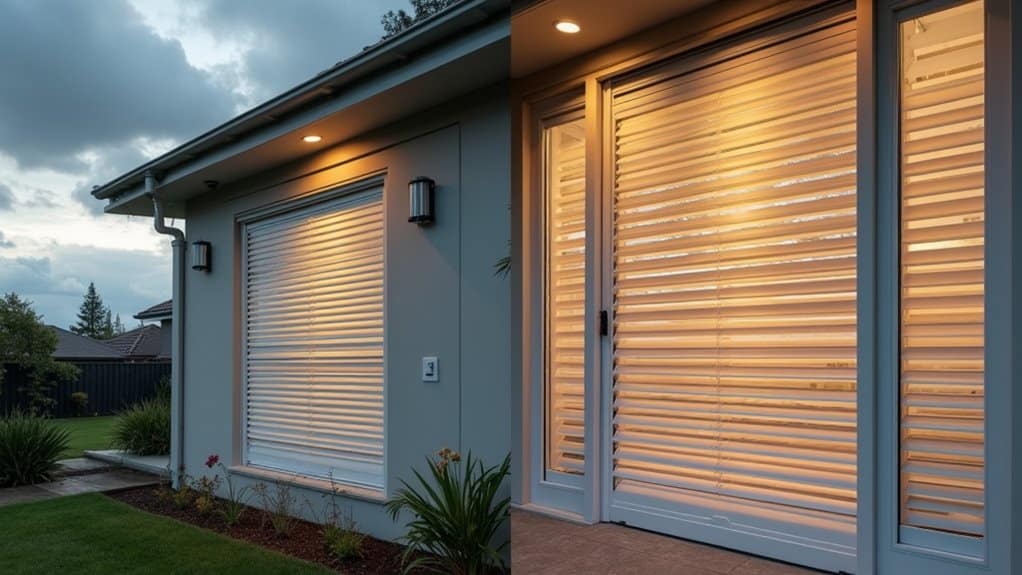
You’ll find cutting-edge office spaces now employ smart automated shading systems that respond to changing daylight conditions, seamlessly adjusting opacity levels and tint to prevent glare while preserving outside views. Dynamic glass technologies paired with multi-zone controls let you customize light management for different areas and activities throughout your workplace. Advanced solutions like honeycomb cellular blinds and variable-opacity fabrics combine aesthetic appeal with practical functionality, allowing your team to optimize both visual comfort and energy efficiency.
Smart Automated Shade Controls
Intelligent workspace design has revolutionized how we manage natural light through smart automated shade controls. These advanced systems integrate seamlessly with your office environment, utilizing sensors to monitor ambient light levels and automatically adjust for ideal comfort and energy efficiency.
Key features of modern automated shade systems include:
- Flexible shading systems with multiple zones that enable customized light control for different workspaces
- Smart home technologies that allow remote control through mobile apps and voice commands
- Motorized mechanisms with dual-sheer fabrics that enhance both functionality and aesthetics
You’ll benefit from programmed scheduling capabilities that adjust shades based on time of day or changing sunlight conditions. This intelligent automation not only reduces glare and maximizes natural daylight but also helps lower cooling costs while improving employee productivity. The integration of these sophisticated controls represents the future of modern office window design.
Dynamic Glare Prevention Systems
Building upon modern automation capabilities, sophisticated glare prevention systems represent the next evolution in workplace window design. These dynamic glass technologies and intelligent shading systems seamlessly integrate natural elements while prioritizing employee well-being through personalized control.
You’ll find that sustainable materials and advanced motorized shades and blinds work in tandem with your office design features to create an ideal environment. The system’s multi-zone functionality lets your team customize their workspace lighting, while sensors automatically adjust to the sun’s position throughout the day. This responsive approach to workplace design eliminates disruptive glare and maintains consistent brightness levels.
Multi-Zone Light Management
Modern offices demand sophisticated multi-zone light management that puts control directly in workers’ hands. Through integrated sensor networks and advanced glazing technologies, you’ll achieve ideal daylight distribution while managing solar heat gain and visual comfort.
- Electrochromic and photochromic windows automatically tint based on natural elements, responding to changing sunlight conditions throughout the day
- Flexible shading systems with motorized controls let you adjust light levels independently across different zones, maximizing energy efficiency
- Layered window treatments combine roller shades and sheers, offering precise control over lighting and privacy needs in each workspace
These multi-zone solutions empower your team to customize their environment while maintaining consistent occupancy comfort. Smart sensors continuously monitor and adjust settings, ensuring perfect lighting conditions that enhance both productivity and wellbeing throughout your office space.
Natural Ventilation and Operable Window Design
As office design evolves toward sustainability, natural ventilation through operable windows has become a cornerstone of high-performance workplace architecture. You’ll find that integrating operable windows strategically throughout your office space can boost indoor air quality by up to 30% while reducing energy costs by 15-30%. These natural elements align perfectly with biophilic design principles, creating a seamless connection between indoor and outdoor environments.
Modern sensor-driven operable windows take ventilation to the next level. They’ll automatically adjust based on occupancy patterns, weather conditions, and energy efficiency targets. You can optimize thermal comfort while minimizing HVAC dependency through this smart approach. When you’re pursuing LEED and WELL certifications, these ventilation solutions offer significant advantages, demonstrating your commitment to both environmental sustainability and occupant wellbeing.
Window Materials and Sustainable Construction

While traditional window materials have served offices well in the past, sustainable construction now demands innovative solutions that prioritize both performance and environmental responsibility. You’ll find advanced window designs incorporating recycled materials, energy-efficient glass, and composite materials that maximize thermal efficiency while minimizing environmental impact.
Consider these cutting-edge window solutions for your office:
- Dynamic glass systems that automatically adjust tint levels to optimize natural light and reduce HVAC costs
- High-performance composite frames made from fiberglass and engineered wood that provide superior insulation
- Modular window systems featuring interchangeable panels constructed from recycled aluminum and reclaimed wood
Integration With Building Management Systems
Today’s integrated window systems form the backbone of intelligent building operations, seamlessly connecting with centralized management platforms to optimize performance and enhance user experience. Smart building automation systems regulate your windows’ shades and tints by leveraging real-time sensor data, while window control systems work in harmony with HVAC and lighting components.
You’ll find that predictive analytics in building management platforms automatically adjust settings based on weather forecasts and occupancy patterns, maximizing operational efficiency. Connected window solutions put control at your fingertips through mobile apps and voice commands, while IoT enabled windows continuously transmit performance data for proactive maintenance. This integration creates a responsive environment that adapts to your needs while reducing energy consumption and maintenance costs.
Visual Connection to Outdoor Environments
Modern office designs recognize that maintaining a strong visual connection to outdoor environments delivers measurable benefits for employee well-being and organizational success. By incorporating natural elements through large windows and sliding glass doors, you’ll create modern spaces that boost productivity while reducing workplace stress.
Thoughtful integration of outdoor views and natural light creates dynamic workspaces that enhance both employee wellness and business performance.
Today’s office design trends emphasize three key aspects of visual connectivity:
- Strategic placement of large windows and glass walls to maximize natural light exposure and outdoor views, increasing cognitive function by up to 15%
- Integration of adjustable shading systems that let you control light levels in both workplace and home office design settings
- Implementation of skylights and transparent partitions that seamlessly blend indoor and outdoor environments, commanding premium rental values
These design elements transform traditional offices into vibrant, nature-connected spaces that enhance creativity and overall employee satisfaction.
Frequently Asked Questions
What Are the Home Office Trends for 2025?
You’ll see home offices in 2025 embrace smart home integration and energy-efficient lighting systems that adapt to your needs. Biophilic design elements will merge with flexible workspaces, incorporating sustainable materials and natural elements. You can expect ergonomic furniture that promotes wellness, while minimalist aesthetics create clutter-free environments. Remote collaboration tools will seamlessly integrate into your workspace, and sound-absorbing materials will enhance focus and productivity.
What Is the Future of Interior Design in 2025?
You’ll see interior design in 2025 embracing sustainable materials and smart home technology to create spaces that adapt to your needs. Biophilic design will merge seamlessly with multifunctional spaces, while wellness-focused amenities enhance your daily living experience. You can explore personalized workspaces through virtual showrooms before implementing adaptive furniture solutions. The focus will shift toward creating environments that balance technological innovation with natural elements, promoting both efficiency and well-being.
What Is a Key Trend in Modern Office Layouts?
You’ll find that flexible workspaces are dominating modern office layouts, allowing you to adapt your environment on demand. Open concept layouts paired with activity-based seating let you transform spaces for various work modes. You can integrate collaborative zones with sustainable materials while maximizing natural lighting through biophilic design elements. When you incorporate smart technology integration throughout these adaptable spaces, you’ll create a dynamic environment that supports diverse work styles and team configurations.
How to Design a Luxury Office?
To design a luxury office, you’ll want to focus on luxury materials selection, incorporating Italian marble, exotic woods, and premium metals. Install customized lighting fixtures and maximize natural lighting through floor-to-ceiling windows. Integrate technology solutions like smart controls and automated systems. Choose ergonomic furniture design that combines comfort with sophistication. Don’t forget wellness-focused amenities and sustainable construction practices. Finally, add personalized office branding elements that reflect your company’s premium status and values.