
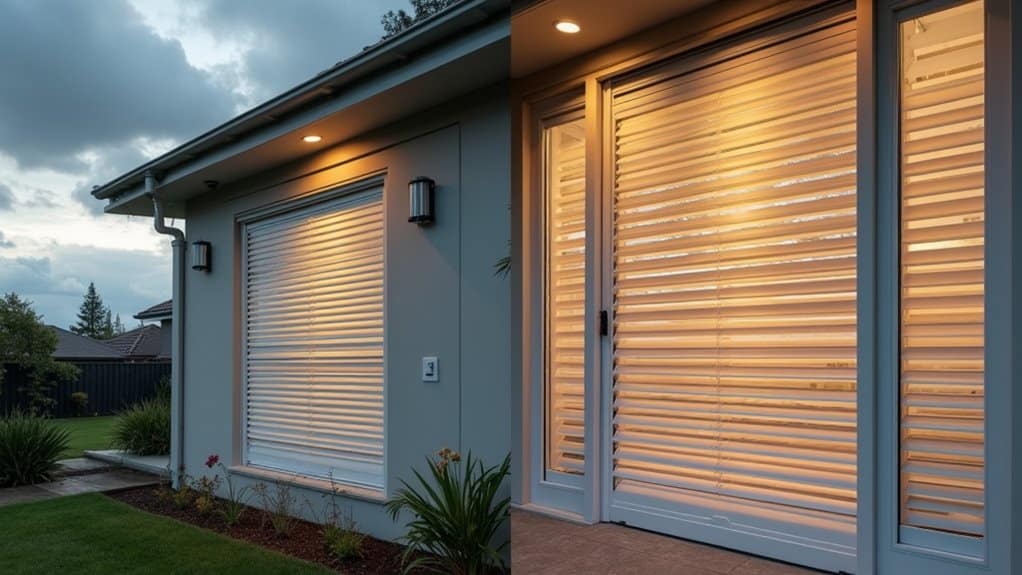
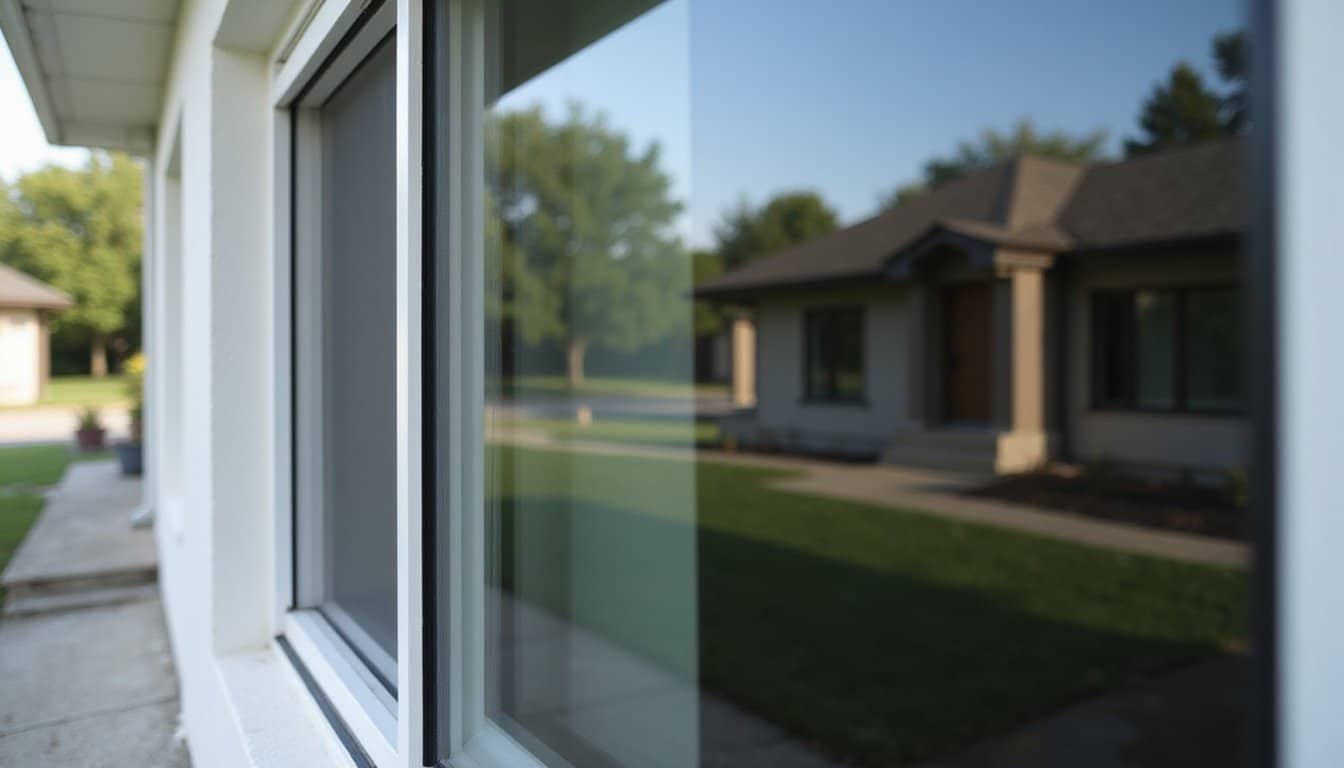
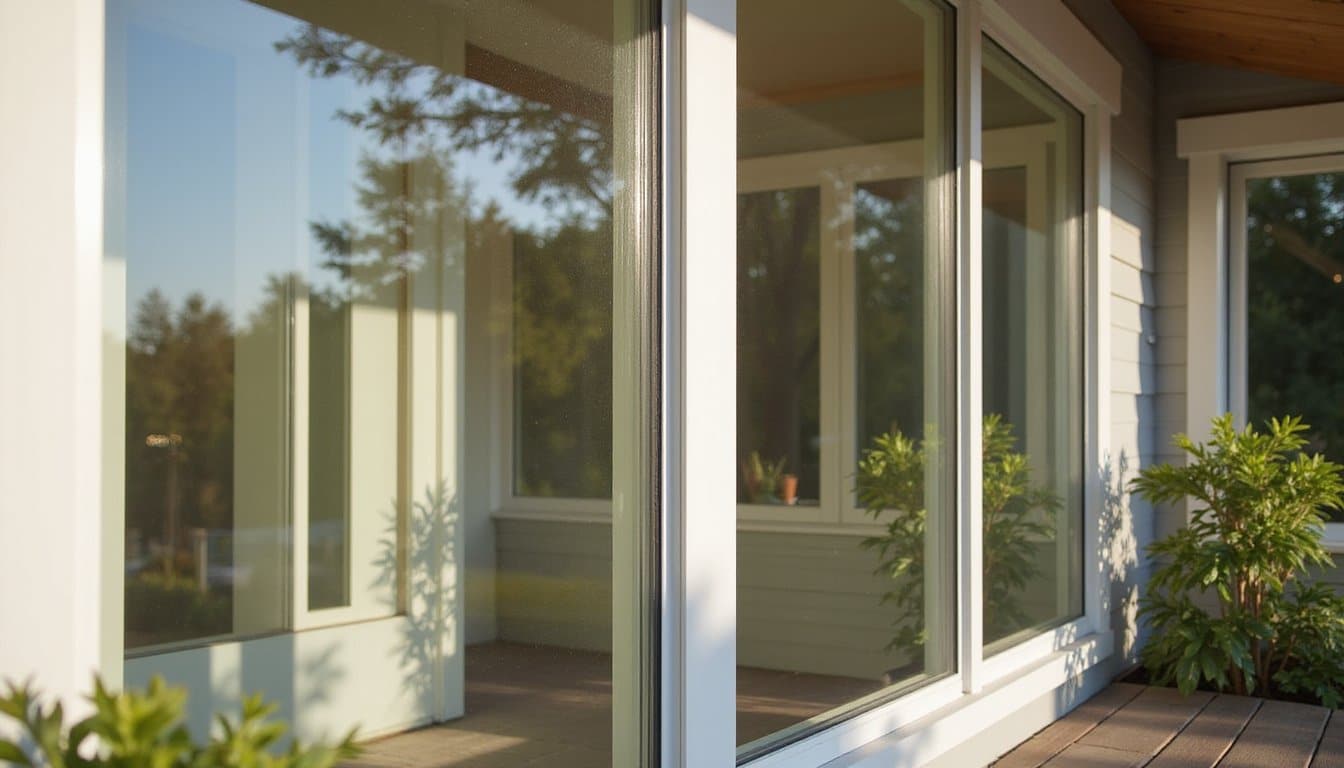
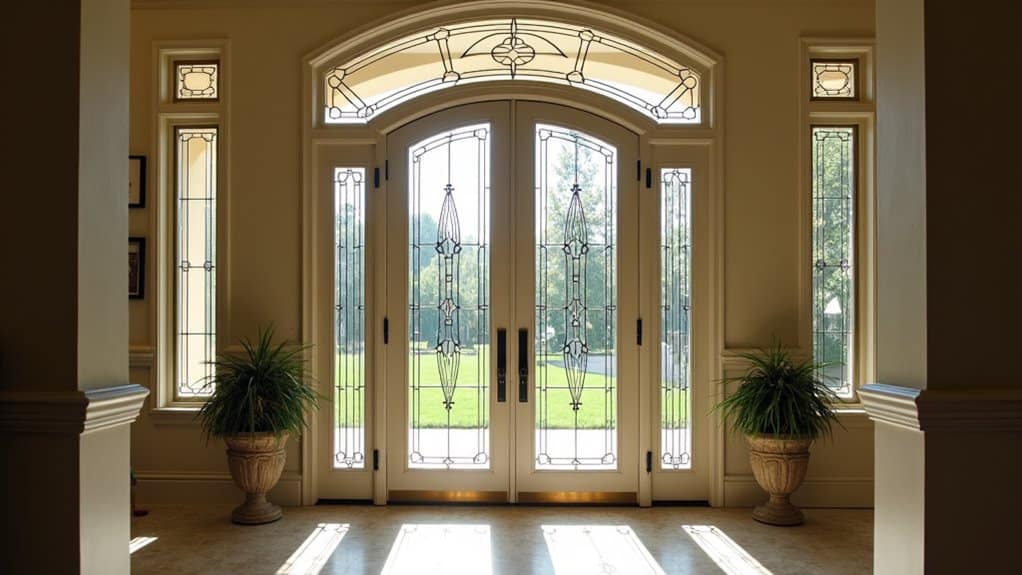
Your home’s architectural style serves as the foundation for selecting ideal window treatments that enhance both aesthetics and functionality. You’ll want to match classic elements like cellular shades and wood blinds with Colonial designs, while Modern homes benefit from minimalist coverings that maximize natural light. Consider each room’s specific needs – from moisture resistance in bathrooms to superior privacy in bedrooms. Understanding the harmony between architecture and window solutions opens up the full potential of your home’s design.
Understanding Your Home’s Architectural Style

When selecting window solutions for your home, understanding its distinct architectural style serves as the foundation for making aesthetically appropriate and historically accurate choices.
Colonial homes showcase simple shapes with balanced rectangular windows, often complemented by interior shutters or wood blinds that maintain historical authenticity. Victorian properties require treatments that honor their ornate character while preserving decorative elements like stained glass. Modern homes emphasize natural light through large windows, typically paired with minimalist solutions that highlight natural materials. American Craftsman and Farmhouse styles benefit from rustic window treatments that complement exposed wood elements. If you own a Suburban home, you’ll find more flexibility in your choices, as these properties blend various architectural influences. Each style presents unique considerations that should guide your window treatment selection.
Classic Window Treatment Options and Their Benefits
When selecting window treatments for your home’s architecture, you’ll want to pair classic options with specific architectural elements to create visual harmony. Your window’s size, placement, and the room’s function directly influence which treatments will serve both practical and aesthetic purposes for instance, Roman shades excel in compact spaces while drapery panels enhance the grandeur of tall windows. Traditional elements like cafe curtains and adjustable blinds offer timeless solutions that complement various architectural styles while maintaining functionality through precise light and privacy control.
Timeless Treatment Pairings
Several timeless window treatment options have stood the test of time, offering both aesthetic appeal and practical functionality for modern homes. When combining different window treatments, you’ll find that certain pairings create sophisticated, layered solutions that enhance both form and function.
- Cellular shades paired with drapery panels deliver superior insulation while maintaining an elegant aesthetic
- Wood blinds underneath sheer curtains blend natural textures with soft, filtered light control
- Roman shades layered with decorative side panels provide a tailored look with adjustable privacy options
- Faux wood blinds combined with valances offer moisture resistance and decorative appeal in humid spaces
- Honeycomb shades topped with cornice boards create clean lines while maximizing energy efficiency
These strategic combinations allow you to address multiple design objectives while creating visually balanced window solutions.
Architectural Style Harmony
Your home’s architectural style serves as the fundamental guide for selecting harmonious window treatments that enhance its original design intent. When choosing windows, you’ll want to ponder how each style complements your home’s architectural DNA while maximizing natural light and functionality.
| Style | Window Type | Key Features |
|---|---|---|
| Colonial | Double-hung | Clean lines, wood shutters |
| Craftsman | Casement | Natural materials, strong airflow |
| Modern | Picture/Fixed | Minimalist, unobstructed views |
You’ll find that Mediterranean homes shine with arched windows and decorative grilles, while farmhouse styles benefit from multi-pane configurations with black frames. For contemporary spaces, large picture windows create seamless indoor-outdoor connections, and traditional homes gain authenticity through wood-framed double-hung windows with classic shutters. Each choice should reflect your home’s architectural heritage while meeting modern performance standards.
Selecting Window Coverings Based on Room Function

Different rooms in your home serve distinct purposes, making it essential to select window treatments that align with each space’s functional requirements. Your window covering choices should prioritize both functionality and aesthetic appeal while addressing specific room needs.
- Bedrooms demand optimal privacy and light control, achieved through room-darkening liners or Duolite features that combine light-filtering capabilities
- Bathrooms require moisture-resistant solutions like faux wood shutters or roller shades with sufficient opacity to guarantee privacy
- Living rooms benefit from sheer shadings to prevent fabric deterioration, while incorporating drapery adds architectural depth
- Kitchens need practical solutions: faux wood blinds near water sources and heat zones, with Roman or roller shades elsewhere for natural light control
- Privacy considerations must factor in opacity levels and complete window coverage when treatments are closed
Design Elements That Complement Your Architecture
Window treatments do more than address functional needs they must harmonize with your home’s architectural DNA. For Traditional or Colonial styles, plantation shutters complement double-hung windows while maintaining period authenticity. If you’ve got a Craftsman home, woven wood shades echo the natural materials and craftsmanship essential to this style.
In Modern and Contemporary homes, sleek Hunter Douglas roller shades preserve clean lines while managing light and privacy through expansive picture windows. Mediterranean homes benefit from layered treatments that soften arched windows consider combining sheer curtains with structured blinds. For Farmhouse aesthetics, cellular shades preserve the casual, rustic charm while providing energy efficiency. Each architectural style demands specific window treatment considerations to maintain design integrity while delivering modern functionality.
Modern Solutions for Traditional Homes

While preserving the timeless character of traditional homes remains paramount, modern window treatment innovations offer sophisticated solutions that enhance functionality without compromising architectural integrity. You’ll find that the Right Window Coverings can seamlessly integrate smart home features while maintaining period-appropriate aesthetics. Today’s cellular shades effectively block light and boost energy efficiency, offering the classic appearance of traditional window treatments with superior insulation properties.
Modern window treatments blend seamlessly with traditional architecture, offering smart functionality while preserving the authentic character of historical homes.
- Motorized roller shades provide automated light control with discreet, clean lines
- Cellular shades with room-darkening capabilities enhance thermal performance
- Layered solutions combining sheer curtains with Roman shades create depth and versatility
- Faux wood blinds deliver authentic character with modern durability
- Smart home integration enables precise control while preserving historical elements
These modern adaptations respect your home’s architectural heritage while delivering contemporary performance benefits you expect in today’s living spaces.
Practical Considerations for Window Treatment Selection
When selecting window treatments for your home, you’ll need to harmonize your aesthetic preferences with practical functionality, ensuring the style complements both your interior design and daily usage patterns. Your light control requirements should factor prominently in your decision-making process, as different rooms often demand varying levels of illumination throughout the day. Before making any final selections, you’ll want to take precise measurements of each window’s dimensions, including depth, width, and height, accounting for any architectural elements like moldings or windowsills that could affect installation.
Match Style With Function
Because each room serves a distinct purpose, selecting window treatments requires careful consideration of both aesthetic appeal and practical functionality. To find window solutions that match style with function, you’ll need durability and versatility that aligns with each space’s requirements. Different types of window treatments can dramatically impact a room’s atmosphere while meeting specific needs.
- Select moisture-resistant materials for bathrooms and kitchens, like vinyl or aluminum blinds
- Choose blackout options for bedrooms, incorporating layered treatments for light control
- Install energy-efficient cellular shades in rooms with high sun exposure
- Opt for easy-to-clean treatments in high-traffic areas and children’s rooms
- Consider motorized options for hard-to-reach windows or to perfect window operation in formal spaces
These targeted solutions guarantee your window treatments serve both form and function effectively.
Consider Light Control Needs
Since natural light dramatically influences a room’s ambiance and functionality, selecting window treatments with precise light control capabilities is essential for your home’s livability. You’ll find that blackout shades provide complete darkness for bedrooms, while solar shades offer UV protection without sacrificing your view to the outside.
For versatile light management, consider installing adjustable blinds or honeycomb shades that let you fine-tune the amount of daylight entering each space. These options also deliver energy efficiency by reducing heat transfer through your windows. Roller shades equipped with motorization give you convenient control via smartphone or remote, perfect for hard-to-reach windows. When you’re evaluating different solutions, factor in each room’s purpose – you might want filtered light in your home office but total darkness in your media room.
Measure Windows Precisely
After determining your ideal light control needs, accurate window measurements become the foundation for successful window treatment installation. Whether you’re considering mini blinds, vertical blinds, or shutters are your go-to option, each homes architectural feature requires precise dimensions. Every window must be measured individually, as even seemingly identical windows can vary slightly.
- Measure window width at three points: top, middle, and bottom
- Record height measurements on both sides and center of the window
- Note depth measurements for inside-mounted treatments
- Document any protruding hardware or architectural obstacles
- Consider trim details when planning outside-mounted solutions
These detailed measurements guarantee your selected window treatments whether they’re shutters, mini blinds, or vertical blinds will fit perfectly and function properly within your home’s architectural framework. Taking precise measurements now prevents costly mistakes and installation delays later.
Frequently Asked Questions
What Window Treatments Never Go Out of Style?
You’ll find that classic curtain designs in neutral palettes and timeless shutter options, particularly in natural wood finishes, consistently remain in style. Elegant Roman shades offer enduring sophistication, while versatile valance styles can adapt to evolving design trends. For a modern touch that’s here to stay, minimalist window films provide privacy without sacrificing natural light. These treatments have proven their staying power through decades of interior design evolution.
What Kind of Window Treatments Does Joanna Gaines Use?
You’ll find Joanna Gaines’ signature farmhouse chic window designs feature layered treatments, typically combining natural woven wood shades with functional yet stylish curtain panels in neutral linens. For large picture window treatments, she’ll often incorporate custom window valance options with Roman shades underneath. She’s known for using energy efficient window treatments like blackout roller shades and pairs them with sheer curtains for versatility. Her style embraces wood blinds and reclaimed shutters for authentic rustic appeal.
What Is the Newest Trend in Window Coverings?
You’ll find that today’s window covering trends focus heavily on smart automation and energy efficiency. Modern cellular shades with motorized controls are leading the way, while energy efficient window films provide additional temperature regulation. Statement draperies are making bold design impacts, often paired with minimalist roller shades for versatile light control. Decorative window trims are complementing these treatments, creating a cohesive look that merges technology with style for your contemporary living spaces.
What Are People Using Instead of Blinds?
You’ll find several sophisticated alternatives to traditional blinds gaining popularity. Sheer curtains offer delicate light filtration while maintaining privacy. Energy-efficient cellular shades provide superior insulation with their honeycomb design. Tailored roman shades create clean lines and fold smoothly when raised. Sleek roller shades disappear completely into valances. Full-length drapery panels add drama and can be layered with other window treatments for enhanced functionality and style.