
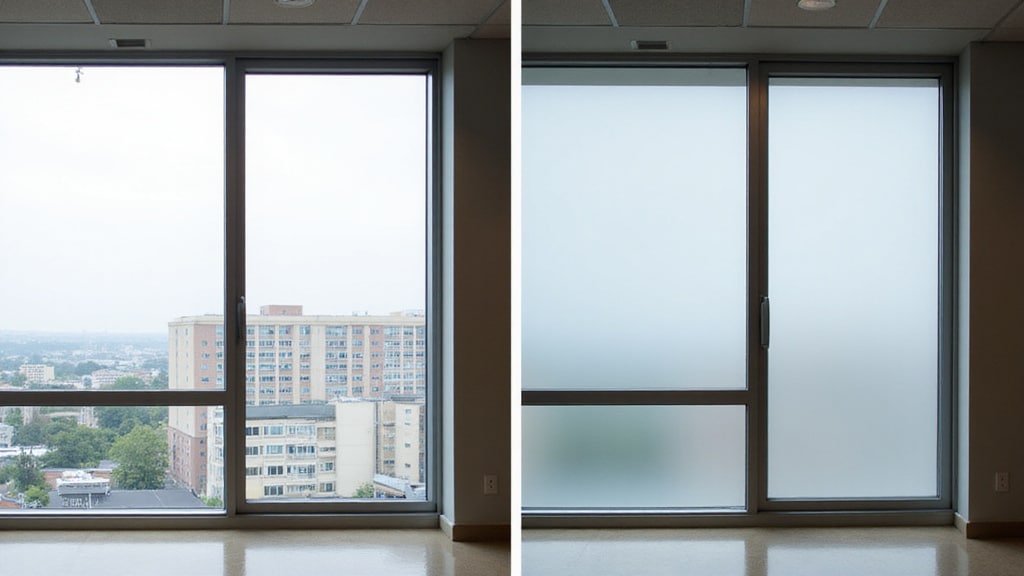
Keep your windows performing at peak efficiency with a thorough maintenance strategy. You’ll need to implement quarterly inspections focusing on cleaning, sealing, and lubricating moving parts. Integrate smart monitoring systems to detect air leaks and manage automated shading. Don’t forget seasonal tasks: replace weatherstripping in winter, deep clean in spring, check structural integrity in summer, and test operations in fall. Modern window care combines traditional upkeep with cutting-edge solutions for ideal results.
Essential Window Care Fundamentals
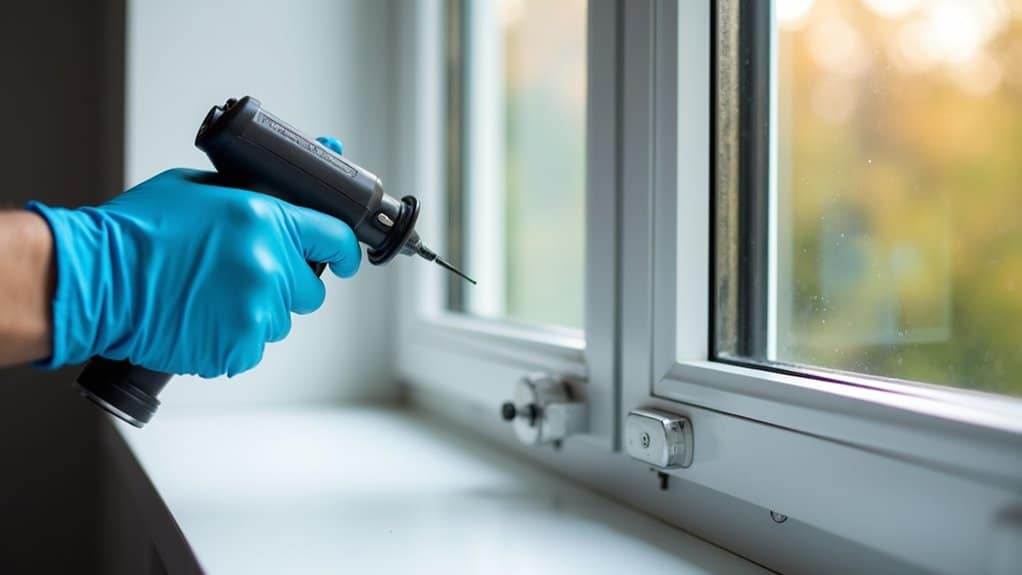
While maintaining windows might seem straightforward, proper care requires a systematic approach to guarantee their longevity and performance. Your regular maintenance routine should start with washing windows using a gentle soap solution and soft cloth, avoiding harsh chemicals that can damage the glass or window frames.
Don’t overlook your window screens vacuum them regularly and inspect for tears or damage. You’ll want to apply a silicone-based lubricant to moving parts, ensuring smooth operation and preventing wear. Pay special attention to tracks and weatherstripping, as these components directly impact your windows’ energy efficiency.
When you notice issues like sticking mechanisms or unusual drafts, address them immediately. This proactive approach prevents minor problems from escalating into costly repairs and maintains your windows’ ideal functionality throughout their lifespan.
Common Maintenance Mistakes to Avoid
Regular window inspections identify deterioration before it escalates into costly repairs, yet many homeowners skip this pivotal step until problems become severe. You’ll compromise your windows’ integrity by using harsh, non-specialized cleaners that can erode weatherproofing components and damage specialized coatings. Weather stripping demands specific attention during maintenance checks, as its deterioration leads to air infiltration, moisture problems, and reduced energy efficiency.
Neglecting Regular Window Inspections
Despite its apparent simplicity, skipping routine window inspections can lead to costly repairs and reduced energy efficiency in your home. You’ll need to inspect your windows at least twice annually, focusing on critical components that often show early signs of damage.
When you perform window maintenance, examine weatherstripping for tears, check frames and tracks for moisture accumulation, and test the operation of all moving parts. Look for condensation between panes, which indicates seal failure, and inspect exterior caulking for gaps or cracks. Pay special attention to window corners where water tends to collect.
Document your findings regularly to guarantee you’re tracking degradation patterns over time. If you spot issues like sticking mechanisms or drafts, address them immediately to prevent escalation into major structural problems that could compromise your home’s thermal envelope.
Improper Cleaning Solutions
Using harsh or inappropriate cleaning solutions can break down essential window components and permanently damage glass surfaces. Abrasive cleaners and ammonia-based products will deteriorate window seals, corrode frames, and create microscopic scratches that weaken glass integrity.
For proper cleaning solutions, mix a mild dish soap with warm water or use specialized window cleaners designed for your specific window type. Apply the solution with a soft cloth, avoiding steel wool or rough scrubbing pads that can damage the glass. When keeping your windows in ideal condition, regular maintenance can extend their lifespan considerably. Start at the top and work downward, ensuring you’ve removed all cleaning solution residue. For tinted or treated windows, verify compatibility with manufacturers’ guidelines before applying any cleaning products to prevent voiding warranties or causing irreversible damage.
Ignoring Weather Stripping Care
While many homeowners focus on window glass maintenance, overlooking weather stripping care can considerably impact your home’s energy efficiency and comfort levels. When you neglect this indispensable component, you’re risking up to 30% reduction in your home’s energy efficiency and compromising your energy-efficient windows’ performance.
To prevent heat loss and maintain optimal window operation, you’ll need to regularly inspect your weather stripping for signs of wear, compression, or damage. Deteriorated seals can account for up to 25% of your home’s total energy loss and create conditions favorable for mold growth. To guarantee smooth operation and maximum efficiency, replace worn weather stripping promptly. Don’t wait until you notice drafts or increased utility bills by then, you’re already losing significant energy and potentially damaging your window frames through moisture infiltration.
Seasonal Window Maintenance Schedule
Since windows endure different environmental stresses throughout the year, maintaining them according to a seasonal schedule helps maximize their longevity and performance. To improve energy efficiency and enhance your home’s heating and cooling capabilities, follow these season-specific maintenance tasks:
- Winter: Inspect and replace worn weatherstripping, lubricate hardware, and clean tracks to prevent heat loss
- Spring: Deep clean windows, frames, and screens to remove winter buildup and improve ventilation
- Summer: Check for structural damage, warping, or signs indicating potential window replacement needs
- Fall: Test window operation and make necessary adjustments before cold weather arrives
For better energy efficiency, schedule a professional inspection annually to identify hidden issues that could compromise your windows’ performance. This proactive approach guarantees optimal functionality and helps avoid costly repairs while maintaining your home’s comfort level year-round.
Advanced Care Techniques for Long-Term Performance
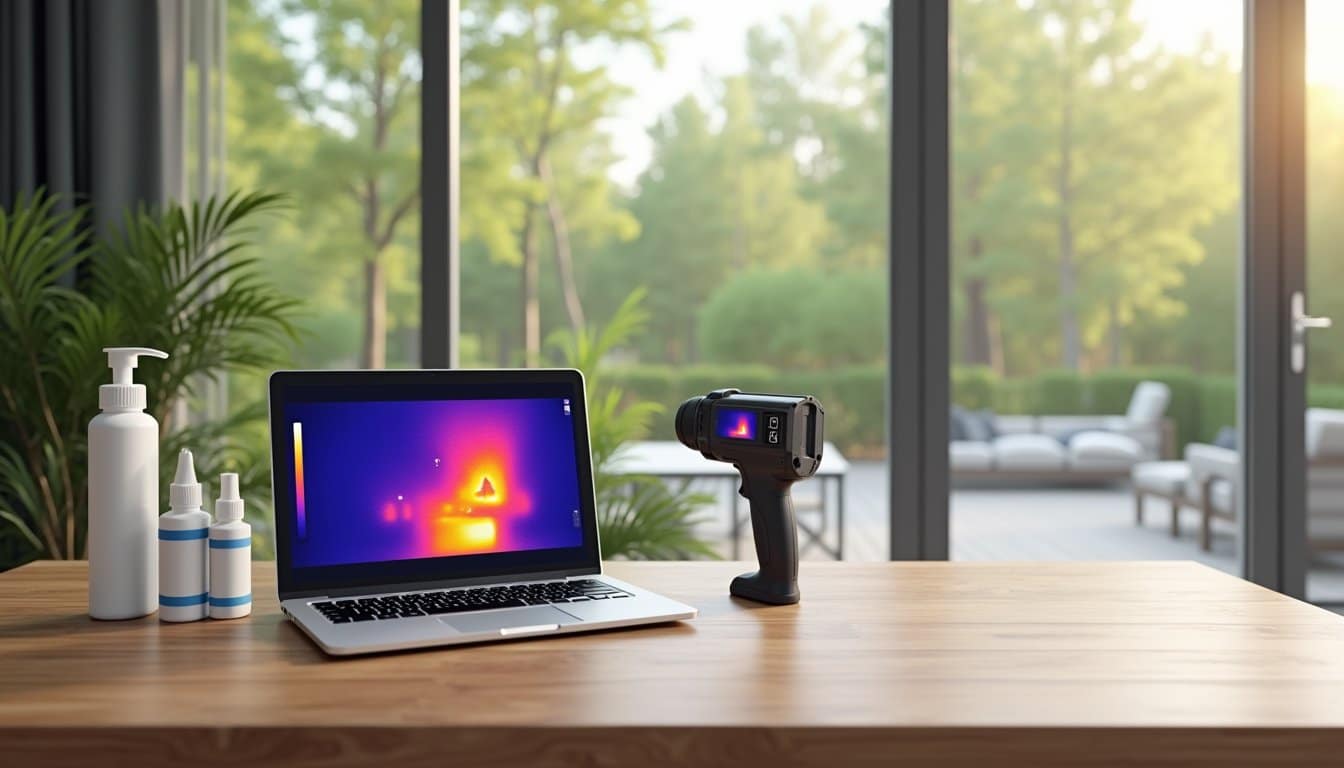
To maximize your windows’ long-term performance, you’ll need to implement professional inspection services that utilize thermal imaging and advanced sealant technologies. You can enhance your windows’ efficiency by establishing a data-driven maintenance schedule that tracks performance metrics and identifies early warning signs of potential issues. Consider upgrading to impact-resistant or energy-efficient window solutions that integrate with smart home systems for ideal climate control and protection against severe weather conditions.
Performance-Enhancing Window Solutions
Modern homeowners seeking ideal window performance can leverage several advanced care techniques that maximize energy efficiency and longevity. During harsh winter months, you’ll want to optimize your cooling systems by implementing high-performance coatings and automated shading solutions that enhance curb appeal while preventing cracked glass.
For preferred results, consider these window options and upgrades:
- Install triple-pane or low-E glass technology for superior thermal resistance
- Apply specialized UV-blocking films to protect interior furnishings
- Integrate smart automated shading systems for precise climate control
- Implement professional-grade weatherstripping solutions
Smart Maintenance Schedule Implementation
Building upon advanced window technologies, implementing a structured maintenance schedule serves as the cornerstone of long-term window performance. You’ll maximize your window’s efficiency by following a seasonal maintenance schedule that integrates both basic and advanced care techniques.
Start by establishing quarterly inspections, focusing on cleaning windows, inspecting seals, and lubricating hardware for optimum performance. Utilize infrared scanning technology to detect hidden air leaks and identify areas requiring immediate attention. You’ll want to coordinate these efforts with automated smart home systems that monitor window performance in real-time.
Partner with certified window contractors to develop customized maintenance plans that incorporate high-tech solutions like automated shade controls and UV-protective films. This thorough approach guarantees your windows maintain peak efficiency while reducing long-term energy costs through strategic, preventive care.
Energy-Saving Window Maintenance Strategies
Implementing effective window maintenance strategies can markedly reduce your home’s energy consumption while maximizing comfort and cost savings. When choosing the right solutions for your home, consider Andersen Windows’ various options specifically designed for the winter months.
- Seal all gaps and cracks around your windows immediately this simple step can boost energy efficiency by 20%
- Clean your windows monthly to maximize natural light penetration and reduce artificial lighting needs
- Replace worn weatherstripping to prevent the 30% energy loss typically caused by air leaks
- Install high-performance window coatings to enhance insulation by up to 30%
For best window performance, combine these maintenance tasks with strategic window treatments. You’ll create an ideal energy-saving system that maintains prime indoor temperatures while significantly reducing your heating and cooling expenses throughout the year.
Professional Vs DIY Maintenance Guidelines

While energy-saving strategies enhance window performance, knowing when to tackle maintenance yourself versus calling a professional is key to ideal results. Professional vs DIY maintenance plays a pivotal role in preserving your windows’ longevity and efficiency.
You can handle basic window maintenance tasks like cleaning, lubricating hardware, and replacing simple components. These DIY activities play a crucial role in routine upkeep without significant risk. However, complex repairs involving weatherstripping, frame sealing, or structural issues require professional expertise. Licensed contractors play an indispensable role in conducting thorough inspections, diagnostic testing, and implementing specialized solutions.
When deciding between professional and DIY window maintenance, assess the task’s complexity, your skill level, and potential safety implications. Remember, attempting advanced repairs without proper training can compromise your windows’ integrity and energy efficiency.
Weatherproofing Best Practices
Effective weatherproofing serves as your first line of defense against energy loss and moisture infiltration through windows. Well-maintained seals and proper insulation help reduce your energy costs, keeping your home warmer in winter and cooler in the summer. By implementing strategic weatherproofing measures, you’ll enhance your windows’ performance while saving you money on utility bills.
Strategic weatherproofing protects against energy waste and moisture damage, while properly sealed windows maintain comfortable indoor temperatures year-round.
- Inspect weatherstripping monthly, replacing worn or damaged sections
- Apply high-quality silicone caulk around window frames and joints
- Seal all visible gaps using appropriate weatherproofing materials
- Consider upgrading to triple-pane windows for maximum efficiency
Regular maintenance of these weatherproofing elements guarantees ideal window performance. When properly executed, these measures will substantially improve your home’s thermal efficiency and moisture resistance, creating a more comfortable living environment.
Smart Technology Integration for Window Care
Modern window care has stepped into the digital age with innovative smart technology solutions that revolutionize maintenance routines. You’ll find smart sensors monitoring real-time performance while automated window treatments adjust to maximize natural lighting and temperature control.
| Technology | Benefits |
|---|---|
| Smart Sensors | Performance tracking, maintenance alerts |
| AI Assistants | Automated scheduling, wear monitoring |
| IoT Components | Self-diagnostics, automatic adjustments |
| AR Applications | Virtual upgrades, maintenance guidance |
AI-powered digital assistants now handle your maintenance schedule, while IoT-connected window components self-diagnose potential issues before they become problems. You can leverage augmented reality applications to visualize upgrades and understand maintenance procedures. These integrated technologies work together to create a thorough, proactive approach to window care, ensuring superior efficiency and prolonged window life through predictive maintenance and automated adjustments.
Frequently Asked Questions
How Can I Improve My Window Energy Efficiency?
You’ll maximize your window’s energy efficiency by taking several key steps. First, reduce air leaks by upgrading weatherstripping around all frames and seals. Next, optimize natural lighting by strategically placing reflective surfaces and removing external obstacles. Consider optimizing window placement during renovations to maximize solar gain. Finally, invest in smart windows with automated tinting and low-E coatings to control heat transfer. These improvements will substantially/considerably/dramatically lower your energy costs.
What Are the Highest Efficiency Windows?
You’ll achieve maximum energy efficiency with triple pane windows featuring low-E coatings and argon gas fills, which deliver U-values as low as 0.20. For ideal performance, choose windows with tilt and turn design that guarantees airtight seals. When integrated with passive solar design principles, these high-performance windows can reduce your energy costs by up to 30%. Look for models that combine multiple low-E layers and warm-edge spacers for exceptional thermal resistance.
What Is the Best Material for Energy-Efficient Windows?
For ideal energy efficiency, you’ll find that fiberglass offers the best combination of insulation properties and thermal performance enhancement. Its glass composition allows for minimal expansion and contraction, ensuring superior air leakage reduction compared to other materials. You’ll benefit from its exceptional ultraviolet protection and structural stability. While vinyl’s also effective, fiberglass’s strength-to-weight ratio and thermal resistance make it the top performer for energy-efficient windows in most climates.
How to Do Maintenance on a Window?
You’ll need to follow several key steps for proper window maintenance. Start with window cleaning techniques using mild soap and a microfiber cloth. Check weatherstripping installation annually, replacing worn seals to prevent drafts. Monitor glazing replacement strategies, addressing any cracks promptly. Apply frame repair methods to fix minor damages, and implement condensation management approaches by maintaining proper ventilation. Don’t forget to lubricate moving parts and clean tracks regularly for ideal performance.