
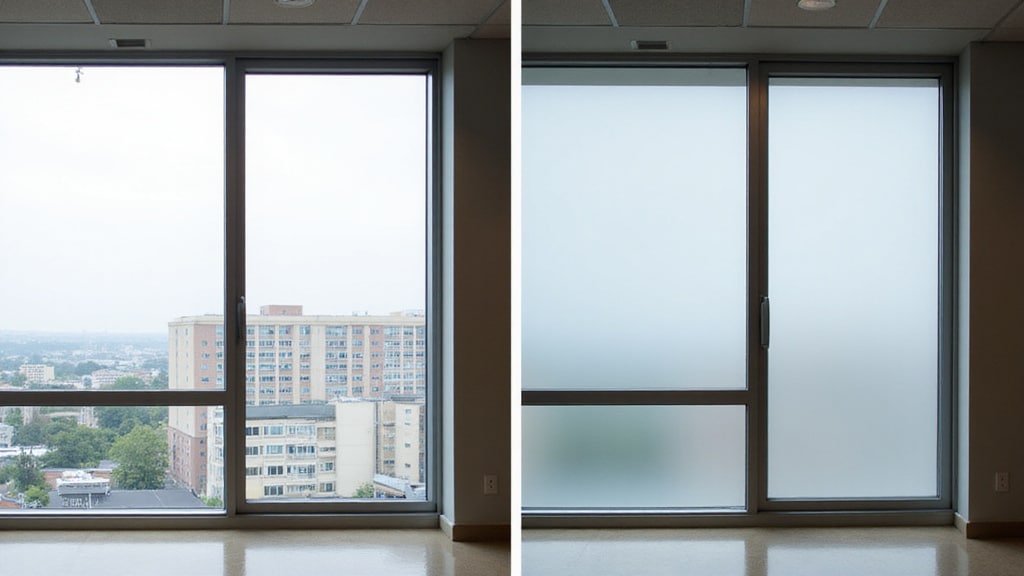
To install aluminum storm panels, measure from the opening’s outside edge, ensuring 5 inches of solid board on all sides. Mount the header track flush, space anchor holes at 6-inch intervals, and drill to 1.25-inch embedment. Hang labeled panels, thread wing nuts evenly, and caulk the perimeter. Wear protective gear and keep stable footing. Off-season, clean, dry, and store panels flat on blocks. Keep going to master every critical detail.
How to Measure and Mark Your Storm Panel Openings
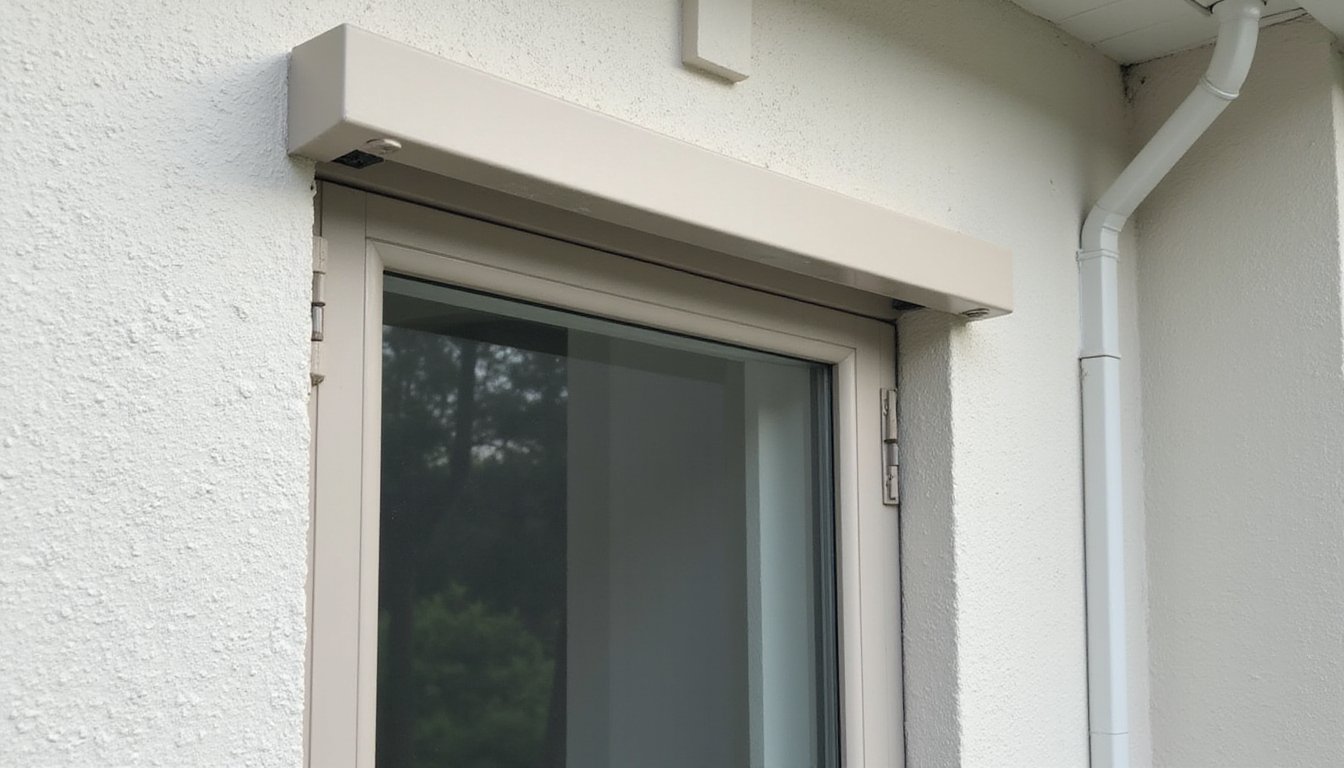
Before you order or cut a single panel, you’ll need accurate measurements of each opening, and that starts with measuring the opening itself, not the glass. For accordion and storm panels, measure from the outside of the opening, or to the outside of any surrounding border. Be sure there is at least 5 inches of flat solid board on all sides to allow for proper installation. For inset windows, measure from the inner walls of the reveal. Record width first, then height, measuring height at the left, center, and right. On uneven framing, the smallest dimension controls. For doors, measure between inside edges and past any sill. Mark each opening’s horizontal and vertical center with a level to align your header track during storm panel installation. Finally, sketch your home, number openings starting at the front door, and label every set to prevent mix-ups.
Set Up Tracks and Anchors That Hold
With your openings measured, marked, and labeled, you’re ready to mount the hardware that actually holds your panels against storm-force wind. Start by inspecting the mounting surface so you catch damaged framing or masonry first. Because storm panels require pre-installed anchors, getting this hardware right is critical before the panels themselves go up. Position the header track so its bottom sits flush with the top of the opening, then lay out holes at roughly 6-inch intervals, keeping end holes within about 1.5 inches of the track edge.
Set your header track flush with the opening’s top, then space anchor holes evenly for a rattle-free, storm-ready hold.
- Match the anchor to your substrate, use wedge anchors, sleeve anchors, or concrete screws in masonry.
- Drill with a hammer drill and properly sized masonry bit, respecting the 1.25-inch embedment depth.
- Tighten fully into structural material so panels won’t rattle or lift.
After storm panel storage, retest each connection before the season starts.
Install Your Storm Panels Step by Step
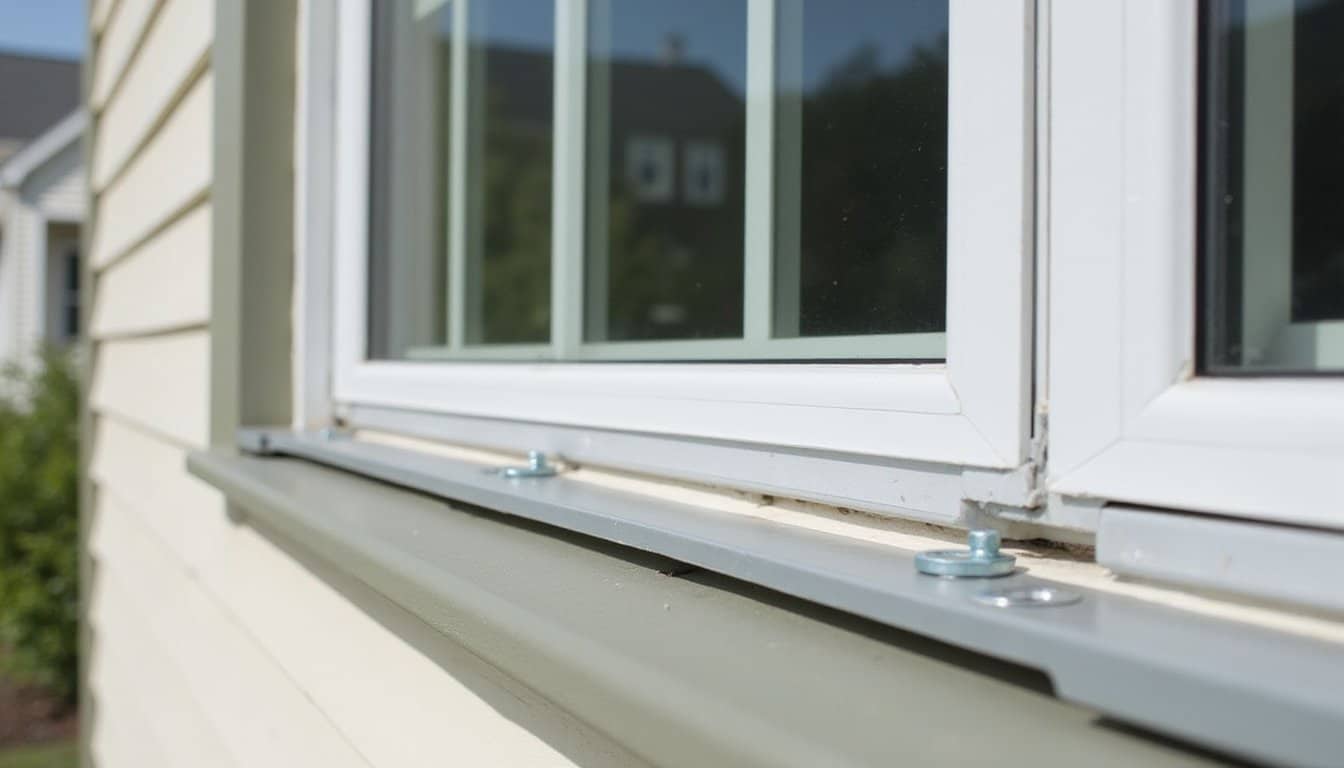
Your tracks and anchors are set, so now you’ll hang the panels that turn that hardware into a sealed barrier. Place each labeled panel over its matching opening, aligning the pre-drilled holes with the installed studs or posts. On multi-panel openings, install the aluminum storm panels in sequence so the full opening gets covered without gaps. Thread wing nuts onto the studs and seat each panel before tightening. Tighten fasteners enough to hold the panel securely without overtightening, and keep tension even across the entire panel. Confirm the required overlap between sections so water and wind can’t enter. Run caulk at the perimeter or between the panel and mounting surface for a watertight seal. Verify the panel sits flat, then correct any visible gaps or misalignment. Be sure to secure with washers and wing nuts while avoiding overtightening the fasteners.
Handle Aluminum Panels Without Getting Hurt
Those labeled aluminum sheets you just hung carry sharp edges and corners that can slice hands and forearms, so handling them safely starts before you ever lift one. Pull on protective gloves, wear clothing that covers your arms and legs, and keep your footing stable for balanced lifting. Treat panel handling as work for an able-bodied adult, and grab a second person for long or awkward sections.
- Move panels with controlled motion, never force placement, since slips, pinches, and dropped sheets cause injuries.
- Skip power tools for fitment; overtightening damages panels and raises handling risk.
- Use a rubber mallet only for slight misalignment, tapping gently to avoid hand shock.
Build these habits into your routine hurricane panel maintenance to prevent repeated, hazardous handling. Tropical curb appeal can enhance the overall look of your property while also adding value.
How Should You Store Storm Panels Off-Season?
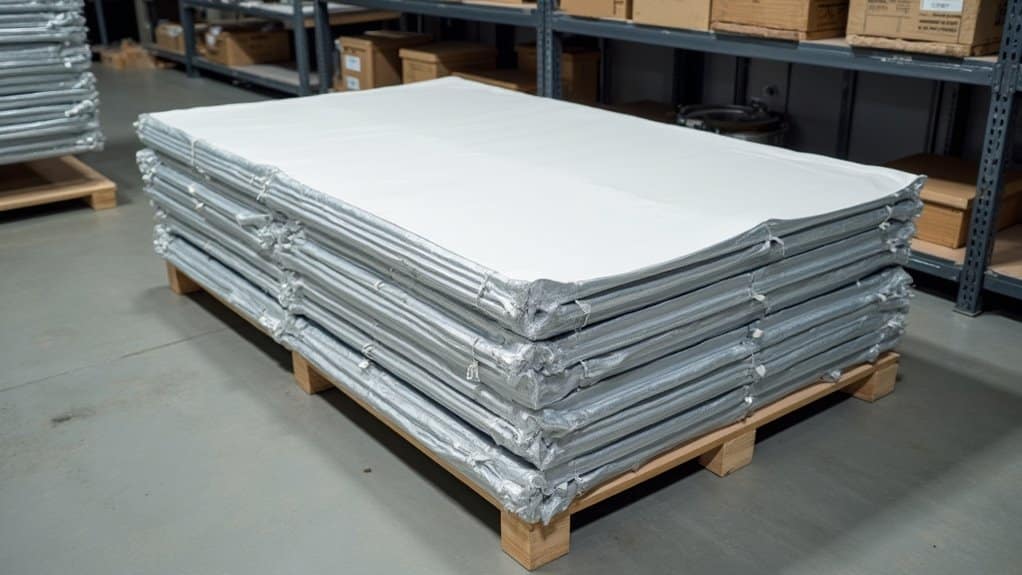
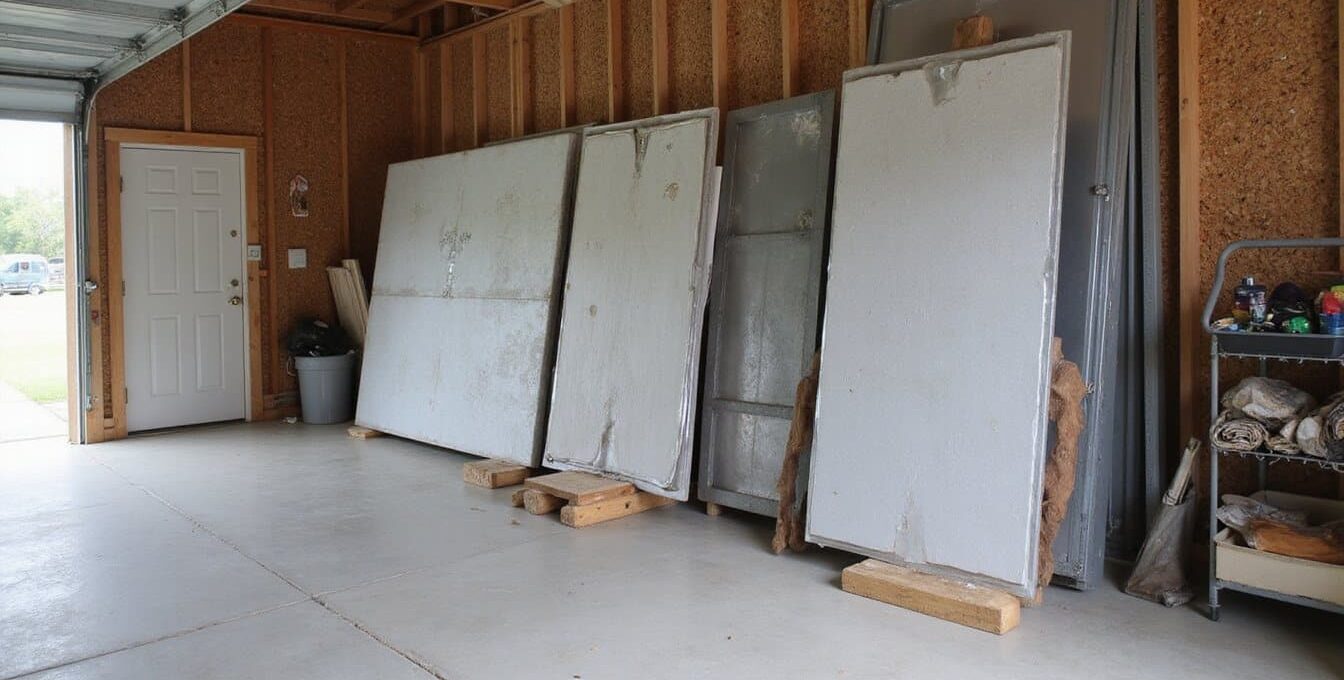
Once those panels come down after the season, where and how you stash them determines whether they’ll still pass their impact rating next June. Clean each panel with mild soap and water, skip harsh chemicals and abrasives, then dry it fully before storage to prevent rust, mold, and corrosion. Store panels flat on a stable surface or a purpose-built rack, never leaning vertically, which creates a tipping hazard. Keep them in a dry, covered, ventilated space; if you store outdoors, cover them with tarp or plastic. Elevate metal panels on blocks to avoid damp contact. Stash bolts and wing nuts separately, lubricate fasteners, and keep panels numbered in installation order. Protecting your storm panel cost this way slashes setup time and confirms readiness when a storm threatens.
Organize Hardware and Labels by Window
Three habits separate a fast deployment from a frustrating scramble: labeling every panel, grouping its hardware, and recording its measurements. When you organize storm panel shutters by window, you cut setup time and eliminate mix-ups before hurricane season. Cost comparison of hurricane shutters can help you choose the most efficient option for your home. Understanding the price differences not only aids in budgeting but also ensures you find the best quality for your needs.
- Label each panel. Mark it immediately after cutting with a clear identifier, room name, window number, or side of house. Keep labels consistent and store custom dimensions with the panel set.
- Group hardware by opening. Seal washers, wing nuts, bolts, and anchors in a zip-top bag marked with the matching panel number. Don’t mix fasteners, since track locations and counts vary.
- Record measurements. Keep each opening’s width, height, and sill details, plus a sketch, with the label for quick identification and replacement ordering.
Inspect Storm Panels Before Each Season
Inspect your aluminum storm panels at least once per year, before hurricane season begins. Schedule the main check in spring or early summer so you can complete repairs before storms arrive. Add a second inspection after any major storm, even if you never installed the panels, and reinspect after renovations or exterior work that may have changed fit. In coastal areas, check more often since salt accelerates corrosion.
Look for bends, dents, warping, or cracks. Place each panel on a flat surface to confirm it lies flush without rocking or twisting. Inspect edges and holes for stress damage that can spread under wind load, and check for uneven panels that create gaps. Verify your hurricane storm panels stay structurally sound and aren’t weakened by impact or corrosion.
Conclusion: Getting the Most From Aluminum Storm Panels
Aluminum storm panels are a proven, affordable way to protect windows and doors from hurricanes, offering strong impact resistance at a lower cost than many alternatives. They do require handling and storage between storms, so keeping them organized, labeled, and clean makes deployment quick when a storm approaches. Proper installation and care keep them reliable for years. For budget-conscious Florida homeowners, aluminum panels remain a dependable storm-protection choice.
Find the Right Storm Protection for Your Home
Choosing the right hurricane shutters means balancing cost, looks, and storm performance, and the right team makes the choice easier. At Innovative Storm Defense serving Jupiter, FL, our experienced team provides trusted Storm Window & Shutter Solutions with expert installation and premium materials. Call (561) 517-9399 today and book your free consultation.
Frequently Asked Questions
How Much Do Aluminum Storm Panels Cost in Florida?
Aluminum storm panels are among the more affordable storm-protection options, typically priced per square foot of coverage, so the total depends on how many openings you protect. They cost less than impact windows or motorized shutters. A quote based on your specific openings gives the clearest figure, and protecting more openings raises the total.
Do Aluminum Storm Panels Require a Permit for Installation?
Often, yes. Installing the permanent mounting hardware usually requires a permit in Florida, since it must meet wind-load and code requirements. Requirements vary by jurisdiction. It is best to check with your local building department, and a licensed installer can handle the permitting and ensure the anchors are rated correctly.
How Long Do Aluminum Storm Panels Typically Last?
Aluminum panels are durable and can last many years, often a decade or more, since aluminum resists corrosion well. The mounting hardware and fasteners should be checked periodically. Storing panels properly between storms and rinsing off salt in coastal areas helps them last, making them a long-term investment.
Are Aluminum Storm Panels Better Than Hurricane Shutters or Impact Windows?
Each has trade-offs. Aluminum panels cost the least but must be put up and taken down for each storm and stored in between. Accordion and roll-down shutters are more convenient, and impact windows offer always-on protection plus energy and noise benefits, at a higher cost. The best choice depends on budget, convenience, and how you use the home.
Can I Install Aluminum Storm Panels Myself, or Hire a Professional?
Once the mounting hardware is in place, homeowners can usually put up and take down the panels themselves before and after a storm. Installing that hardware correctly, though, requires proper anchoring to meet code, which is best done by a professional. A pro ensures the tracks and bolts are rated to hold in high winds.