
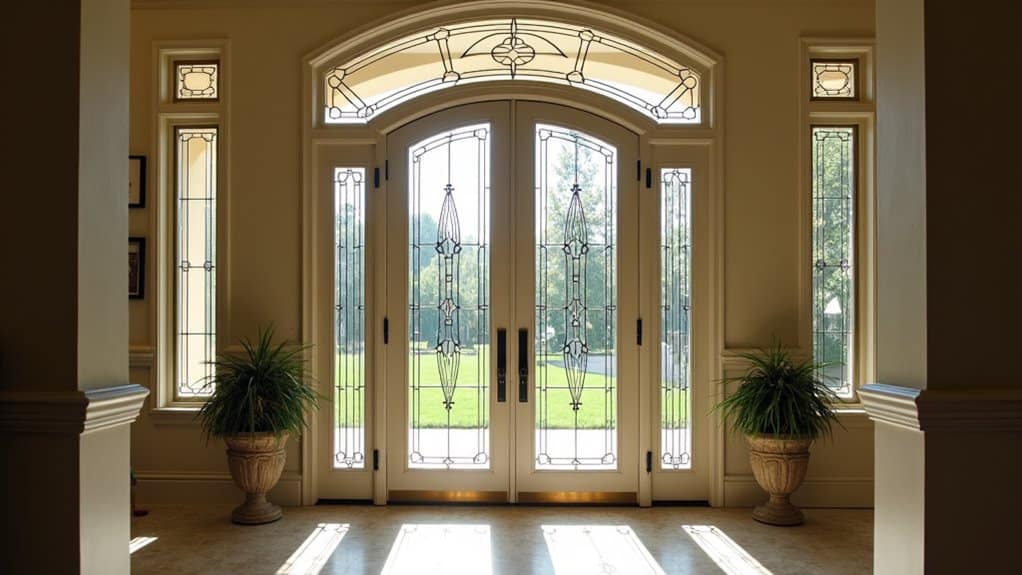
Strategic window placement transforms your home by maximizing natural light, enhancing well-being, and creating seamless indoor-outdoor connections. You’ll benefit from improved mood and productivity through regulated circadian rhythms, while thoughtfully positioned windows capture stunning views while maintaining privacy. South-facing windows provide passive solar heating, while east and west-facing options offer balanced illumination throughout the day. Energy-efficient designs reduce utility costs, and proper placement guarantees your space feels more expansive. Understanding window optimization unlocks even greater potential for your living spaces.
The Essential Role of Natural Light in Modern Living Spaces
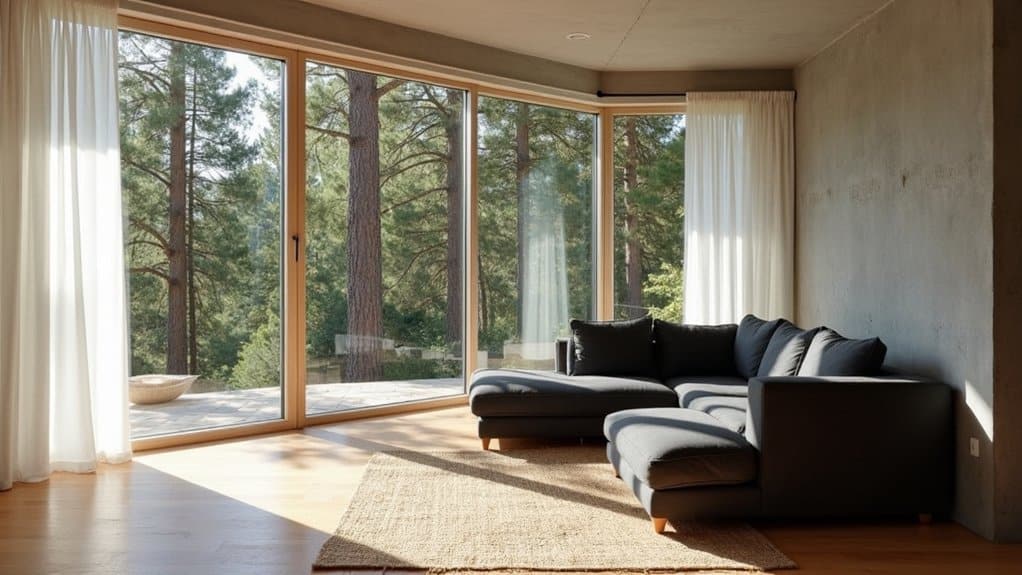
While artificial lighting has long been a staple of interior design, natural light has emerged as a cornerstone of modern living spaces due to its profound impact on human well-being and home design functionality.
Strategic window placement in your home’s design maximizes the benefits of natural light, enhancing both energy efficiency and your daily living experience. You’ll notice improved mood and productivity as sunlight regulates your circadian rhythms and stimulates essential hormone production. In living spaces, ample natural light creates an illusion of expansiveness while establishing a seamless connection with nature through carefully framed outdoor views.
Modern window solutions, including low-E glass and thoughtful treatments, help you balance light intake with thermal performance. This approach not only reduces your reliance on artificial lighting but also contributes to a more sustainable and comfortable home environment.
Strategic Window Placement for Maximum Impact
Strategic window placement can transform your home’s comfort level by positioning windows to capture ideal sunlight throughout different times of day. You’ll need to carefully consider the balance between natural light and privacy, factoring in neighboring structures and landscaping that might affect your views and exposure. Your window locations should align with the local climate and sun patterns to maximize energy efficiency, potentially reducing heating costs in winter and cooling needs in summer.
Optimal Sunlight Throughout Day
Understanding your home’s solar orientation enables ideal window placement for consistent natural light throughout the day. You’ll maximize daylight exposure by installing south-facing windows, which capture sunlight from sunrise to sunset. For balanced illumination, incorporate east-facing windows to welcome morning light and west-facing windows to harness evening rays.
Position clerestory windows near the roofline to draw in warm, diffused light that brightens interior spaces without creating glare. To enhance comfort and energy efficiency, install window overhangs that regulate light intensity and support passive solar heating. You’ll also benefit from strategic cross-ventilation by placing windows on opposite walls, reducing your reliance on artificial cooling. This thoughtful approach to window positioning creates a naturally lit, well-ventilated living space that adapts to daily solar patterns.
Balancing Privacy With Views
Achieving the perfect balance between privacy and panoramic views requires careful consideration of your home’s window placement. Strategic positioning of larger picture windows on your home’s front and rear elevations, while minimizing side windows, creates an open atmosphere without compromising seclusion.
When planning window placement, you’ll need to evaluate site-specific elements like existing vegetation, building orientation, and neighboring properties’ sight lines. You can maximize natural light and views in private spaces by incorporating thoughtful window sizes and furniture arrangements. Even bathroom spaces can feature dramatic windows when properly positioned.
Your home design should prioritize windows that frame the best outdoor vistas while maintaining privacy through strategic placement. This approach guarantees you’ll create a light-filled living environment that seamlessly connects interior spaces with nature while preserving your desired level of seclusion.
Energy-Efficient Window Locations
Maximizing your home’s energy efficiency starts with precise window placement that harnesses natural heat and light. Strategic window placements can dramatically reduce your energy consumption while creating comfortable living spaces throughout the year.
- Install south-facing windows to optimize passive solar heating during winter months, and position clerestory windows near the roofline for diffused natural light distribution
- Place operable windows on opposite walls to facilitate cross-ventilation, reducing your dependence on mechanical cooling systems and improving indoor air quality
- Select energy-efficient window materials like double or triple-pane glass with low-E coatings, while carefully considering east and west-facing window sizes to prevent overheating
Connecting Indoor Spaces With Outdoor Beauty
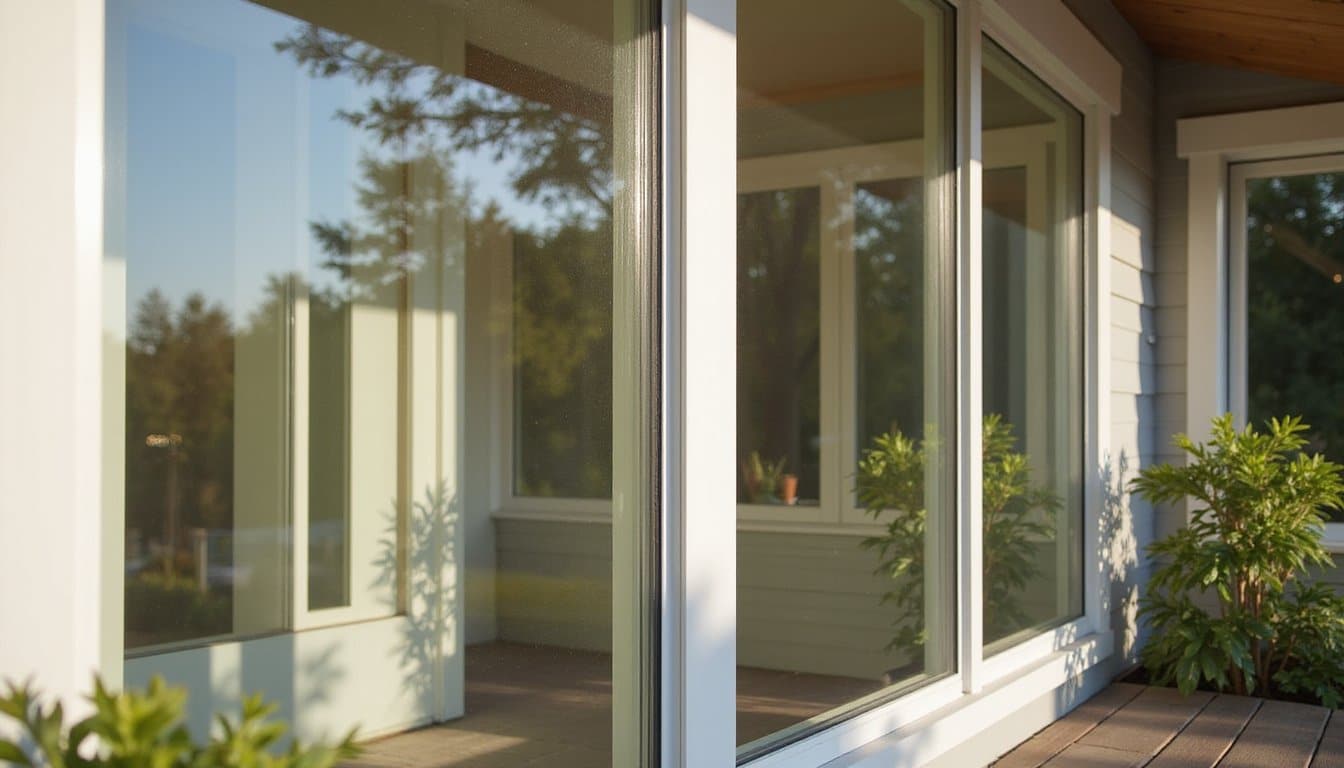
Natural windows bring the outside world into your living spaces, creating a powerful connection between interior comfort and exterior splendor. Through strategic window design, you’ll maximize natural light while framing spectacular views of mountains, forests, or lakes that surround your home.
Bay windows transform ordinary spaces into alluring focal points, offering panoramic vistas and cozy nooks where you can feel immersed in the outdoor scenery. When you position windows to capture specific landscape features, your home’s interior spaces feel more expansive and connected to nature. To enhance this effect, select minimal window treatments that don’t obstruct the views, allowing natural light to flood your rooms. This thoughtful approach to window placement and design doesn’t just illuminate your home it creates a seamless integration between indoor comfort and the natural beauty beyond your walls.
Energy Efficiency Through Smart Window Design
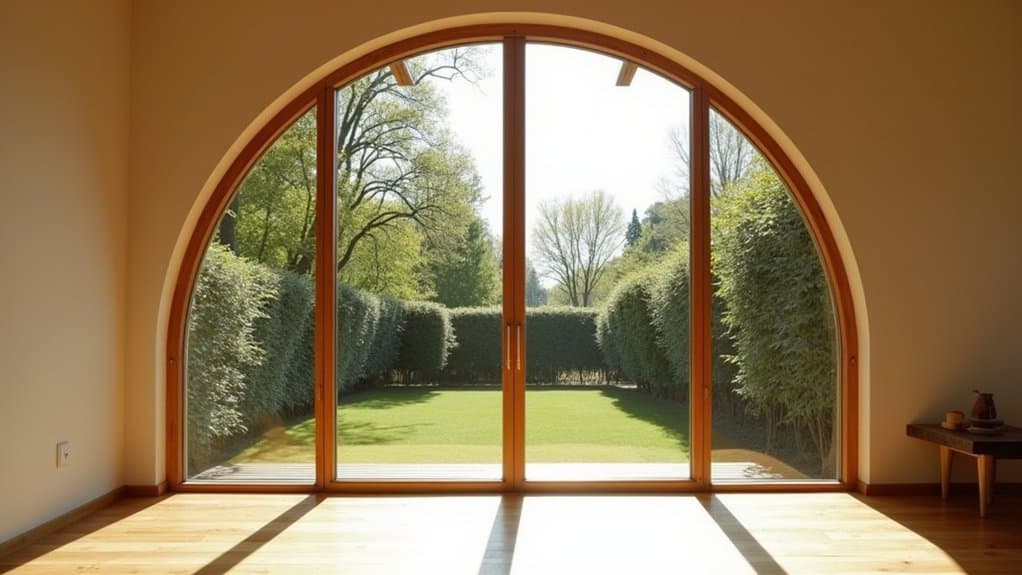
Smart window design goes beyond aesthetic appeal to deliver significant energy advantages for your home. When you strategically integrate windows into your home design, you’ll maximize natural light while optimizing energy efficiency through passive solar principles.
- Position your windows to capture ideal sunlight exposure, considering seasonal variations in the sun’s path to reduce heating costs in winter and cooling needs in summer
- Install high-performance windows with low-E coatings that minimize heat transfer, ensuring your home maintains consistent temperatures year-round
- Implement proper window orientation combined with automated shading systems to create a dynamic response to changing weather conditions
Choosing the Right Window Styles and Treatments
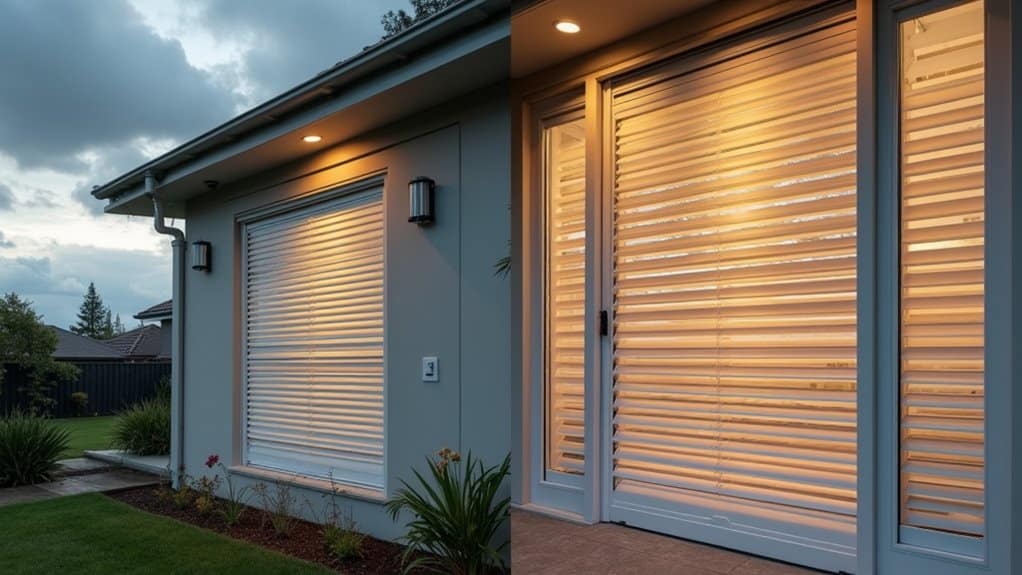
Selecting window treatments requires you to balance your room’s lighting needs with design aesthetics while considering factors like privacy and energy efficiency. You’ll want to match your window coverings to your home’s architectural style, choosing options like cellular shades for modern spaces or classic drapes for traditional rooms. By strategically layering treatments, you can create adjustable light control zones that adapt to different times of day while maintaining your desired aesthetic impact.
Window Treatment Design Tips
Window treatments serve as both functional elements and design focal points in your home’s natural lighting strategy. When selecting treatments, you’ll want to examine how they’ll interact with your space’s natural light while complementing your existing design elements. Light curtains can create a transformative impact by filtering sunlight and making rooms feel more expansive and airy.
- Layer your window treatments strategically – combine sheer panels with blackout curtains to maximize light control and design inspiration
- Choose fabrics and colors that enhance natural light during peak hours while maintaining privacy when needed
- Install treatments at the proper height (typically 4-6 inches above window frame) to create visual interest and make windows appear larger
Your window treatment choices should balance aesthetics with functionality, creating a cohesive look that enhances your home’s overall design scheme.
Light Control Benefits Maximized
Maximizing your home’s light control starts with understanding how different window styles and treatments work together to create ideal living conditions. When you combine double or triple-pane glazing with strategic window installations, you’ll effectively manage energy costs while optimizing natural light throughout your space.
Your windows enhance natural light most efficiently when they’re properly sealed and positioned, preventing unwanted heat loss in winter and overheating in the summer. You’ll notice significant reductions in energy bills by incorporating light curtains in common areas that welcome sunlight into your home, while using heavier treatments in bedrooms for privacy. This balanced approach allows you to maintain comfortable temperatures and create distinct atmospheres in different rooms, all while maximizing the thermal performance of your window system.
Architectural Considerations for Window Integration
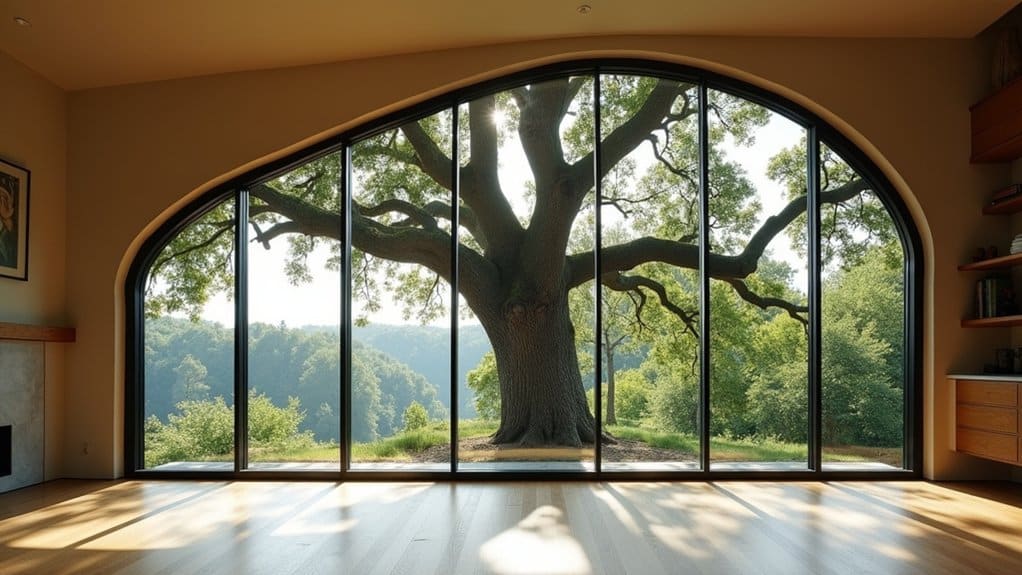
Proper architectural integration of windows demands a sophisticated balance of form, function, and spatial dynamics. When you’re planning your window design, strategic window placement becomes essential for maximizing natural light while maintaining energy efficiency. South-facing windows offer ideal daylight exposure, while clerestory windows near the roofline create depth and warmth throughout your space.
Strategic window placement transforms living spaces, merging architectural beauty with practical functionality through thoughtful integration of natural light and design elements.
Key architectural considerations include:
- Position large picture windows to frame exterior views and create seamless indoor-outdoor changes
- Install appropriate window styles like casement or awning designs to enhance ventilation flow
- Incorporate varied window heights and sizes to establish visual rhythm and functional hierarchy
Enhancing Property Value With Quality Windows
When considering home improvements that offer substantial returns on investment, installing quality windows stands among the most impactful upgrades you can make. Strategic window placement that maximizes natural light can boost your property’s value by 10-15% while enhancing overall energy efficiency.
Large windows, especially those offering panoramic views, can increase your home’s market value by up to 8%. You’ll find that upgrading to modern, double-paned options delivers a 70-80% cost recovery during resale. The benefits of natural light extend beyond aesthetics – the right window choices create a premium feature that buyers actively seek. By ensuring proper exposure to natural illumination and incorporating customized windows that complement your home’s architecture, you’re not just improving comfort; you’re making a smart investment that considerably impacts your property’s marketability and final selling price.
Creating Mood and Atmosphere With Natural Light Flow
Natural light streaming through well-positioned windows transforms your home’s entire ambiance, serving as a powerful design element that shapes both mood and atmosphere. Strategic window placement can enhance your living spaces while reducing reliance on artificial lighting, making your home more energy-efficient and sustainable.
Key ways natural light flow affects your home’s atmosphere:
- You’ll notice improved productivity and well-being as daylight penetrates your rooms, creating an energizing environment that keeps you connected to the outdoor world
- Your spaces will feel larger and more open when you incorporate large windows or sliding glass doors that allow light to reach deep into interior areas
- You’ll experience dynamic living spaces as shifting sunlight patterns throughout the day make each room come alive with changing shadows and warm, natural illumination
Frequently Asked Questions
Why Is Natural Light Important in Interior Design?
Natural light is essential for your interior spaces, as it’s scientifically proven to improve your mood and regulate circadian rhythms. You’ll notice reduced energy costs when you maximize daylight, while creating an inviting atmosphere throughout your home. It enhances aesthetics by highlighting architectural features and making spaces appear larger. You’ll experience increased productivity and overall wellness, as natural light helps maintain your body’s biological functions and promotes vitamin D synthesis.
Why Are Windows Important in Interior Design?
Windows serve as pivotal design elements that help you balance natural light throughout your space while creating dynamic focal points in each room. You’ll find they enhance spatial perception, making areas feel larger and more open. They frame outdoor views to connect you with nature and generate visual interest through their architectural integration. Beyond aesthetics, they provide essential ventilation options that improve indoor air quality and comfort in your home.
Why Is It Important to Design and Place Windows Properly in a Structure?
You’ll need to carefully plan your window design and placement as it directly impacts your home’s functionality. When you position windows strategically, you’ll achieve efficient thermal regulation and ideal lighting placement throughout spaces. Consider privacy considerations while maximizing ventilation enhancement. Your window choices should maintain architectural harmony with the structure’s design, while preserving outdoor views. Select customized window styles that balance these essential factors for the best results.
How Can I Improve My Home Windows?
You’ll maximize your home’s windows by focusing on strategic window positioning and proper window placement orientation to capture ideal sunlight. Consider upgrading to energy-efficient models and selecting window sizes that complement your room dimensions. Enhance your windows’ appearance through window trim enhancement and regular window maintenance practices. Choose window style preferences that match your home’s architecture while improving functionality. Don’t forget to clean and inspect weatherstripping regularly for peak performance.