
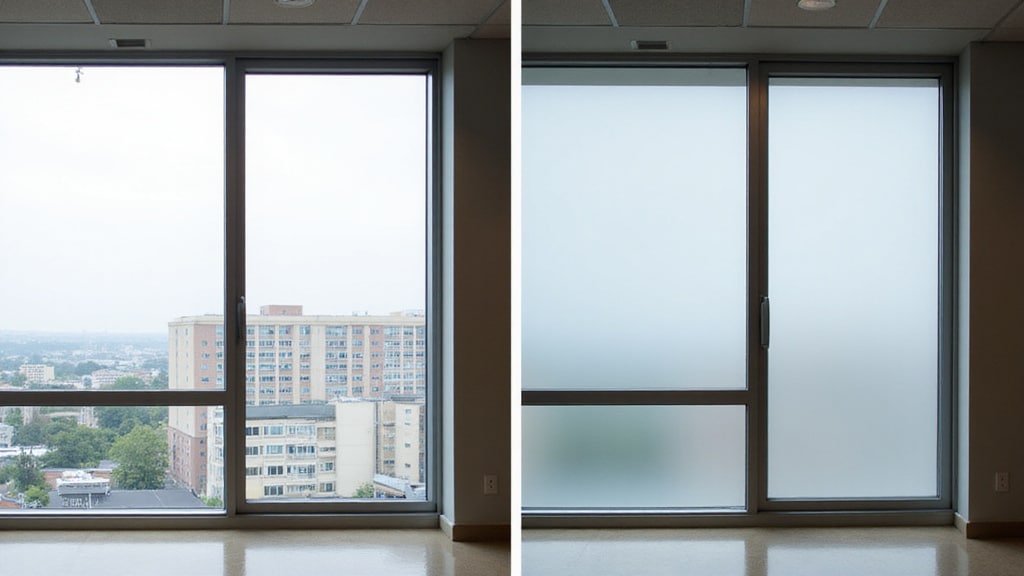
Storm door ventilation matters because it clears stale indoor air, prevents moisture buildup that causes mold, and reduces dust and pollen circulating through your home. You’ll keep bugs and debris out while fresh air flows through the screen. It also cuts your energy loss by up to 50%, thanks to the still-air pocket between doors, easing your heating and cooling load. Keep going to see exactly how it works and which type fits you.
Key Takeaways
- Storm door ventilation clears out stale indoor air while blocking bugs, debris, and pollen from entering your home.
- The still-air pocket between doors cuts energy loss by up to 50%, lowering heating and cooling costs.
- Controlled airflow prevents moisture buildup that leads to mold and mildew growth.
- Screens allow fresh air and outdoor visibility during mild weather without letting insects inside.
- Storm doors shield your main door from wind, rain, snow, and UV damage, extending its lifespan.
Why Storm Door Ventilation Matters
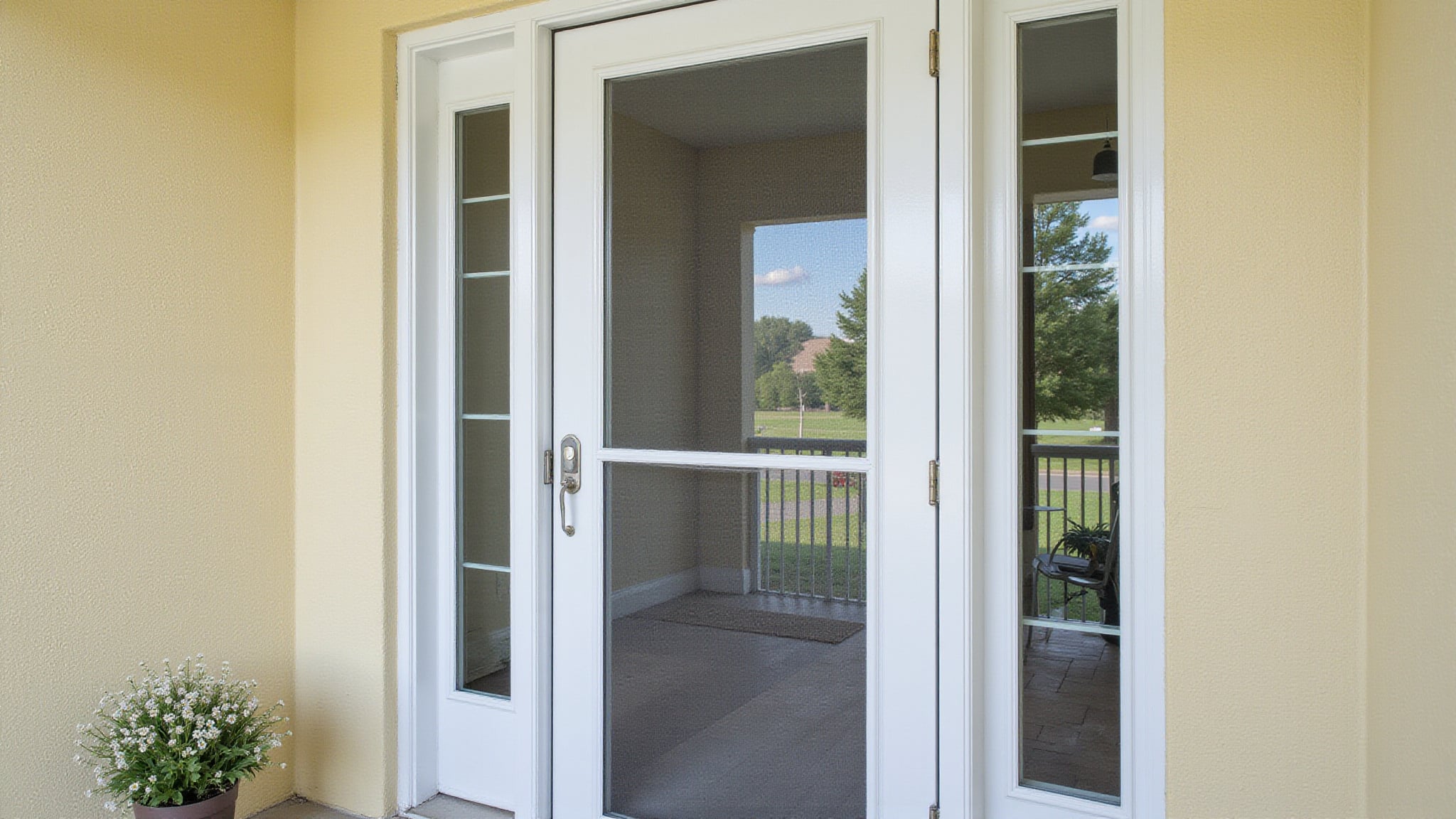
Storm door ventilation matters because it creates a controlled airflow path that clears out stale indoor air without letting bugs inside. Keeping your main door open with the storm door closed eliminates household odors and prevents moisture buildup that leads to mold and mildew growth. You’ll also reduce the concentration of dust and pollen circulating through your home.
Ventilated storm doors give you seasonal control through retractable or full summer screens, so you can adjust airflow as weather changes. Among the many storm door benefits, this ventilation keeps your interior fresh while maintaining a clear view outside.
How does storm door ventilation work
Storm door ventilation works by pairing your open main door with a closed storm door, creating a barrier that lets air pass through while blocking bugs and debris. When you open your primary door and keep the storm door shut, fresh air circulates through the screen or retractable panels. This airflow eliminates stale indoor air, reduces household odors, and prevents moisture buildup that leads to mold and mildew.
Most storm doors feature interchangeable glass and screen panels. You swap or retract these panels seasonally, controlling how much air enters. During mild weather, the screen enables ventilation without insect intrusion while maintaining your outside view.
The result is improved air quality, reduced dust and pollen concentration indoors, and safe circulation that keeps your home comfortable year-round.
What are the benefits of a ventilating storm door
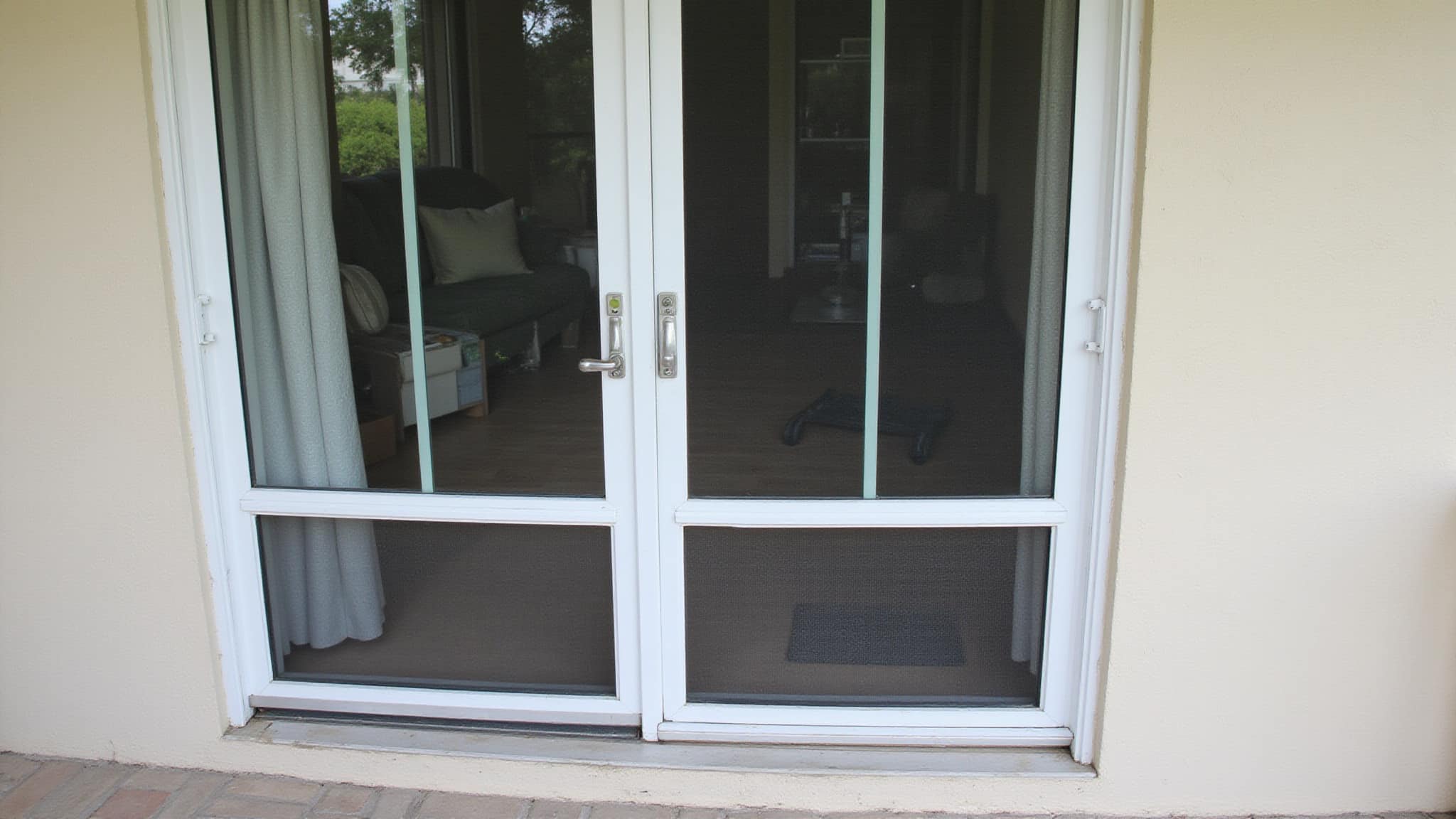
A ventilating storm door circulates fresh air while delivering a range of benefits that work together year-round. You’ll cut energy loss by up to 50%, since the still-air pocket between doors insulates against winter heat loss and summer heat gain. That eases the load on your heating and cooling systems and lowers utility costs. You’ll also prevent moisture buildup that causes mold and mildew, and retractable screens keep bugs out during ventilation. Your primary door stays protected from wind, rain, snow, and UV damage, extending its lifespan. Locked storm doors add a safety layer without blocking visibility. You’ll reduce outside noise, block drafts, and usher in natural light, all while maintaining airflow that eliminates stale air and household odors.
What types of ventilating storm doors are available
Four main types of ventilating storm doors are available: retractable screen doors, full summer screen doors, interchangeable panel doors, and ventilating glass doors. Each one handles ventilation differently, so match the design to your climate and usage.
| Door Type | Ventilation Feature |
|---|---|
| Retractable Screen | Screen rolls up or down on demand |
| Full Summer Screen | Fixed screen for maximum seasonal airflow |
| Interchangeable Panel | Swap glass and screen panels by season |
| Ventilating Glass | Sliding glass sections open for partial airflow |
Retractable models give you flexible control without storing loose screens. Interchangeable panels demand more effort but adapt year-round. If you want simple summer airflow, choose a full screen. For balanced light and ventilation, pick a ventilating glass design.
How do you use storm door ventilation effectively
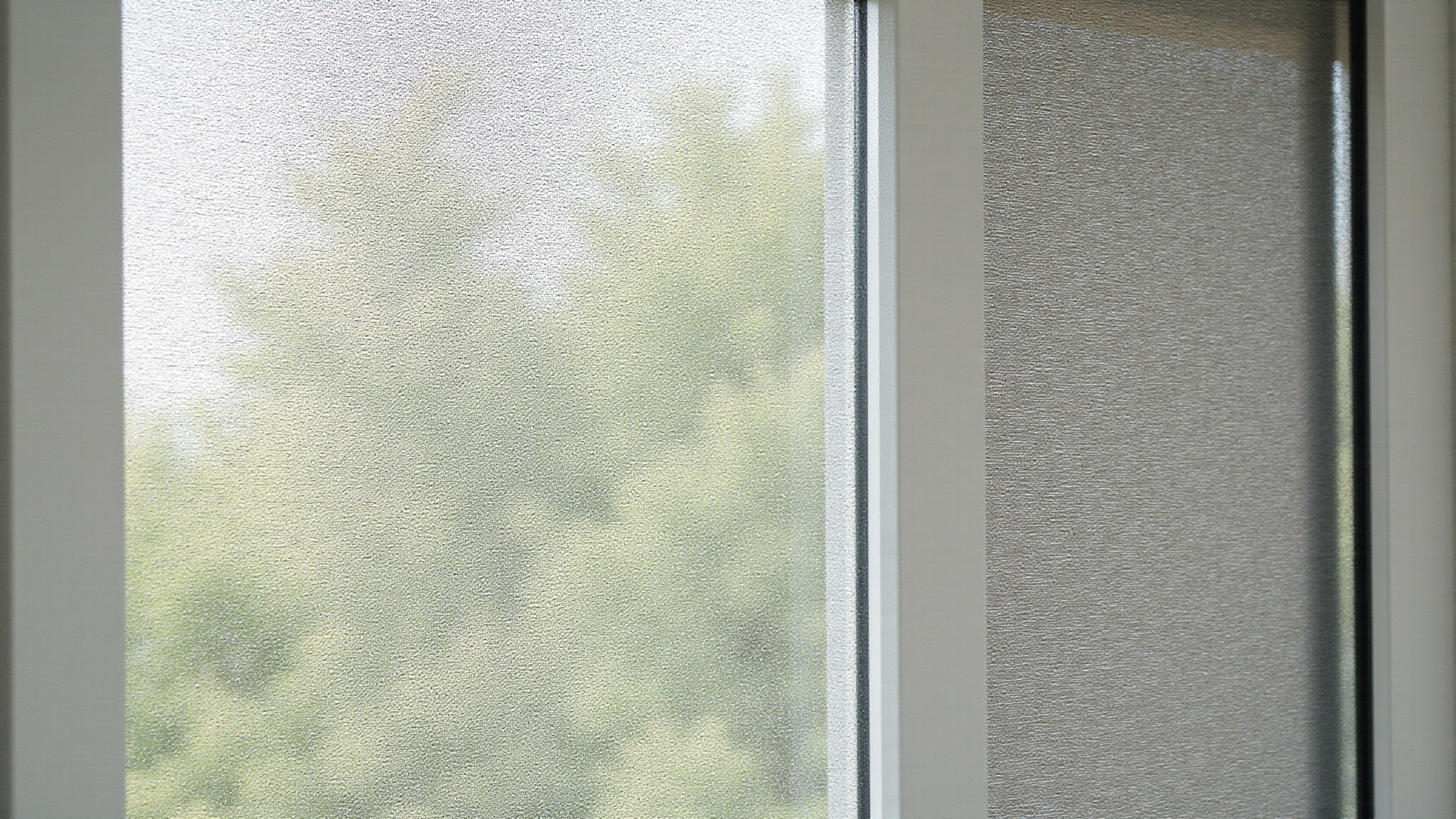
Keep your main door open while the storm door stays closed, letting fresh air circulate through the screen without inviting bugs or debris inside. Time your ventilation around weather conditions, opening up during mild, dry days and closing the glass panel when temperatures drop or storms approach. Use retractable or full summer screens to control airflow seasonally, adjusting the volume of fresh air entering your home. This circulation eliminates stale air, reduces odors, and prevents moisture buildup that triggers mold and mildew. It also lowers dust and pollen concentrations indoors. For balanced airflow, position the storm door’s ventilation openings to create cross-breezes with other windows. When bad weather strikes, switch to the glass panel to protect your home and maintain consistent temperatures.
How do you choose a storm door for ventilation
Choose a storm door for ventilation by prioritizing the screen configuration first. You’ll want a design that maximizes airflow while blocking bugs and debris. Match the door’s features to your seasonal needs and climate conditions for best performance.
Consider these factors before you buy:
- Screen type: Choose retractable screens for flexibility or full summer screens for maximum ventilation throughout warmer months.
- Glass and screen swap: Look for interchangeable panels so you can adjust airflow as seasons change.
- Frame material: Select lightweight, durable frames that seal tightly and resist warping over time.
- Lock mechanisms: Pick secure latches that let you ventilate safely while keeping intruders out.
Evaluate each option against your ventilation goals to make the smartest, longest-lasting investment.
Conclusion: Getting the Most From Storm Door Ventilation
A storm door adds ventilation, natural light, and an extra layer of protection to an entryway, letting fresh air in through a screen while shielding the main door from weather. Choosing the right style for the climate and keeping the screens and seals maintained keeps it working well. For many homes, a storm door is a simple upgrade that improves comfort, airflow, and energy efficiency at the front door.
Protect Your Entry With a Quality Storm Door
A well-designed storm door adds insulation, ventilation, and lasting protection to every entry in your home. At Innovative Storm Defense serving Palm Beach, FL, our experienced team provides trusted Storm Doors with premium materials and expert craftsmanship. Call (561) 517-9399 today and protect your home for years to come.
Frequently Asked Questions
How Much Does a Storm Door Typically Cost to Install?
Costs vary with the door style, materials, glass and screen options, and installation. Basic models are affordable, while full-view, low-E, or retractable-screen doors cost more. Installation adds to the total. A quote for your specific entry gives the clearest number, and better-quality doors often pay off in durability and efficiency.
Can I Install a Storm Door Myself or Need a Professional?
A confident DIYer can install some storm doors, but a square, weathertight fit is key to smooth operation and a good seal. Professional installation ensures proper alignment, sealing, and hardware setup, and it usually protects the warranty. For the best fit and finish, especially on an exposed entry, professional installation is the safer route.
How Often Should Storm Door Screens Be Cleaned or Replaced?
Cleaning the screen a couple of times a year, and more often in dusty or coastal areas, keeps airflow good and the mesh clear. Screens can last many years but may need replacing if torn, stretched, or damaged. Regular cleaning and gentle handling extend their life and keep ventilation working well.
Do Storm Doors Require Special Maintenance During Winter Months?
In cold climates, it helps to switch to the glass panel, check the seals and sweep, and lubricate hinges and the closer so they operate in the cold. In a mild climate like Florida, winter maintenance is minimal. Either way, keeping the seals and hardware in good shape ensures the door performs year-round.
Are Storm Doors Compatible With All Types of Entry Doors?
Storm doors fit most standard entry doors, but the frame size, swing direction, and any trim or overhang affect which models work. Some entries need a specific size or mounting approach. Measuring carefully and matching the door to your opening, or having a professional assess it, ensures a proper fit.