
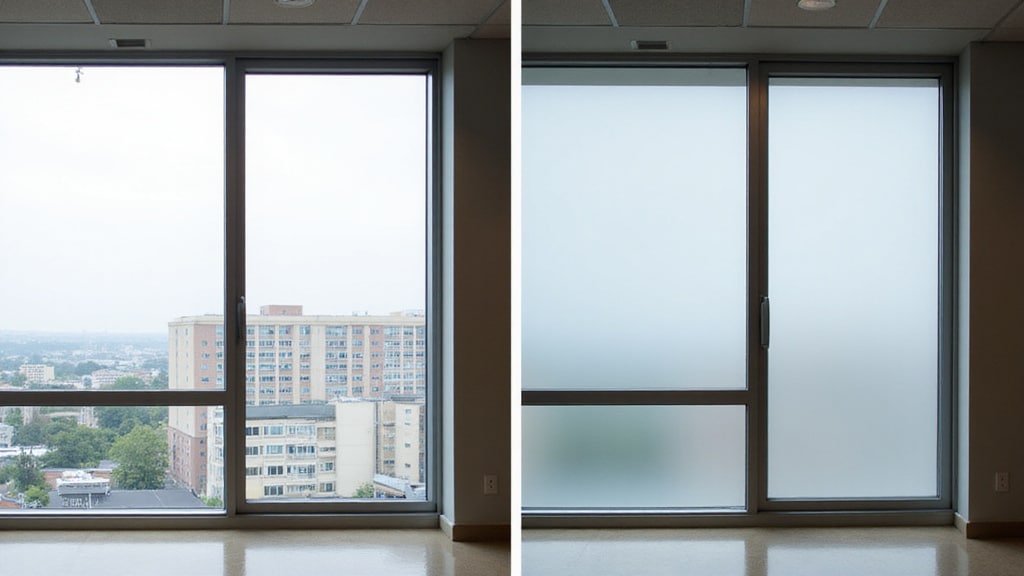
Hurricane winds hit your windows with 40 to 58 PSF during a Category 1 alone, double the 15 to 30 PSF your standard residential glass handles. Positive pressure pushes inward on windward walls while negative pressure pulls glass outward on leeward sides, creating 40 to 80 PSF differentials. A DP 15 window shatters near 77 mph. Once one breaks, internal pressurization cascades through your home. Here’s how that failure sequence unfolds.
Key Takeaways
- Hurricane wind pressures reach 40, 58 PSF during Category 1 events, overwhelming standard residential windows rated for just 15, 30 PSF.
- Pressure quadruples when wind speed doubles, while upper-floor and corner openings experience 40, 60% higher loads.
- Windows fail when loads exceed Design Pressure ratings; a DP 15 shatters near 77 mph, a DP 50 sustains 173 mph.
- Debris impact causes 60, 70% of hurricane window damage, and broken windows breach the envelope, triggering interior pressurization behind 83% of roof failures.
- Impact windows with DP ratings above 40, 50 PSF resist both debris and pressure, meeting Miami-Dade 200 mph testing protocols.
Hurricane Wind Pressure and Window Damage

Hurricane wind pressures on windows reach 40 to 58 PSF during Category 1 events alone, overwhelming standard residential windows rated for just 15 to 30 PSF loads. Since wind pressure quadruples when wind speed doubles, hurricane wind pressure on windows escalates dramatically across categories. You’ll face pressure differentials of 40 to 80 PSF between windward and leeward walls, pulling glass outward from frames. Design Pressure ratings quantify this vulnerability: a DP 15 window shatters near 77 mph, while DP 50 sustains 173 mph. However, 60 to 70% of hurricane window damage stems from debris impact, not pressure alone. Impact windows address both threats, meeting Miami-Dade protocols that simulate 200 mph winds and 9-pound 2×4 strikes at 50 feet per second. You’ll want DP ratings exceeding 40 to 50 PSF for genuine hurricane resistance.
How does wind pressure act on windows during a hurricane
Wind pressure acts on your windows through two opposing forces that develop simultaneously across your home’s exterior. Your windward walls experience positive pressure pushing inward, while leeward walls face negative pressure pulling glass outward from frames. This differential drives storm window damage across your structure:
Two forces attack your windows at once: positive pressure pushing inward, negative pressure pulling outward, both driving glass toward failure.
- Positive pressure: 40, 58 PSF strikes windward windows during Category 1 events, exceeding standard 15, 30 PSF design loads.
- Negative pressure: Leeward suction pulls windows outward, generating 40, 80 PSF differentials.
- Wind speed scaling: Doubling wind speed quadruples wind pressure windows must resist.
- Location amplification: Upper-floor and corner openings endure 40, 60% more load.
At 130 mph, you’re subjecting glass to 34, 47 PSF, well beyond DP 15 to DP 30 thresholds, guaranteeing failure without impact-rated systems.
Why do windows fail under hurricane wind pressure
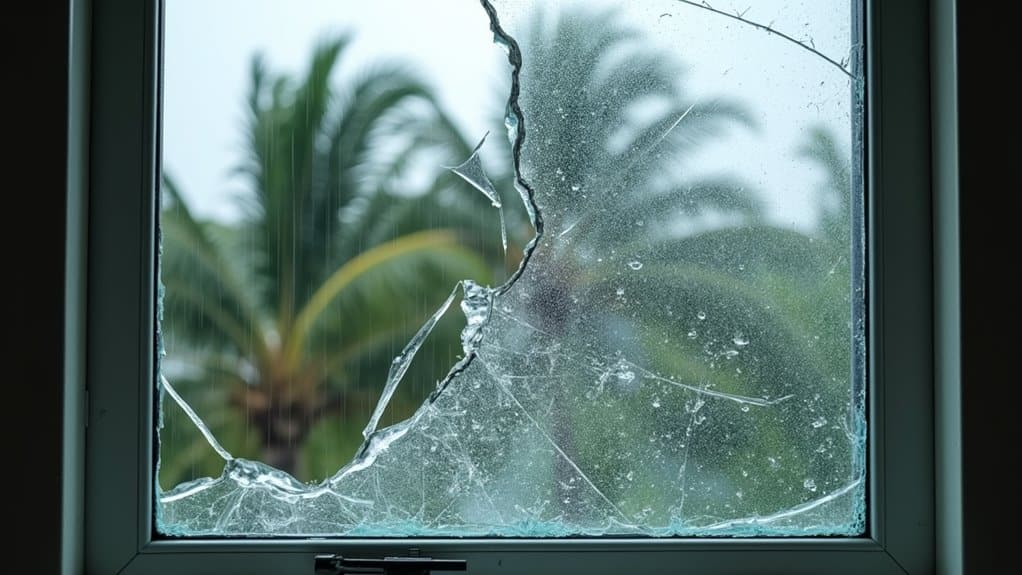
Windows fail when hurricane loads exceed their Design Pressure ratings, which quantify their structural limits. A DP 15 window shatters at roughly 77 mph, while a DP 50 unit sustains winds up to 173 mph before failure. When Category 1 pressures of 40, 58 PSF strike standard residential windows rated for just 15, 30 PSF, you’re overloading them by 20, 40%. Pressure differentials of 40, 80 PSF between windward and leeward walls pull glass outward from frames. Debris compounds this: 60, 70% of failures result from windborne strikes, not pure pressure. Older units that aren’t pressure-rated or poorly installed in their openings fail first. Corner and upper-floor windows endure 40, 60% more load, so they’ll reach their DP ceiling faster than ground-level openings.
How does a broken window worsen hurricane damage
A broken window worsens hurricane damage by breaching the building envelope and triggering a cascade of internal pressurization that standard designs can’t accommodate. Air rushes through the opening and generates internal positive pressure that combines with external negative pressure on leeward and roof surfaces, multiplying uplift loads.
Here’s what happens after the breach:
- Internal pressurization spikes, adding to leeward suction and driving combined loads well beyond design capacity.
- Roof uplift intensifies, contributing to the 83% of roof failures tied to interior pressurization.
- Wind and rain penetrate, degrading structural connections and interior finishes.
- Adjacent openings fail sequentially as pressure differentials cascade through the structure.
You’ve now converted a single failure into a whole-building event that code-compliant sealed envelopes prevent.
What windows resist hurricane wind pressure
Windows that resist hurricane wind pressure carry Design Pressure (DP) ratings matched to your site’s calculated loads. A DP 50 window sustains winds up to 173 mph before failure, while a DP 15 unit shatters near 77 mph. For hurricane conditions, you’ll need ratings exceeding 40 to 50 PSF to counter Category 1 pressures of 40 to 58 PSF. Impact-resistant windows with laminated glass and reinforced frames withstand Category 5 events at 200 mph. These systems meet Miami-Dade County protocols, surviving 9-pound 2×4 strikes at 50 feet per second and 9,000 wind-pressure loading cycles. Specify higher DP values for upper-floor and corner openings, which experience 40 to 60% more pressure. Certified impact-rated systems protect against both windborne debris and pressure differentials without requiring exterior shutters, maintaining your sealed envelope.
How do you protect your windows before a hurricane
Protect your windows by sealing the building envelope and reinforcing openings against both debris impact and pressure differentials. Focus your defenses on high-risk targets: single-pane units, sliding glass doors, and large picture windows facing 40, 58 PSF Category 1 loads.
- Seal every opening: Keep all windows and doors closed to eliminate interior pressurization, which causes 83% of roof failures.
- Reinforce upper-floor and corner windows: These experience 40, 60% more wind pressure than ground-level openings.
- Install impact-rated protection: Certified systems withstand 9-pound 2×4 lumber striking at 50 feet per second.
- Verify DP ratings: Confirm openings meet or exceed 40, 50 PSF thresholds.
Don’t tape windows, it won’t prevent shattering, and never crack them open.
How do you choose windows for hurricane protection
Choose hurricane-rated windows by matching Design Pressure ratings to your local wind loads. A DP 50 window sustains winds up to 173 mph, while DP 15 shatters near 77 mph, so specify ratings exceeding 40, 50 PSF for hurricane confidence. Calculate loads by location: upper-floor and corner openings experience 40, 60% more pressure than ground-level units, and homes near open fields, water, or ridges face intensified forces requiring higher DP values.
Prioritize impact-resistant windows with laminated glass and reinforced frames, since debris causes 60, 70% of failures. Verify certification against Miami-Dade County protocols, which simulate 200 mph winds, 9,000 pressure-loading cycles, and 9-pound 2×4 strikes at 50 feet per second. These impact-rated systems resist both windborne debris and pressure differentials without needing exterior shutters.
Conclusion: Standing Up to Hurricane Wind Pressure
Hurricane winds do not just push on a home, they create pressure differences that can pull windows out and force the structure apart. Impact-resistant windows are built and tested to hold up to that pressure and to flying debris, keeping the building envelope sealed when it matters most. For Florida homeowners, upgrading vulnerable windows is one of the most effective ways to protect a home, and it often brings insurance and energy benefits too.
Call Today and Stop Window Damage Before It Starts
From failed seals to fogging to flying debris, understanding your windows helps you invest in the right protection. At Innovative Storm Defense serving Jupiter, FL, our skilled team delivers dependable Storm Windows built to withstand Florida’s harshest conditions. Call (561) 517-9399 today and book your free consultation.
Frequently Asked Questions
How Much Do Impact-Resistant Windows Cost to Install?
Costs vary widely by window size, frame material, and how many openings you protect, so a whole-home project ranges considerably. Impact windows cost more than standard windows because of the laminated glass and reinforced frames. The clearest way to budget is a quote based on your specific home, and many companies offer financing.
Does Homeowners Insurance Cover Hurricane Window Damage?
Often, yes, though it depends on your policy and deductible. Wind and hurricane damage is typically covered, but many Florida policies have a separate hurricane deductible. Installing impact windows can also earn wind-mitigation discounts on premiums. Check your policy details and ask your insurer about both coverage and possible discounts.
Are Impact Windows Required by Building Codes in Coastal Areas?
In many coastal and high-wind areas, yes. Windborne-debris regions require impact-resistant windows or approved shutters, and Miami-Dade and Broward have especially strict rules. Requirements depend on location and design wind speed, so a local building department can confirm what applies before you replace or install windows.
How Long Do Hurricane-Resistant Windows Typically Last?
Quality impact windows generally last around 20 years or more with proper care, similar to or longer than standard windows. The laminated glass and sturdy frames are built to endure, though the insulated glass seals and hardware wear over time like any window. Good installation and maintenance help them reach their full lifespan.
Can Impact Windows Reduce Energy Bills or Outside Noise?
Yes, on both counts. The same laminated glass and tight seals that resist impact also cut heat transfer and dampen outside noise. Many impact windows include low-E coatings that further reduce cooling costs. Beyond storm protection, they often make a home quieter and more energy-efficient year-round.