
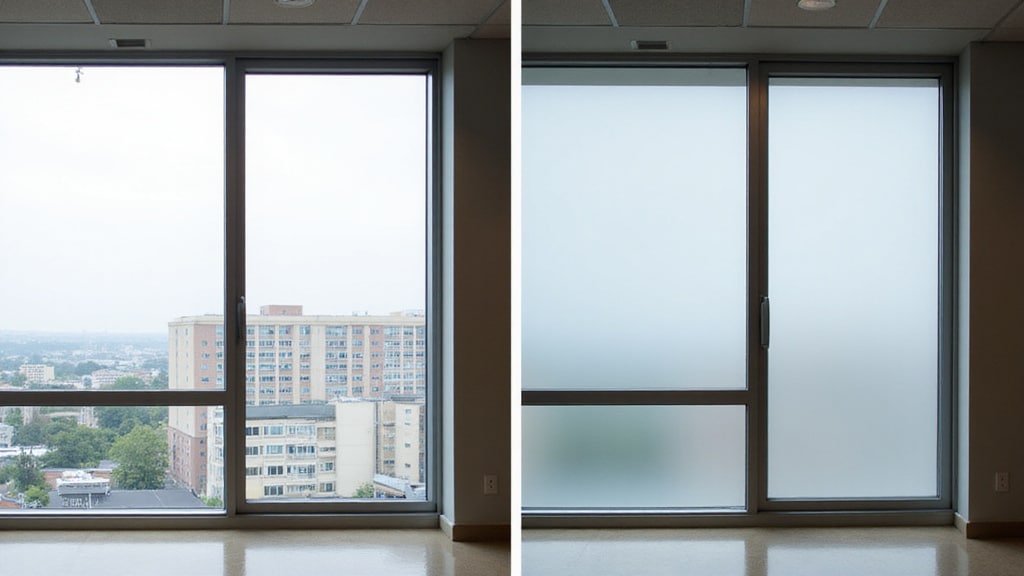
When flying debris meets your non-impact glass, the pane shatters completely. You get zero protection because standard double-pane insulated glazing lacks a binding interlayer. Without that layer holding shards in place, debris penetrates the opening and broken fragments become sharp missiles driven by strain energy. Once your envelope’s breached, wind and pressure threaten structural integrity, risking severe roof damage. Protecting and upgrading your glazing to code-approved standards is easier than you’d think.
Key Takeaways
- Flying debris shatters non-impact glass completely because the panes lack a binding interlayer to hold fragments in place.
- Once the glazing breaks, debris and wind penetrate the opening, leaving the building envelope compromised.
- Shattered glass releases sharp fragments that fly as dangerous missiles, driven by strain energy or breaking force.
- Envelope failure allows pressure equalization, threatening structural integrity and potentially causing severe roof damage.
- Protect openings with code-approved shutters or replace panes with laminated impact-resistant glass featuring a PVB interlayer.
When Flying Debris Meets Non-Impact Glass
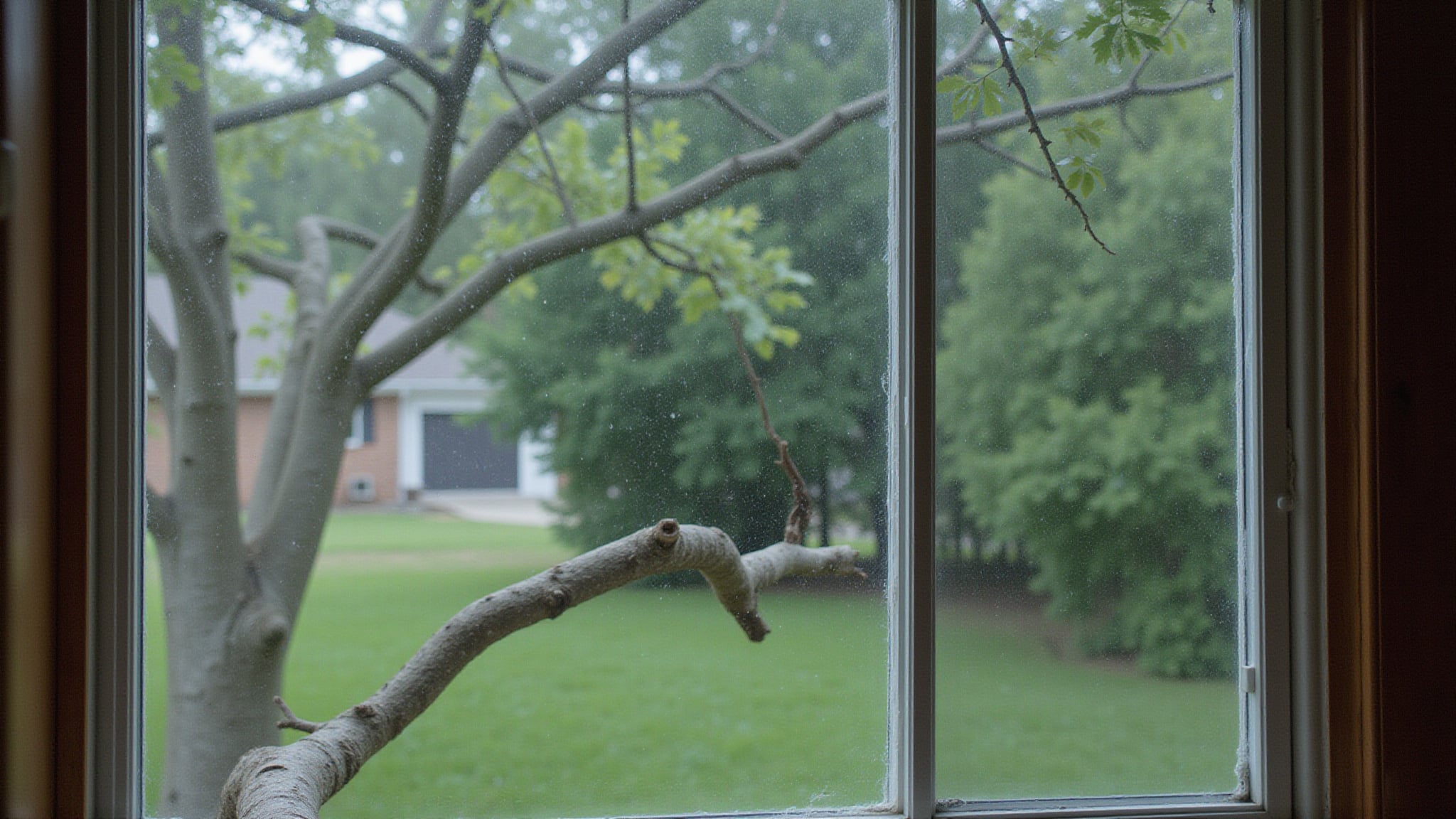
Flying debris that meets non-impact glass shatters it completely, because the glass is simply not designed to withstand that force. Standard double-pane insulated glass offers zero protection against flying debris because the panes lack a binding layer. Installing non-impact glass in wind-borne debris areas means accepting significant window damage risk during severe storms.
Without an interlayer holding shards in place, broken fragments aren’t contained, so debris penetrates the opening. The shattered glass releases sharp missiles, driven by strain energy from tempering or the breaking force itself. These fragments cause cut-type injuries to anyone nearby.
Flying debris windows that lack laminated construction can’t maintain your building envelope. Once the opening’s breached, pressure equalizes inside, threatening structural integrity and putting occupants at serious risk of casualties.
What is non-impact glass
Non-impact glass is standard glazing that isn’t designed to withstand impact from flying debris. The difference between impact and non-impact glass comes down to construction. Standard double-pane insulated glass lacks a binding interlayer, so it offers zero protection against windborne debris. When struck, it shatters completely, releasing sharp fragments that act as missiles. Those flying pieces cause cut-type injuries driven by the strain energy from tempering or the force breaking the glass. Without an interlayer holding broken shards in place, debris penetrates straight through the opening. That’s why non-impact units fail as hurricane debris windows, they can’t maintain the building envelope. Once a pane breaks, you lose protection against pressure equalization, structural failure, and casualties from scattered glass.
How does flying debris break non-impact glass

Flying debris breaks non-impact glass through a straightforward mechanical process governed by impact momentum. When a projectile strikes your window, it transfers momentum to the glass surface. Once that momentum exceeds the breakage threshold, for a 2×4 missile, roughly 2.3 to 2.5 lb-s produces a 50% breakage probability, the pane fails catastrophically. Standard double-pane insulated glass offers zero protection because the panes lack a binding layer. When struck, the glass shatters completely, and without an interlayer to hold shards in place, the debris penetrates the opening. You’re left with a compromised building envelope and airborne fragments. The strain energy from tempering, combined with the breaking force, launches sharp glass pieces as missiles, causing cut-type injuries and increasing your risk of casualties.
Why is shattered non-impact glass dangerous
Shattered non-impact glass is dangerous because it releases sharp fragments that act as missiles. When debris strikes, standard double-pane insulated glass offers zero protection since the panes lack a binding layer. Without an interlayer holding shards in place, the glass shatters completely, releasing sharp fragments that act as missiles. You’re exposed to cut-type injuries caused by the strain energy from tempering or the force breaking the glass. These flying pieces don’t stay put, they penetrate the opening, allowing debris and wind to enter your home. Once the building envelope fails, pressure equalizes inside, which can tear roofs off during hurricanes. That’s why impact-resistant glazing matters: it prevents fragment generation, maintains structural integrity, and reduces the risk of casualties from glass propelled by windborne debris during severe storms.
How does non-impact glass compare to impact glass

Non-impact and impact glass differ primarily in construction. Non-impact glass uses standard double-pane insulated units that shatter completely, releasing sharp fragments. Impact glass uses laminated construction, bonding panes with a PVB interlayer that holds shards in place when struck.
| Feature | Non-Impact Glass | Impact Glass |
|---|---|---|
| Construction | Double-pane insulated | Laminated with interlayer |
| Interlayer | None | PVB, 0.060″, 0.090″ |
| Breakage behavior | Shatters, fragments fly | Shards held by membrane |
| Debris penetration | Yes, opening compromised | No, envelope maintained |
| Code compliance | Fails debris testing | Survives 2×4 at 34 mph |
Non-impact glass offers zero protection against windborne debris. Impact glass keeps the building envelope intact, preventing pressure equalization and reducing casualties from flying shards.
How do you protect non-impact glass from debris
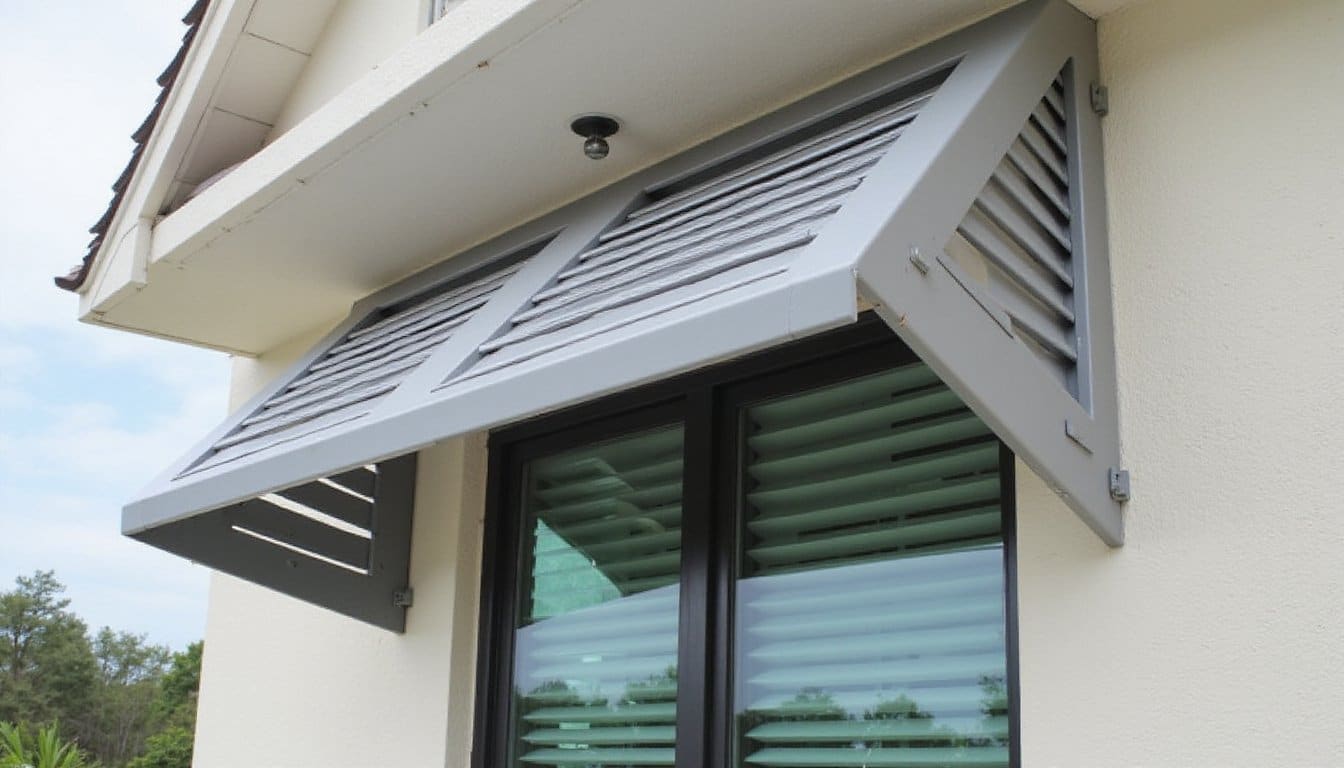
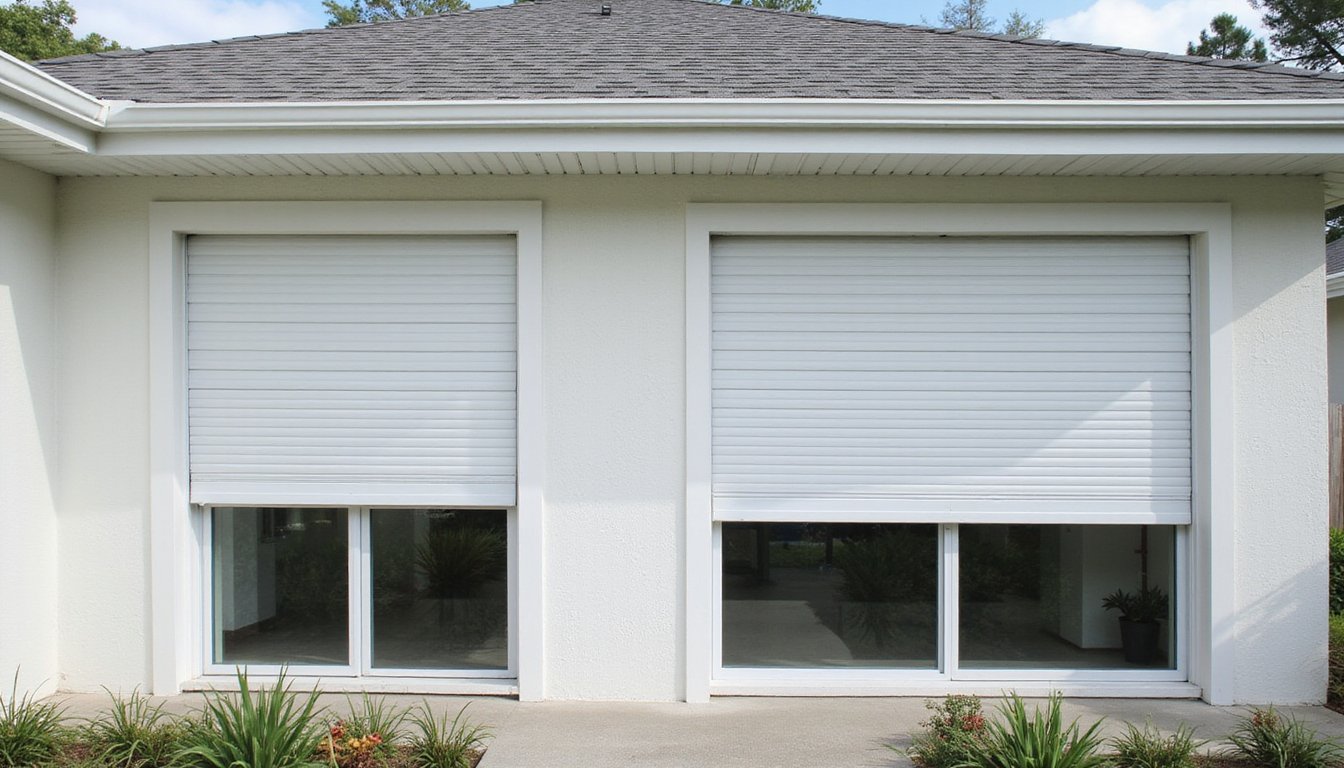
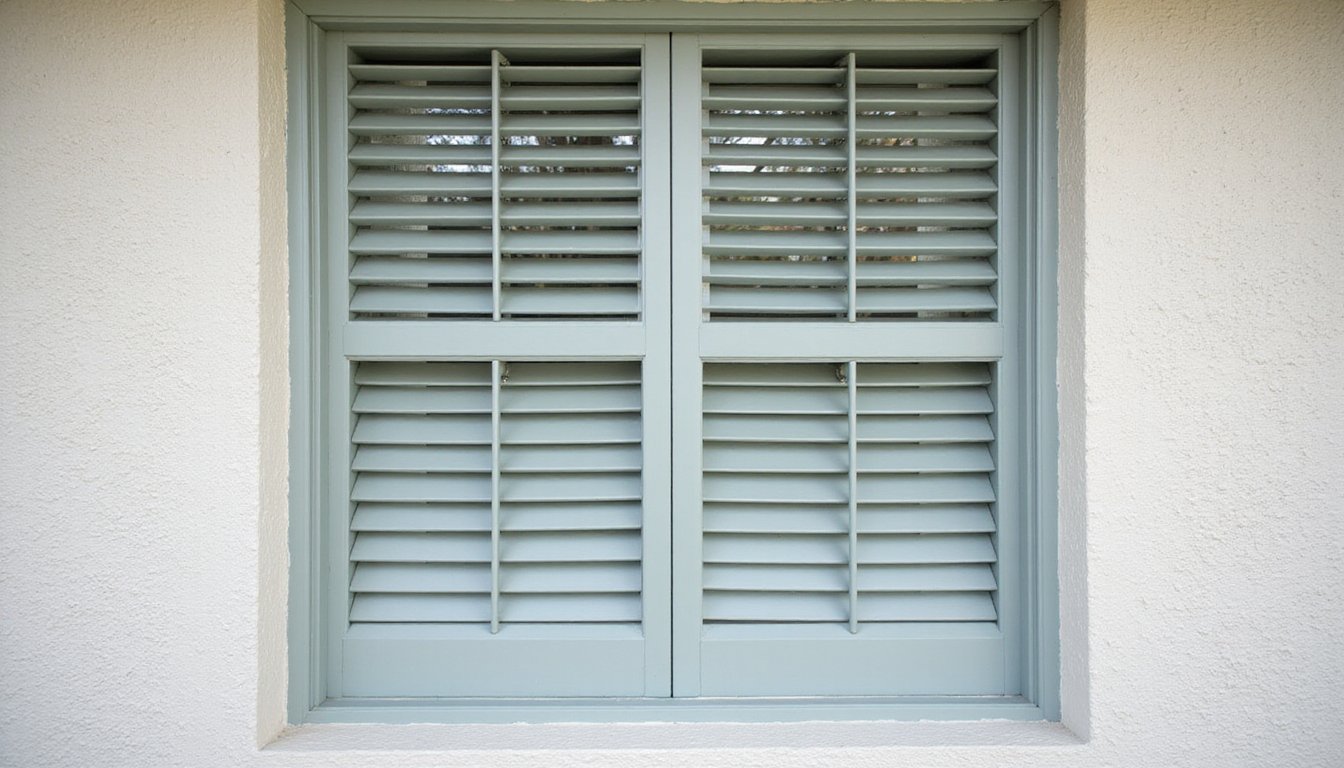
Protect non-impact glass by installing code-approved shutters or protective panels rated for large missile impact, surviving a 2×4 traveling at 34 mph, for glazing within 30 feet above grade. Non-impact glass offers zero protection against windborne debris on its own. Standard double-pane insulated glass lacks a binding interlayer, so it shatters completely when struck, releasing sharp fragments that act as missiles. Above 30 feet, small missile protection suffices. In wind-borne debris areas, where wind speeds hit 130 mph or more, the IBC requires this coverage. If you’re planning long-term, replace vulnerable panes with laminated impact-resistant glass featuring a PVB interlayer at least 0.090 inch thick. Doing so maintains your building envelope and prevents pressure equalization that tears off roofs.
How do you upgrade to debris-resistant glass
Upgrade to debris-resistant glass by replacing your vulnerable panes with laminated impact-resistant units built from two or more panes bonded by a PVB interlayer. Specify interlayer thickness based on location: at least 0.060 inch for small missile resistance above 30 feet, and at least 0.090 inch for large missile resistance within 30 feet of grade. Confirm the product survives Florida Building Code large missile testing, a 2×4 traveling at 34 mph, without allowing air or debris through the opening. Verify certification before installation, since only tested units maintain the building envelope and prevent pressure equalization that tears off roofs. Match your selection to your wind-borne debris area requirements, where design wind speeds reach 130 mph or more, and you’ll eliminate flying-shard casualties.
Conclusion: Why Impact Glass Matters Against Flying Debris
In a hurricane, flying debris is what breaks most windows, and a single broken opening can let wind pressure inside and put the whole structure at risk. Impact-resistant glazing is designed to take those hits and stay in the frame, protecting the home even when the glass cracks. In high-wind and coastal zones, meeting the impact requirements in the building code is not just about compliance, it is what keeps a home intact during a storm.
Call Today and Stop Window Damage Before It Starts
From failed seals to fogging to flying debris, understanding your windows helps you invest in the right protection. At Innovative Storm Defense serving Jupiter, FL, our skilled team delivers dependable Storm Windows built to withstand Florida’s harshest conditions. Call (561) 517-9399 today and book your free consultation.
Frequently Asked Questions
What Wind Speeds Trigger Impact-Resistant Window Requirements in Building Codes?
Impact requirements generally apply in designated high-wind and windborne-debris regions, which in Florida cover much of the coast and areas with design wind speeds around 140 mph or higher. The exact thresholds are set in the Florida Building Code and local amendments. A local building department can confirm what applies to a specific address.
How Can I Verify if My Windows Are Impact-Resistant?
Look for a permanent etch or label in the corner of the glass listing an impact or product-approval standard, and check for a Florida product approval or Miami-Dade Notice of Acceptance number. Impact windows also have a thick laminated interlayer you can often see at the edge. If you are unsure, a window professional can confirm it.
What Interlayer Thickness Is Required for Small Versus Large Missile Resistance?
Large-missile-rated glazing, required in most windborne-debris zones, uses a thicker laminated interlayer than small-missile products, which is why it can stop heavier debris. The exact thickness depends on the product and the test standard it is certified to. What matters most is that the window carries a large-missile impact rating where the code requires one.
What Areas Legally Require Hurricane-Resistant Glazing Under the Code?
Windborne-debris regions along the coast and in high-wind zones require impact-resistant or protected glazing. In Florida this includes much of the coastline and the High-Velocity Hurricane Zone in Miami-Dade and Broward counties. Requirements vary by location, so the local building department is the best source for what applies to your home.
How Does Impact Glass Prevent Roofs From Being Torn Off?
When a window breaks in a storm, wind rushes inside and pushes up on the roof and out on the walls, which is how homes come apart. By keeping windows intact, impact glass stops that sudden pressure from entering, so the roof and structure stay balanced against the wind. Protecting the openings is a key part of protecting the whole home.