
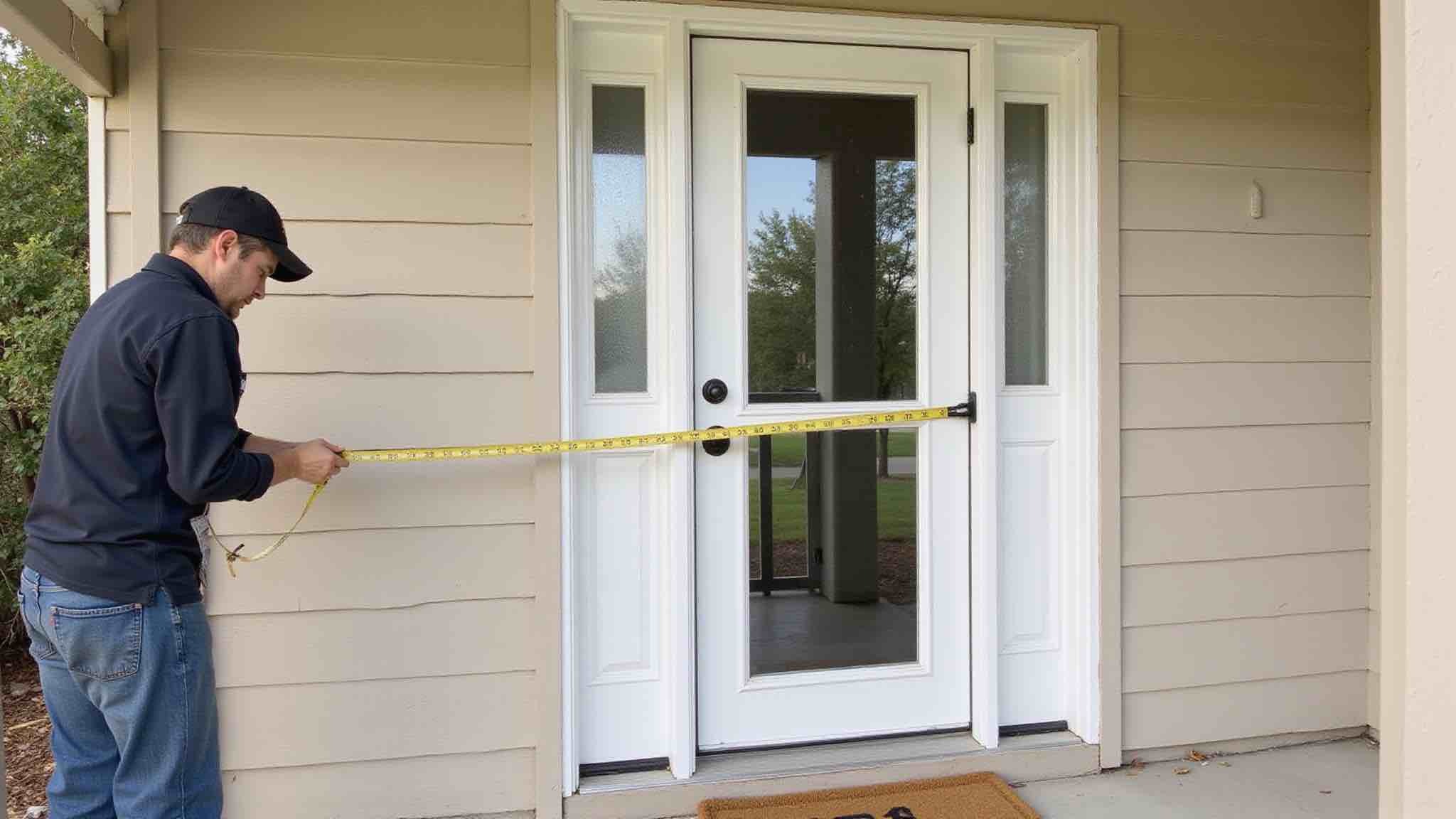
You can install roll down hurricane shutters yourself if you work carefully and stay safety-focused. Measure each opening’s width and height at multiple points, since walls aren’t always square. Position the box slightly in from the window edge, then verify level before drilling. Insert anchors per manufacturer specs, secure the housing, and confirm rails are plumb. Feed the curtain, test a full cycle, and seal edges.
Key Takeaways
- Measure each opening’s width and height at multiple points, since walls aren’t always square, and match shutters to their locations.
- Gather essential tools: a rated ladder, hammer drill for masonry, impact driver, bubble level, plus safety glasses and gloves.
- Position the box slightly in from the window edge, verify level, then drill, anchor, and secure the housing.
- Attach side rails plumb, feed the curtain in, confirm smooth movement, test a full cycle, and seal with silicone.
- Hire a professional for motorized units, questionable substrates, or permit requirements, as electrical work may need a licensed electrician.
How to install roll down hurricane shutters

Install roll down hurricane shutters by measuring your window or door opening, width and height, before you order or mount anything, since accurate dimensions determine whether the shutter box and rails will fit the correct opening. Hold the shutter box in place, set it slightly in from the window edge (typically 1/4 to 1/2 inch per manufacturer guidance), and verify horizontal alignment with a level before marking holes.
Drill your mounting points, insert anchors, then secure the housing while keeping it level. Attach the side rails vertically, checking plumb and squaring by measuring diagonals. Feed the curtain into the rails and confirm smooth movement.
Test the roll down shutters through a full cycle, then seal edges with silicone. This installation and mounting sequence preserves reliability and warranty coverage.
What tools and materials do you need for installation
Installing your hurricane protection requires a ladder rated for your working height, a hammer drill for masonry, and an impact driver for fastening the box and rails. Keep a bubble level on hand to confirm plumb and level throughout. Wear safety glasses and gloves during drilling and fastening, non-negotiable for reliable hurricane protection.
For materials, select anchors, screws, and sealant that match your substrate and satisfy the manufacturer’s engineering requirements. Silicone seals edges against water intrusion. Don’t substitute hardware; fastener embedment and edge distance directly affect performance. Verify you’ve got the correct anchor count and length before you begin.
How do you measure and prepare the openings

Measure each opening’s width and height with a tape, and prepare them by matching each shutter to its correct location and marking mounting points. Measure at multiple points across each opening, since walls aren’t always square. Consult the building diagram or opening map to match each shutter to its correct window or door.
Hold the shutter box in place and set your position slightly in from the window edge, commonly about 1/4 to 1/2 inch, depending on your manufacturer’s guidance. Check horizontal alignment with a bubble level before marking anything.
Mark your mounting points precisely for both the shutter box and the side rails. Clear, accurate marks prevent misaligned holes, binding rails, and compromised anchoring later in the installation.
How do you mount the roll down shutter housing and tracks
Mount the roll down shutter housing and tracks by drilling holes at your marked points and inserting anchors as your manufacturer’s specifications require, matching hardware to your substrate. Secure the shutter box housing first, fastening it while holding it level. Since the housing is heavy and awkward, a second person makes this step safer and more accurate. Check horizontal alignment continuously as you tighten.
Next, attach the side rails, confirming each is plumb with your bubble level. Verify square alignment by measuring diagonally in both directions; equal measurements confirm the assembly’s true. Install fasteners at the spacing your manufacturer or local code requires, maintaining proper embedment and edge distance to preserve performance.
Don’t fully tighten yet. Once the housing and tracks are aligned and anchored, you’re ready to fit the curtain and test.
How do you wire or set up the operating mechanism

You set up the operating mechanism differently depending on whether your shutter is manual or motorized. For manual units, you’ll attach the crank gear or strap winder, then feed the curtain into the guide rails and confirm smooth movement before securing hardware. For motorized units, you’ll follow the manufacturer’s engineering specifications precisely, since electrical work often requires code compliance and, in many jurisdictions, a licensed electrician.
- Verify the curtain feeds fully into both guide rails without binding.
- Match the motor’s voltage and load rating to your circuit.
- Route wiring away from moving parts and sharp edges.
- Test a full up-and-down cycle before final tightening.
Confirm all connections are secure before storm season.
How much does roll down hurricane shutter installation cost
Roll down hurricane shutter installation costs $200 to $2,000 per opening, depending on opening size, mounting substrate, and whether you choose manual or motorized operation. Handling everything yourself eliminates labor charges, but you still cover the shutter units, anchors, sealant, and any required tools. Larger openings demand more material and heavier hardware, while motorized curtains add controller and wiring costs.
| Cost Factor | Manual System | Motorized System |
|---|---|---|
| Small window | $200–$450 | $500–$900 |
| Large window | $400–$800 | $900–$1,600 |
| Door opening | $500–$1,000 | $1,100–$2,000 |
| Tools/anchors | $75–$200 | $75–$250 |
Verify manufacturer engineering specs before buying, since undersized fasteners or wrong substrate hardware compromise performance. Budget extra for a hammer drill and impact driver if you don’t own them, and confirm local permit fees apply.
When should you hire a professional installer
Hire a professional installer when structural anchoring, motorization, or inspection requirements come into play. Complex conditions demand engineering knowledge that protects reliability, safety, and warranty coverage. If you’re uncertain about fastener embedment, edge distance, or substrate compatibility, don’t guess, call a qualified installer.
Consider hiring a professional in these situations:
- Structural anchoring into questionable substrates, oversized openings, or load-bearing conditions requiring engineered fastener specifications.
- Motorized components that involve electrical wiring, controls, or programming beyond standard mechanical assembly.
- Permit and inspection requirements mandated by local code for exterior retrofit work.
- Awkward or heavy assemblies where two-person handling still can’t ensure safe, level, plumb installation.
When performance can’t be compromised, professional installation is worth it.
Conclusion
Installing roll down hurricane shutters yourself is realistic if you measure carefully, mount to the manufacturer’s specs, and keep safety front and center. Start by sizing each opening at several points, set the box slightly in from the edge, then anchor the housing and rails dead level before feeding the curtain and sealing the edges. Manual units are the most DIY-friendly, while motorized systems, tricky substrates, or permit and inspection requirements are better left to a professional. Take your time, verify every fastener, and test a full cycle so your shutters are ready well before storm season.
Rather Leave It to the Pros?
A DIY install can work, but a professional fit guarantees the anchoring, alignment, and warranty are done right the first time. Innovative Storm Defense in Royal Palm Beach, FL measures, installs, and services hurricane shutters for homes across the area, and also fits impact windows and impact doors when you want permanent protection. Call (561) 517-9399 or schedule a free estimate to get started.
Frequently Asked Questions
How Often Should Roll Down Hurricane Shutters Be Maintained or Serviced?
You should service your roll down shutters at least twice a year, ideally before and after hurricane season. Test each shutter’s up-and-down cycle to catch binding or misalignment early. Inspect fasteners for tightness, checking edge distance and embedment against manufacturer specs. Lubricate guide rails, verify smooth curtain movement, and reseal edges with silicone where water intrusion’s likely. If you spot loose hardware, structural issues, or motor faults, consult a professional immediately.
Do Roll Down Hurricane Shutters Lower Home Insurance Premiums?
Yes, they often can. You’ll typically qualify for wind mitigation discounts when your roll down hurricane shutters meet approved impact-protection standards. To secure these savings, you’ll need documentation showing your shutters comply with manufacturer engineering specifications and local code. Have a certified inspector verify the installation, since proper anchoring, fastener embedment, and edge distance affect approval. Contact your insurer directly, because discount eligibility and required certifications vary by provider and region.
Can Roll Down Shutters Be Repaired After Storm Damage?
Yes, you can repair roll down shutters after storm damage, but assess the severity first. You’ll often replace bent slats, damaged guide rails, or worn hardware individually. Check that anchoring remains secure and fasteners meet the manufacturer’s embedment and edge-distance specs. Test the curtain’s movement through the rails for binding. For structural damage, motor failure, or compromised housing, hire a professional to preserve reliability, safety, and warranty coverage before storm season.
What Is the Typical Lifespan of Roll Down Hurricane Shutters?
With proper installation and upkeep, roll down hurricane shutters can protect your home for many years, though the motor on a powered system often needs replacement sooner than the slats and housing. Longevity depends heavily on correct fastener embedment, edge distance, and following manufacturer engineering specifications. Extend service life by testing cycles regularly, sealing edges against water intrusion, and keeping hardware tight. Check your manufacturer’s documentation for the specific rating on your system.
Do Roll Down Shutters Help With Energy Efficiency or Noise Reduction?
Yes, they do offer secondary benefits beyond storm protection. When you close them, the shutter curtain and any insulating slats add a thermal barrier that reduces heat transfer, so you’ll cut cooling loads during hot months. They’ll also dampen exterior noise by blocking sound at the opening. Keep in mind the primary engineering purpose is impact and wind resistance, so treat efficiency and noise reduction as helpful bonuses, not guaranteed performance ratings.