
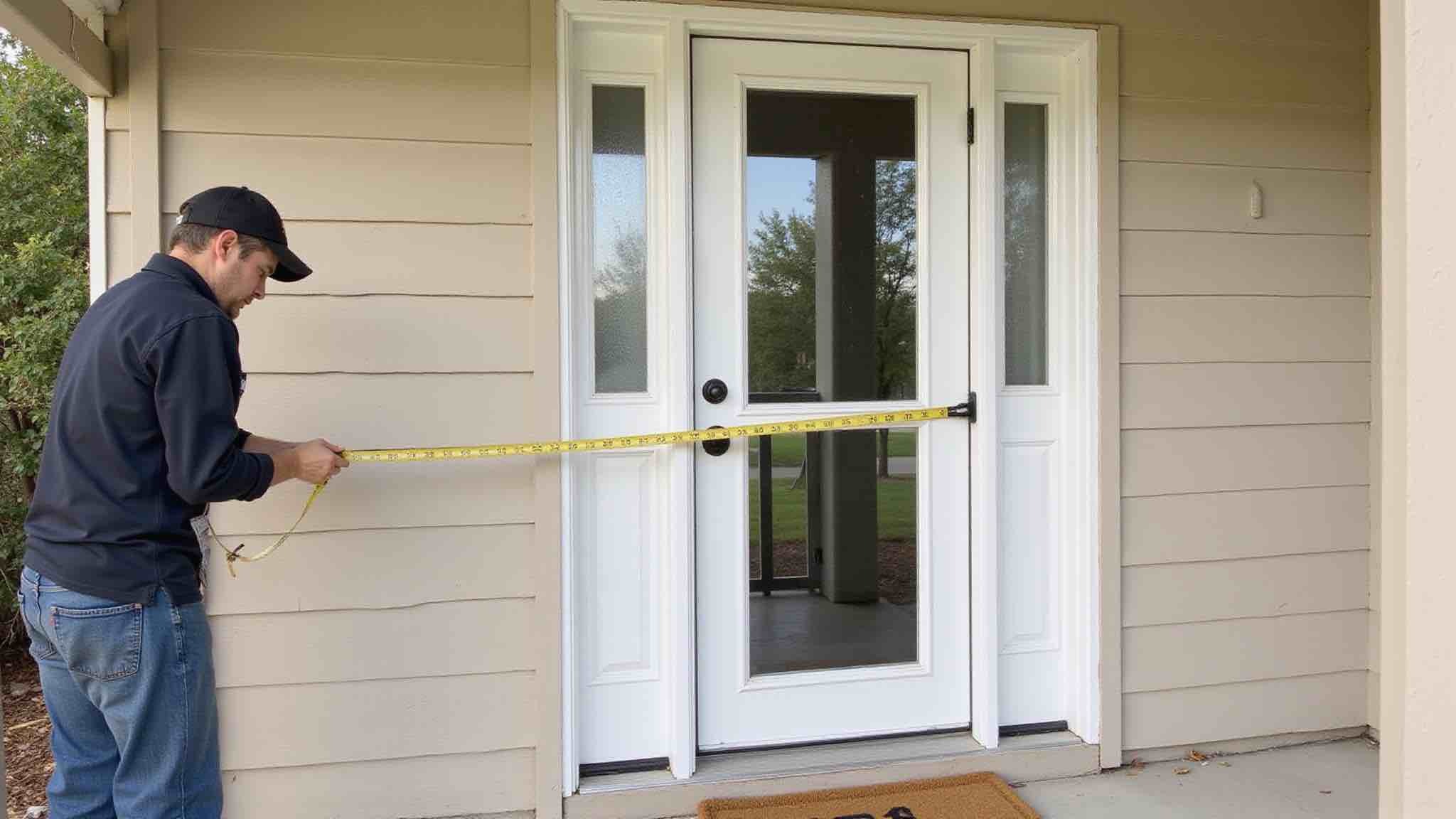
Neither wins outright, both protect best when they’re certified. Look for ASTM E1886/E1996 testing plus Florida Building Code or Miami-Dade approval, not the material alone. Fabric absorbs and disperses impact energy across a flexible woven textile, while rigid panels block debris with solid steel, aluminum, or polycarbonate stiffness. Fabric’s lighter, translucent, and faster to deploy; panels are bulkier but stiffer. Your opening size, code, and installation quality tip the decision.
Key Takeaways
- Both fabric and rigid panels can protect equally well when certified to ASTM E1886/E1996 and Florida Building Code or Miami-Dade standards.
- Fabric protects through energy absorption, flexing to disperse impact force across the woven textile to prevent projectile penetration.
- Rigid panels protect through solid stiffness, using steel, aluminum, or polycarbonate as a benchmark barrier against debris.
- Fabric is lighter, translucent, compact to store, and faster for one-person setup on large openings.
- Choose based on certified ratings, opening size, visibility needs, and local code rather than material type alone.
What is the difference between hurricane fabric and panels
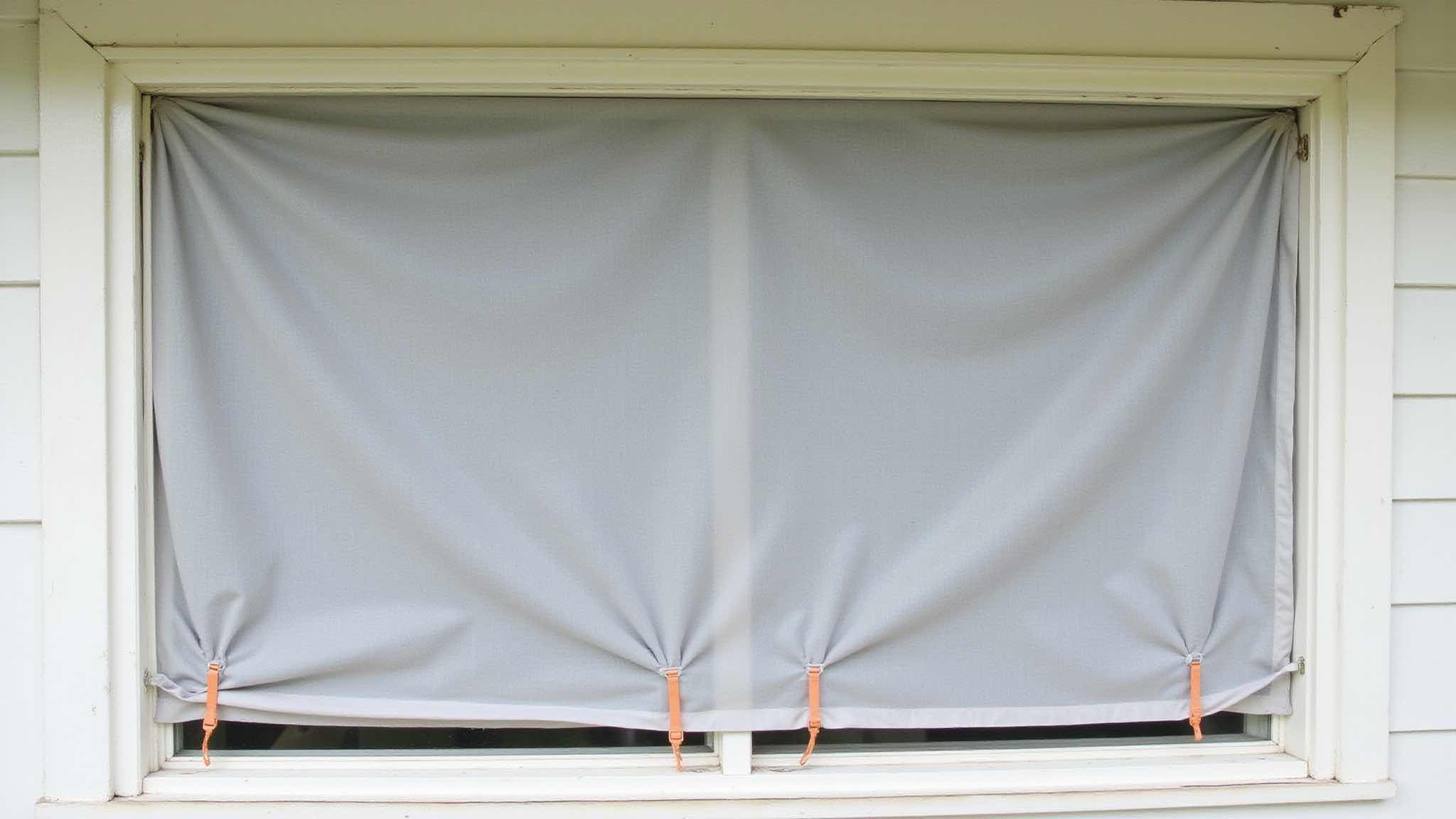
Hurricane fabric and rigid panels take opposite approaches to storm protection. Fabric relies on flexible, PVC-coated woven textiles that absorb and deflect wind, rain, and storm-driven projectiles. Rigid panels, steel, aluminum, or polycarbonate, provide a solid, stiff barrier instead.
On pure physical resistance, rigid panels offer a more rigid shield, while hurricane fabric depends on energy absorption rather than stiffness. Both, when properly approved and installed, meet building-code requirements and carry documented impact testing like ASTM E1886/E1996.
Beyond material, they differ in weight, deployment, and light. Fabric’s lighter, rolls up compactly, and often lets natural light through. Panels are bulkier, tougher against repeated handling, and typically opaque. Your protection ultimately depends on certified ratings, not the material label alone.
How does hurricane fabric protect your home
Hurricane fabric protects your home through energy absorption and deflection rather than rigid stiffness. When wind-driven debris strikes the woven surface, the material flexes and disperses that impact force across the panel, preventing penetration. Certified systems undergo ASTM E1886/E1996 testing to verify this performance.
Here’s how the fabric defends your openings:
- Blocks projectiles by absorbing and redistributing impact energy across the woven textile.
- Seals against wind and rain by anchoring tightly to permanent tracks or hardware.
- Resists UV degradation through protective coatings that preserve long-term strength.
In any comparison, verify the product’s approval number and cost against documented ratings, not marketing claims.
How do hurricane panels protect your home
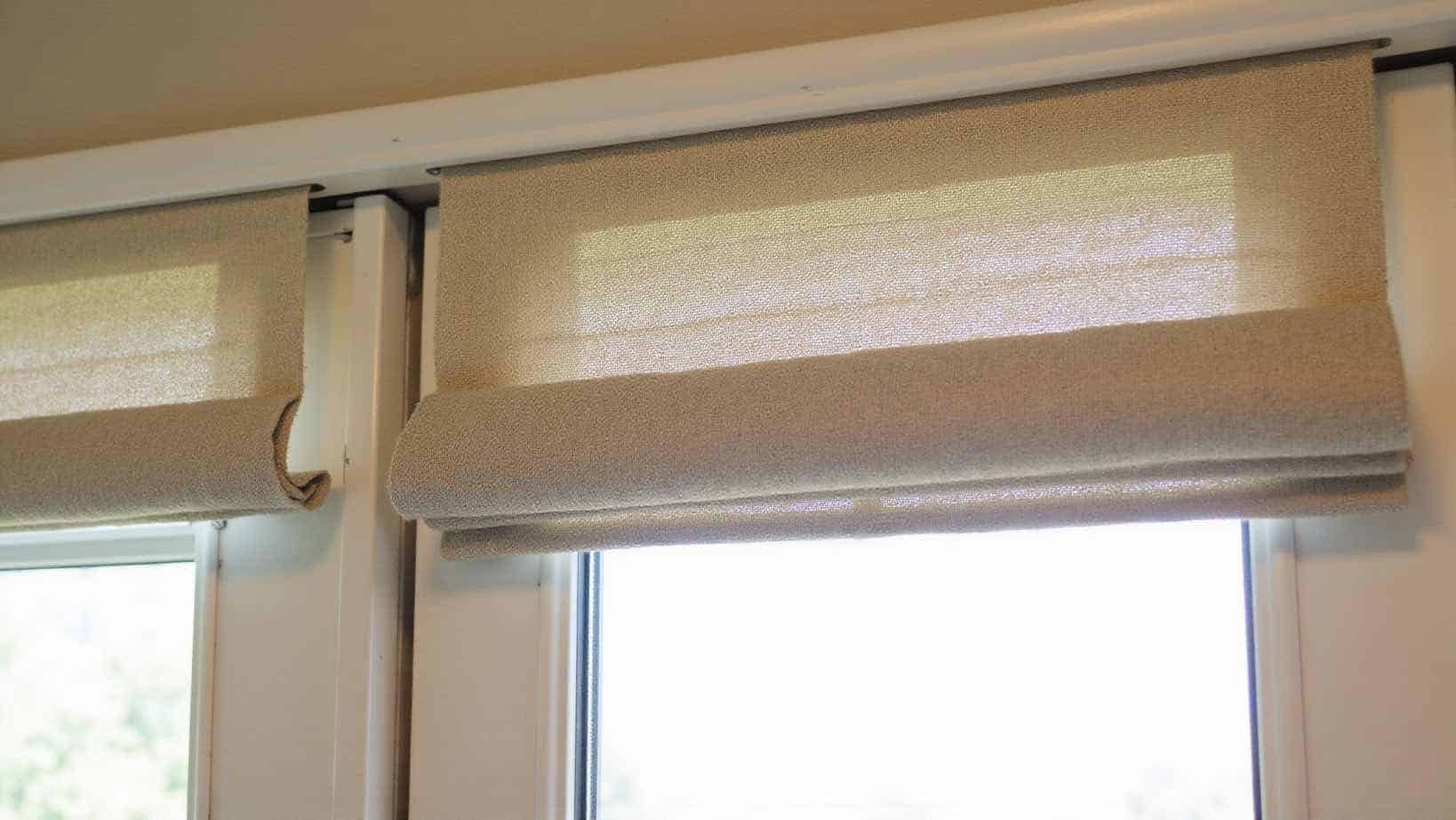
Rigid panels protect your home by presenting a solid, stiff barrier that debris can’t penetrate. Made from steel, aluminum, or polycarbonate, these panels serve as the standard benchmark for impact protection. You mount them over windows and doors, where they resist storm-driven projectiles through sheer stiffness rather than energy absorption.
Don’t rely on the “hurricane-rated” label alone. Verify that your panels carry documented approvals, ASTM E1886/E1996, Florida Building Code, or Miami-Dade certification, confirming they’ve passed impact testing.
Clear polycarbonate panels let light through, while steel and aluminum panels block it entirely. Both deliver a rugged, hard barrier built to withstand repeated handling and long-term wear, making them the strongest choice when maximum rigidity matters most.
How do fabric and panels compare on cost and protection
Fabric and panels compare on protection through certified ratings, not material assumptions. Both systems can pass ASTM E1886/E1996 and earn Florida Building Code or Miami-Dade approval, so verify documented ratings before you trust any “hurricane-rated” label. On pure physical resistance, rigid panels deliver a stiffer shield, and fabric absorbs and deflects impact energy.
| Factor | Fabric | Rigid Panels |
|---|---|---|
| Barrier type | Energy absorption | Solid stiffness |
| Certification | ASTM/FBC possible | ASTM/FBC standard |
| Light/visibility | Often translucent | Metal opaque |
| Storage | Compact, rollable | Bulky, heavy |
| Best fit | Large openings | Maximum stiffness |
You’ll pay for both approval and handling convenience. Match the certified product to your opening size, storage limits, and local code requirements before deciding.
Which option is easier to install and store
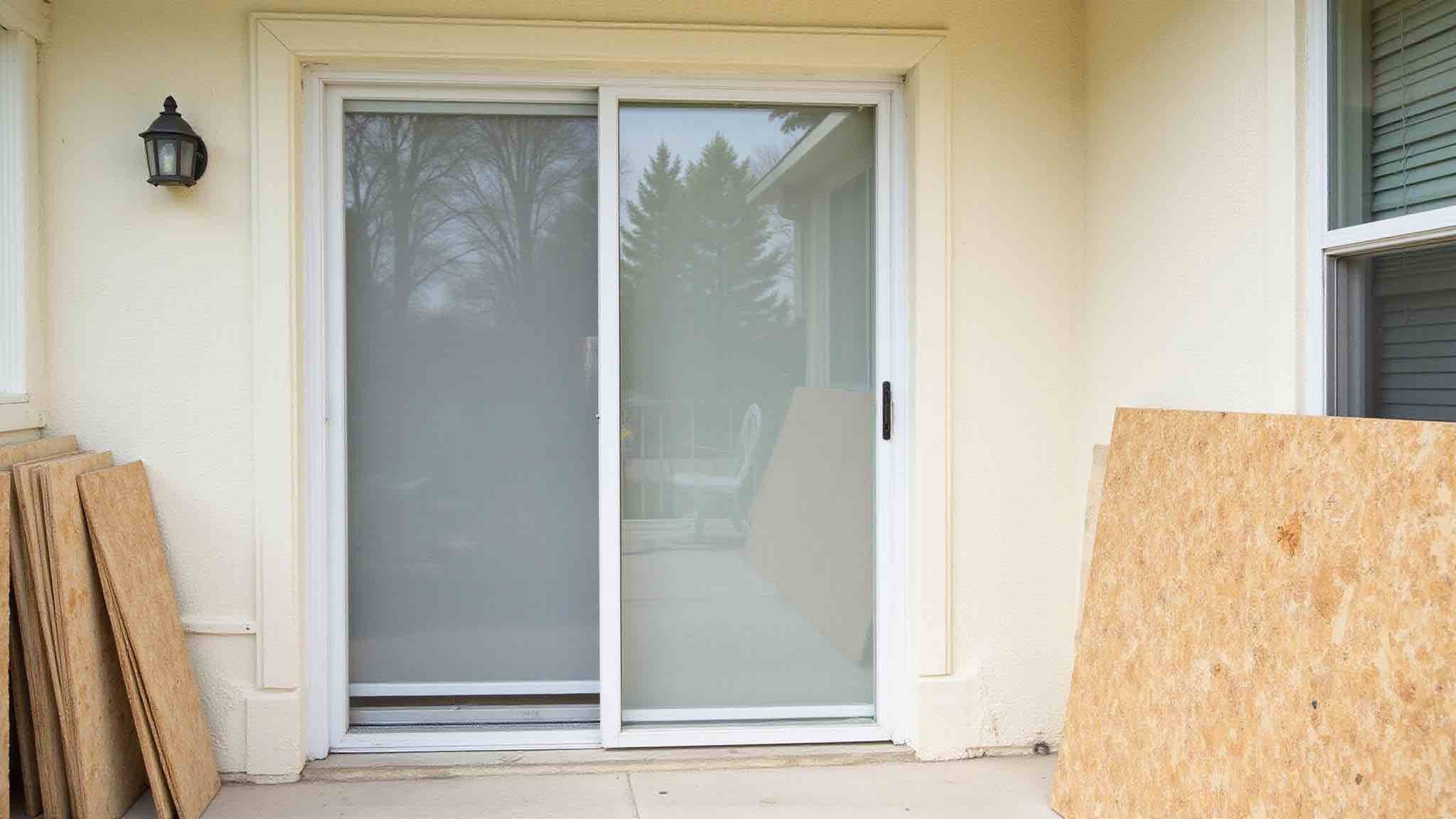
Fabric is easier to install and store than rigid panels. It’s lighter, faster to deploy, and easier to store. You’ll notice the difference immediately when protecting large openings or installing alone before a storm. Rigid steel and aluminum panels demand more physical effort, more setup time, and markedly more storage space.
Fabric wins on convenience: lighter to lift, faster to deploy, and easy to store when space is tight.
- Deployment speed: Fabric rolls out and mounts quickly, often letting one person secure large openings; rigid panels require heavier lifting and more time.
- Storage footprint: You can roll or fold fabric compactly, while rigid panels need dedicated space and stack heavier.
- Handling durability: Rigid panels resist repeated handling and long-term wear better, so weigh convenience against ruggedness.
If storage is limited or you self-install, fabric’s the practical choice.
How do you choose between hurricane fabric and panels
Choose based on certified ratings, opening size, installation quality, and local code, not material alone. Start by verifying documented approvals: ASTM E1886/E1996, Florida Building Code, or Miami-Dade numbers. Ignore the “hurricane-rated” label unless it’s backed by an approval number and impact testing.
Next, match the system to your openings. For large lanais, porches, or wide spans where light, visibility, and one-person setup matter, fabric usually wins. When you want the stiffest hard barrier and don’t mind bulk or storage demands, choose rigid steel, aluminum, or polycarbonate.
Factor in your storage space and who’s installing before the storm. Then confirm the product’s approved for your jurisdiction. Proper installation to manufacturer specs ultimately determines whether either system performs.
Conclusion
When it comes to hurricane fabric versus rigid panels, neither wins on material alone, since both can protect your home well when they carry the right certifications. Fabric is lighter, lets in light, and is faster for one person to deploy on large openings, while rigid steel, aluminum, or polycarbonate panels deliver maximum stiffness against flying debris. The real deciding factors are certified ratings, your opening sizes, storage space, and local code. Verify an approval number for whatever you choose, install it to spec, and you will have protection you can trust when the next storm arrives.
Not Sure Which Storm Barrier Fits Your Home?
Choosing between fabric and rigid panels is easier with someone who installs both every day. Innovative Storm Defense in Tequesta, FL helps you pick, size, and install the right hurricane shutters for every opening, and can add impact windows or impact doors where permanent protection makes more sense. Call (561) 517-9399 or book a free consultation to compare your options.
Frequently Asked Questions
Does Hurricane Fabric or Panels Affect My Home Insurance Premiums?
Either can lower your premiums, but only if the product carries verified approvals, ASTM E1886/E1996, Florida Building Code, or Miami-Dade documentation. Insurers reward certified, documented impact protection, not the “hurricane-rated” marketing label. You’ll need the product’s approval number and proof of proper installation to qualify for wind-mitigation credits. Both fabric and rigid panels can earn discounts when they’re approved and correctly installed. Always confirm requirements with your specific insurer first.
How Long Do Hurricane Fabric Systems Last Before Needing Replacement?
Your hurricane fabric system’s lifespan depends heavily on its construction and UV resistance. Most PVC-coated woven textiles and synthetic fibers with quality UV-resistant coatings last several years, but you’ll shorten that if you skip proper storage. Always roll or fold your panels compactly, keep them dry, and inspect for coating breakdown or fabric fatigue before each season. When you spot degradation, replace them immediately, compromised fabric won’t protect you.
Can I Install Fabric or Panels Myself Without a Professional?
Yes, you can install either yourself, but installation quality directly affects your protection. Fabric’s lighter and easier to handle, often allowing one-person setup, which makes it practical for self-installation. Rigid panels are bulkier and heavier, so you’ll need more effort and possibly help. Either way, you must follow the manufacturer’s approved instructions and mount to permanently installed tracks or hardware exactly as specified. Improper installation compromises code compliance and storm resistance.
Do Hurricane Fabric or Panels Require Permits Before Installation?
Yes, you’ll typically need a permit for both hurricane fabric and rigid panels, since local building codes usually treat storm shutters as regulated openings protection. You’ll want to verify your jurisdiction’s requirements before installing, Florida Building Code and similar rules often require product approval numbers, documented impact testing, and inspection. Don’t skip this step; using an approved, code-compliant product with proper permitting ensures your protection actually meets legal and safety standards.
Can Fabric and Rigid Panels Be Used Together on One Home?
Yes, you can mix fabric and rigid panels on the same home. You’ll often want fabric for large openings like lanais or porches where light and quick deployment matter, and rigid metal or polycarbonate panels where you need maximum stiffness. Just make sure each product carries verified approvals, ASTM E1886/E1996, Florida Building Code, or Miami-Dade, for its specific opening. Match the system to the opening, and install everything exactly per manufacturer specs.