


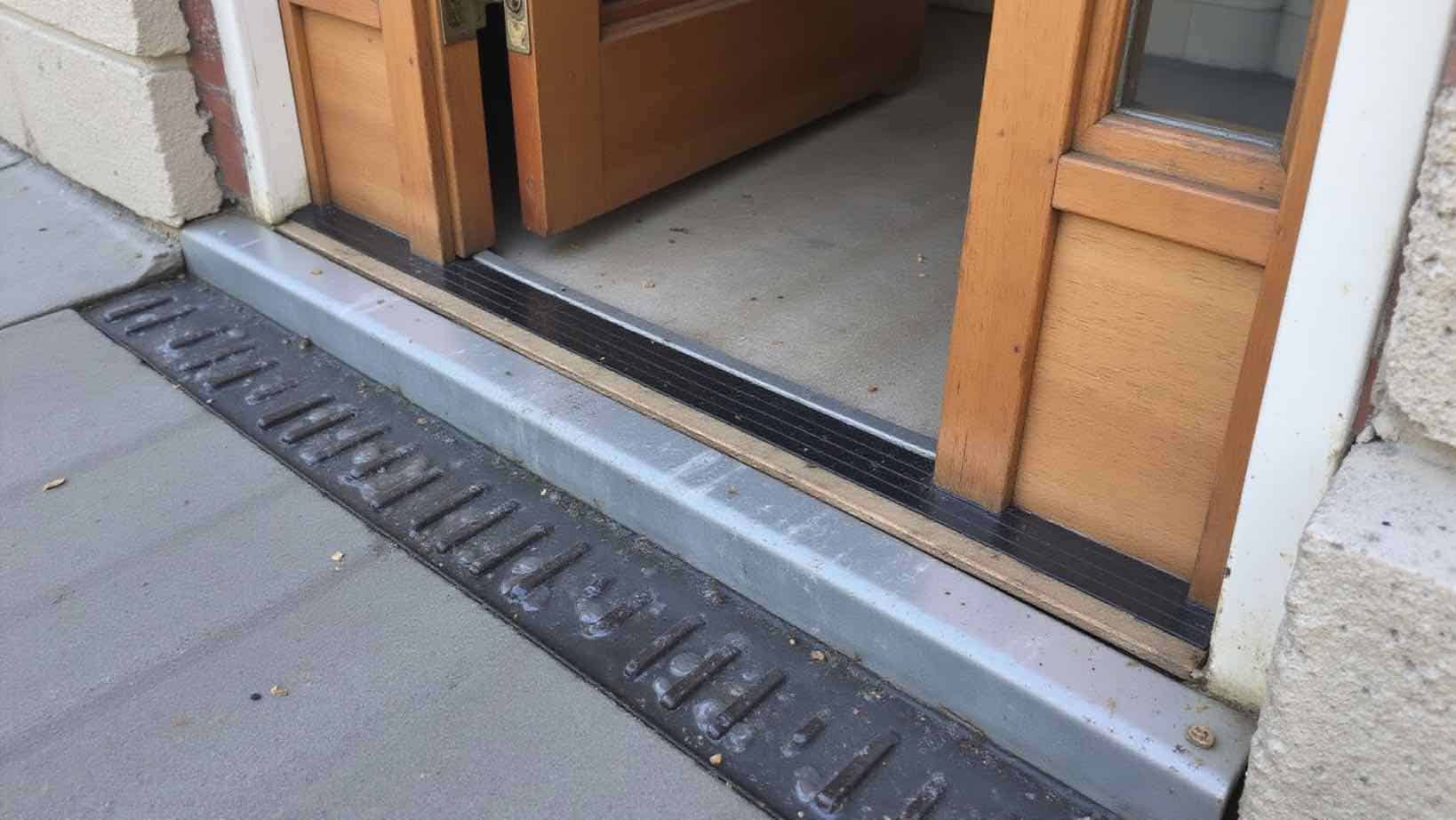
Door flood barriers seal your entry point and hold back rising floodwater at the threshold during storm surge events. You form a continuous watertight seal against the door frame, threshold, and sill using rubber or compression gaskets. Many self-sealing designs use rising water pressure to tighten the seal as depth increases. You’ll choose from rigid door dams, expandable inflatables, or engineered aluminum systems.
Key Takeaways
- Door flood barriers form a continuous watertight seal against the frame, threshold, and sill to stop storm surge intrusion.
- Many self-sealing designs use rising water pressure to tighten the seal as flood depth increases.
- Barriers must resist both static pressure and the force of moving surge water without any perimeter gaps.
- Protection height varies by type: rigid door dams reach 12–24 inches, expandable/panel systems 28–39 inches, and engineered aluminum several feet.
- Measuring the opening, cleaning surfaces, and aligning the barrier against the frame’s outside face ensures a reliable seal.
What are door flood barriers for storm surge protection
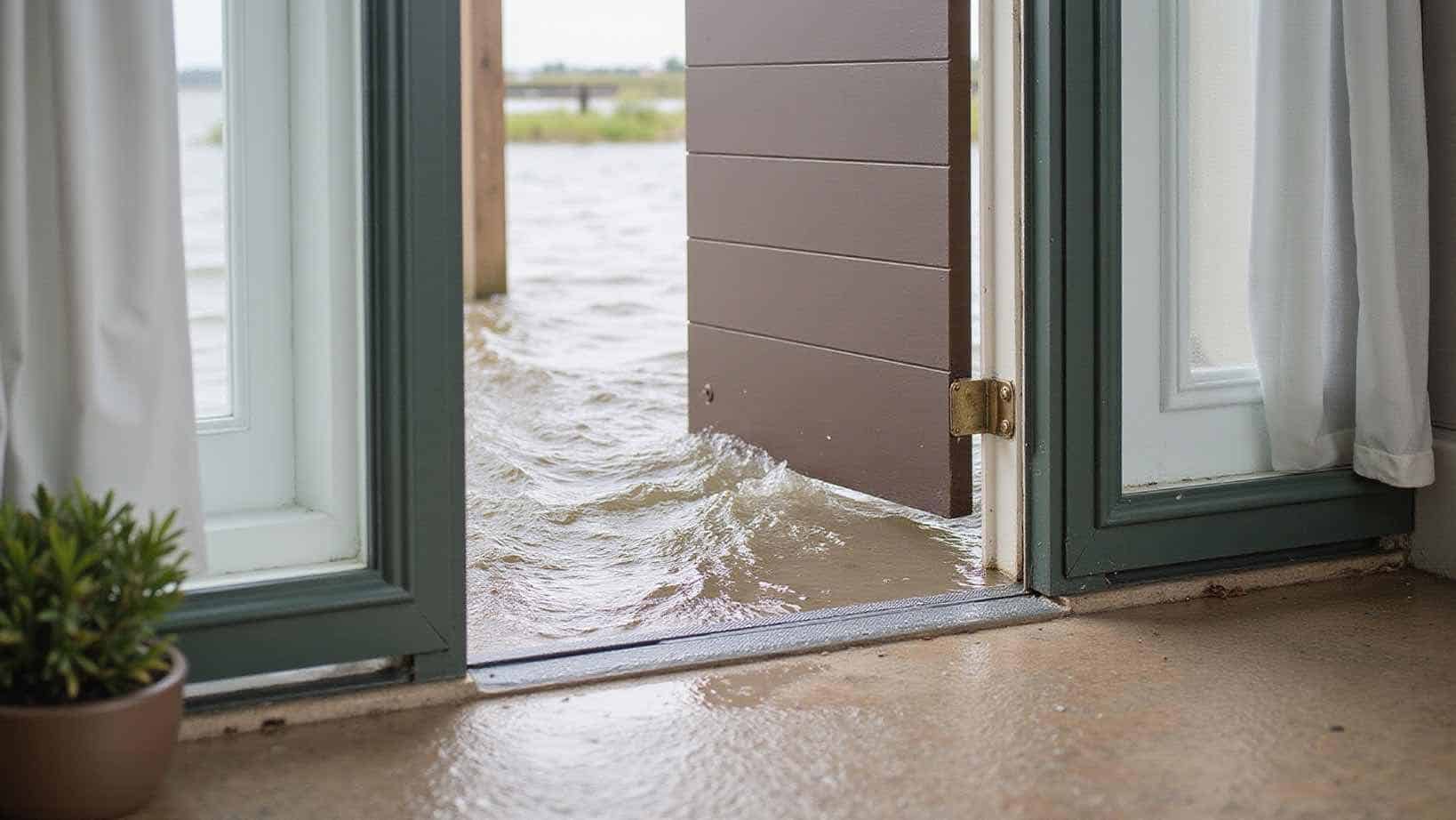
Door flood barriers are protective systems that seal your entry doors to hold rising floodwater back at the threshold during storm surge events. These systems target the entry point, where storm surge intrusion often begins, creating a watertight seal against the door frame, threshold, and sill. Rather than merely slowing water, effective door protection stops it. Many self-sealing designs use rising water pressure to tighten the seal as flood depth increases, improving your flood defense when conditions worsen.
These barriers work best as part of a broader plan. They handle the doorway, while fixed gates or bulkheads protect larger openings. Because a continuous seal is critical, you must resist both static pressure and the force of moving water during surge events.
How do door flood barriers block rising water
A flood barrier blocks rising water by forming a continuous watertight seal against the door frame, threshold, and sill. You rely on rubber or compression gaskets to press tightly against these surfaces, closing the gaps where water first intrudes. Many flood barriers use a self-sealing design, so as flood depth increases, water pressure forces the barrier harder against the frame and improves the seal. This means deeper water strengthens protection rather than defeating it. To work, the barrier must resist both static pressure and the force of moving surge water. You’ll get reliable performance only when the seal stays continuous around the entire perimeter, since even small gaps at the sides or bottom let water through and compromise the doorway defense.
What types of flood barriers protect doorways
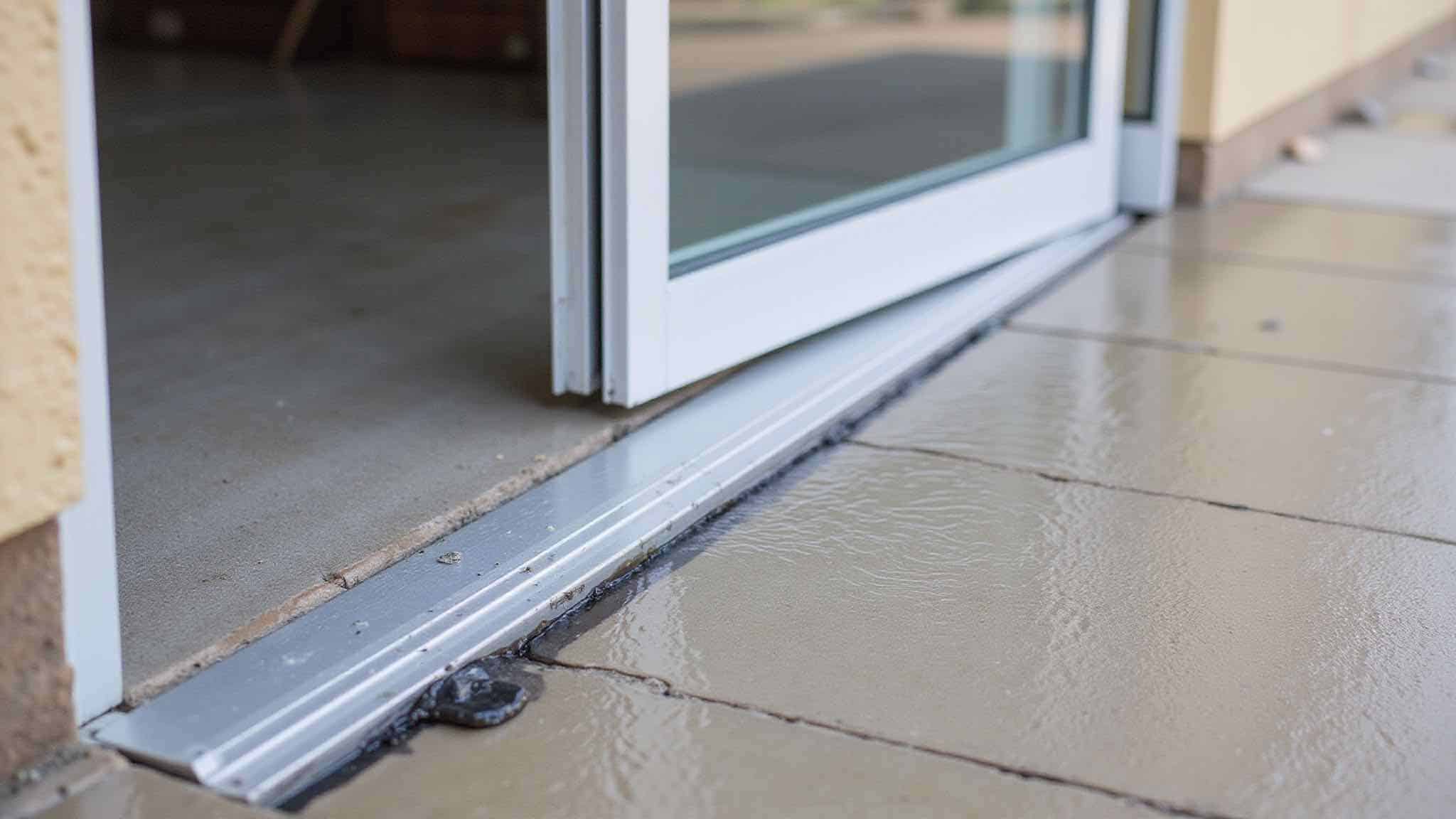
Doorways are protected by several barrier types, each suited to specific openings and flood depths. Rigid or semi-rigid door dams are the most common temporary solution for residential entry doors, using aluminum or composite frames with rubber or compression gaskets to seal against the frame, threshold, and sill. Expandable inflatable barriers fit into the opening and inflate to form a watertight seal, with some rated to protect up to 28 inches. Plank or panel systems slot into side posts, building protection to a chosen height. Portable versions may reach about 39 inches. Some products clip onto the outside frame face without tools, adhesives, or permanent hardware, while others require mounting brackets or posts. Match the type to your opening width and expected surge height.
How do flood barrier options compare on cost and protection
Flood barriers trade off cost against the flood depth and surge force they can withstand, with cost and protection scaling together. Temporary rigid door dams cost less initially and protect roughly 12 to 24 inches, adequate for shallow intrusion. Expandable and panel systems raise protection to about 28 to 39 inches, adding cost. Custom engineered aluminum systems handle several feet of water and surge force, but they demand higher investment and permanent hardware.
| Barrier Type | Protection Height |
|---|---|
| Rigid door dam | 12–24 inches |
| Expandable/panel | 28–39 inches |
| Engineered aluminum | Several feet |
Match your choice to your surge height risk. Under-specifying to save money leaves you exposed, while over-specifying wastes budget better spent on threshold sealing and layered defense.
How do you install and deploy a door flood barrier
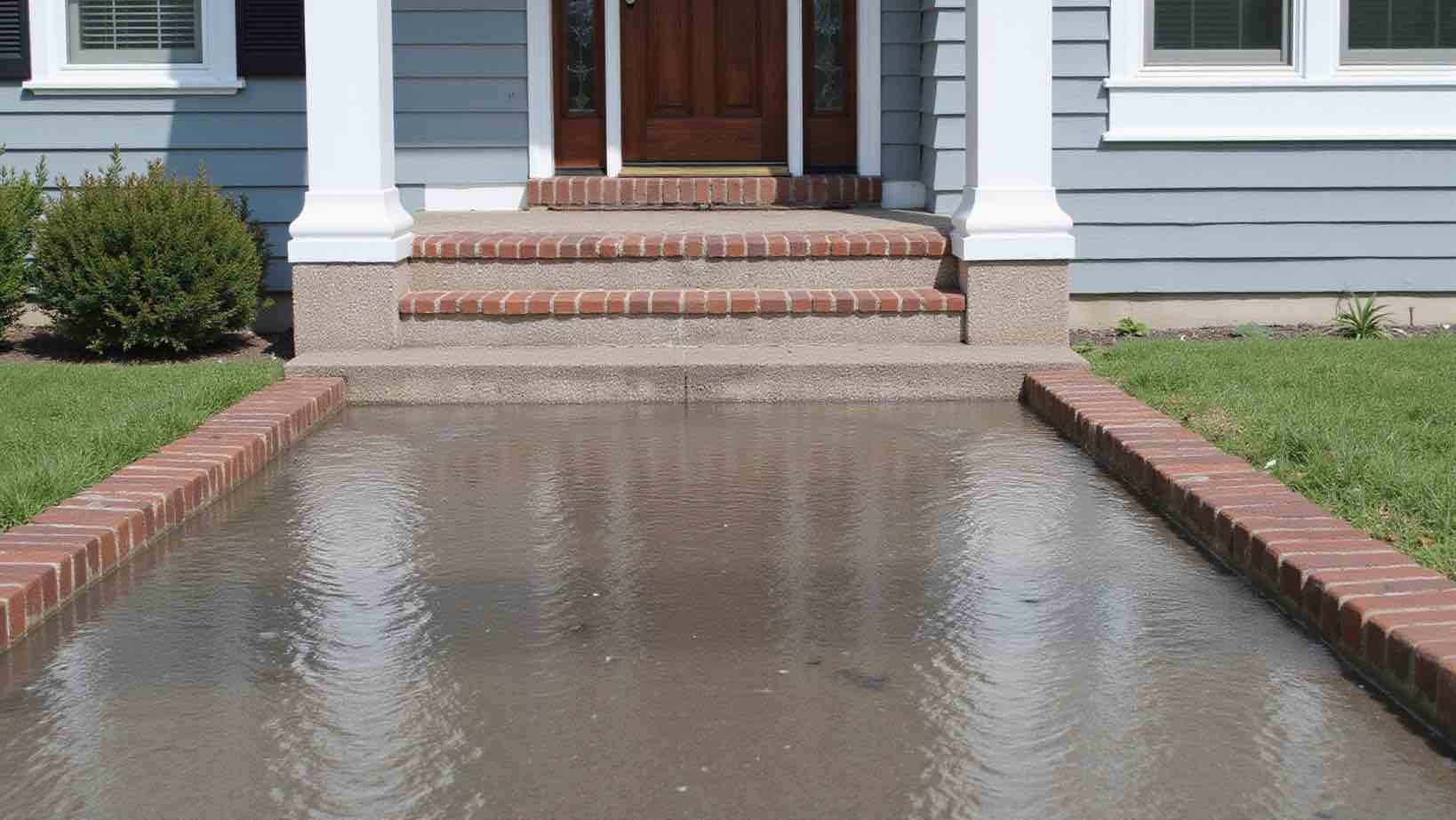
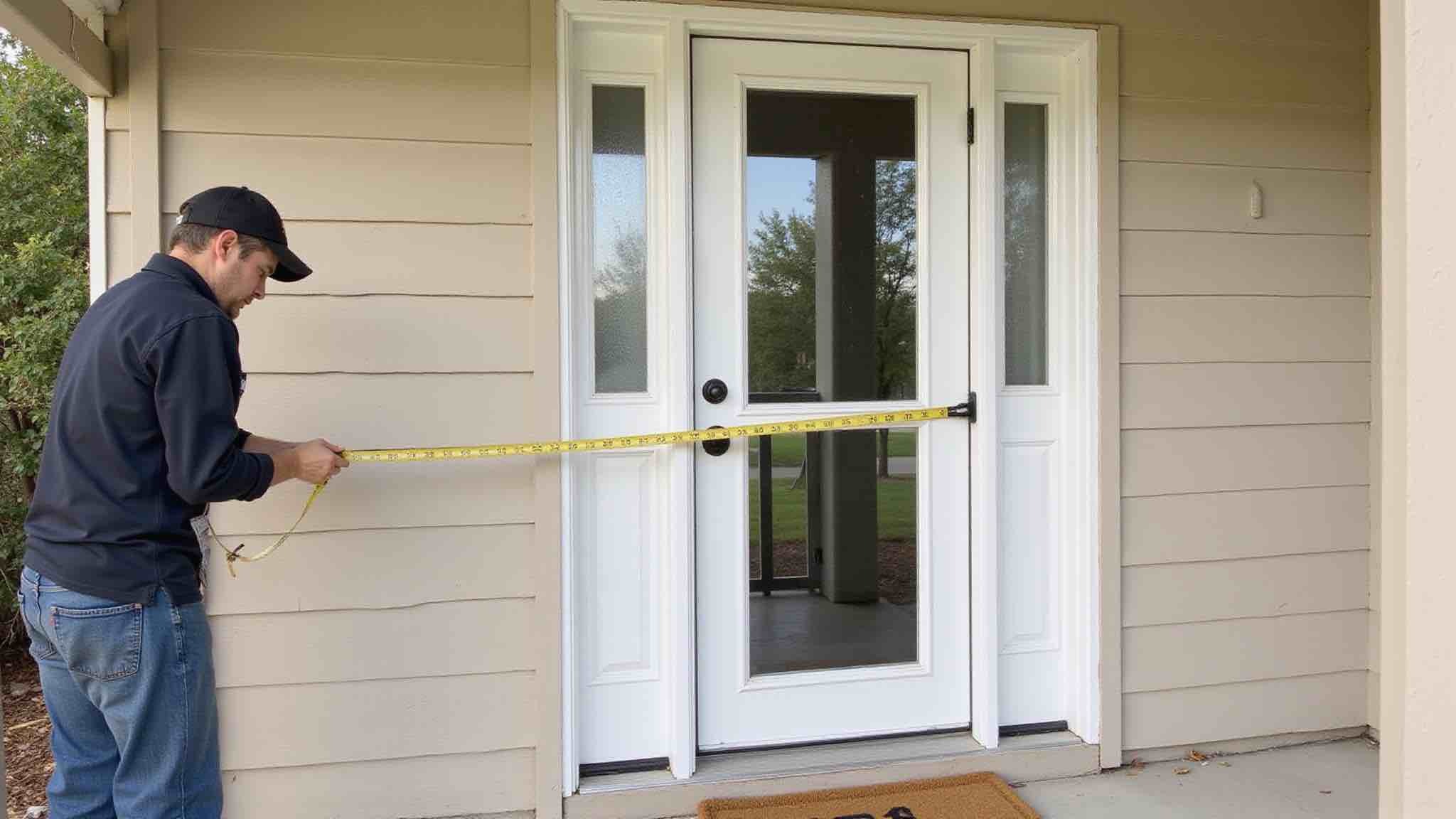
Install and deploy a door flood barrier by measuring your opening width, threshold levelness, and door-bottom clearance to confirm fit, then positioning the barrier against the outside face of the frame. Floodwater threatens, so most door dams are designed for deployment in 5 to 10 minutes, and preparation beats improvisation. Clean the frame, threshold, and sill so debris won’t break the seal.
Position the barrier against the outside face of the frame, aligning it precisely. Many models clip on without tools, adhesives, or permanent hardware; others need mounting brackets or side posts. Compress the gaskets uniformly, then inspect the full perimeter for gaps at the sides and bottom, where intrusion begins.
Verify a continuous, watertight seal against the frame and threshold. As water rises, self-sealing designs tighten, but proper alignment determines whether they’ll hold.
How do you choose the right flood barrier for your home
Choose the right flood barrier by matching it to your home’s actual flood risk. Start with measurements. Record your door opening width, threshold levelness, and door-bottom clearance, since fit determines performance. Then assess your surge height risk. If you expect 12 to 24 inches, many residential dams will suffice. For deeper exposure up to 28 inches, consider expandable inflatable systems fitting 30 to 43 inch openings. For several feet of water, you’ll need engineered systems tested to specific heights.
Next, weigh structural constraints. Decide whether drilling, anchoring, or permanent posts are acceptable, or whether you need a no-tool, clip-on barrier. Finally, balance cost against recurrence. Custom aluminum systems cost more but seal precisely, while layering a permanent threshold seal with a deployable barrier strengthens your doorway defense.
Conclusion
Door flood barriers are one of the most effective ways to keep storm surge from entering through your most exposed opening, the front door. They work by forming a continuous, watertight seal against the frame, threshold, and sill, and many self-sealing designs actually tighten as the water rises. Choose a barrier sized to your opening and your expected surge height, from simple rigid door dams for shallow intrusion to engineered aluminum systems for several feet of water. Measure carefully, keep the seals clean, and pair the barrier with window and vent protection for a layered defense that holds when the surge comes.
Harden Your Home Against Wind and Water
Flood barriers handle the surge at your door, but your windows and doors still face the wind and debris. Innovative Storm Defense in Martin County, FL installs hurricane impact doors, impact windows, and hurricane shutters that seal out driving rain and stand up to storm-force winds. Call (561) 517-9399 or schedule a free assessment before the next storm.
Frequently Asked Questions
Can Door Flood Barriers Be Reused After Multiple Storm Events?
Yes, you can reuse most door flood barriers across multiple storm events. Temporary systems, rigid dams, inflatable barriers, and panel setups, are designed for deployment, then removal after floodwater recedes. To maintain performance, inspect your gaskets, seals, and frames for damage before each event. Clean surfaces thoroughly and verify a continuous, watertight seal. Replace worn compression gaskets promptly, since small gaps compromise protection. Unlike sandbags, they don’t require full replacement each time.
How Should I Clean and Store My Barrier Afterward?
Rinse your barrier with clean water to remove flood debris, silt, and contaminants, then wipe down the frame, panels, and gaskets. Inspect the rubber or compression seals for damage, and let everything dry completely before storage. You’ll want to store it flat or upright in a dry, protected space, away from direct sunlight and sharp objects. Keep the mounting hardware together, and check the seals again before your next deployment.
Do Door Flood Barriers Require Any Regular Maintenance or Inspection?
Yes, you’ll need routine maintenance to keep performance reliable. Inspect gaskets and compression seals for cracks, tears, or hardening, since these compromise your watertight seal. Check frames, brackets, and posts for corrosion, warping, or loose hardware. Test the fit against your door frame and threshold periodically, confirming alignment stays true. Store components clean and dry, and replace any degraded seals promptly. Don’t wait until a storm’s approaching to verify readiness.
Will My Homeowner’s Insurance Cover or Discount Door Flood Barriers?
Coverage and discounts for flood mitigation measures vary by insurer and policy, so contact your insurer directly to ask whether door flood barriers qualify for premium reductions or coverage credits. Document your barrier’s ratings, dimensions, and installation details before calling. Keep in mind that flood damage typically requires separate flood insurance, so verify what your current policy actually protects against.
Can I Combine Door Barriers With Window and Vent Protection?
Yes, you can combine door barriers with window and vent protection for layered defense. Your door barrier seals the entry point, but floodwater exploits any low opening, so you’ll want to address vents, low windows, and other breaches too. Pair a permanent threshold seal with deployable barriers, and match each product to its exact opening dimensions. Confirm every perimeter creates a continuous, watertight seal, since small gaps compromise your entire system’s performance.