
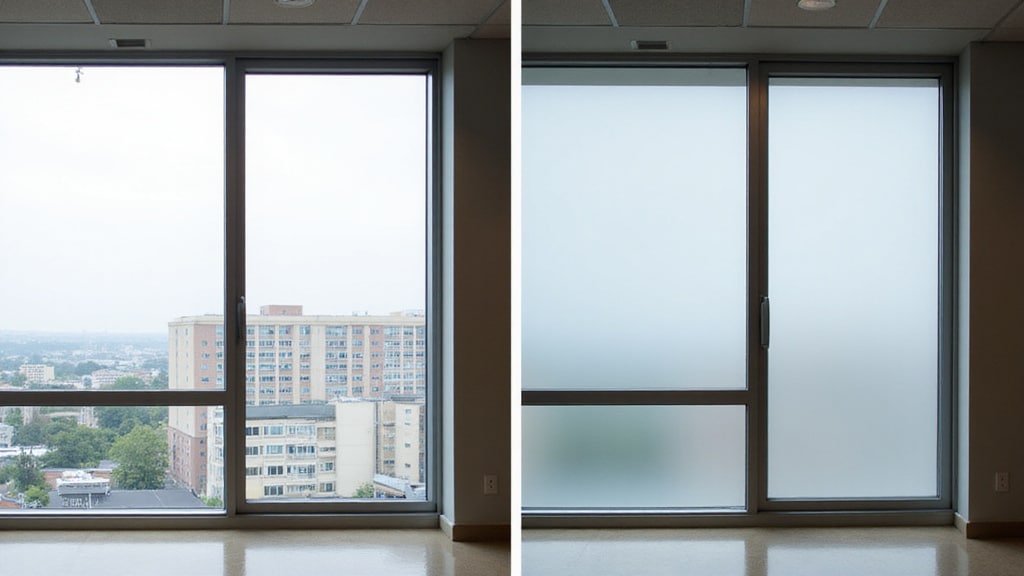
Commercial window film cuts your cooling costs by 10% to 35%, blocking up to 79% of solar heat before it enters your space. You’ll reject up to 95% of infrared radiation, lower your glass surface temperature, and ease HVAC load during peak sunlight. Spectrally selective ceramic films push savings toward 30% to 40%, with payback periods running 8 months to 5 years. Want to know which film delivers the fastest ROI for your building?
Key Takeaways
- Commercial window film blocks up to 79% of solar heat gain, reducing peak cooling loads and HVAC strain.
- Cooling costs typically drop 10% to 35%, with ceramic spectrally selective films reaching 30% to 40% savings.
- Infrared rejection up to 95% lowers glass surface temperature and reduces indoor temperature spikes.
- Payback periods range from 8 months to 5 years, depending on film type and performance.
- Select film by matching infrared rejection, solar heat gain, and visible light transmission to your facade, glazing, and climate.
Cutting Cooling Costs With Commercial Window Film
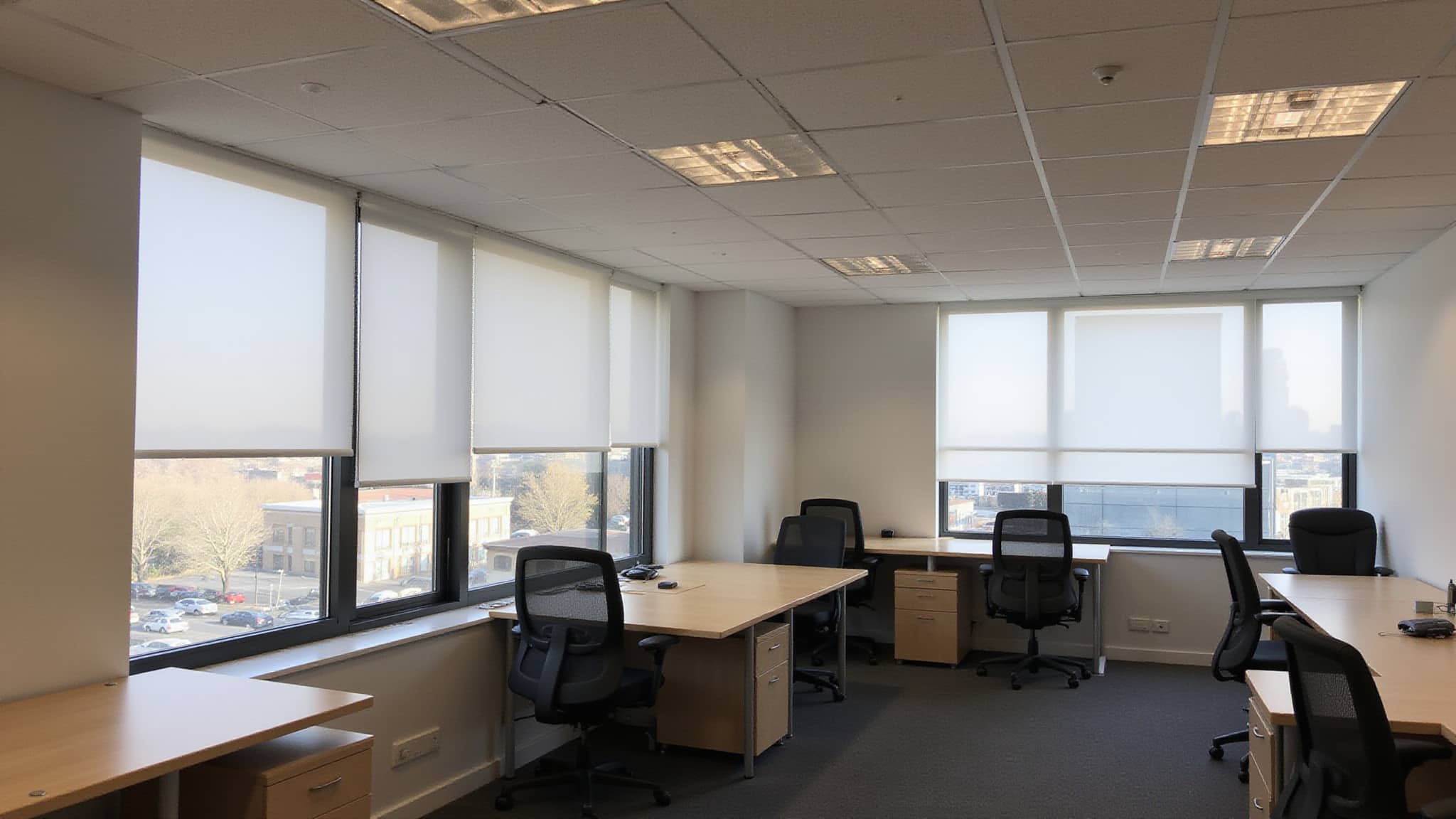
Commercial window film cuts cooling costs by up to 30% without replacing a single pane of glass. By blocking up to 79% of solar heat and rejecting up to 95% of infrared radiation, energy-saving window film reduces the thermal load your HVAC system fights against. That directly lowers window film cooling costs, trimming annual cooling expenses 10% to 35% depending on design and location. With payback periods typically ranging from 8 months to 5 years, you’ll recover your investment fast. Spectrally selective ceramic films push savings toward 30% to 40% while maintaining 70% visible light transmission for occupant comfort.
How does commercial window film work
Commercial window film works by reducing glass surface temperature and blocking infrared energy before it enters your space, addressing heat transfer at the source. Glass looks like a passive barrier, but it’s actually a major conduit for heat transfer into your building. High-performance office window film blocks up to 95% of infrared heat while transmitting 70% of visible light, so you maintain natural illumination without the thermal load.
The film rejects up to 79% of solar heat gain, easing pressure on your HVAC system. Your cooling equipment runs less frequently, cutting cooling costs by 10% to 30%. During peak sunlight hours, you’ll see fewer indoor temperature spikes. In winter, the film’s insulating layer reduces radiant heat escape, keeping heated air inside.
How does window film reduce cooling costs
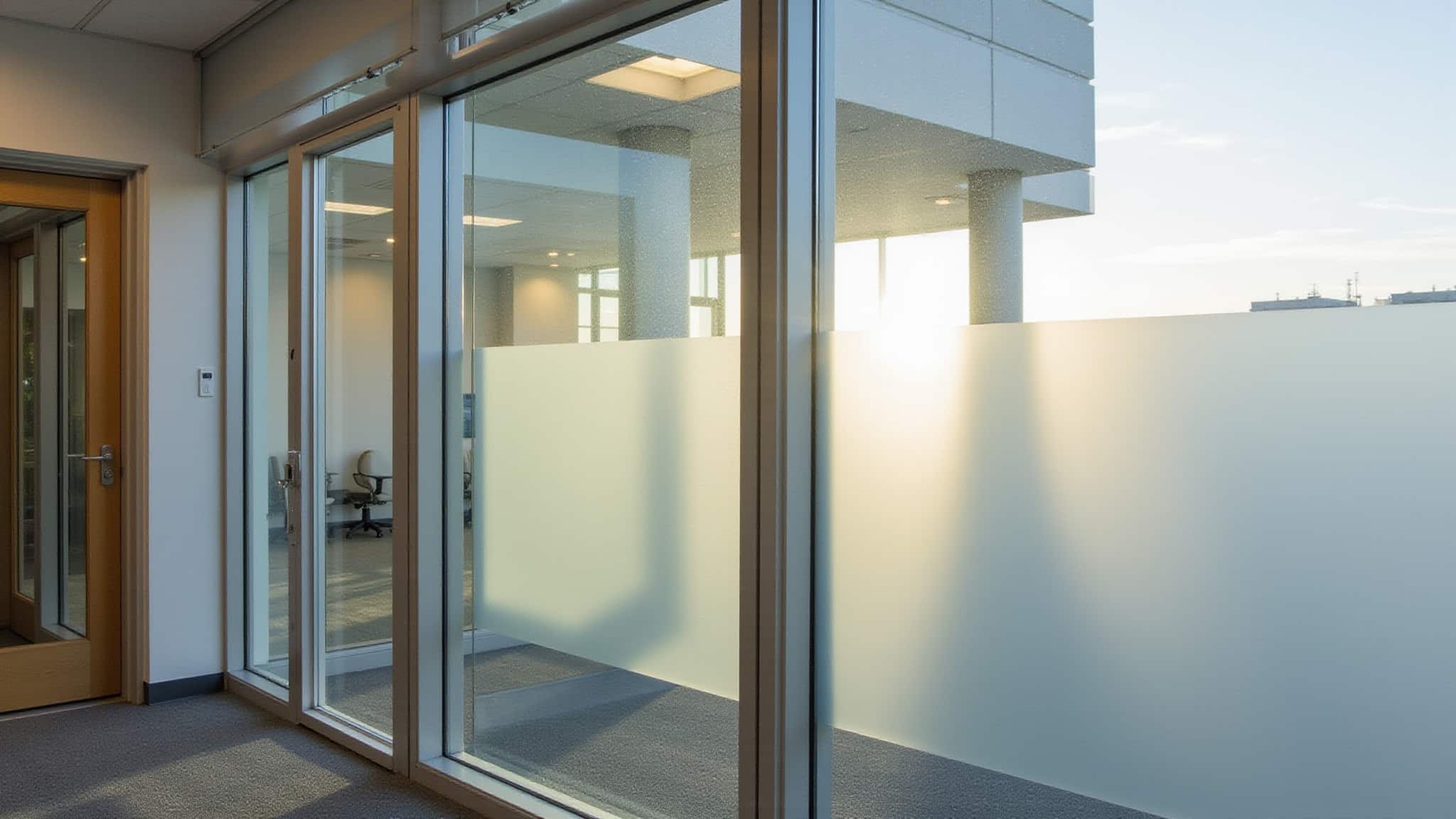
Window film reduces cooling costs by blocking up to 79% of solar heat and rejecting as much as 95% of infrared radiation, stopping heat before it enters your building. Your glass surface temperature drops, indoor temperature spikes flatten during peak sunlight, and your HVAC system cycles less frequently. That reduced cooling load translates directly into savings: expect a 10% to 30% reduction in cooling costs, with spectrally selective ceramic films pushing 30% to 40%. West-facing windows and large glass facades see the biggest gains. With payback periods typically running 2 to 5 years, often under 3 in high-consumption buildings, you’re recovering your investment fast while cutting energy waste every day.
How much can commercial window film save you
Commercial window film can cut your annual cooling costs by 10% to 20% with high-performance films, while spectrally selective ceramic films push savings toward 30% to 40% without sacrificing natural light. Your total energy costs can drop by up to 30%, no glass replacement required.
The real metric that matters is payback period. Here’s what you can expect:
| Film Type | Payback Period |
|---|---|
| Solar control films | 1 to 3 years |
| Spectrally selective films | 8 months to 5 years |
In high-consumption buildings, you’ll often recover your investment in under 3 years. With films lasting 15 to 20 years, that’s a decade or more of pure return after breakeven.
What other benefits does commercial window film offer
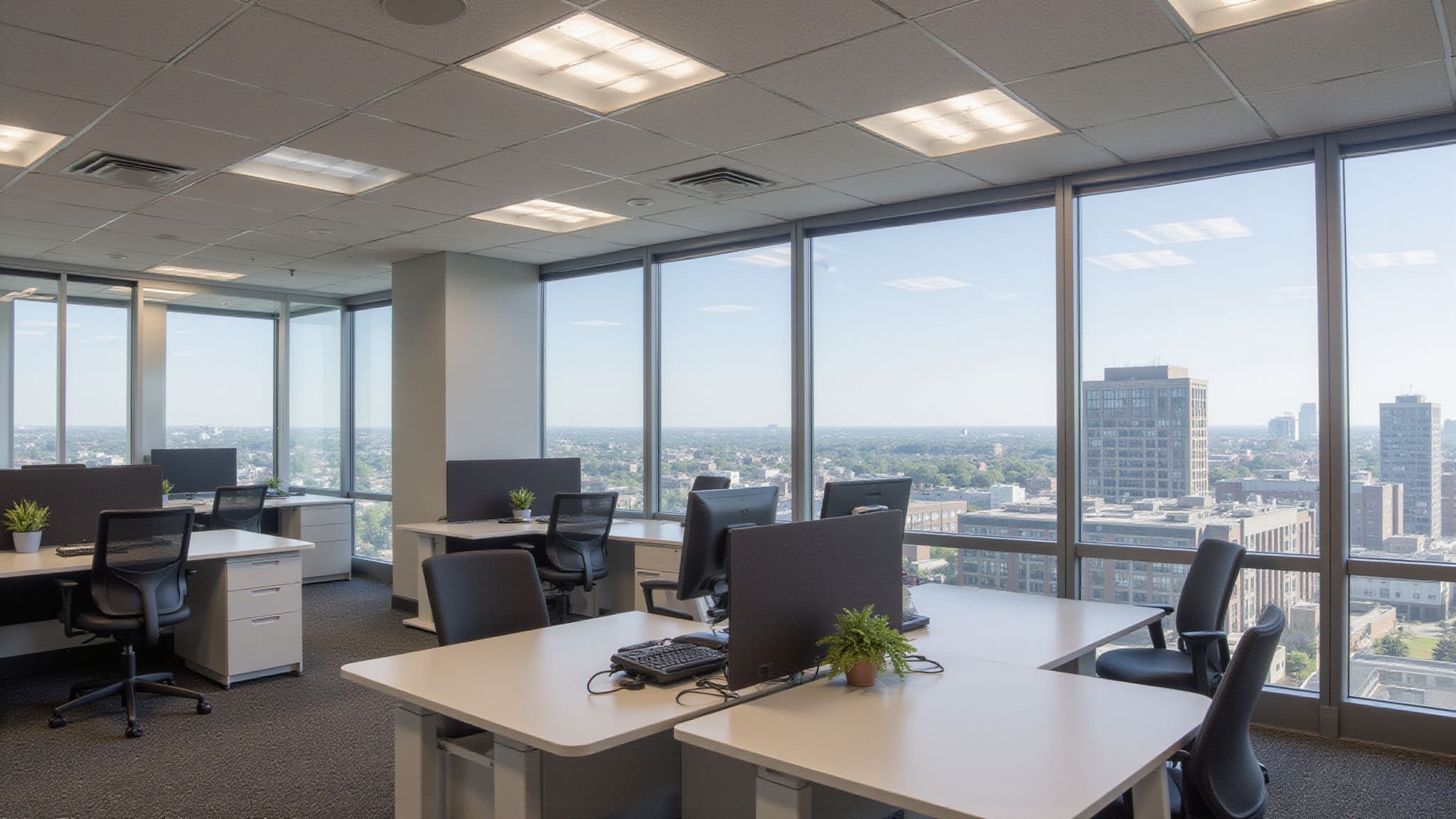
Commercial window film delivers protection and comfort benefits that compound your ROI. You’ll block over 99% of UV radiation, shielding furniture, flooring, and merchandise from fading and extending your interior asset lifespan. High-performance films reject up to 95% of infrared heat, eliminating indoor temperature spikes during peak sunlight and reducing HVAC strain. You’ll cut screen glare by 50% to 80%, up to 90% with premium films, without darkening your workspace, improving employee productivity and comfort. In winter, insulating films reduce radiant heat loss, keeping heated air inside and lowering heating costs. With lifespans of 10 to 20 years and direct application to existing glass, you’ll gain durable performance without structural changes or costly renovations, maximizing every dollar invested.
How do you choose the right commercial window film
Choose the right commercial window film by matching film specifications to your building’s orientation, glazing, and climate. West-facing facades demand aggressive infrared rejection, and daylight-dependent spaces need spectrally selective films that transmit 70% visible light. Evaluate these performance metrics before specifying:
Match film specs to facade orientation, glazing, and climate, because the right numbers deliver measurable cooling savings and lighting efficiency.
- Infrared rejection: Prioritize nano ceramic films rejecting up to 95% of infrared heat for maximum cooling load reduction.
- Solar heat gain: Target films blocking 30% to 80% of solar heat gain to cut cooling costs 10% to 30%.
- Visible light transmission: Balance heat rejection against 70% light transmission to avoid supplemental lighting costs.
- Payback period: Verify documented ROI of 8 months to 5 years against your energy rates and consumption.
Match specifications to measurable savings.
Conclusion: How Window Film Cuts Commercial Cooling Costs
Commercial window film is a cost-effective way to reduce solar heat gain without replacing glass, lowering cooling loads and easing strain on HVAC systems. It also cuts glare and helps protect interiors from fading. Because it installs quickly and pays back through energy savings, film is a practical upgrade for many buildings. For offices looking to trim cooling costs, quality window film delivers a strong return with minimal disruption.
Call Today and Improve Your Workspace Comfort
From glare control to soundproofing to cooling efficiency, the right commercial windows change how your team performs every day. At Innovative Storm Defense serving Jupiter, FL, our skilled team delivers dependable Office Windows designed for Florida’s commercial demands. Call (561) 517-9399 today and upgrade your workspace.
Frequently Asked Questions
How Long Does Commercial Window Film Typically Last?
Quality commercial film often lasts around 10 to 15 years or more, depending on the product, exposure, and installation. Films on intensely sunny facades may age faster. Many carry manufacturer warranties, so it is worth asking about expected lifespan and coverage. Professional installation helps the film reach its full service life.
Can Window Film Be Removed or Replaced Later?
Yes. Film can be removed and replaced as needs change or as it ages. Careful removal avoids leaving adhesive or damaging the glass, so professional removal is usually best. This makes film a flexible, lower-commitment upgrade compared with replacing the glass itself.
Does Window Film Work During Winter Months Too?
Yes. While its main job is cutting summer heat and glare, many low-E films also help retain interior heat in cooler months by reducing heat loss through the glass. So film can support comfort and efficiency year-round, though the biggest savings in a warm climate come from reduced cooling.
How Quickly Can Commercial Window Film Be Installed?
Installation is usually fast, often a day or less for a typical office, with larger buildings taking longer. Because it does not require replacing windows, film causes little disruption to daily operations. The film then needs some time to fully cure, during which it may look slightly hazy.
What Is the Typical Payback Period for Window Film?
Payback depends on energy costs, sun exposure, and the film chosen, but many commercial projects recover the cost through cooling savings within a few years. Buildings with large, sunny glass areas tend to see faster returns. An energy assessment can estimate the payback for a specific building.