

Accordion hurricane shutters slide shut when you pull interlocking aluminum panels along top and bottom tracks. First, disengage every latch, lock, and hold-back clip so the panels move freely. Then, draw one side toward the center using the finger pull or handle. Bring the opposite side across until both center-mate sections meet and overlap in the middle. Finally, secure the closure with locking pins, rods, or latches.
Key Takeaways
- Interlocking aluminum blades fold sideways like an accordion, riding along permanently mounted top and bottom tracks that keep them aligned.
- Before sliding, fully disengage every latch, lock, and hold-back clip so the panels move freely without binding.
- Draw one side toward the center using a finger pull or handle, applying a firm, steady pull.
- Bring the opposite side across until both center-mate sections meet and overlap for continuous coverage.
- Secure the closed shutter with locking pins, rods, or latches operated by key, thumb screw, or push-button.
How do accordion hurricane shutters work

Accordion hurricane shutters work through their interlocking design and dual-track system. Accordion shutters use interlocking aluminum blades or panels that fold sideways like an accordion, riding in top and bottom tracks. Guide wheels or bushings help the panels move along these horizontal tracks without binding.
During operation, the panels stay stacked at one or both sides of the opening when stored. You pull one side toward the center, then bring the opposite side across until the center-mate sections meet and overlap in the middle. This overlap forms a continuous barrier against wind and debris.
The tracks keep everything aligned as you slide the shutter shut, ensuring smooth, reliable closure every time.
What are accordion hurricane shutters made of
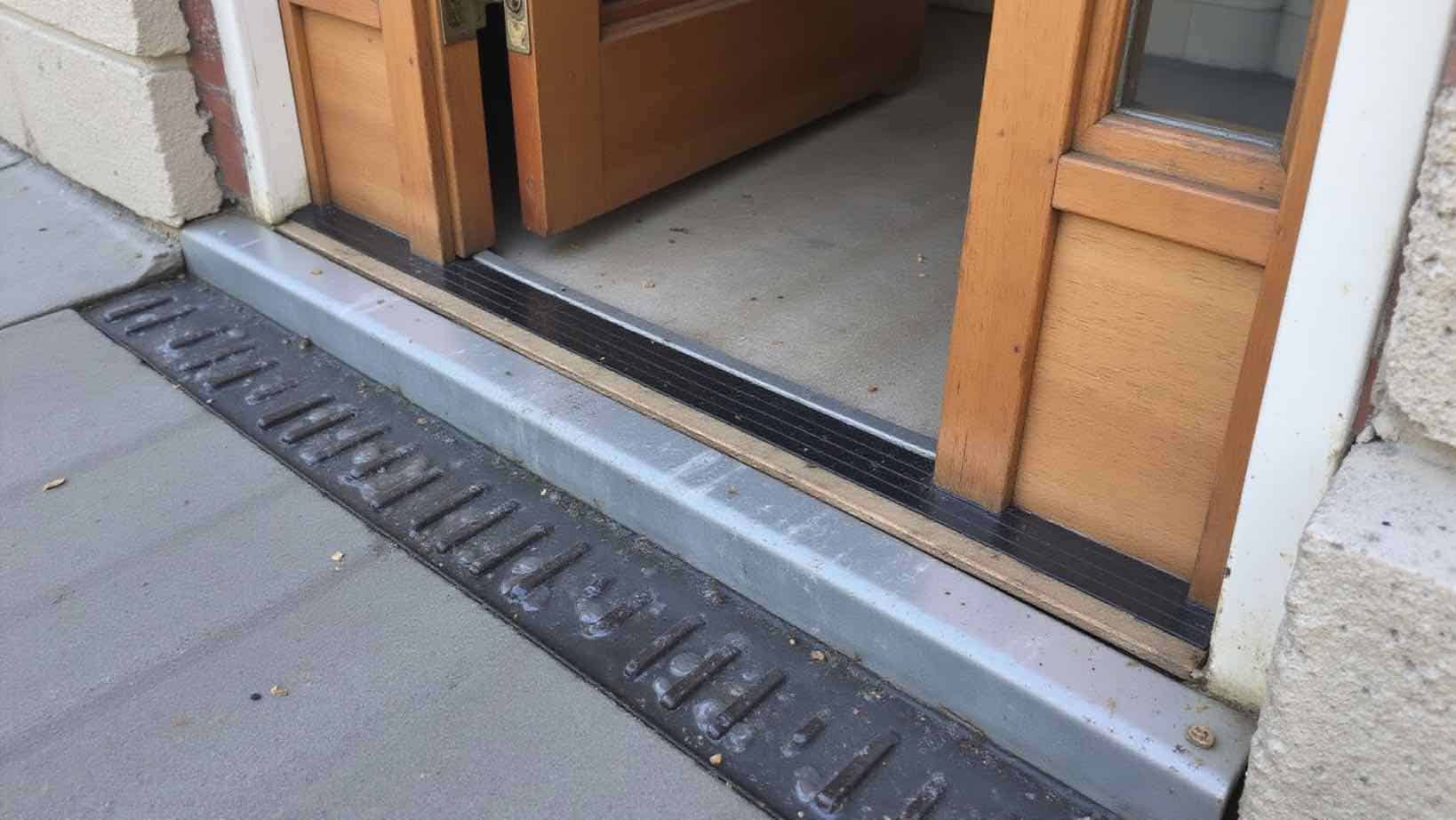
Accordion hurricane shutters are made of aluminum, the most commonly used material for these systems. You’ll find interlocking aluminum blades or panels that fold sideways and ride within top and bottom tracks. These tracks, also aluminum, mount permanently above and below your windows, doors, and other openings. Guide wheels or bushings let the panels slide smoothly along the horizontal tracks, and center-mate sections overlap in the middle to form a continuous barrier.
Aluminum’s strength and corrosion resistance make it ideal for hurricane protection, standing up to wind pressure and flying debris. The interlocking blade design creates a solid, unbroken cover after you’ve closed and locked the shutter. You’ll also rely on locking pins, rods, or latches to keep everything secure.
How do you open and close accordion shutters
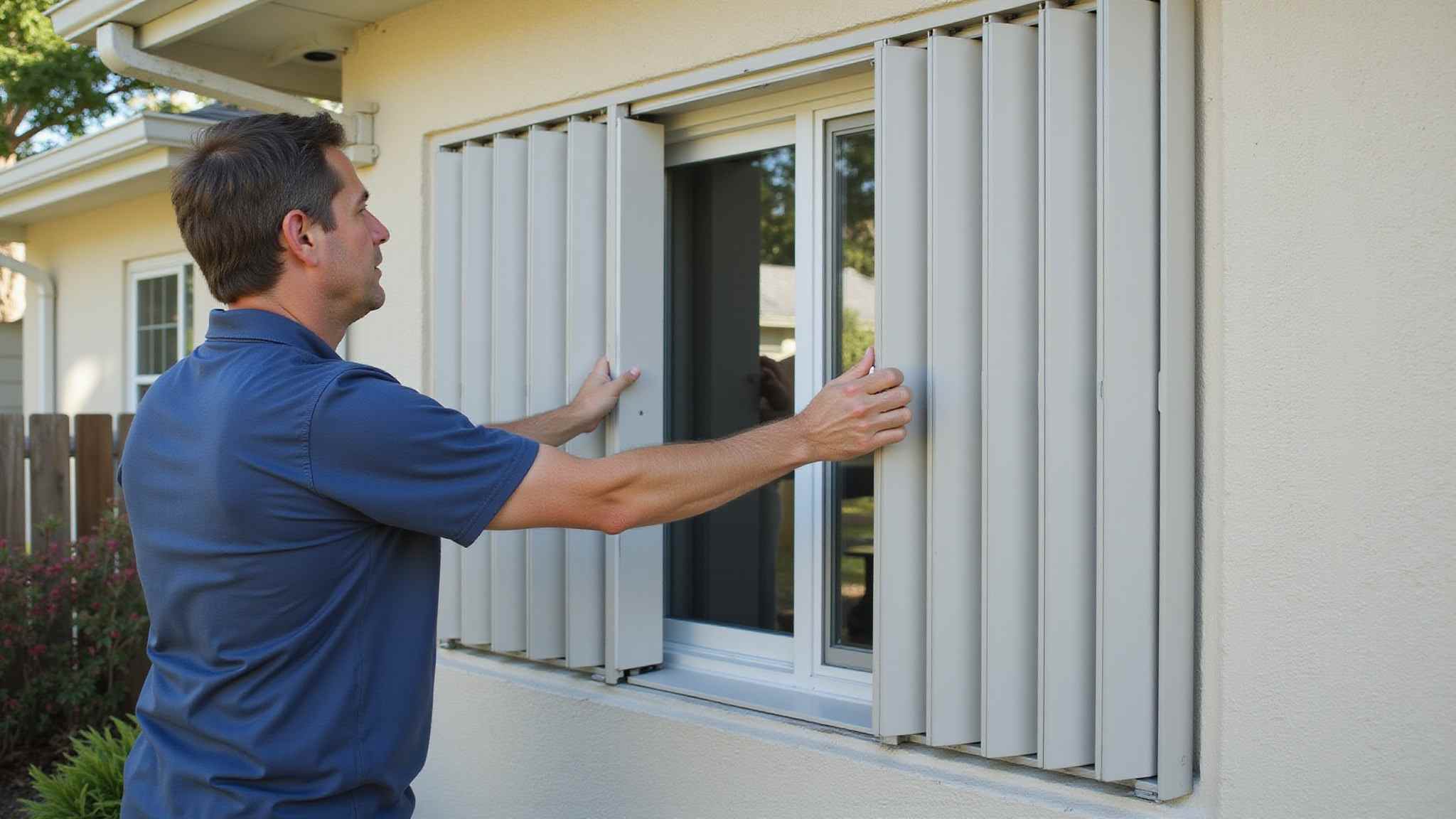
To open and close accordion shutters, release them from their stored or locked position so the panels move freely across the opening, confirming that every latch, lock, and hold-back clip is fully disengaged, otherwise the panels will bind against the tracks.
Always confirm every latch, lock, and hold-back clip is fully disengaged before moving the panels, or they’ll bind against the tracks.
- Pull each side from the middle using the finger pull or handle, not the bottom edge, to reduce strain and misalignment.
- Draw one side toward the center, then bring the opposite side across until both center-mates meet and overlap.
- Hold the shutter firmly with a steady pull to keep the panels aligned as they compress together.
- To open, disengage the locks completely, then slide the panels back toward their stored position at the sides.
What are the pros and cons of accordion hurricane shutters
Accordion shutters offer homeowners quick deployment, manual operation, and a strong protective barrier, but they also come with visible tracks, maintenance needs, and effort to close. They mount permanently in top and bottom tracks, so you deploy them quickly without hauling panels or hardware. Most models operate manually, needing no electricity or motor. The interlocking aluminum blades form a continuous barrier against wind and debris, and you lock them with a key, thumb screw, or push-button mechanism for secure closure.
However, you’ll face drawbacks too. Tracks stay visible on your walls year-round, affecting appearance. Debris buildup or misalignment can interfere with smooth sliding and reliable locking, so you’ll need regular maintenance. Panels require a firm, steady pull to close properly. You must also check locks, rods, and pins consistently to guarantee dependable protection.
How do accordion shutters compare to other shutter types

Accordion shutters differ from other storm protection options through their permanent track-mounted design, which sets them apart from panel and removable systems. You don’t remove or store panels separately. They stay ready in side stacks for quick manual deployment.
| Feature | Accordion Shutters | Removable Panel Shutters |
|---|---|---|
| Storage | Stays on opening | Requires separate storage |
| Deployment | Slide from center | Bolt each panel |
| Operation | Manual, no tools | Tools often needed |
| Material | Aluminum blades | Aluminum or polycarbonate |
| Locking | Pins, rods, key locks | Wing nuts, bolts |
You’ll notice accordion systems deploy faster because you simply pull the interlocking blades across their tracks and lock the center-mates. Removable panels demand more labor, handling, and setup time before each storm arrives.
How much do accordion hurricane shutters cost to install
Accordion hurricane shutters cost varies based on opening size, panel material, and the complexity of your track layout. Because most accordion systems use aluminum blades and permanently mounted top and bottom tracks, installation labor factors heavily into your total expense. Larger openings require more panels and longer tracks, increasing both material and mounting time.
- Opening dimensions: wider and taller windows or doors demand more panels and extended track runs.
- Material grade: heavier-gauge aluminum blades cost more but improve wind resistance.
- Locking hardware: key locks, pins, and rods add to the price.
- Installation complexity: precise alignment and multiple openings raise labor charges.
Confirm quotes include full alignment testing.
How do you choose accordion shutters for your home
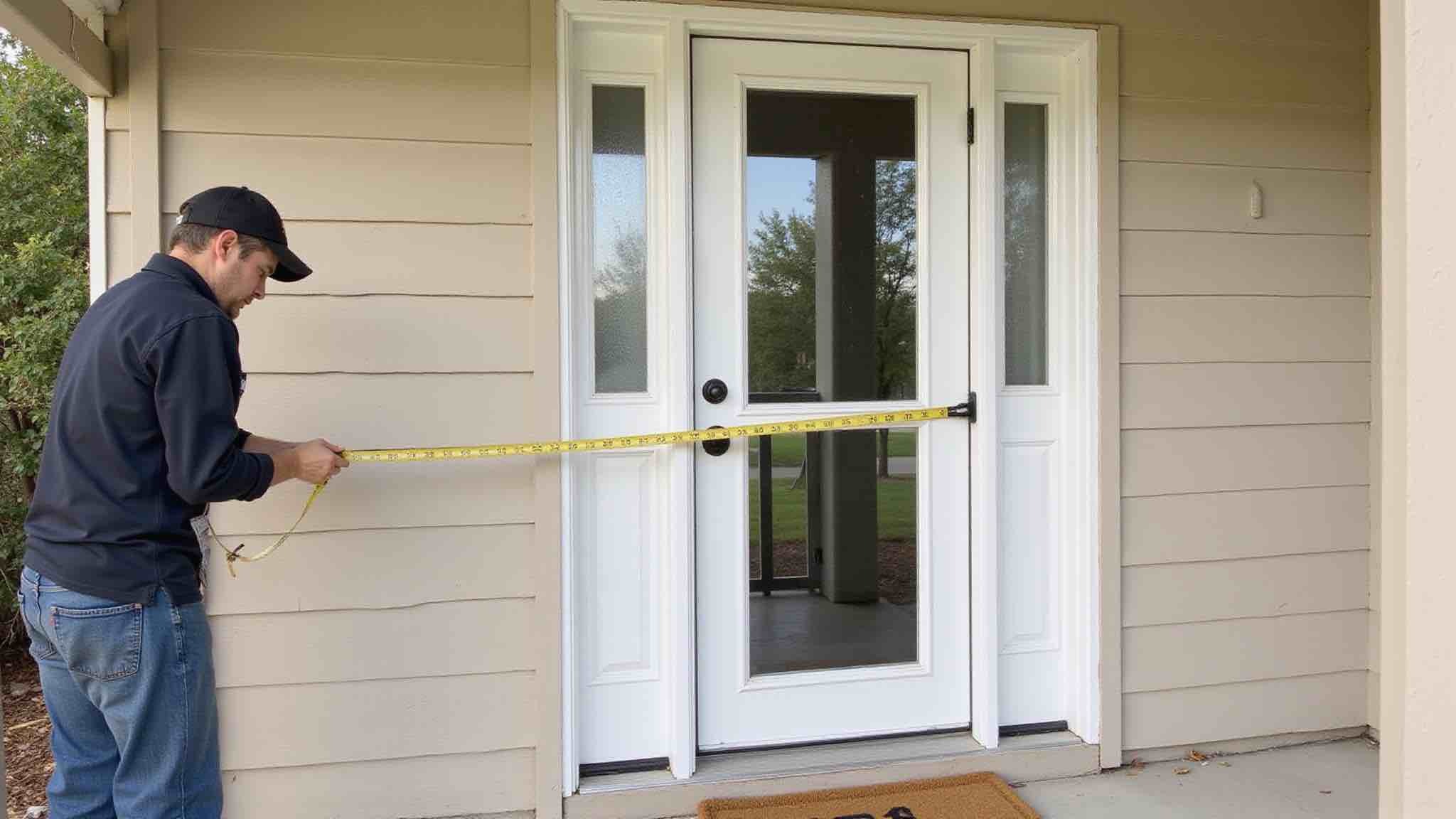
Choose accordion shutters by evaluating each opening’s dimensions, the aluminum blade gauge, and the track layout you’ll need for reliable deployment. Measure every window and door precisely so the panels slide and lock correctly. Decide whether center-mate sections should meet in the middle or stack at one side, based on where you’ll stand to pull them shut. Confirm the top and bottom tracks can mount securely above and below each opening. Choose a locking method, key lock, thumb screw, push-button, or turnstile, that fits your access needs. Verify the panels store on the sides for quick deployment without blocking egress. Select a manual system if you want operation without electricity. Prioritize aluminum construction and proper alignment, since both determine smooth sliding and secure closure during storms.
Shield Every Opening With Accordion Shutters
Accordion shutters deploy in minutes and lock down tight the moment a storm rolls in. The team at Innovative Storm Defense in Greenacres, FL fits and installs hurricane shutters sized precisely to your windows and doors, and can pair them with impact windows or impact doors for round-the-clock defense. Ready to storm-proof your openings before the next watch? Call (561) 517-9399 or request your free estimate.
Frequently Asked Questions
How Do You Maintain and Clean Accordion Shutter Tracks?
Keep your tracks clear of debris so the panels slide freely without obstruction. Regularly inspect the top and bottom tracks, removing dirt, leaves, and buildup that can cause binding or misalignment. Check your locks, rods, and pins to confirm they’re engaging properly. If you notice sticking, clean out the guide wheels and bushings. Maintaining clean, aligned tracks helps the shutter close smoothly and lock securely before a storm arrives.
Can Accordion Shutters Be Locked From Both Inside and Outside?
Yes, you can lock accordion shutters from both inside and outside, depending on the locking mechanism installed. You’ll use a key lock for exterior access, letting you secure the shutter when leaving the property. Inside, you’ll engage thumb screws, push-button locks, or turnstile-style locks for quick operation. Some systems add vertical locking pins or rods that slide into the tracks. Always check that you’ve fully engaged the lock before the storm arrives.
How Long Do Accordion Hurricane Shutters Typically Last?
Accordion hurricane shutters are built to last, using aluminum blades and permanently mounted tracks designed for repeated manual deployment, and a well-maintained system can protect your home for decades. To maximize their service life, keep the tracks clear of debris, check locks, rods, and pins regularly, and maintain proper alignment. Debris buildup or misalignment interferes with smooth movement and can shorten reliable performance over time.
Do Accordion Shutters Require Professional Installation or Permits?
In most cases, yes. Most Florida jurisdictions require a permit for hurricane shutters, so check with your municipality before you begin. Professional installation is strongly recommended to make sure the tracks are mounted correctly above and below your openings. Proper alignment lets the panels slide smoothly and lock securely, so accurate mounting matters. Confirm code compliance before you install anything.
Can Accordion Shutters Be Repaired if a Panel Gets Damaged?
You can repair accordion shutters when a panel gets damaged, though the fix depends on the extent. First, inspect the interlocking blades, guide wheels, and tracks for bending or breakage. You’ll often replace individual aluminum panels rather than the whole system, since they’re designed to interlock. Check that the tracks stay clear and aligned so replacement panels slide smoothly. Test the locks and pins afterward to confirm secure, reliable closure.