
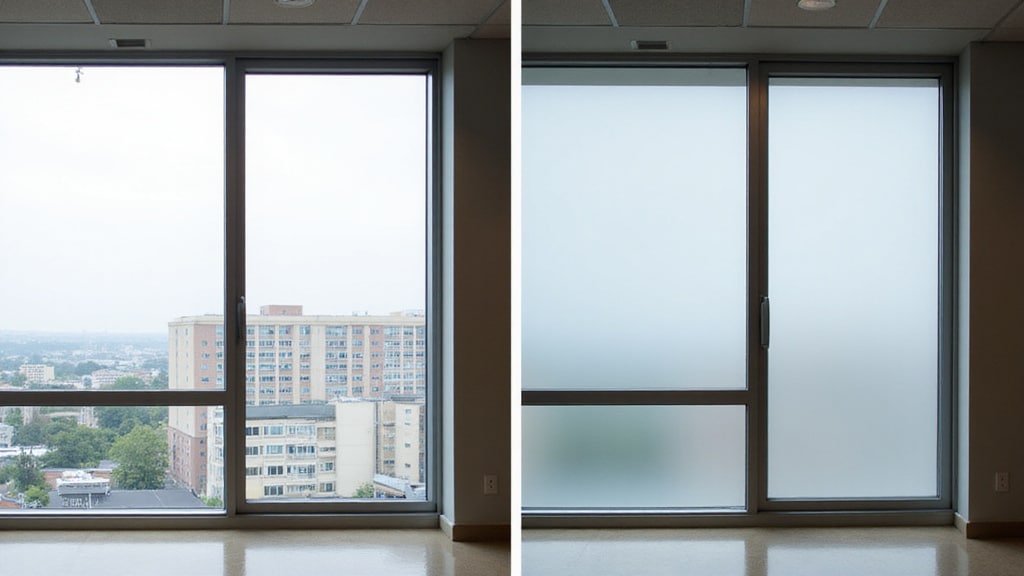
In Florida’s coastal climate, you can expect impact windows to last 20 to 30 years, though salt air, UV exposure, and installation quality shift that range dramatically. Choose fiberglass frames and you’ll push toward 40 years; lower-end vinyl may fail in 15. Salt corrodes hardware, hardens weatherstripping, and breaks down coatings faster than inland conditions. Proper installation within 300 feet of saltwater matters most. Below, you’ll discover what truly determines your windows’ longevity.
How Long Do Impact Windows Really Last in Florida?
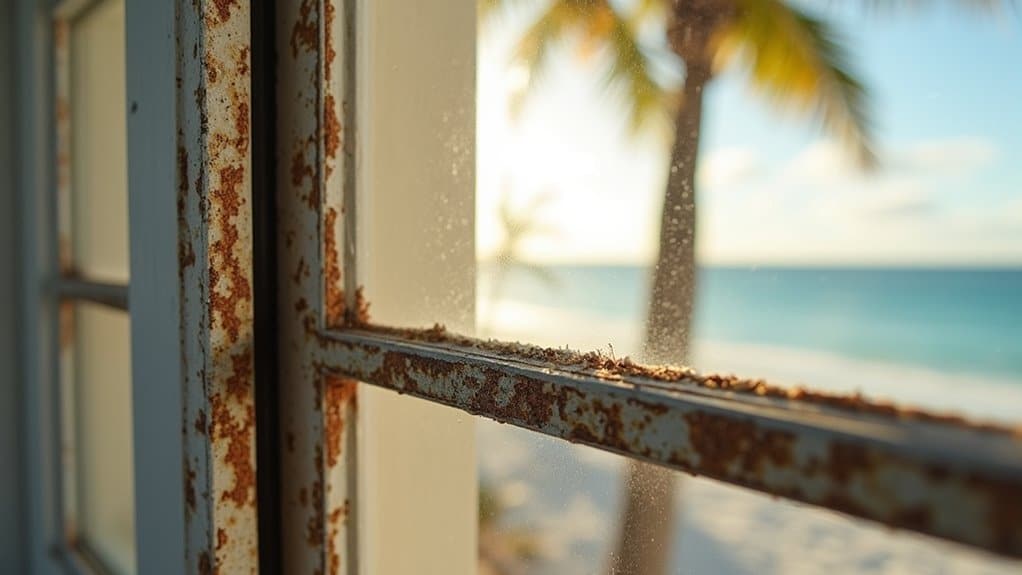
How long your impact windows last in Florida comes down to a handful of factors you can actually control, but the realistic range is 20 to 30 years for most properly installed units. When asking how long do impact windows last, you’ll find some products reach 40+ years under favorable conditions, while lower-end Florida estimates land around 15 to 20 years. Your impact windows lifespan depends heavily on frame material: vinyl typically runs 15 to 25 years, aluminum 20 to 30, and fiberglass 20 to 40 as a premium option. Installation quality matters just as much. Professionally installed windows consistently hit the higher end, while poor workmanship shortens lifespan even on top-tier products. Proximity to the coast increases wear due to salt air exposure, so regular rinsing can help mitigate damage and extend your windows’ life. No single number fits every window, brand, material, and condition all shape the outcome.
Why Salt Air and UV Shorten Impact Window Lifespan
Two coastal forces do most of the damage to your impact windows, and neither one touches the glass first. Salt air corrosion windows face daily settles on frames, fasteners, tracks, and hardware, accelerating metal breakdown. Aluminum pits, and hinges, locks, rollers, and operators stop moving smoothly. Salt also works into cracks, hardening weatherstripping before you see failure, PVC can harden in 5, 7 years, while EPDM and silicone last 10, 15. Choosing corrosion-resistant hurricane windows helps slow this process in coastal homes.
UV stress compounds the problem. Strong Florida sun breaks down coatings, fades finishes, and strips away protective barriers that normally slow corrosion. Sealants lose flexibility, and repeated thermal expansion stresses joints and adhesives. Together, heat, humidity, and salt attack the moving parts and seal interfaces first, which is exactly where your impact window durability gets tested. High humidity can also cause wooden frames to warp, compromising seals and allowing drafts and moisture into your home.
Which Impact Window Frames Hold Up Best on the Coast?
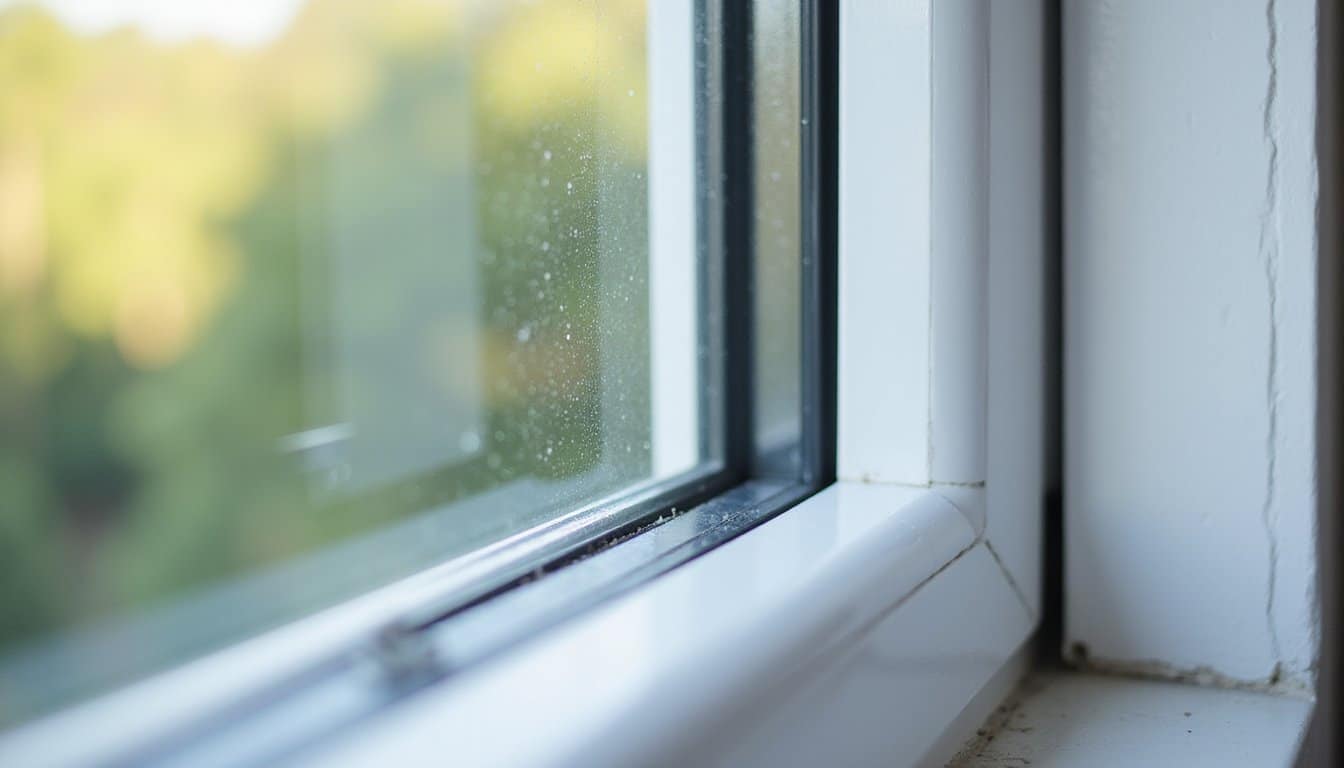
When you’re choosing a frame for salt-air exposure, the material decides how much corrosion management you’ll face over the next twenty-five to thirty-five years.
- Fiberglass leads for all-around coastal resilience. It won’t corrode like metal, resists moisture, supports heavy laminated glass, and delivers strong thermal performance, minimizing impact window maintenance over its hurricane window service life. Pairing a durable frame with energy-efficient Low-E glass coatings and argon gas filling further enhances long-term thermal performance.
- Aluminum offers the strongest structural rigidity for large spans and high wind loads, but it requires protective coatings to slow salt-air corrosion.
- Reinforced vinyl resists corrosion, won’t rust, and needs only periodic cleaning, though it’s less rigid, best for smaller or moderate openings.
How Installation Quality Makes or Breaks Your Windows
Even the best fiberglass frame and laminated glass can’t protect your home if the installation fails, because water finds every gap a careless crew leaves behind. Proper flashing follows a shingle-style layering method so water drains outward, not behind the assembly. Within 300 feet of saltwater, you need stainless steel connectors and corrosion-resistant flashing to slow hurricane window aging and reduce future impact window hardware replacement.
| Detail | Requirement | Purpose |
|---|---|---|
| Pan flashing | Up jamb 6″, over wall 2″ | Manages drainage |
| Fasteners | Stainless within 300 ft | Resists corrosion |
| Sealing | Low-expansion foam | Prevents distortion |
Keep drainage paths clear so trapped water exits. Pull permits, match wind-zone specs, and hire certified installers who follow manufacturer instructions, your warranty and storm performance depend on it.
When to Replace Impact Windows Before They Fail
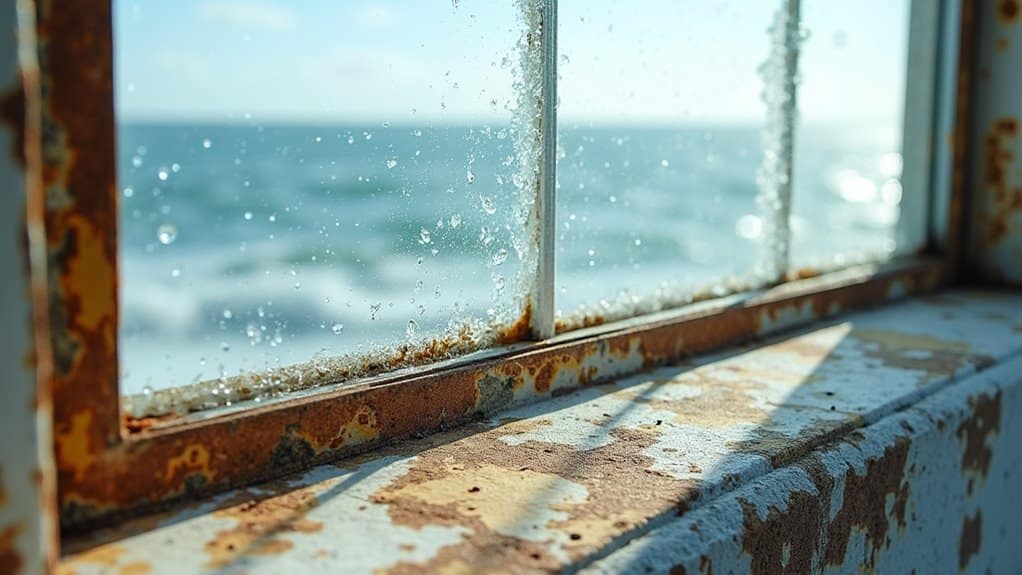
A flawless installation buys you decades, but every impact window eventually reaches the point where repairs stop restoring real protection. Base your decision on performance decline, not age alone. Salt air, humidity, sun, and storm cycles push coastal windows toward earlier failure than inland units, even with identical products. Watch for these triggers:
- Hardware wear (10, 20 years): Difficulty opening, corrosion, or repeated multi-point lock failures signal aging beyond simple service.
- Seal breakdown (20, 25 years): Fogging between panes, drafts, water intrusion, or laminated glass delamination at the perimeter means your weather barrier’s compromised.
- Structural decline (30+ years): Flexing during high winds or outdated pressure ratings demand evaluation.
Replace when an impact window warranty no longer covers recurring problems and maintenance can’t restore reliable protection.
Protect Your Florida Home With Premium Storm Windows
Florida storms don’t give warnings, and the right impact windows can be the difference between safety and serious damage. At Innovative Storm Defense serving West Palm Beach, FL, our experienced team provides trusted Storm Windows with premium quality, expert installation, and a lifetime guarantee. Call (561) 517-9399 today and protect your home for years to come.
Frequently Asked Questions
Can I Replace Just the Glass Without Replacing the Entire Window Frame?
Yes, you can replace just the glass when your frame’s still structurally sound. If the laminated unit shows edge delamination, fogging, or cracking but your frame isn’t warped, corroded, or poorly anchored, you’ll order replacement glass separately. It must match your original size, thickness, design pressure, and impact rating. Manufacturers like PGT, CGI, and Andersen supply compatible units. Have a qualified installer confirm the frame’s condition before you commit.
How Often Should Impact Window Hardware Like Springs and Locks Be Serviced?
You should service your impact window hardware, balance springs, hinges, and multi-point locks, every 10 to 15 years, but inspect them annually. Lubricate handles, locks, and moving parts each year, and check for corrosion, sticking, or spring fatigue. If you’re near the beach, service more frequently since salt air speeds corrosion on exposed metal. Rinse off salt residue regularly, and you’ll catch rust, loose locks, or alignment problems before they worsen.
Do Manufacturer Warranties Cover Salt-Air Corrosion or Interlayer Delamination?
It depends on your specific warranty language. Salt-air corrosion is often excluded or only partially covered, since manufacturers treat it as environmental wear, and some coastal installations near saltwater face outright exclusions. Interlayer delamination‘s usually covered better, especially when it’s tied to a manufacturing defect rather than storm damage or poor maintenance. Check your documents for coastal zones, saltwater distance limits, and corrosion carve-outs. Keep maintenance records to support any claim.
How Much Does Resealing Perimeter Caulk Cost on Coastal Homes?
You won’t find a fixed market price for this, it’s always a contractor-specific quote. Your cost depends mainly on window count, total linear footage, access difficulty, and sealant quality. Expect to pay more when old caulk’s brittle and needs full removal, surfaces require cleaning, or gaps need repair first. Upper-story openings and hard-to-reach elevations add labor too. Coastal homes also benefit from higher-performance, UV- and moisture-resistant exterior sealants, which raise material costs.
Does Documented Maintenance Help With Wind Mitigation Inspections and Insurance Discounts?
Yes, documented maintenance helps. When you keep installation records, product approvals, repair invoices, inspection reports, and dated photos showing intact seals and frames, you support the inspection narrative that your impact windows stay operable and well preserved. That evidence distinguishes your system from one showing cracked caulk, rust, or failed hardware. Keep in mind, though, your discount still depends on qualifying impact-rated protection and the wind-mitigation results, not maintenance alone.