
If your home sits in Florida’s Wind-Borne Debris Region, you’ll need an impact-rated entry door that meets the Florida Building Code. In Miami-Dade or Broward, that means HVHZ compliance with a Miami-Dade NOA or Florida Product Approval, plus passing TAS 201, 202, and 203 tests. Outside the HVHZ, Florida Product Approval works, though local amendments may apply. Hardware and installation matter too. Below, you’ll find exactly what your county requires.
Do You Actually Need an Impact-Rated Door?
Whether you actually need an impact-rated entry door depends entirely on where your home sits and which protection method you choose. Florida has no statewide mandate forcing impact-rated entry doors on every home. Instead, the code targets opening protection, which you can satisfy through impact-rated systems or approved shutters.
Location drives the requirement. If your home falls within a Wind-Borne Debris Region, coastal areas where basic wind speed reaches at least 130 mph or within one mile of mean high water, you’ll need protected exterior openings, including doors. Miami-Dade and Broward sit in the High-Velocity Hurricane Zone, where stricter rules apply. Coastal and inland WBDRs also extend across most of Palm Beach, Collier, Lee, and Sarasota Counties.
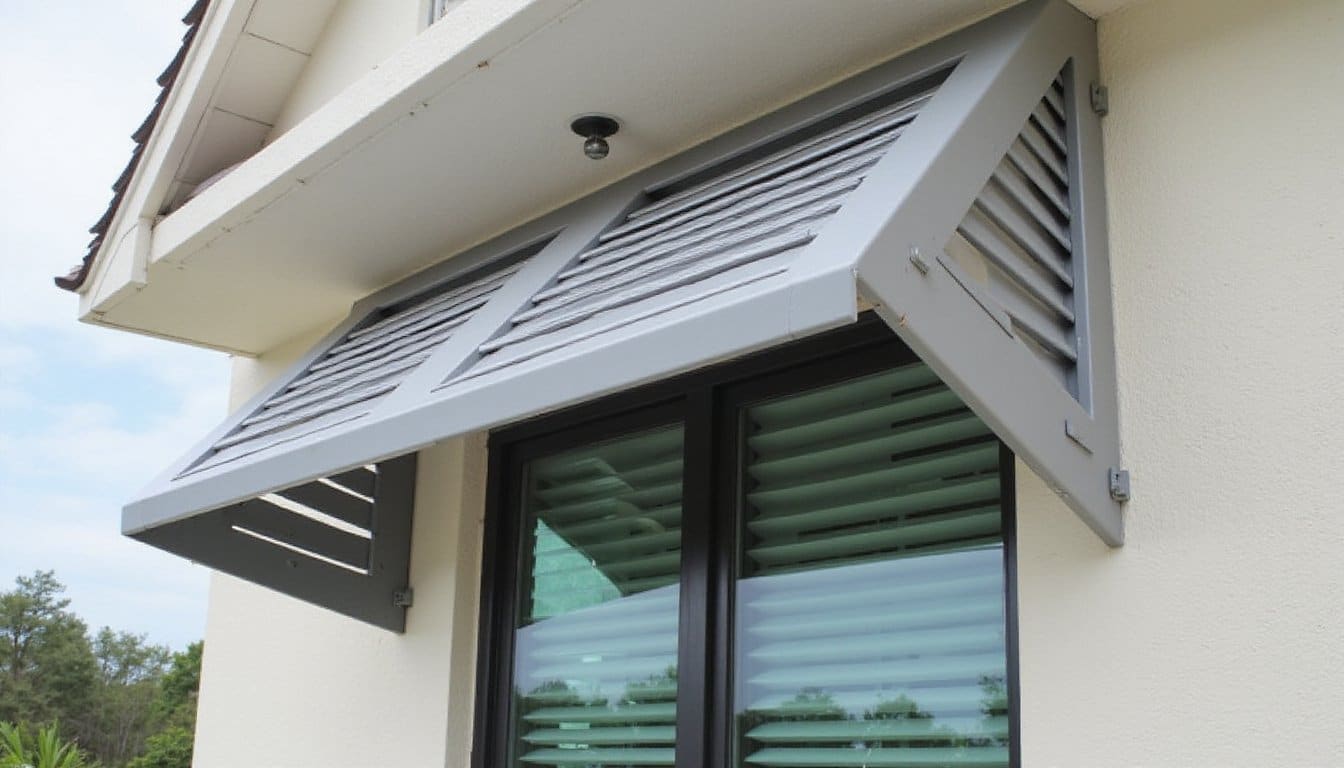
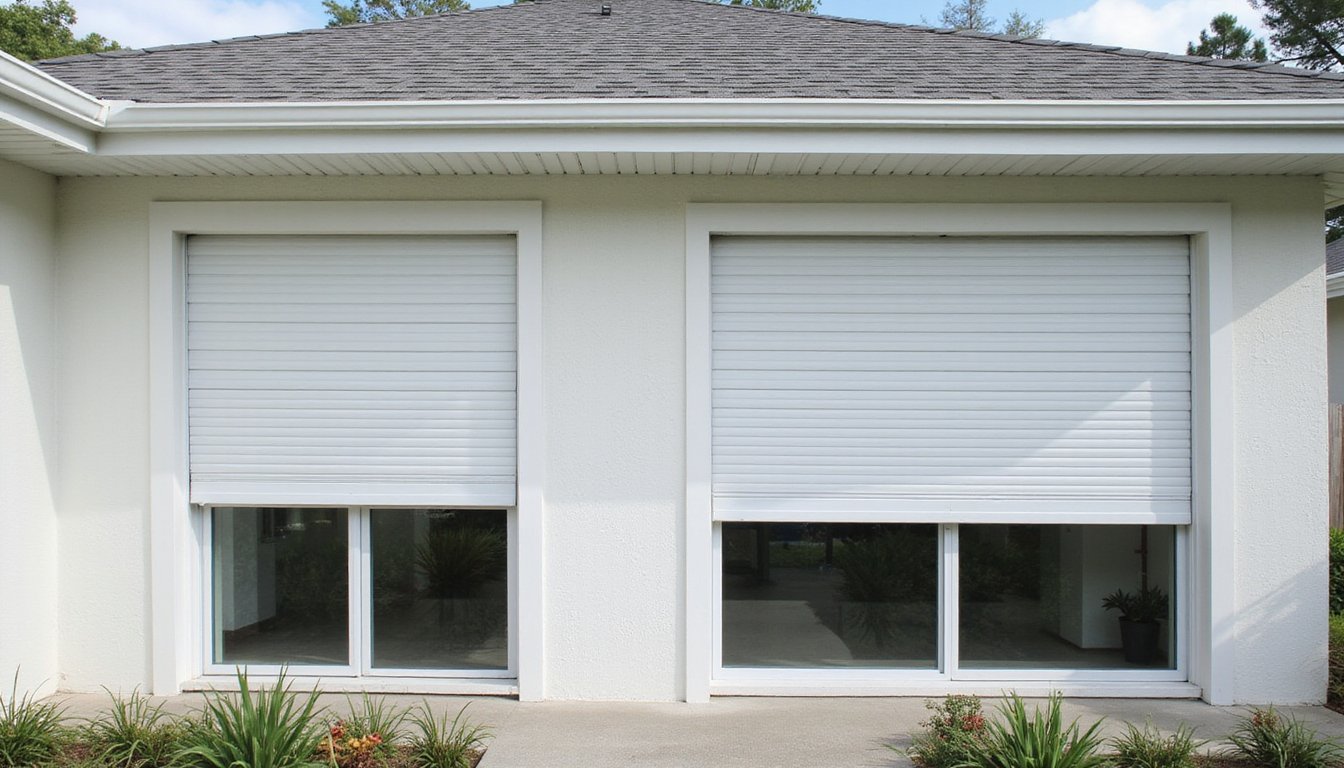
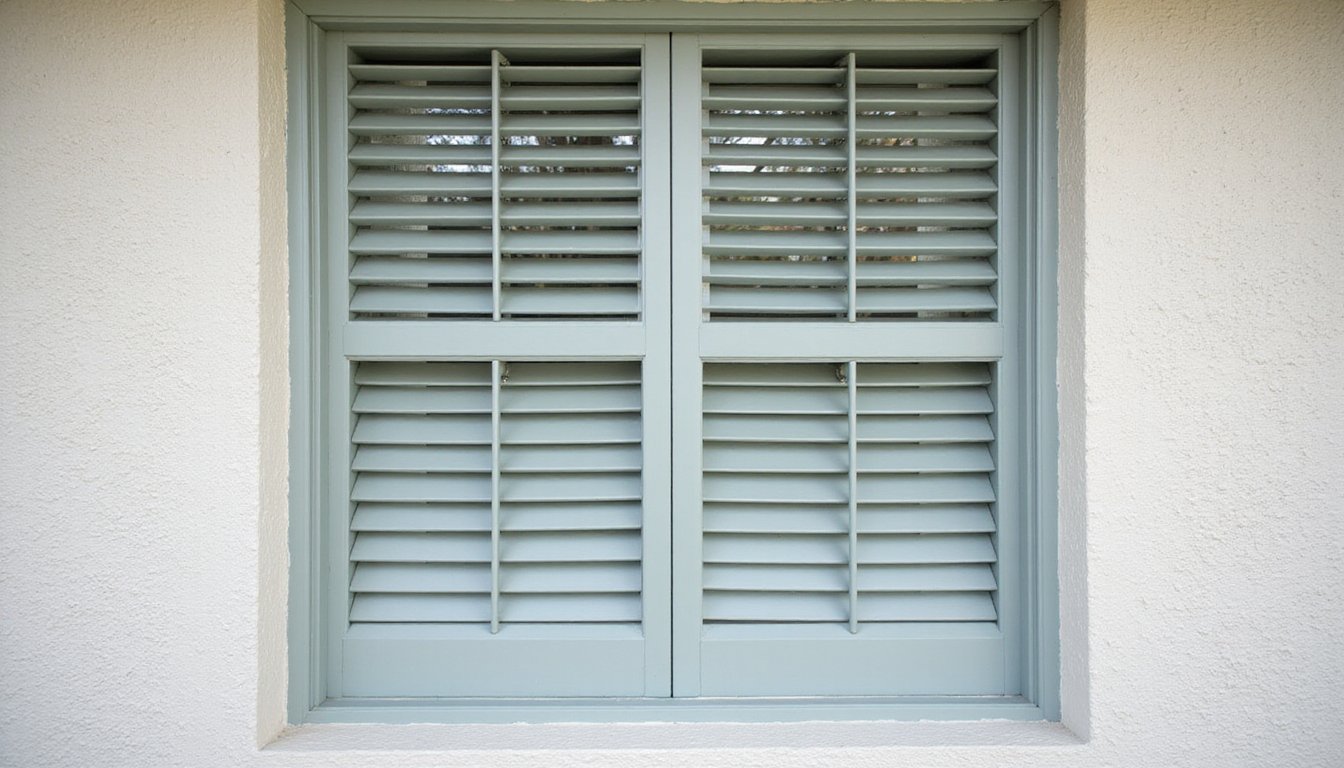
You can substitute code-approved shutters carrying Florida Product Approval or Miami-Dade NOA. But if you’d rather skip deployment, impact-rated doors deliver permanent compliance.
What HVHZ Rules Mean for Your County
If your address falls in Miami-Dade or Broward, you’re in the HVHZ, and your entry door needs an approval that explicitly covers HVHZ use, either a Miami-Dade NOA or a Florida Product Approval carrying the HVHZ designation. The HVHZ is formally defined in the Florida Building Code, Part II, Chapter 2, Section 202. Outside those two counties, you’re non-HVHZ under the code definition, but a coastal location can still trigger wind-borne debris region requirements that demand large-missile impact resistance. Confirm your county designation first, because it dictates both the approval pathway and the testing your door must satisfy.
Counties Inside HVHZ
Because HVHZ is a Florida Building Code designation rather than a regional guideline, your county location alone determines whether it applies. Only Miami-Dade and Broward counties fall inside the HVHZ. If you live in either county, your entire property sits under HVHZ rules, no matter how far inland you are.
This designation directly affects which hurricane rated entry doors you can legally install. HVHZ counties require products that pass missile-impact testing and carry stringent approval, with the Miami-Dade Notice of Acceptance recognized as the most demanding pathway. Your door, frame, hardware, and installation method must all meet these assembly-specific standards. These standards exist because HVHZ designs must withstand wind speeds of 175 mph in Miami-Dade and 170 mph in Broward, far exceeding standard coastal zones.
Outside Miami-Dade and Broward, Florida counties are generally treated as non-HVHZ, though some still fall within wind-borne debris or coastal wind regions requiring impact protection.
Required Approval Pathways
Once you know your county’s HVHZ status, you’ll need to match your door to the correct approval pathway before a building department will issue a permit. Your hurricane front door must carry documentation proving it meets the testing standards for your specific location.
- Statewide Florida Product Approval works in non-HVHZ jurisdictions, but local amendments may add stricter requirements.
- Miami-Dade NOA is the most transferable pathway, accepted throughout Florida, including Broward, for HVHZ-level compliance.
- Broward County Product Approval is valid in Broward only, using TAS or ASTM protocols during testing.
- HVHZ verification at plan review confirms the door’s approval before permit issuance.
Match your permit package to the code path your jurisdiction uses, especially where high-wind requirements apply.
Wind-Borne Debris Triggers
Whether your county sits inside the HVHZ or not, the wind-borne debris region (WBDR) is what determines if opening protection becomes mandatory for your entry door. The standard triggers include areas within 1 mile of the coastal mean high-water line where the ultimate design wind speed is 130 mph or greater, plus areas where that speed reaches 140 mph or greater even farther inland. Earlier code editions described 120 mph coastal zones and 110 mph within 1 mile, so verify against the current FBC edition. If your home falls within the WBDR, your hurricane proof front door must meet impact resistance or sit behind an approved opening-protection system. Coverage isn’t always countywide, coastal strips often trigger the rule, so county-by-county verification remains necessary outside HVHZ counties.
NOA or Florida Approval: Which You Need
When you permit a hurricane-rated entry door in Florida, you’ll need one of two approvals: a Miami-Dade Notice of Acceptance (NOA) or a Florida Product Approval. Both cover the entire door assembly, slab, frame, glass, hardware, and anchorage, not just one component. Which one applies depends on your jurisdiction and permit process. When you’re sorting NOA or Florida approval: which you need for impact doors Florida buyers rely on, match the approval to your exact model and installation conditions.
Match your approval to the exact door model and installation conditions, jurisdiction decides whether you need an NOA or Florida Product Approval.
- HVHZ areas: Miami-Dade NOA is often required or treated as the benchmark.
- Statewide projects: Florida Product Approval, tied to an FL number, works when local officials accept it.
- Verification: Confirm a current NOA number or FL number in the state database.
- Documentation: Check anchors, fasteners, spacing, and substrate limits.
The Impact Tests Your Door Must Pass
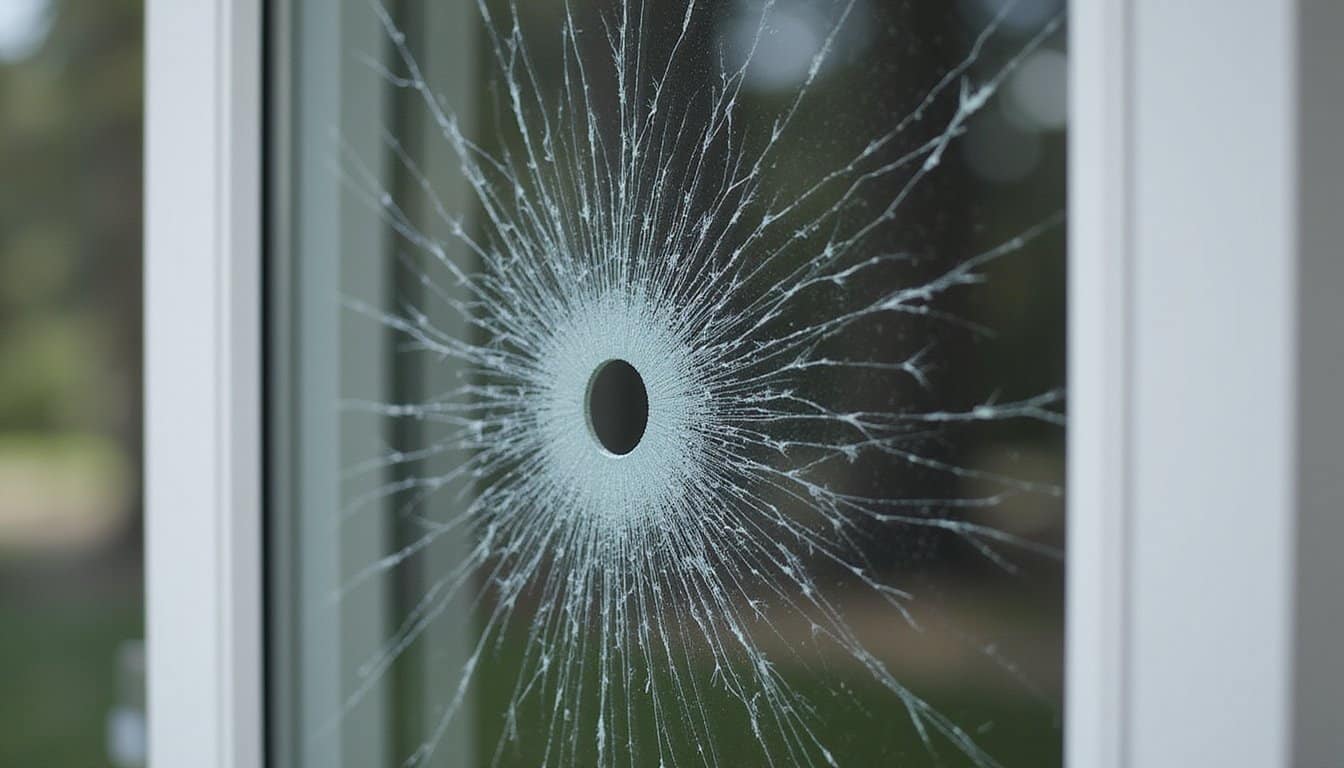
When you specify a hurricane-rated entry door in Florida, the impact tests it must pass depend on your code pathway and zone. HVHZ testing standards impose the strictest requirements, demanding large missile impact resistance followed by 9,000 cyclic pressure loads with zero water and air infiltration. Florida approval pathways determine which protocols apply, so you’ll need to match the door’s test results to your jurisdiction’s adopted standard before permitting.
HVHZ Testing Standards
Every hurricane-rated door sold for Florida’s High Velocity Hurricane Zone has to pass a fixed test sequence before it earns a Miami-Dade Product Approval. Your hurricane fiberglass door runs through three protocols that work together:
- TAS 201, large missile impact, firing a 9-pound 2×4 lumber missile end-on at 34 mph to simulate windborne debris.
- TAS 202, uniform structural load, evaluating positive and negative design pressure resistance.
- TAS 203, cyclic pressure loading, applying pressure roughly 4,500 times each way after impact.
- Small missile testing, pellets traveling at 80 feet per second for certain assemblies.
After the missile strikes, the door has to stay in place and operable through the full pressure sequence. Fail any step, and it isn’t impact rated for HVHZ use.
Florida Approval Pathways
Those HVHZ protocols feed into a larger question: which approval pathway does your door actually carry? You’ll encounter two: a Florida Product Approval (FPA) number or a Miami-Dade Notice of Acceptance (NOA). Both serve as your primary compliance documents for code acceptance. The Florida Building Code requires impact-resistant doors or approved opening protection in Wind-Borne Debris Regions, where basic wind speeds reach or exceed 130 mph, sometimes topping 140 mph near the coast. Treat Miami-Dade approval as the stricter benchmark; it’s built around severe hurricane exposure and more demanding testing protocols. For this hurricane door buying guide, confirm the paperwork matches your installed door, frame, and hardware, since approval covers the complete opening assembly, not just the slab, and installation must follow approved documentation.
Picking the Right Impact Door Material
Four materials dominate the impact-door market: fiberglass, steel, composite, and wood. Each carries distinct design pressure ratings, insulation values, and maintenance demands you’ll weigh against your home’s exposure and budget.
- Fiberglass: Low-weight composite with strong longevity; pairs with insulated cores and seals for energy efficiency, mimics wood grain, and resists humidity and salt air with minimal upkeep.
- Hurricane steel door: Maximum strength and protection at lower upfront cost; reinforced framing with laminated glass handles high winds and debris, though it reads less visually warm.
- Composite: Layered wood, PVC, or foam balancing storm resistance, insulation, and finish flexibility for coastal durability.
- Wood: Aesthetic-led choice requiring more maintenance; impact rating depends on engineered construction and certification.
Match the material to your exposure first.
Hardware and Installation Details Worth Checking
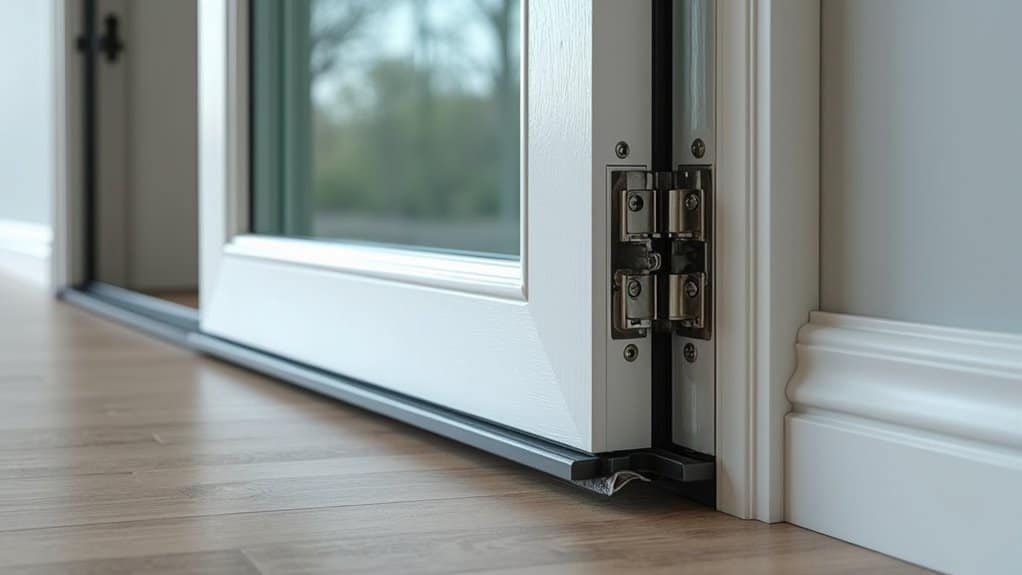
Because a hurricane-rated door is tested and certified as a complete system, the hardware and installation details aren’t optional extras, they’re what keeps your rating intact. You’ll want at least three hinges secured into the wall framing behind the jamb, with hinge screws upgraded to 2 1/2-inch to 3-inch lengths. Specify a deadbolt with a 3/4-inch to 1-inch throw, and confirm the strike plate’s anchored firmly into the jamb. For anchorage, fasteners should run at least 3 inches long, #12 wood screws, 10 or 12 penny nails, or 3/16-inch Tapcons, placed within 6 inches of each jamb end, then no farther than 12 inches apart. Don’t overlook flashing: j-roller your tape and seal under pad strips. These details affect your impact rated entry door cost, but they preserve compliance.
What Impact Doors Cost and How to Compare Quotes
Why do two quotes for the “same” impact door land thousands of dollars apart? Usually the quotes aren’t measuring the same thing. A single fiberglass slab runs $1,800 to $5,000, while a double front door with sidelights reaches $6,000 to $15,000+. A custom hurricane wood door, like mahogany, sits at the top of that range. Before you compare line items, normalize the inputs:
- Scope: door-only versus installed total ($500, $1,500 added labor)
- Type: single, slider, French, or double-door system
- Inclusions: frame, hardware, weatherstripping, tested anchorage details
- Configuration: size and glass inserts, sidelites, or decorative laminated panels
Request itemized pricing and confirm each quote covers the same specification. Mismatched scope, not contractor markup, drives most price gaps you’ll see.
Secure Your Home With a Hurricane-Rated Door
Your front door is the first line of defense against storm damage, so choosing one built for Florida weather makes all the difference. At Innovative Storm Defense serving Boynton Beach, FL, our experienced team provides trusted Storm Doors with premium materials and lasting craftsmanship. Call (561) 517-9399 today and protect your home for years to come.
Frequently Asked Questions
How Long Do Hurricane-Rated Entry Doors Typically Last Before Replacement?
You’ll typically get 25, 40+ years from a hurricane-rated entry door with proper maintenance. Fiberglass units commonly run 20, 30 years or more, even with minimal upkeep. Don’t confuse warranties, often just 10, 15 years, with actual service life, which usually outlasts them. Your real lifespan depends on material quality, installation quality, and maintenance, not the hurricane rating alone. Watch for warping, cracking, rust, finish failure, or seal degradation to flag replacement.
Can I Install an Impact Entry Door Myself?
You can install one yourself in principle, but it’s risky. Impact doors perform as a code-rated system, slab, frame, anchors, and sealing must meet your manufacturer’s tested anchorage details and your jurisdiction’s HVHZ requirements. You’ll need precise rough-opening measurements, plumb-and-square shimming, manufacturer-specified fasteners and spacing, plus proper flashing and caulking. Any error undermines wind-pressure ratings, code compliance, and water resistance. Verify against the exact model’s approval documentation before proceeding.
How Do I Maintain and Clean Impact-Resistant Doors?
Clean the glass with warm water and mild soap, using a microfiber cloth, skip abrasives and harsh chemicals. Rinse grit first, then dry with a squeegee. Wipe frames with a damp cloth, clear tracks and weep holes, and lubricate hinges, locks, and rollers with silicone, not petroleum. Inspect weatherstripping and seals for cracks. In coastal zones, rinse with fresh water often and run a full check before hurricane season.
Will My Impact Door Need a Building Permit?
Yes, you’ll need a building permit. Florida Building Code Section 104.1.1 regulates door installation, so full replacement of an exterior opening triggers permit review. In wind-borne debris regions and High-Velocity Hurricane Zones like Miami-Dade and Broward, you’ll face the strictest requirements. You’ll submit Florida Product Approval numbers or Miami-Dade Notices of Acceptance, door size, and design pressure ratings. Your installation must match the manufacturer’s approved anchorage details to pass inspection.
Can Existing Entry Doors Be Retrofitted to Become Hurricane-Rated?
Sometimes, but only if the entire assembly meets hurricane test requirements, not just the slab. You’ll need a reinforced frame with specialized fasteners anchored to structure, at least three hinges with long screws into framing, a reinforced lockset and deadbolt, and proper threshold and weatherstripping. Glass inserts must already be impact-rated. Without documented design-pressure ratings or Miami-Dade approval, you can’t certify it. If framing’s weak or deteriorated, you’ll need full replacement instead.