
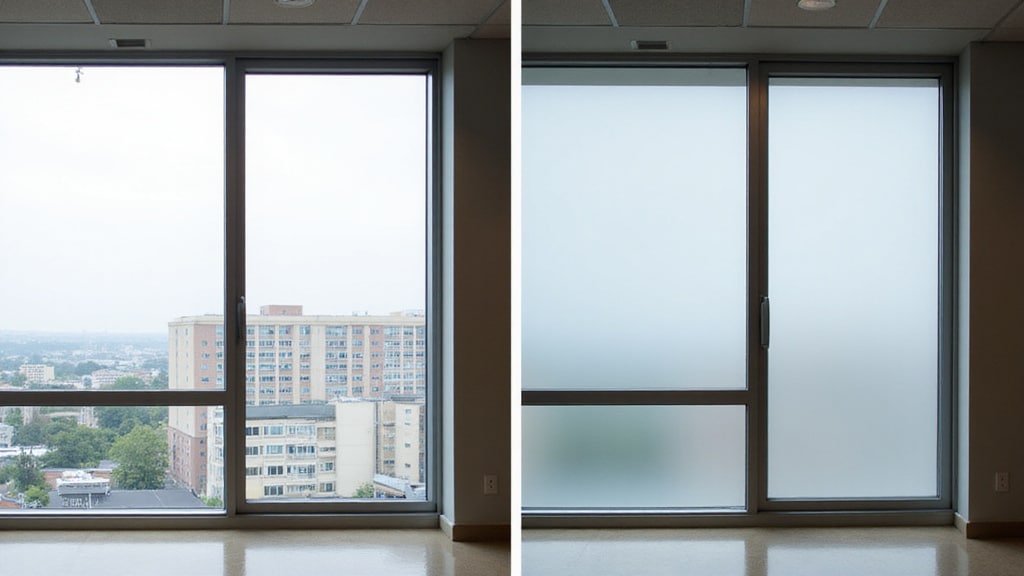
When considering home improvements, you might want to focus on impact-resistant windows, especially if you live in areas prone to severe weather. These windows offer a range of benefits, from enhanced security to energy efficiency, making them a solid choice for many homeowners. But are they really worth the investment? Understanding their features and the long-term savings they can provide is essential. Let's explore what makes these windows stand out and how they could change your home's resilience against the elements.
What Are Impact-Resistant Windows?
Impact-resistant windows are specially designed to withstand extreme weather conditions, such as hurricanes and heavy storms. These windows use advanced window materials, including laminated glass and strong frames, to provide superior storm protection.
The laminated glass consists of two or more layers of glass with a tough interlayer, making it incredibly difficult to shatter. This design not only keeps the glass intact during impacts but also prevents debris from entering your home.
The frames are often made from reinforced aluminum or vinyl, ensuring they can endure high winds and pressure changes. When you install impact-resistant windows, you're investing in a barrier that protects your home from the elements.
These windows are rigorously tested to meet or exceed building codes set for areas prone to severe weather, offering peace of mind during storm season.
In addition to storm protection, impact-resistant windows can also provide noise reduction and UV protection, making your living space more comfortable.
Benefits of Impact-Resistant Windows
Installing impact-resistant windows offers numerous advantages that go beyond just weather protection. One notable benefit is energy efficiency.
These windows are designed with advanced materials that help insulate your home, reducing energy loss. This means your heating and cooling systems won't have to work as hard, leading to lower energy bills and a more comfortable living environment.
Another major advantage is noise reduction. If you live in a busy area or near a highway, impact-resistant windows can considerably cut down on outside noise.
The thicker glass and airtight seals create a barrier that keeps your home quieter, allowing you to enjoy peace and tranquility indoors.
Additionally, these windows offer enhanced security. Their robust construction makes it difficult for intruders to break in, providing you with greater peace of mind.
You won't just feel safer; you'll also be protecting your belongings from potential theft.
Moreover, impact-resistant windows can increase your home's resale value. Homebuyers are often willing to pay more for properties equipped with these energy-efficient, noise-reducing features.
In short, investing in impact-resistant windows is a smart choice that delivers multiple benefits for you and your home.
Key Features to Consider
When choosing impact-resistant windows, several key features can considerably influence your decision. First, consider the energy efficiency of the windows. High-performance glazing can help reduce energy costs by minimizing heat transfer, keeping your home cooler in the summer and warmer in the winter.
Look for windows with low U-values and high solar heat gain coefficients to maximize this benefit.
Next, think about the aesthetic appeal of the windows. Impact-resistant windows come in various styles, colors, and finishes. You want to select a design that complements your home's architecture while still providing the necessary protection.
Customization options, such as grid patterns and window shapes, can enhance the overall look of your property.
Also, pay attention to the frame material. Vinyl, aluminum, and fiberglass all offer different benefits regarding durability, maintenance, and insulation.
Finally, verify that the windows meet local building codes and have a reputable certification for impact resistance.
How Impact-Resistant Windows Work
Understanding how impact-resistant windows function is key to appreciating their benefits. These windows are designed using innovative materials and technologies that enhance their durability and safety. They typically consist of two layers of glass with a tough interlayer made of polyvinyl butyral (PVB) or similar materials sandwiched between them.
This unique design allows the window to absorb and disperse energy from impacts, preventing shattering. When an object strikes the surface, the interlayer holds the glass together, minimizing the risk of injury and property damage.
Design innovations have led to windows that meet rigorous safety standards, ensuring they can withstand high winds, flying debris, and other extreme conditions.
It's also important to note that impact-resistant windows are tested against various threats, including hurricanes and burglaries, giving you peace of mind. You can feel secure knowing that these windows not only enhance your home's aesthetic appeal but also greatly improve its safety.
Installation Process Overview
Installing impact-resistant windows requires careful preparation and the right tools.
You'll need to gather materials and plan each step to guarantee a smooth process.
Let's break down the installation guide to help you get started efficiently.
Preparation and Planning Steps
Before diving into the installation of impact-resistant windows, it's crucial to prepare and plan effectively. Start with a thorough site assessment to identify any unique challenges your location may present, such as existing structural issues or obstructions that could affect installation. This step helps you understand the specific requirements for your project.
Once you've completed your assessment, it's time to focus on window selection. Choose windows that not only meet your aesthetic preferences but also adhere to local building codes and impact-resistance standards. Consider factors like size, frame material, and energy efficiency ratings during this process.
Don't forget to check the manufacturer's specifications for installation to guarantee compatibility with your home.
After selecting your windows, create a timeline for the installation process, factoring in weather conditions and any necessary permits.
Tools and Materials Needed
Gathering the right tools and materials is essential for a smooth installation of impact-resistant windows. Before diving into the project, you'll want to create a tools checklist to guarantee you have everything at your fingertips.
Here's a quick rundown of the essential items you'll need:
- Measuring tape: For accurate window measurements.
- Level: To guarantee your windows are installed straight.
- Caulking gun: For sealing gaps and preventing leaks.
- Screwdrivers and drills: Essential for fastening and securing the windows.
When it comes to material types, you should choose high-quality impact-resistant windows that comply with local building codes.
Additionally, gather the necessary fasteners, shims, and insulation materials needed for installation.
Having these tools and materials prepared ahead of time not only saves you from interruptions during the installation but also helps you feel more confident in your ability to complete the project efficiently.
Step-by-Step Installation Guide
With your tools and materials ready, it's time to move on to the installation process for your impact-resistant windows.
Begin by removing the old window, ensuring you're careful not to damage the surrounding frame. Next, clean the opening to eliminate any debris or old caulking.
Now, choose the appropriate window type for your installation. Whether you have fixed, casement, or sliding windows, each requires specific installation techniques.
Place the new window in the opening, making sure it's level and plumb. Use shims to adjust if necessary.
Once positioned correctly, secure the window with screws, following the manufacturer's guidelines. After that, apply a high-quality sealant around the edges to create a weather-tight barrier. This step is essential for preventing leaks and enhancing durability.
Finally, finish the installation by adding trim or casing as needed. Double-check that everything is sealed properly to maximize the impact resistance.
With patience and attention to detail, you've successfully installed your impact-resistant windows, ensuring your home is better protected against severe weather. Enjoy your peace of mind knowing your investment is secure!
Maintenance and Care Tips
Maintaining your impact-resistant windows is essential for guaranteeing their longevity and performance.
Regular upkeep not only preserves their effectiveness but also enhances your home's aesthetic appeal.
Here are some key maintenance tips to keep in mind:
- Use gentle cleaning techniques: Avoid abrasive materials that can scratch the glass. Opt for a soft cloth and a mild detergent mixed with water.
- Conduct window inspections: Check for any cracks or seal failures regularly. Early detection can prevent more significant issues later.
- Clear debris from frames: Remove leaves, dirt, and other debris from the window frames to prevent mold and deterioration.
- Lubricate moving parts: If your windows have operational components, guarantee you lubricate hinges and locks to maintain smooth functionality.
Cost and Value Analysis
When considering impact-resistant windows, it's essential to weigh the installation expenses against the long-term savings they offer.
Not only can these windows save you money on energy costs, but they might also lead to reductions in your insurance premiums.
Let's explore how these factors play a role in your overall investment.
Installation Expenses Overview
Understanding the installation expenses of impact-resistant windows is crucial for homeowners looking to enhance their property's safety and energy efficiency. Knowing your installation budget and having a clear expense breakdown will help you make informed decisions.
Here's a quick overview of potential costs to take into account:
- Material Costs: Impact-resistant windows typically cost more than standard windows due to their durable materials.
- Labor Costs: Professional installation is essential for these windows, and labor rates can vary based on location and contractor expertise.
- Permits and Fees: Depending on your area, you might need permits, which can add to your overall expenses.
- Additional Upgrades: If you're updating frames or adding insulation, these expenses will impact your budget too.
Long-Term Savings Potential
Investing in impact-resistant windows can lead to significant long-term savings on your energy bills and insurance premiums.
These windows are designed to enhance energy efficiency by preventing air leaks and maintaining a consistent indoor temperature. As a result, you'll notice a decrease in your heating and cooling costs, allowing you to save money month after month.
Moreover, the durability of impact-resistant windows means they're less likely to suffer from wear and tear, reducing the need for replacements or repairs.
This longevity not only contributes to immediate savings but also boosts your property value. When it comes time to sell your home, prospective buyers will appreciate the added protection and energy efficiency, making your property more attractive in a competitive market.
In the long run, the initial investment in impact-resistant windows pays off through lower energy bills and increased property value.
You'll find peace of mind knowing you're making a smart financial decision that benefits your wallet and your home.
Insurance Premium Reductions
Many homeowners may not realize that installing impact-resistant windows can lead to substantial reductions in insurance premiums. Insurance providers often reward you for enhancing your home's safety and durability. By making this upgrade, you can potentially see significant insurance discounts, which makes it a smart financial move.
When you consult your insurer about policy adjustments, consider the following benefits:
- Lower Premiums: Enjoy immediate savings on your monthly or annual insurance costs.
- Increased Property Value: A safer home can boost your property's market value, attracting potential buyers.
- Enhanced Protection: Impact-resistant windows minimize damage from storms, reducing the likelihood of filing claims.
- Peace of Mind: Knowing your home's safer can bring you and your family comfort during severe weather.
Before making a final decision, it's wise to check with your insurance agent about the specific discounts available for impact-resistant windows. They can help you navigate policy adjustments and guarantee you're maximizing your savings.
Choosing the Right Options
When it comes to choosing the right options for impact-resistant windows, considering your specific needs is vital. Start by evaluating the different window styles available. Whether you prefer casement, sliding, or fixed windows, each style offers unique benefits and aesthetic appeal.
Think about how these styles will complement your home while providing the necessary protection.
Next, consider energy efficiency. Impact-resistant windows can greatly reduce energy costs by providing better insulation and reducing air leakage.
Look for windows with low U-values and Solar Heat Gain Coefficients (SHGC) to maximize your home's energy performance. This not only helps you save on bills but also contributes to a more comfortable living environment.
You should also assess the level of impact resistance you need based on your location. Areas prone to hurricanes or severe storms require windows that meet specific impact standards.
Finally, don't forget to factor in your budget. While quality is important, balancing cost with the features you need will guarantee you make the best choice for your home.
Frequently Asked Questions
Are Impact-Resistant Windows Suitable for All Climates?
When considering climate suitability, you need to think about your local weather conditions.
Different climates can affect how well certain materials perform. For example, areas with high winds or heavy storms might benefit from stronger options.
However, in milder climates, those same options mightn't be necessary.
It's crucial to evaluate your specific environment and choose materials that will withstand the unique challenges posed by the weather in your area.
How Long Do Impact-Resistant Windows Typically Last?
When considering how long windows typically last, you'll find that several lifespan factors come into play.
Generally, quality windows can last 20 to 40 years. To maximize their longevity, you should follow some maintenance tips, like cleaning them regularly and checking for seals or damages.
Keeping your windows in good shape won't only enhance their lifespan but also improve your home's energy efficiency and aesthetics over time.
Can I Install Impact-Resistant Windows Myself?
You can tackle a DIY installation, but it's not without challenges.
Installing windows requires precision, proper tools, and a solid understanding of building codes.
If you're handy and have experience, you might save on labor costs, but don't underestimate potential hidden expenses.
Consider the costs of materials, tools, and any mistakes that could arise.
If you're unsure, hiring a professional could be a smarter investment for peace of mind.
Do Impact-Resistant Windows Reduce Noise?
Yes, impact-resistant windows can greatly reduce noise.
Their design often includes multiple layers of glass and specialized frames, which provide excellent sound insulation.
When you install these windows, you'll notice a remarkable decrease in outside noise, making your home quieter and more comfortable.
What Warranty Options Are Available for Impact-Resistant Windows?
When considering warranty options, you'll find various choices available.
Most manufacturers offer warranty coverage that protects against defects in materials and workmanship, usually lasting between 10 to 20 years. Some even provide lifetime guarantees, guaranteeing long-term peace of mind.
It's crucial to read the fine print, as coverage can differ. Always ask about what's included in the manufacturer guarantees to verify you're making a well-informed decision.
Conclusion
To sum up, investing in impact-resistant windows is a smart choice for your home. They offer not only protection from severe weather but also enhance energy efficiency and security. While the initial costs might be higher, the long-term savings and peace of mind make them worthwhile. By choosing the right options and ensuring proper installation, you can enjoy these benefits for years to come. Don't wait—upgrade your windows and safeguard your home today!