
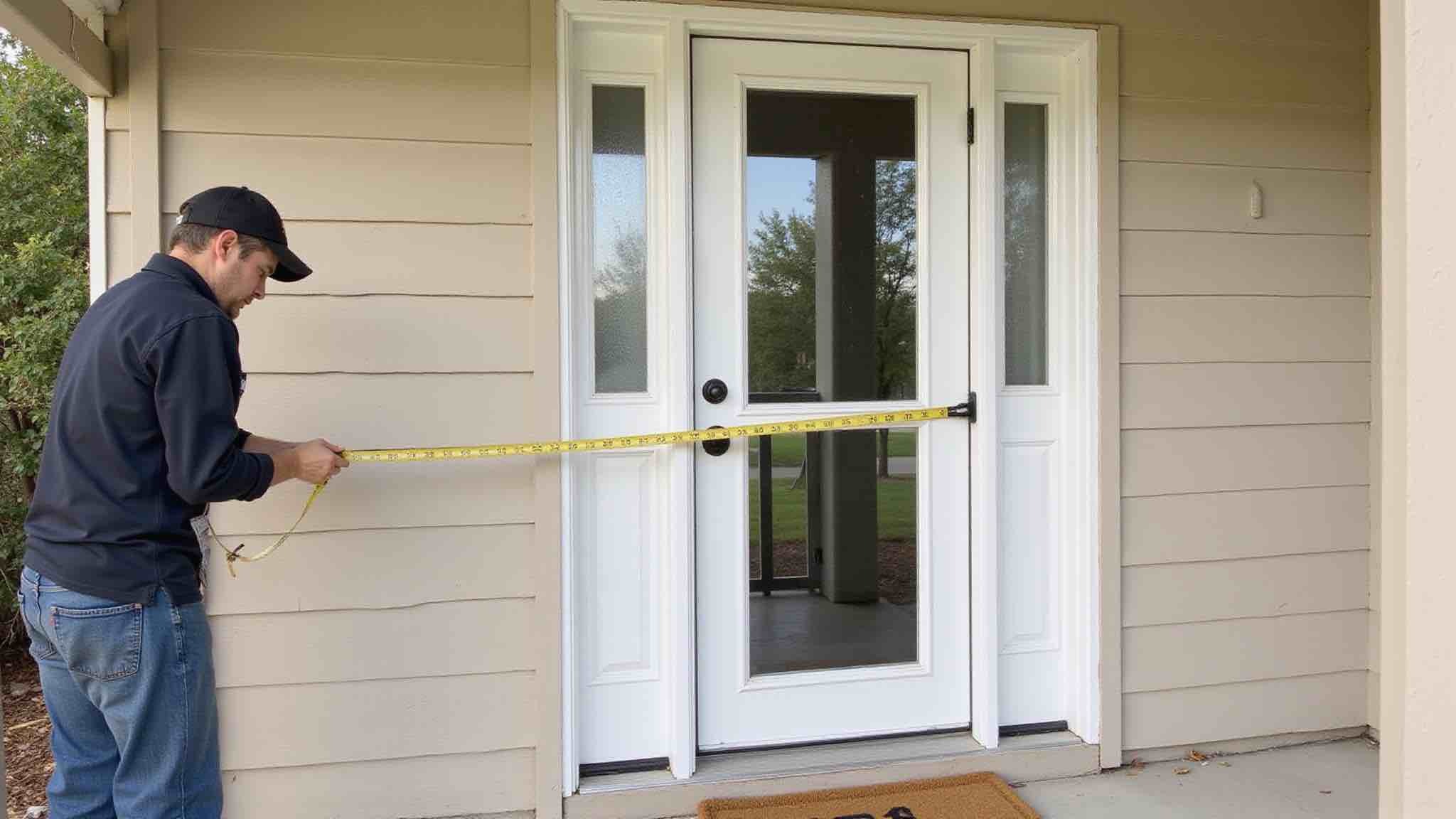
For strong hurricane protection, you’ll want outswing doors. They open away from your interior, so positive wind pressure drives the leaf into the stop and frame, tightening seals against wind-driven rain. Inswing doors push toward opening, stressing weatherstripping, latches, and hinges. But swing direction alone isn’t enough, you’ll need a tested pressure rating, reinforced anchoring, corrosion-resistant hardware, and code-compliant installation. Understanding how each type performs helps you choose the safest assembly for your entryway.
Key Takeaways
- Outswing doors offer stronger hurricane protection because positive wind load presses the leaf into the frame and stop.
- Inswing doors push open under positive wind load, stressing seals, hinges, and latches, risking gaps and rain intrusion.
- Outswing designs shed wind-driven rain better and tighten against weatherstripping, but require corrosion-resistant, hurricane-rated exterior hinges and hardware.
- Inswing doors shelter hinges from rain and salt, lowering maintenance, but their seals can fail under uplift pressure.
- Swing direction alone isn’t enough; verify tested pressure ratings, frame anchoring, glazing, and code-compliant installation for HVHZ compliance.
How Door Swing Direction Affects Hurricane Protection
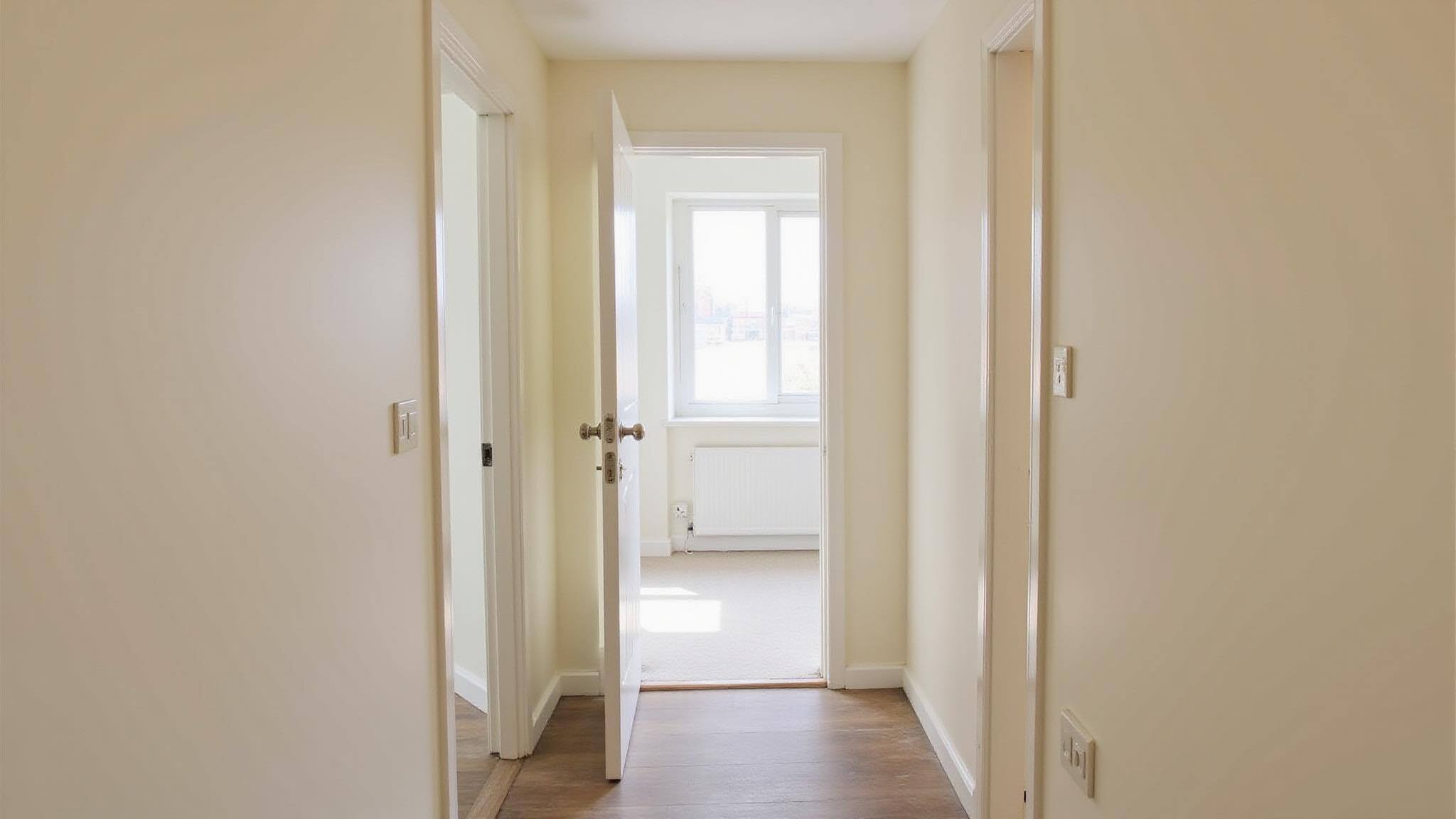
Outswing doors generally offer better hurricane protection than inswing doors. Outswing doors open away from your interior, so positive wind pressure presses the leaf tighter into the stop and frame, improving resistance to separation and water intrusion. Inswing doors open inward, which can let wind force the panel toward opening, stressing the seals and weatherstripping during extreme pressure changes. That’s why many hurricane doors in coastal wind zones use outswing designs. Still, swing direction alone won’t protect you. Both outswing and inswing performance depend on tested pressure ratings, frame strength, anchoring, hardware, and glazing. You’ll get the strongest protection from a properly rated, code-compliant assembly installed to manufacturer and local specifications, regardless of swing direction.
How do outswing doors perform against wind and pressure
Outswing doors perform well against wind and pressure because positive wind load drives the leaf into the stop and frame instead of pulling it away. This seating action improves wind resistance by tightening the panel against the weatherstripping and threshold, reducing seal separation during extreme pressure swings. You’ll find that outswing designs shed wind-driven rain more effectively for the same reason. In a comparison with inswing units, outswing doors typically stress the seals less because the wind doesn’t force the panel toward opening. Still, don’t rely on swing direction alone. Your door’s actual performance depends on its tested pressure rating, frame strength, anchorage, and hardware. In HVHZ applications, confirm the assembly meets the required +/- 70 psf minimum and is installed to manufacturer specifications.
How do inswing doors perform against wind and pressure
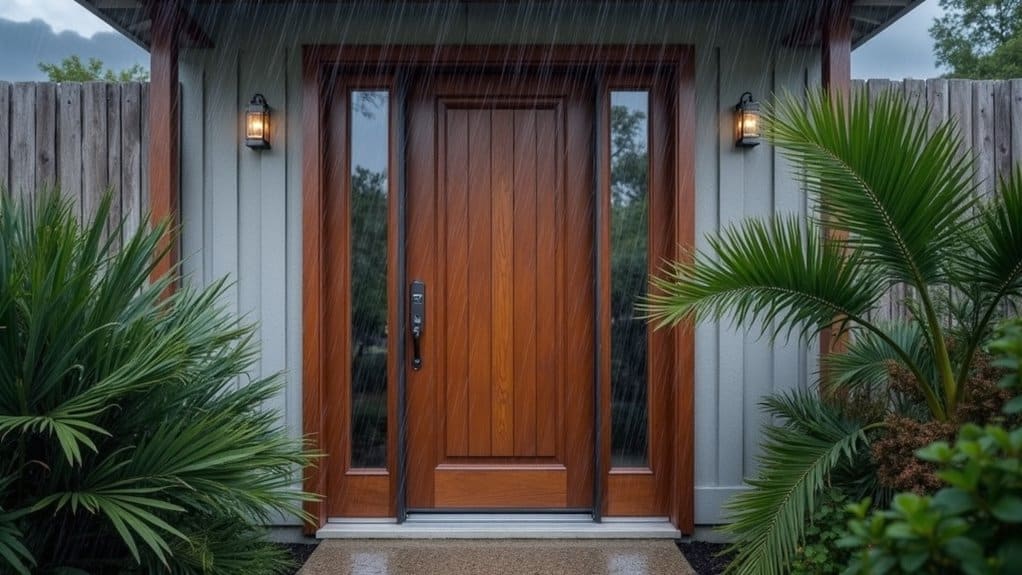
Inswing doors perform poorly against wind and pressure because positive wind load pushes the panel toward opening rather than into the frame. When pressure builds, that force stresses your weatherstripping, latch points, and hinges, creating gaps where wind-driven rain intrudes. During extreme pressure swings, you risk seal separation at the frame perimeter, which compromises the entire opening assembly.
Positive wind load pushes inswing panels toward opening, straining seals and creating gaps where wind-driven rain intrudes.
Watch these vulnerabilities when evaluating inswing performance:
- Positive pressure strains seals and can force the panel toward its open position, weakening the perimeter barrier.
- Uplift and rapid pressure changes loosen weatherstripping contact, allowing leakage.
- Latch and anchorage points absorb greater load, demanding stronger hardware.
You’ll still need a tested pressure rating, proper anchoring, and code-compliant installation to make inswing configurations survive hurricane conditions.
How do outswing and inswing doors compare on protection and cost
Outswing doors generally deliver stronger storm protection than inswing designs because they press the leaf into the frame under positive wind load, but that performance comes with cost tradeoffs you’ll need to weigh. You’ll pay more for outswing installations because exposed exterior hinges demand corrosion-resistant, hurricane-rated hardware and reinforced anchorage. Inswing doors protect hinges from rain and salt air, lowering maintenance costs, but their seals can fail under uplift.
| Factor | Outswing | Inswing |
|---|---|---|
| Storm protection | Stronger under positive pressure | Weaker at seal/frame |
| Hardware cost | Higher (exposed, corrosion-rated) | Lower (protected hinges) |
| Maintenance | More frequent | Less frequent |
Whichever you choose, remember that a properly rated, code-compliant assembly, not swing direction alone, determines your true hurricane resistance and long-term value.
Which door type suits your climate and entryway
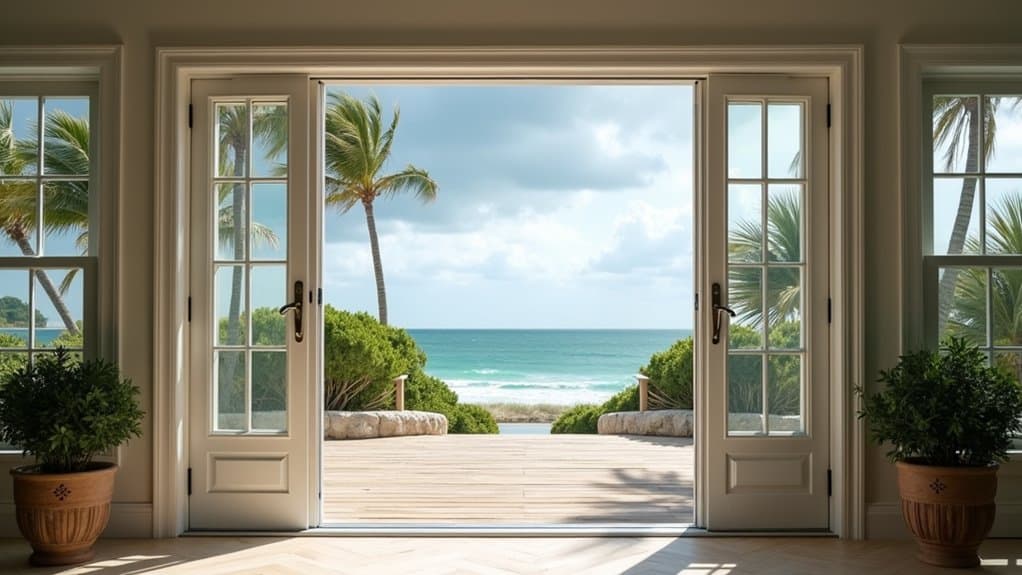
Your door type depends on your exposure zone, coastal proximity, and entryway layout. If you’re in a High Velocity Hurricane Zone, prioritize outswing systems, since wind presses the leaf into the stop and frame for tighter pressure resistance. Match your choice to your site conditions and testing requirements:
In a High Velocity Hurricane Zone, outswing systems win, wind presses the leaf tight for stronger pressure resistance.
- Coastal, high-wind exposure: Choose outswing doors with corrosion-resistant, HVHZ-approved hinges and hardware rated for the expected wind load.
- Salt-air durability concerns: Consider inswing doors, which shelter hinges from rain and salt, reducing corrosion and service demands.
- Tight interior layouts: Verify swing clearance, egress direction, and anchorage before committing.
Whichever you select, confirm the full assembly’s pressure rating, frame anchoring, and seals meet your local code specifications.
How do you choose between outswing and inswing doors
Choose between outswing and inswing doors by weighing hurricane performance against durability, layout, and code requirements. If you’re in a coastal or High Velocity Hurricane Zone, outswing doors typically resist wind pressure better, since the load presses the leaf into the frame and sheds wind-driven rain. But you’ll expose hinges to salt air and corrosion, so specify hardware rated for hurricane loads. If protected hinges, interior space, or easier servicing matter more, inswing doors work, provided the assembly meets your area’s pressure rating. Either way, verify the door carries a tested +/- psf rating, proper anchorage, and code-compliant certification for your jurisdiction. Don’t decide on swing direction alone; the full opening assembly, correctly installed, determines whether your door actually survives a storm.
Conclusion
For hurricane protection, outswing doors generally have the edge, since positive wind pressure presses the leaf tighter into the frame and sheds wind-driven rain. Inswing doors shelter their hinges from salt and rain and cost less to maintain, but their seals are more likely to give under uplift. Swing direction alone is never the whole story though, since the real protection comes from a tested pressure rating, strong anchoring, corrosion-resistant hardware, and a code-compliant installation. Match the door to your wind zone and entryway, and confirm the full assembly meets your local requirements before you buy.
Upgrade to a Safer Hurricane-Rated Entry
The right swing direction is only part of a storm-ready entry, and a properly rated, well-installed door does the rest. At Innovative Storm Defense serving Palm Beach, FL, our skilled team installs dependable hurricane impact doors and a full range of interior and exterior doors, designed for Florida’s toughest weather. Call (561) 517-9399 today to book your free consultation.
Frequently Asked Questions
Can I Replace an Inswing Door With an Outswing Door Myself?
You can replace it yourself, but you’ll need caution. In hurricane zones, your outswing door must meet tested pressure ratings, so you’ll install code-compliant framing, anchorage, and HVHZ-approved hardware. You’ll mount hinges on the exterior, requiring corrosion-resistant materials against salt and rain. Verify proper threshold sealing and weatherstripping to block water intrusion. If you’re unsure about anchoring or certification requirements, hire a pro, improper installation compromises safety and voids approvals.
How Long Do Hurricane-Rated Exterior Doors Typically Last?
You’ll typically get 15 to 30 years from a hurricane-rated exterior door, depending on materials, exposure, and maintenance. If you’re in a coastal salt-air environment, corrosion can shorten hardware and hinge life, so inspect anchors, weatherstripping, and thresholds regularly. Keep the frame sealed and the certification label intact. Don’t ignore worn seals or loose fasteners, they’ll compromise your tested pressure rating and let wind-driven rain breach the assembly during a storm.
Do Outswing Doors Affect Home Insurance Premiums in Florida?
The swing direction itself won’t directly change your premium, but the door’s tested pressure rating and code-compliant installation can. Insurers reward verified wind-resistance performance, so you’ll want documentation showing your door meets HVHZ or applicable pressure standards. If your outswing door carries a certified rating with proper anchorage and hardware, you’re strengthening your mitigation profile. Ask your insurer about wind-mitigation credits and provide your product approval paperwork to qualify.
What Warranty Coverage Applies to Hurricane-Rated Door Assemblies?
You’ll typically get manufacturer warranties covering the door assembly’s materials, finish, and hardware, but coverage depends on proper installation to code and manufacturer specs. Don’t expect protection if you skip approved anchorage, corrosion-resistant hardware, or certified components. Your warranty often requires the full rated assembly, frame, glazing, hinges, and sealing, installed correctly. Improper installation voids coverage fast, so document everything and confirm your product’s pressure rating and HVHZ certification stays intact.
Are Impact-Resistant Doors Required in All Florida Counties?
No, impact-resistant doors aren’t required in every Florida county. Your requirements depend on your wind zone and whether you’re in a High Velocity Hurricane Zone. In HVHZ areas, you’ll need doors tested and labeled for severe pressure performance, often +/- 70 psf minimum. Elsewhere, code focuses on wind-pressure testing of the full assembly. You can sometimes use approved storm shutters instead of impact-rated glazing, so verify your local jurisdiction’s specific requirements.