
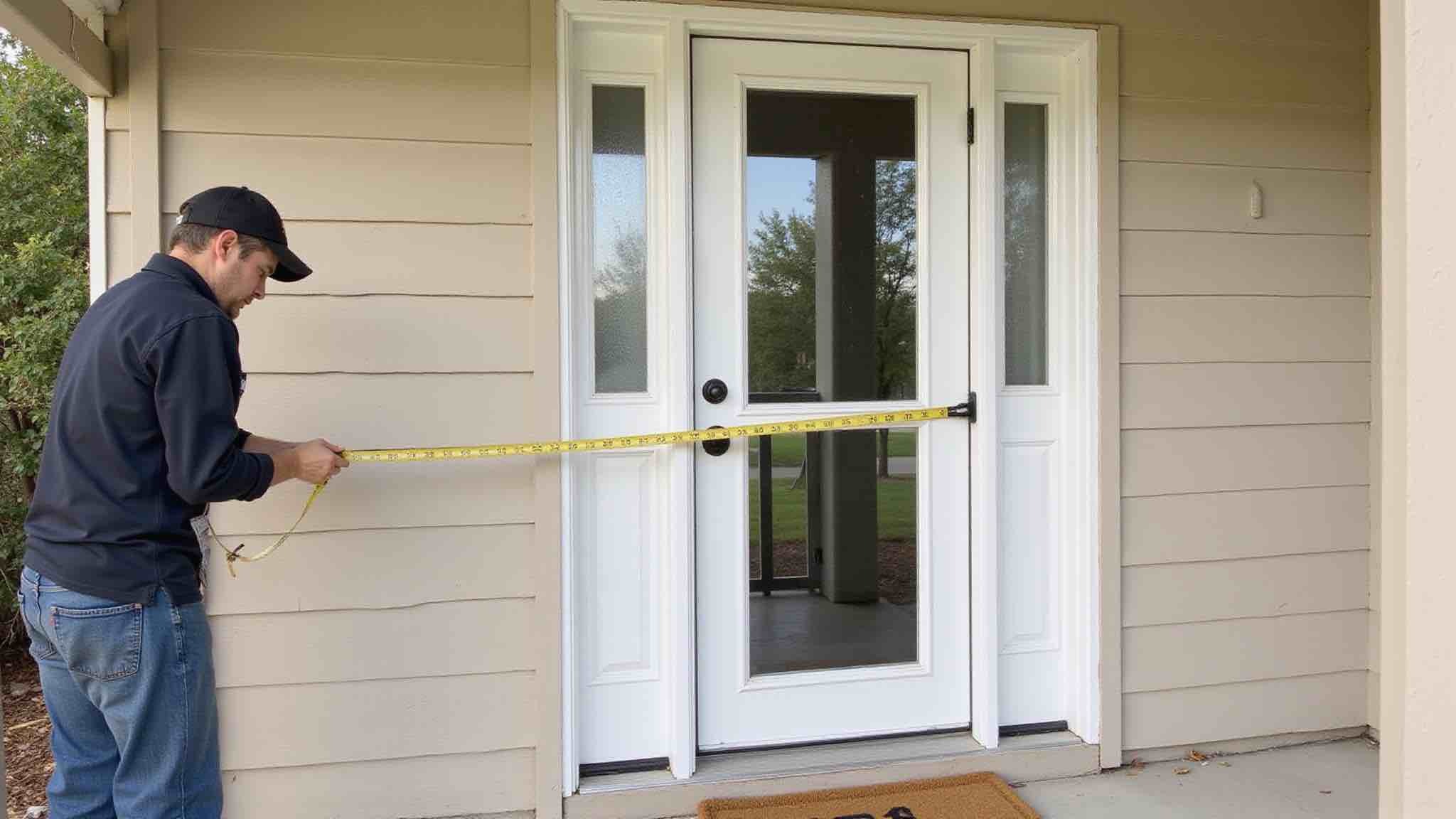
If your sliding glass door’s leaking near the bottom, you’re likely dealing with a drainage problem, not a glass leak. Clogged weep holes trap water that should drain outside, while dirt, debris, or old sealant blocks the path along the sill. Worn weatherstripping, failed caulk, or a damaged sill pan can also route water behind the frame. Misaligned panels and worn rollers leave gaps too.
Key Takeaways
- Clogged weep holes trap water that should drain outside, causing it to pool and leak near the bottom.
- Pooling along the track forces water intrusion from the threshold, indicating a drainage problem rather than a glass leak.
- Worn or damaged weatherstripping breaks the seal between the panel and frame, allowing water to enter.
- Failed caulk, missing flashing, or a poorly installed sill pan can route water behind the frame.
- Misaligned panels and worn rollers leave gaps that let water pass through the bottom.
What Causes a Sliding Glass Door to Leak From the Bottom

Water leaks from the bottom of your sliding glass door usually because of clogged weep holes, which trap water that should drain outside and force it to pool along the track. The cause usually isn’t the glass, it’s what’s happening around the threshold. Worn or damaged weatherstripping breaks the seal between the panel and frame, letting wind-driven rain slip in. Failed caulk, missing flashing, or a poorly installed sill pan can route water behind the frame, so water intrusion shows up low even when the entry point sits higher. Misaligned panels and worn rollers leave gaps too. Outside, surfaces sloping toward the threshold overwhelm drainage. Identifying which defect applies points you toward the right fix.
What causes water to pool at the bottom of the door
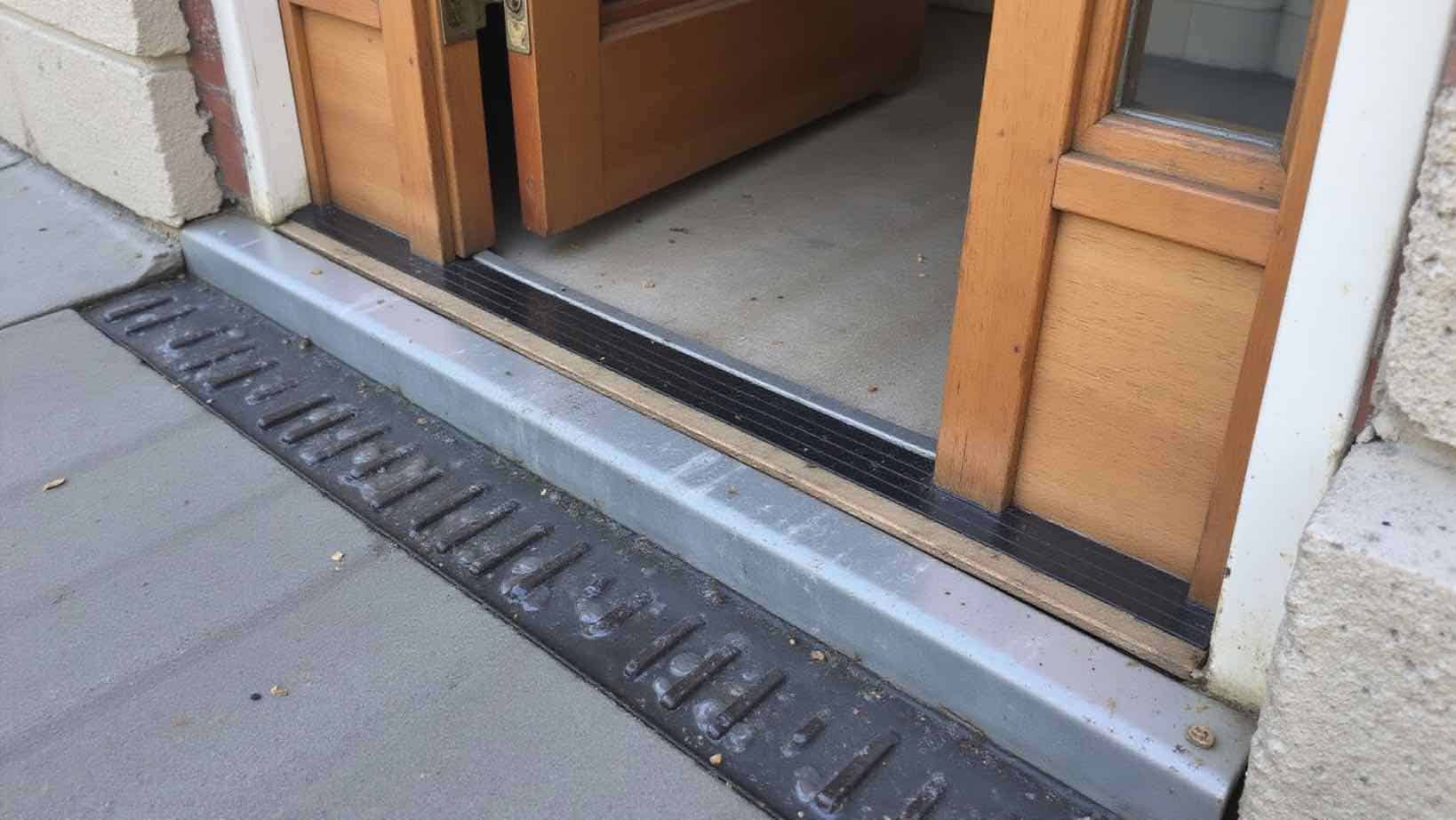
Water pools at the bottom of your door because of a drainage problem, not a leak in the glass. Start by checking the weep holes, those small openings in the bottom track that channel water outside. When dirt, debris, insects, or old sealant clog them, water can’t drain and pools along the sill. A blocked drainage path traps water even when your glass and frame look intact. You might also see pooling if the track itself is damaged, since a warped or dented channel interferes with proper flow. Heavy or wind-driven rain makes it worse, overwhelming an already weak drainage system. Clear the track and drainage path, it’s the most common first fix.
How do you clear clogged weep holes and tracks

Begin by clearing the bottom track of dirt, debris, and dead insects using a vacuum, then wipe it clean. Locate the weep holes along the exterior side of the sill and flush them with water to test drainage. If water backs up, push a thin wire or pipe cleaner through each hole to break up blockages. Remove any hardened sealant obstructing the openings.
| Step | Tool | Purpose |
|---|---|---|
| Vacuum track | Shop vac | Remove loose debris |
| Flush holes | Water | Test drainage flow |
| Clear blockage | Wire | Break up clogs |
| Remove sealant | Utility knife | Restore openings |
After clearing everything, pour water into the track again to confirm it drains outside freely.
How do you replace worn seals and weatherstripping
Replace worn seals and weatherstripping by inspecting the weatherstripping along the moving panel and frame for cracks, flattening, or gaps, then replace worn sections to restore a tight seal.
- Identify the type: Match the profile, fin, or bulb shape before buying replacement stripping.
- Remove the old seal: Pull out cracked or flattened material and clean the channel of adhesive residue.
- Measure precisely: Cut new weatherstripping to length, leaving no gaps at corners.
- Seat it firmly: Press fin-type or slide-in strips fully into the groove.
- Test the closure: Slide the panel shut and check for even contact.
Well-fitted seals block wind-driven rain and complement your cleared drainage system.
How do you fix drainage and threshold problems
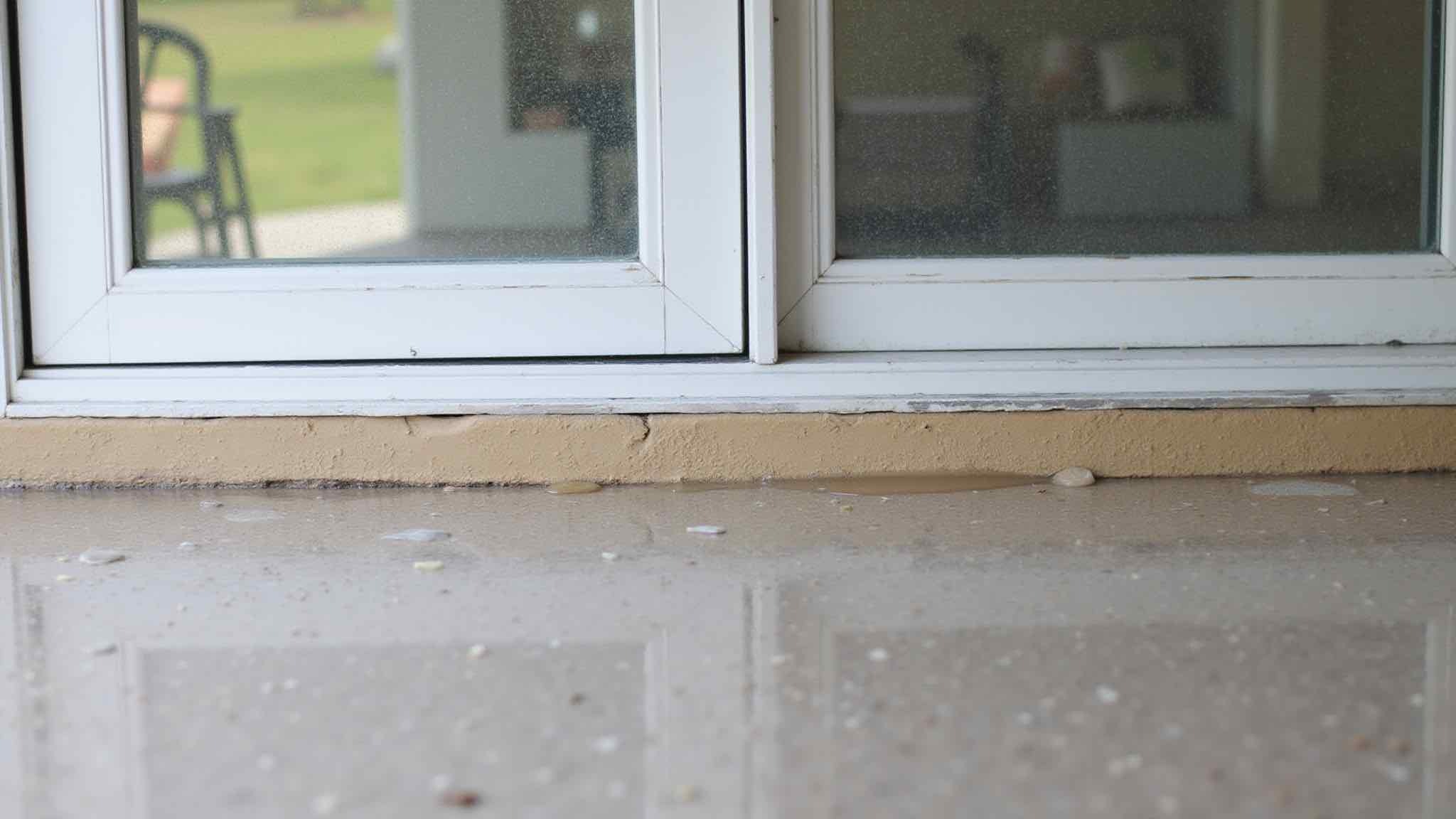
Fix drainage and threshold problems by clearing clogged weep holes, which are usually the culprit when water pools along the bottom track even when your door closes tightly. Locate the small openings at the exterior base of the track and clear them with a thin wire, compressed air, or a pipe cleaner. Flush the channel with water to confirm it drains outside. Remove trapped dirt, debris, insects, and hardened sealant blocking the flow. Check that no caulk covers the weep holes from previous repairs. If pooling continues, inspect the sill pan for damage or improper slope, since water should move toward the drainage path, not the interior. Correct any misaligned threshold and reseal gaps behind it. Keeping the track and drainage channels clear prevents overflow and stops leaks from returning.
When should you call a professional for a leaking door
Call a professional for a leaking door when you’ve cleared the weep holes, replaced weatherstripping, and re-caulked the perimeter but water still enters, because the problem likely sits behind the frame or inside the wall. Watch for these signs:
- Water appears higher up the frame or inside the wall cavity, suggesting failed flashing
- The sill pan is missing, cracked, or improperly installed
- Rollers or tracks are damaged enough to prevent proper panel alignment
- Recurring leaks persist despite cleaning and resealing every accessible point
- You notice rot, mold, or staining spreading into surrounding drywall or subfloor
These conditions require structural inspection, flashing repair, or full reinstallation, work that demands specialized tools and expertise.
Conclusion
A sliding glass door that leaks near the bottom is almost always a drainage problem rather than a failing pane. Clogged weep holes, worn weatherstripping, failed caulk, or a damaged sill pan let water pool and work its way inside. Start simple by clearing the track and weep holes, then move on to replacing seals and resealing the perimeter if the leak continues. When water still gets in or you spot rot, mold, or staining in the surrounding walls, call a professional to check the flashing and sill pan before the damage spreads.
Seal Out Water With Stronger Doors and Windows
Keeping water and weather out starts with tight, well-built openings. At Innovative Storm Defense serving Boca Raton, FL, our experienced team provides a full range of storm protection, from impact doors to hurricane impact windows, with expert installation and premium materials. Call (561) 517-9399 or request a free estimate today and protect your home for years to come.
Frequently Asked Questions
Can a Leaking Sliding Glass Door Cause Mold or Wood Rot?
Yes, a leaking sliding glass door can definitely cause mold and wood rot. When water repeatedly collects at the sill or seeps behind the frame, it saturates surrounding framing, subflooring, and drywall. That trapped moisture creates ideal conditions for mold growth and gradually breaks down wood fibers. You won’t always see it immediately, since damage often hides inside the wall cavity. Address leaks quickly to prevent costly structural repairs.
How Much Does It Cost to Fix a Leaking Sliding Door?
Your repair cost depends on the underlying defect. You’ll spend little to nothing clearing clogged weep holes yourself, while replacing weatherstripping runs modestly for materials. Re-caulking the perimeter stays affordable, but fixing failed flashing or installing a missing sill pan costs more since you’re pulling the door. Replacing damaged rollers or realigning the panel falls mid-range. Expect higher bills when you’re correcting installation defects or addressing exterior water-management problems around the threshold.
Does Homeowner’s Insurance Cover Water Damage From a Leaking Door?
It depends on the cause. Most policies cover sudden, accidental water damage, like a storm-driven leak, but they typically exclude damage from long-term neglect, wear, or poor maintenance. If your clogged weep holes or failed weatherstripping caused gradual seepage, you’ll likely pay out of pocket. Document the damage, identify the source, and file promptly. Check your specific policy’s exclusions, since coverage varies widely between insurers and often excludes flood-related intrusion entirely.
How Long Do Sliding Glass Doors Typically Last Before Leaking?
You’ll typically get 20 to 30 years from a well-installed sliding glass door before leaks become a concern, though weatherstripping usually fails much sooner, often within 5 to 10 years. Heat, UV exposure, and heavy use accelerate seal breakdown. Your door’s lifespan depends heavily on installation quality, maintenance, and climate. Keep weep holes clear, replace worn weatherstripping promptly, and inspect caulk annually to push performance toward that upper range and prevent premature leaking.
Can I Prevent Leaks With a New Door Installation?
Yes, you can prevent most leaks with proper installation. Make sure your installer sets a correctly sloped sill pan, flashes the rough opening, and seals the perimeter with quality caulk. You’ll want the door leveled and squared so the panel seats tightly against the weatherstripping. Confirm the weep holes stay clear and drainage flows outward. Get the surrounding surfaces sloped away, and you’ll stop water from collecting near the threshold.