
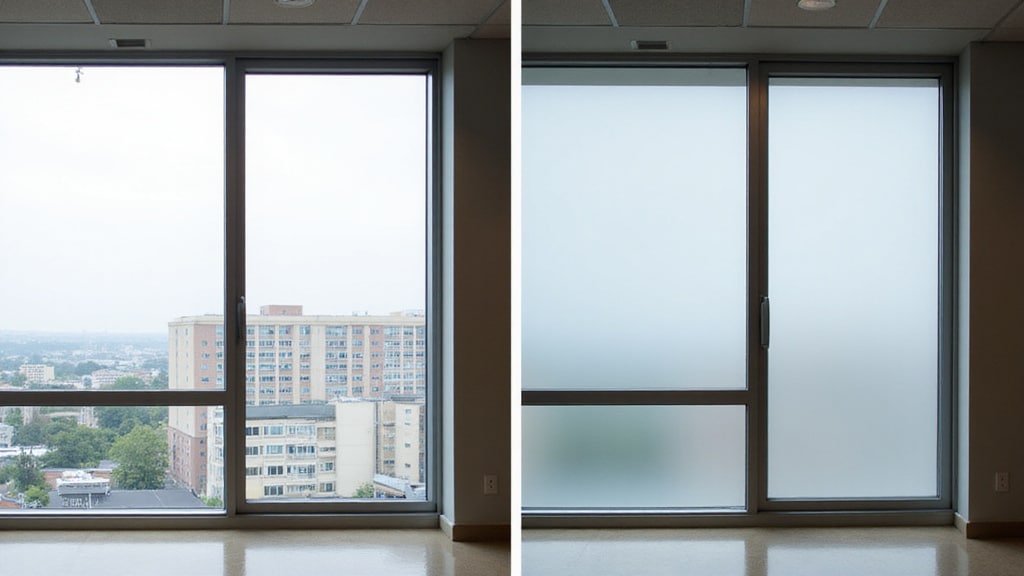
When you're considering storm window installation, you're not just enhancing your home's aesthetic; you're making a smart investment in energy efficiency. You'll want to gather the right tools and understand the different types of storm windows available to you. As you measure your window frames and prepare for installation, certain techniques can greatly impact the outcome. But what common mistakes should you avoid to guarantee a seamless process? Let's explore the key steps and tips that can set you on the right path.
Benefits of Storm Windows
When you install storm windows, you're not just adding an extra layer of protection; you're also greatly enhancing your home's energy efficiency. These windows act as a barrier, reducing drafts and preventing heat loss during the winter months. This means your heating system won't have to work as hard, which can lead to lower energy bills.
Additionally, storm windows contribute to noise reduction. If you live in a busy area or near a highway, you know how disruptive outside noise can be. Storm windows help muffle sounds, allowing you to enjoy a more peaceful indoor environment.
The combination of energy efficiency and noise reduction not only improves your comfort but also adds value to your home.
Moreover, installing storm windows is a smart investment. They can extend the lifespan of your existing windows by protecting them from harsh weather conditions, which translates to fewer repairs or replacements down the line.
Essentially, storm windows provide practical benefits that enhance your living space while being environmentally friendly. So, if you're looking to boost your home's performance and enjoy a quieter atmosphere, storm windows are definitely worth considering.
Types of Storm Windows
Choosing the right type of storm windows for your home can greatly impact their effectiveness and your overall satisfaction. You'll typically find two main types: interior storm windows and exterior storm windows. Each serves a specific purpose and comes with its own set of advantages.
| Type | Description | Benefits |
|---|---|---|
| Interior Storm | Installed on the inside of your existing windows | Easy to install, low cost |
| Exterior Storm | Mounted on the outside of your existing windows | Provides better insulation, protects against weather |
| Combination | Blends both interior and exterior features | Maximizes energy efficiency |
| Custom | Tailored to fit unique window sizes | Perfect fit, enhances aesthetics |
Interior storm windows are great if you want a cost-effective solution that's easy to handle. They're less invasive and can be removed during warmer months. On the other hand, exterior storm windows offer superior protection from harsh weather and improve insulation. Consider your home's specific needs and local climate to determine which type will work best for you.
Tools and Materials Needed
After deciding on the type of storm windows that best suit your home, gathering the right tools and materials is the next step in the installation process.
First, you'll need a tape measure to take accurate window measurements, ensuring your storm windows fit perfectly. A level is essential, as it helps you check the alignment during installation.
For safety precautions, don't forget to wear protective eyewear and gloves. You'll also need a utility knife for any necessary adjustments to the window frames. A drill and appropriate bits are vital for securing the windows, along with screws or anchors as specified by your window manufacturer.
Additionally, have a caulk gun ready, along with weatherproof caulk to seal the edges and prevent leaks. A ladder may be necessary for reaching higher windows, so make sure it's stable and positioned safely.
Lastly, gather some rags for cleaning any excess caulk or debris during the process.
With these tools and materials in hand, you'll be well-prepared to tackle your storm window installation effectively.
Step-by-Step Installation Process
To begin the installation of your storm windows, first make certain you've got all your tools and materials ready at hand. This preparation makes the process smoother and more efficient.
Here's a quick checklist to help you:
- Storm window frames
- Screws and anchors
- Caulk or weatherstripping for window sealing
Start by measuring your window frames accurately. Use these measurements to adjust your storm windows accordingly. Once you have the right fit, apply your preferred installation techniques. For most installations, you'll want to position the storm window against the frame, verifying it's level and square.
Next, secure the window in place using screws and anchors, making sure everything is tightly fastened. This step is essential for maintaining structural integrity and preventing air leaks.
After securing the window, focus on window sealing; apply caulk or weatherstripping around the edges to create a solid barrier against drafts and moisture.
Finally, inspect your work thoroughly. Check that the windows open and close smoothly, and verify there are no gaps. With these steps completed, your storm windows are now installed, ready to provide added protection against the elements.
Maintenance Tips for Longevity
Maintaining your storm windows is essential for guaranteeing their longevity and efficiency. Regular care can notably extend their lifespan and keep your home protected from the elements.
Start with effective cleaning techniques; use a mild soap solution and a soft cloth to wipe down the glass and frames. Avoid abrasive materials that could scratch the surface.
Inspect the weatherstripping regularly. If you notice any wear or damage, replace it promptly to maintain your windows' weatherproofing capabilities. This helps prevent drafts and reduces energy costs.
During seasonal changes, check for any debris or dirt that may have accumulated in the tracks or seals. Clear out any obstructions to guarantee smooth operation.
Additionally, consider applying a silicone-based lubricant to hinges and locks to keep them functioning properly.
Lastly, if you live in an area with harsh weather, think about reapplying weatherproofing strategies, such as caulking gaps and guaranteeing a snug fit during installation.
Frequently Asked Questions
Can Storm Windows Be Installed on Any Type of Window?
You might wonder if storm windows can fit any type of window. The answer's a bit nuanced.
Window compatibility varies based on the window's design and frame. You'll need to take into account the installation materials as well; they should match your window's structure.
It's essential to consult with professionals or product guidelines to guarantee a proper fit, maximizing both functionality and durability.
How Do Storm Windows Affect Natural Light Indoors?
When you consider how storm windows affect natural light indoors, you'll find that they can influence light transmission considerably.
While some storm windows are designed to minimize impact on brightness, others might create a slight dimming effect due to their materials or thickness.
However, they can enhance window aesthetics, providing a polished look that complements your decor.
Ultimately, choosing the right storm window can balance both light and style in your home.
Are Storm Windows Effective Against Noise Reduction?
Yes, storm windows can be effective against noise reduction. They provide excellent noise insulation, helping to block out unwanted sounds from outside.
If you're looking for soundproofing benefits, installing storm windows can greatly decrease the noise that enters your home.
You'll likely notice a calmer, quieter indoor environment, making it easier to relax or focus.
What Is the Cost Range for Storm Window Installation?
When you're considering installation, the cost range can vary greatly.
It typically falls between $100 to $600 per window, depending on various cost factors like material, size, and your location.
Different installation types, such as DIY or professional installation, also influence the overall price.
If you opt for custom solutions or high-end materials, expect to pay more.
Always get multiple quotes to guarantee you're making an informed decision that fits your budget.
Can I Install Storm Windows Myself or Should I Hire a Professional?
You can definitely choose between DIY installation and hiring professional services.
If you're handy and have the right tools, tackling it yourself might save you some money.
However, if you're unsure about your skills or want a guarantee of quality, hiring a professional is the way to go.
They bring expertise and can guarantee everything's done correctly.
Think about your comfort level and the complexity of the project before making a decision.
Conclusion
Installing storm windows is a smart investment for your home, boosting energy efficiency and comfort. By choosing the right type of storm window and following the installation steps carefully, you can enjoy a snug, draft-free living space. Don't forget to maintain your windows regularly to guarantee they last for years to come. With the right tools and a little effort, you'll reap the benefits of reduced energy costs and a more comfortable home environment.