
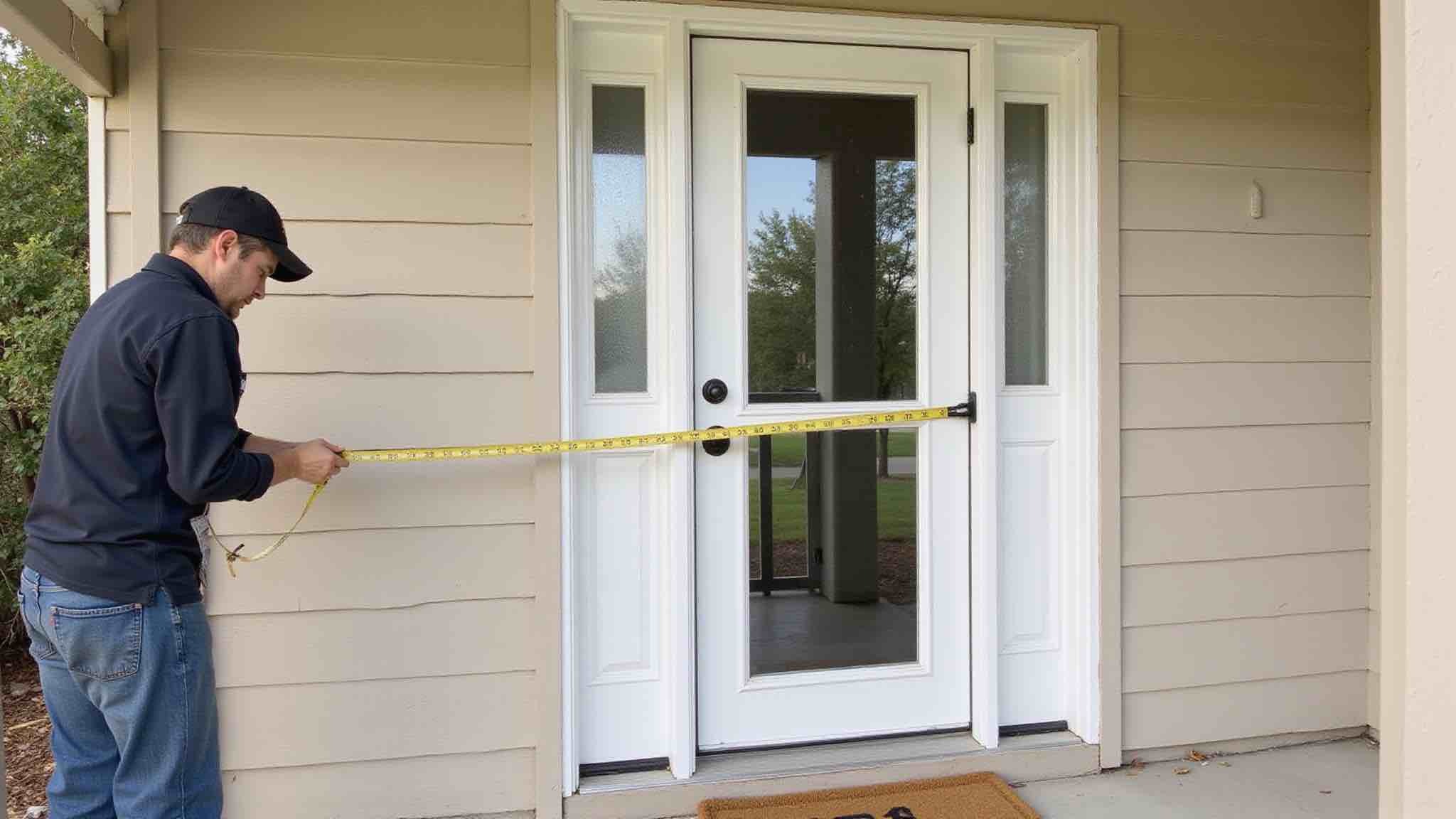
No, you shouldn’t tape your windows before a hurricane. Taping won’t protect the glass against hurricane-force winds or flying debris. In fact, NOAA’s Hurricane Research Division calls it a waste of effort, time, and tape. Worse, taped windows often shatter into larger, more dangerous shards, raising your injury risk. Instead, rely on proven protections like hurricane shutters or plywood.
Key Takeaways
- No, you should not tape your windows before a hurricane, as NOAA calls it a waste of effort, time, and tape.
- Taping adds little strength to glass and offers no protection against hurricane-force winds or flying debris.
- Taped windows can shatter into larger, more dangerous shards, increasing the risk of serious injury.
- Install hurricane shutters, plywood, or impact-resistant windows for proven protection against broken openings and debris.
- Secure your openings early, before winds pick up, rather than during an active hurricane warning.
Does Taping Windows Actually Protect Them in a Storm
No, you should not tape your windows during a hurricane. Window taping offers no real glass protection against hurricane-force winds or flying debris. NOAA’s Hurricane Research Division calls it a waste of effort, time, and tape, noting it adds little strength to the glass. Worse, taped windows can shatter into large, life-threatening shards instead of smaller fragments, putting your safety at greater risk. Tape simply can’t stop a window from breaking under major storm pressure. It creates a dangerous false sense of assurance when you need proven protection most. Skip the tape and rely on shutters, plywood, or impact-rated windows to genuinely safeguard your home and family.
Does taping windows actually prevent them from breaking
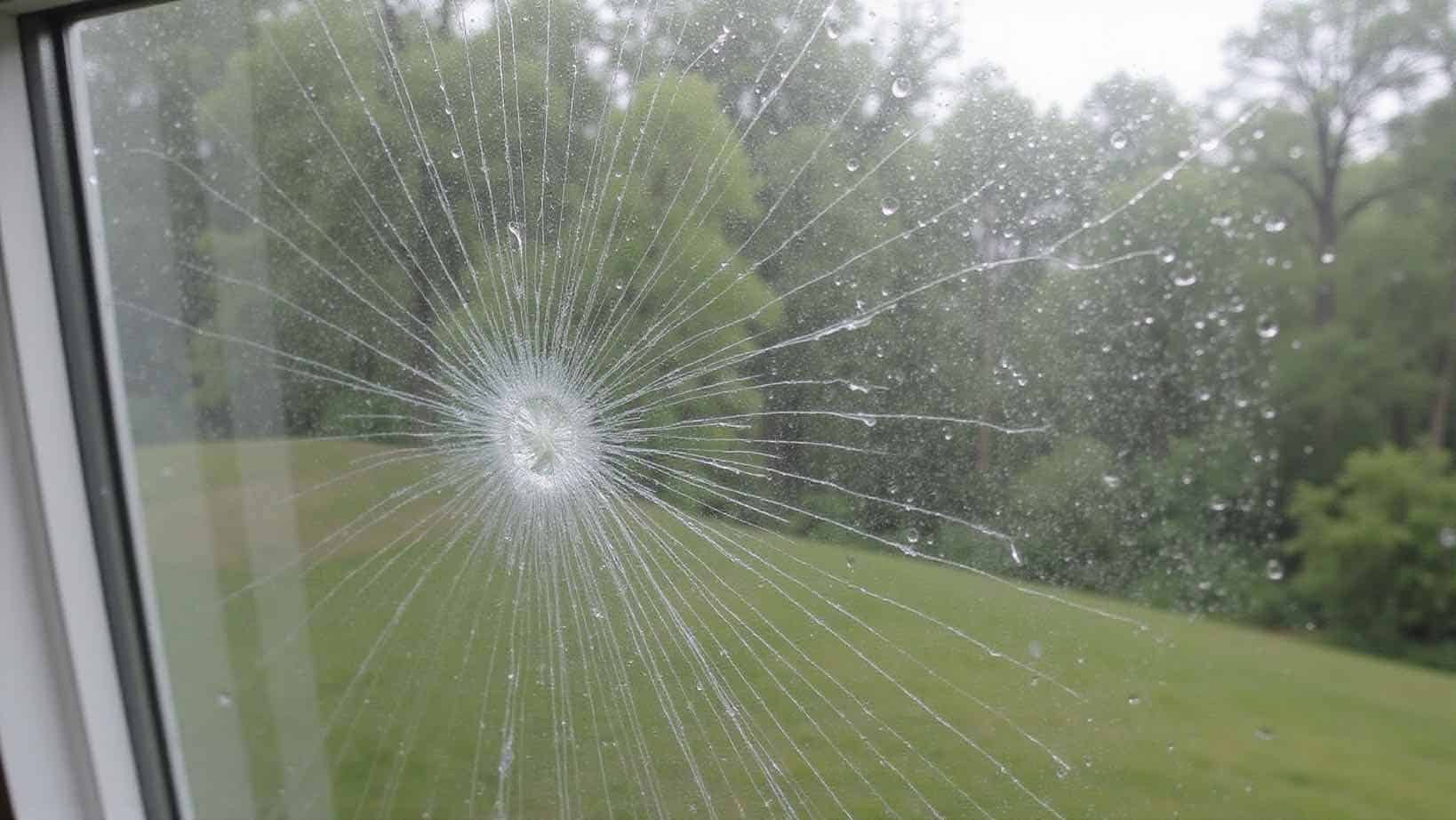
Taping your windows won’t prevent them from breaking. This persistent hurricane myth gives you a false sense of safety when you need real protection the most. Tape offers little to no strength against hurricane-force winds, and it does absolutely nothing to stop flying debris from smashing your glass.
In fact, NOAA’s Hurricane Research Division calls window taping a waste of effort, time, and tape. Worse, taped glass often shatters into larger, more dangerous shards, increasing your risk of serious injury.
If you’re relying on an “X” pattern to hold your windows together, you’re gambling with your safety. Tape can’t reinforce glass or replace proven defenses like shutters, plywood, or impact-rated windows. Protect your openings properly instead.
Why do experts warn against taping your windows

Experts warn against taping your windows because tape actively puts you at greater risk. NOAA’s Hurricane Research Division calls window taping a waste of effort, time, and tape, offering little strength to the glass and no protection against flying debris. The bigger danger is what happens when a taped window fails: instead of shattering into smaller pieces, the glass breaks into large, life-threatening shards. FEMA guidance confirms these bigger fragments increase your injury risk. Tape also creates a false sense of safety, tempting you to skip proven protections like shutters or plywood. When you rely on tape, you’re spending preparation time on a myth while leaving your home’s openings genuinely vulnerable to the storm.
What should you do instead of taping windows
Instead of taping windows, install hurricane shutters. They’re your strongest defense and installing them should top your preparation list. If you don’t have shutters, cut and mount plywood to cover your windows; it’s a proven temporary option that actually resists debris impact. Consider upgrading to impact-resistant or hurricane-rated windows for long-term protection. If you already have impact windows, close and lock them so they perform as designed.
Timing matters just as much as materials. Secure your openings early, well before the winds pick up and warnings intensify, never during an active hurricane warning. Focus your energy on reducing broken openings and flying debris risks, because those are the real threats. Skip the tape and invest in protection that genuinely works.
How do window protection methods compare on effectiveness
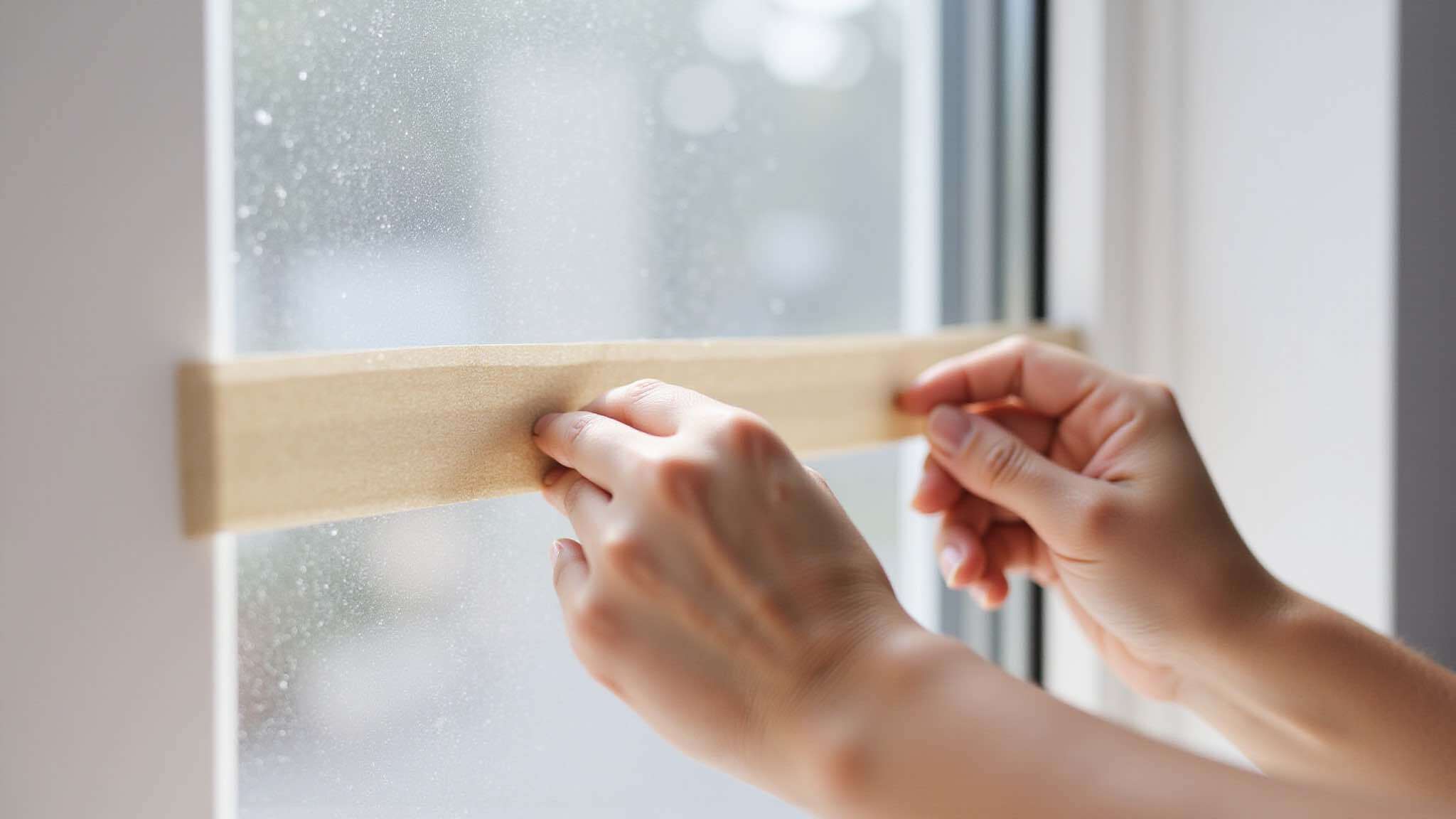
Window protection methods vary dramatically in effectiveness, ranging from certified impact-rated systems that offer the highest defense down to tape that provides negligible protection. Understanding their real capabilities helps you invest your time and money wisely.
| Protection Method | Debris Impact Defense | Overall Effectiveness |
|---|---|---|
| Impact-Rated Windows | Excellent | Highest |
| Hurricane Shutters | Excellent | Very High |
| Plywood (5/8″) | Good | Moderate-High |
| Window Tape | None | Negligible |
Impact-rated windows and shutters top the list because they’re engineered to withstand flying debris and sustained hurricane-force winds. Plywood offers solid temporary protection when you install it correctly, though it can’t match certified systems. Tape sits at the bottom. It provides no meaningful defense. Choose proven barriers, and you’ll dramatically reduce your risk of dangerous window failure.
How do you properly protect your windows before a storm
You protect your windows by installing proven barriers early, not by scrambling with tape once warnings intensify. Start with hurricane shutters if you have them, since they’re designed to withstand high winds and flying debris. If you don’t have shutters, install plywood as a stronger temporary option that shields your glass far better than tape ever could. Where possible, invest in impact-resistant or hurricane-rated windows, then close and lock them to maximize their engineered resistance. Cover every opening before the winds pick up, not during an active hurricane warning when it’s already dangerous to work outside. By securing your home ahead of time, you reduce broken openings and cut the risk of flying debris turning your windows into hazards.
Conclusion
Taping your windows is one of the most persistent hurricane myths, and it simply doesn’t work. Tape adds almost no strength to the glass, does nothing against flying debris, and can actually make a breaking window more dangerous by creating larger shards. The protection that genuinely works is proven and physical: hurricane shutters, properly installed plywood, or impact-rated windows, all put up early before the winds arrive. Skip the tape, secure your openings ahead of the storm, and put your time into defenses that truly hold.
Upgrade to Hurricane Impact Windows Today
Standard windows can’t handle Florida storms, but impact windows and shutters offer real protection you never have to tape over. At Innovative Storm Defense serving Singer Island, FL, our experienced team installs trusted hurricane impact windows and dependable hurricane shutters with expert installation and premium materials. Call (561) 517-9399 today and book your free consultation.
Frequently Asked Questions
How Much Does It Cost to Install Hurricane Shutters?
Hurricane shutter pricing varies widely based on shutter type, window size, and installation, so there’s no single flat rate. What matters most is that shutters offer proven protection, unlike window tape, which authoritative guidance calls a myth. For accurate pricing, request quotes from a licensed installer and compare them before hurricane season arrives.
Can I Reuse Plywood for Future Hurricane Seasons?
Yes, you can reuse plywood for future hurricane seasons if you store it properly. After the storm, clean it, let it dry completely, and keep it in a cool, dry place to prevent warping, rot, or mold. Label each panel by window location to speed up installation next time. Inspect it before reuse, if it’s cracked, delaminated, or badly warped, replace it. Well-maintained plywood offers reliable, cost-effective protection year after year.
Does Homeowners Insurance Cover Hurricane Window Damage?
Your homeowners insurance typically covers hurricane window damage, but coverage details vary by policy and location. Standard policies often cover wind-driven damage, though you’ll likely face a separate hurricane or windstorm deductible. Flood damage isn’t covered, you’ll need separate flood insurance for that. Check your policy carefully before storm season, since coastal areas sometimes exclude windstorm coverage entirely. Document your windows now with photos, and contact your insurer to confirm what you’re protected against.
How Long Before a Storm Should I Install Protection?
Install your protection early, before winds and warnings intensify, ideally when a hurricane watch is issued (about 48 hours out). Don’t wait for the warning, when conditions grow too dangerous to work outside safely. Put up hurricane shutters or plywood, close and lock impact-rated windows, and secure all openings ahead of the storm. Acting early gives you time to do the job right and reduces your debris and injury risks.
Are Impact-Resistant Windows Worth the Investment?
Yes, impact-resistant windows are worth it. They’re a proven, hurricane-rated protection that defends your home against flying debris and major storm pressure, unlike tape, which offers little strength and can shatter into dangerous shards. You’ll get permanent defense that’s always in place, so you won’t scramble to install shutters or plywood before a warning. Just close and lock them to maximize their designed resistance. It’s a smart, long-term safety investment.