

Florida homes get foggy windows because your window seals endure relentless thermal stress. Intense solar heat and high humidity force perimeter seals through constant expansion and contraction, degrading their elasticity. Once a hermetic seal fails, argon gas escapes and moisture infiltrates the space between panes, condensing into fog you can’t wipe away. But fog isn’t always trapped inside the glass, it can form on interior or exterior surfaces too, each signaling something different.
Key Takeaways
- Florida’s intense solar heat subjects windows to constant thermal stress, driving continuous expansion and contraction of perimeter seals.
- Failed hermetic seals let argon gas escape and moisture enter, trapping fog between panes that cannot be wiped away.
- High outdoor humidity and heavy AC use create temperature differentials that cause condensation on interior or exterior glass surfaces.
- Florida’s harsh conditions degrade seals faster, especially with low-grade desiccants, aluminum spacers, and inferior sealants.
- Fog location reveals the cause: between-panes fog requires IGU replacement, while surface fog needs humidity or thermostat adjustments.
Why Florida Homes Get Foggy Windows

Florida homes get foggy windows because the state’s climate subjects glass to relentless thermal stress. If you’re wondering why windows fog up in your home, the answer lies in the constant battle between cool indoor air and hot, humid outdoor conditions. Foggy windows Florida homeowners face typically stem from window seal failure at the glass-frame attachment point. Intense solar heat forces your perimeter seals to expand and contract continuously, gradually stripping away their elasticity. Once these seals fail, argon gas escapes while moisture, salts, dust, and calcium infiltrate the space between panes. That trapped moisture forms fog you can’t wipe away, because it’s sealed inside the insulated glass unit. Low-grade desiccants, aluminum spacers, and inferior sealants accelerate this breakdown under Florida’s punishing thermal cycles.
What causes foggy windows
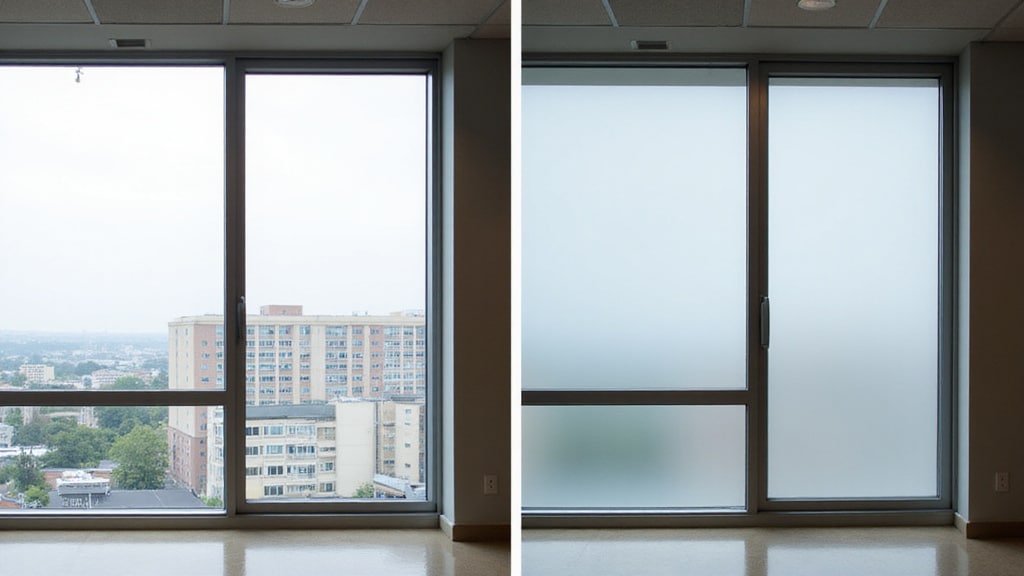
Foggy windows come from three distinct scenarios, not just seal failure that traps fog between panes. When a hermetic seal fails, argon gas escapes while moisture, salts, dust, and calcium infiltrate the insulated glass unit, fog you can’t wipe away because it forms inside the sealed cavity. Exterior fogging happens when your indoor AC chills the glass below the humid outdoor air’s dew point, causing vapor to pool on the outside surface. Interior fogging occurs when warm, humid indoor air contacts panes cooled overnight or in shaded areas. Understanding Florida window condensation means identifying which surface fogs, interior, exterior, or between panes, since each points to a different cause and requires a different fix.
Why is Florida’s climate hard on windows
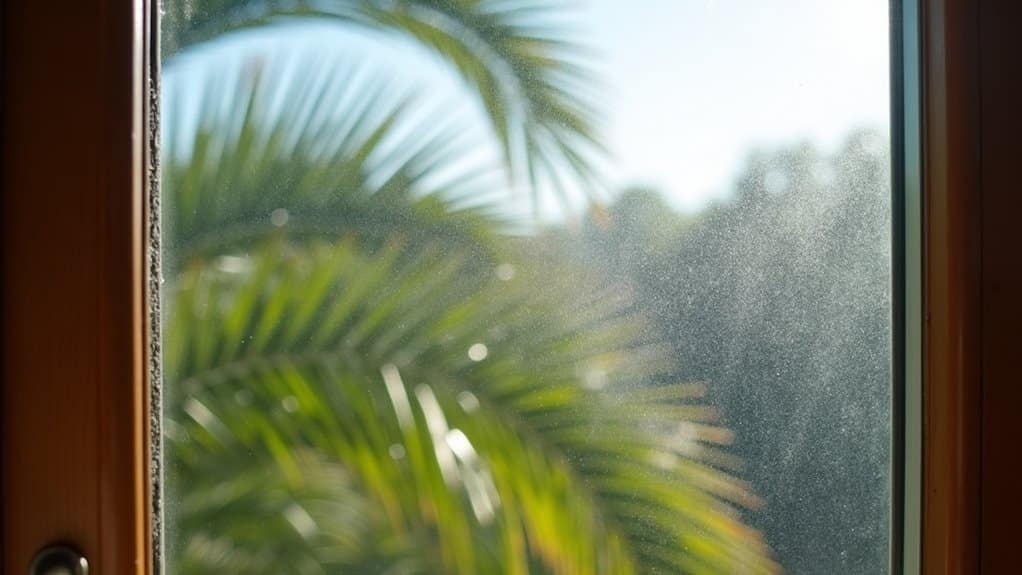
Florida punishes windows more than almost any other climate because of constant daily exposure to intense solar heat, placing your windows under unrelenting stress throughout the year. That heat forces perimeter seals to expand and contract continuously, reducing their elasticity over time. High outdoor humidity compounds the problem, combining with frequent interior-exterior temperature differentials to create ideal condensation conditions. When you set your air conditioning low, tropical South Florida air hits exceptionally cold glass, driving exterior fogging. Heavy HVAC usage intensifies this temperature conflict between cool indoor air and warm outdoor air. Under this thermal stress, low-grade desiccants, aluminum spacers, or inferior sealants fail rapidly, letting argon gas escape while moisture, salts, dust, and calcium infiltrate the sealed unit.
How does a failed seal lead to foggy windows
A failed seal leads to foggy windows because the compromised hermetic seal at the glass-frame attachment point allows argon gas to escape and moisture to enter the space between panes. The seal’s job is to isolate the space between panes, keeping argon gas sealed in and outside air locked out. Once it fails, that argon escapes, and moisture, salts, dust, and calcium migrate inside the unit. When humidity, heat, and the compromised seal converge, the trapped moisture condenses into fog directly between your panes. You can’t wipe it away, because it forms inside the sealed unit where the air’s inaccessible. This isn’t a cleaning problem, it’s a true insulation failure. Condensation trapped between the glass means you’re looking at a failed insulated glass unit that no surface treatment will resolve.
How do you fix foggy windows in a Florida home

Fix foggy windows in a Florida home by identifying where the condensation forms, then choosing a solution based on that location. If fog appears between the panes, the IGU seal has failed, and no cleaning will help, you’ll need to replace the unit. For interior condensation, lower your indoor humidity to between 30% and 50% by running kitchen and bathroom exhaust fans, covering cooking pots, and venting your washer-dryer correctly. Consider a whole-home dehumidifier integrated with your HVAC. For exterior fogging, raise your thermostat to 74°F, 78°F so the glass isn’t the coldest surface, and angle supply vents away from windows to prevent direct cold drafts. Running ceiling or portable fans improves circulation near the glass, noticeably reducing buildup. Upgrading to insulated double-pane windows prevents recurrence.
How do you prevent foggy windows in humid climates
Prevent foggy windows in humid climates by keeping your glass warmer than the dew point of the surrounding air so water vapor never condenses. Start by controlling indoor humidity: keep relative humidity between 30% and 50%, run kitchen and bathroom exhaust fans during use and for 10 minutes afterward, and cover cooking pots. Install a whole-home dehumidifier integrated with your central HVAC to strip moisture before air circulates. Raise your thermostat to 74°F, 78°F so glass never becomes the coldest surface, and angle supply vent louvers away from windows to prevent direct cold drafts. Run ceiling and portable fans to circulate air near the glass. Finally, upgrade to double-pane insulated windows, creating a gas-filled pocket that keeps interior glass surfaces warmer.
Conclusion: Dealing With Foggy Windows in Florida
Foggy windows are a common sight in Florida because heat and humidity put constant stress on the seals of insulated glass. Once condensation appears between the panes, the seal has failed and the window has lost some of its insulating value. Replacing the glass unit, or the window, restores efficiency and clarity. Choosing quality insulated units and watching for early signs of fogging helps you catch the problem before it drives up cooling costs. Understanding wind pressure effects on buildings is essential for maintaining their structural integrity. High winds can exacerbate the failure of seals in windows, leading not only to foggy glass but also to potential water damage.
Call Today and Stop Window Damage Before It Starts
From failed seals to fogging to flying debris, understanding your windows helps you invest in the right protection. At Innovative Storm Defense serving Jupiter, FL, our skilled team delivers dependable Storm Windows built to withstand Florida’s harshest conditions. Call (561) 517-9399 today and book your free consultation.
Frequently Asked Questions
Can Foggy Double-Pane Windows Be Repaired Without Full Replacement?
Sometimes. If the frame and sash are in good shape, the insulated glass unit alone can often be replaced without a full window replacement, which costs less. Defogging services also exist, but they rarely restore the original insulating performance. Replacing the sealed glass unit is usually the more reliable fix.
Does Homeowners Insurance Cover Foggy or Seal-Failed Windows?
Generally no. Seal failure is treated as normal wear rather than sudden damage, so it is typically excluded from home insurance. Coverage is more likely if the fogging results from a covered event like impact damage. For ordinary seal failure, replacement is usually an out-of-pocket cost.
How Long Do Insulated Windows Typically Last in Florida?
In Florida’s heat and humidity, insulated glass units often last around 10 to 20 years, though quality units and good installation can extend that. The intense sun and temperature swings stress the seals faster than in milder climates. Choosing well-made windows and quality installation helps them reach the longer end of that range.
Are Foggy Windows a Sign of Larger Structural Problems?
Usually not. Fogging almost always points to a failed glass seal rather than a structural issue with the home. That said, persistent moisture around windows can sometimes indicate poor installation or water intrusion, so it is worth having it checked if you notice damage to the frame or surrounding wall.
Do Foggy Windows Significantly Increase My Energy Bills?
They can raise cooling costs. Once the seal fails, the insulating gas escapes and the window loses efficiency, letting more heat in. The effect on a single window is modest, but several failed units across a home add up. Replacing them restores efficiency and can help keep cooling bills in check.