
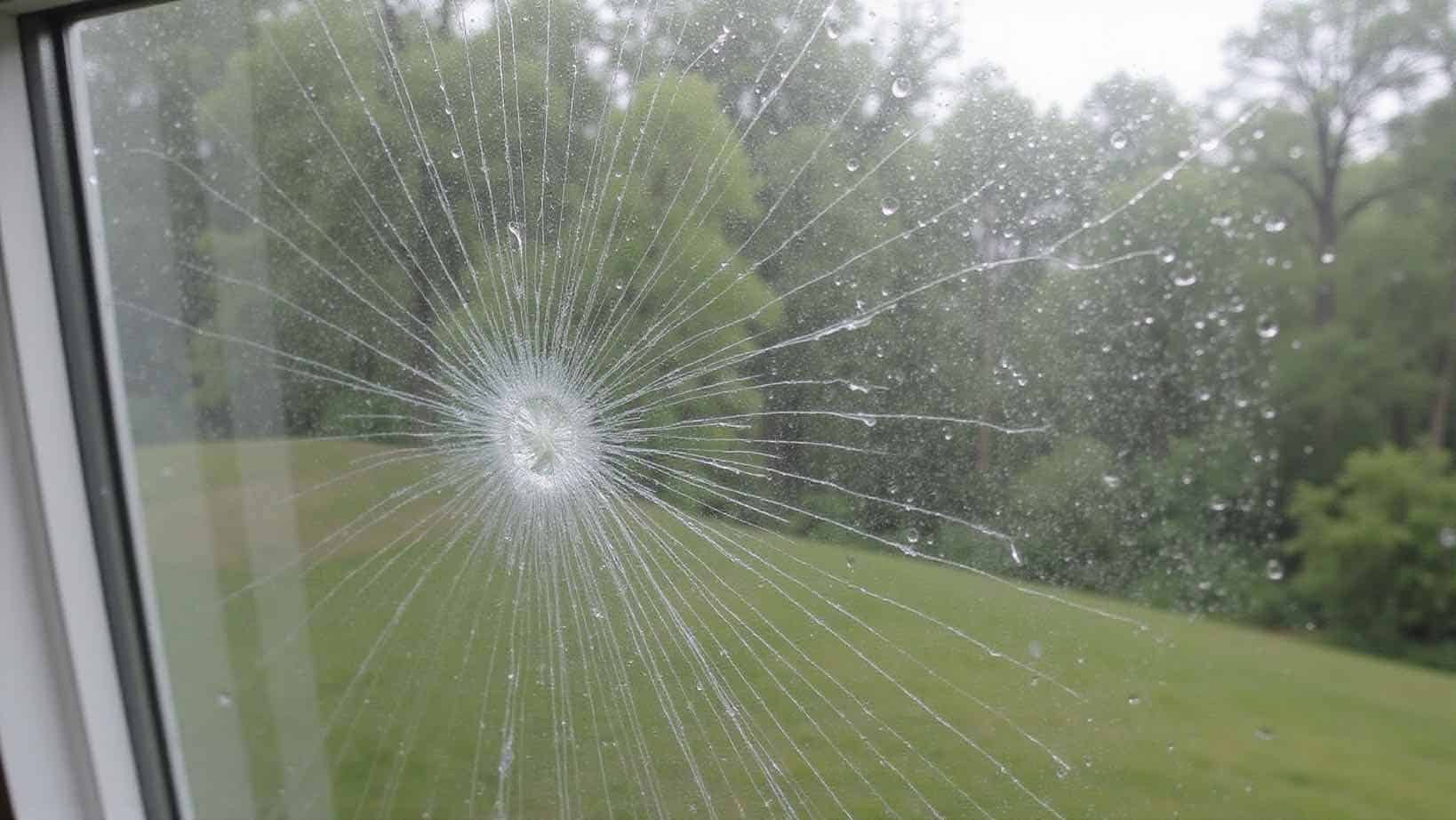
The moment a window breaks, move fast. Get everyone and every pet out of the room immediately, then close the door to block wind, rain, and flying debris. Head to an interior space with few windows, like a bathroom, closet, or hallway. Slip on closed-toe shoes before you go near the glass, and never walk barefoot where glass and water mix.
Key Takeaways
- Get everyone and every pet out of the damaged room immediately, moving fast to escape flying glass and debris.
- Herd people and pets to an interior space with few windows, such as a bathroom, closet, or hallway.
- Close the door to the damaged room to block wind, rain, and flying debris from spreading.
- Slip on closed-toe shoes before approaching the broken window, and never walk barefoot where glass and water mix.
- Wait for dangerous winds to ease before attempting any emergency boarding or covering of the window.
What to do if a window breaks during a storm
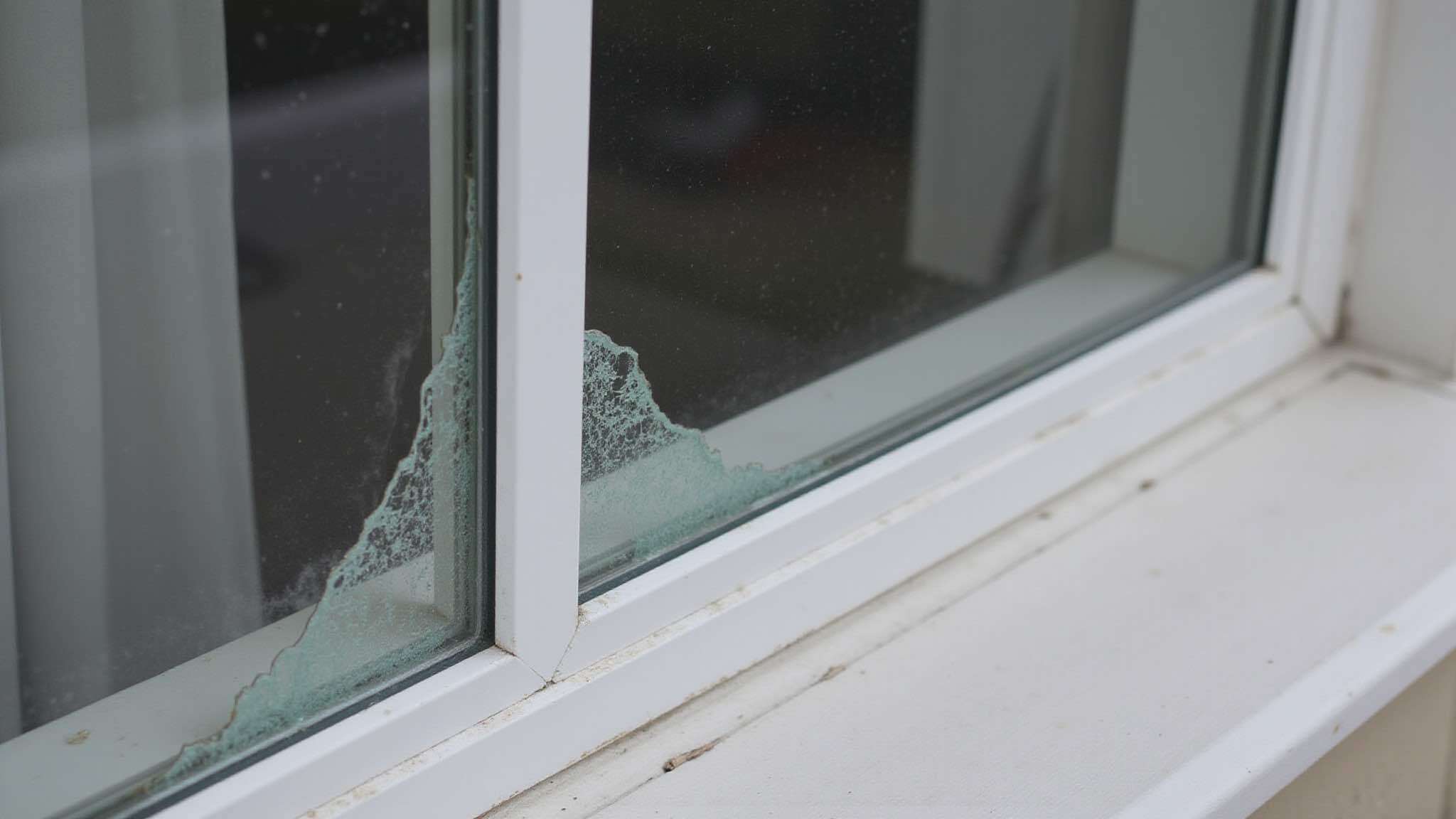
Move fast and get everyone out of the room when a window shatters during a storm. Herd all people and pets to an interior space, a bathroom, closet, or hallway with few windows. Close the door to that damaged room to block wind, rain, and flying debris. Slip on closed-toe shoes before you go near the broken window, and never walk barefoot where glass and water mix.
Practice storm safety by keeping your distance from cracked or hanging glass. Don’t pull shards from the frame while winds stay strong, leave that for later. Skip emergency boarding until conditions ease, since climbing near a fragile opening during high winds puts you at risk.
Wait for the storm to calm, then handle the opening safely.
How do you stay safe right after a window breaks
Get everyone and every pet out of the room, then close the door to slow wind and debris. Move to an interior space with few windows, like a bathroom, closet, or hallway. Cover the opening only after the storm eases, using plywood, plastic sheeting, cardboard, a tarp, or a heavy blanket. Pull on closed-toe shoes before you go near any shards, and never walk barefoot where glass and water mix. Keep your distance from cracked or hanging glass during active winds, and don’t attempt boarding while conditions stay dangerous. Wait for a break before handling the frame. For added protection, turn off your HVAC and shut nearby doors. Treat this as an emergency until repairs happen.
How do you cover a broken window during the storm

Cover a broken window by grabbing plywood, plastic sheeting, cardboard, a tarp, or a heavy blanket to seal the gap. Wait for a break in the storm before you cover the opening, since fighting active winds only puts you back in the danger zone. Use a material large enough to extend several inches past the frame on all sides. Secure the covering gently, and don’t press against cracked or partially attached glass still sitting in the frame. Close nearby interior doors to isolate the damaged room and cut wind penetration through the rest of the house. Turn off your HVAC system if wind-driven moisture or debris might get pulled through the vents. This temporary barrier limits water and wind entry until a professional secures the opening.
What materials can you use for an emergency patch
Materials you can use for an emergency patch include plywood, plastic sheeting, cardboard, a tarp, or a heavy blanket. Pick a material large enough to extend several inches past the frame so wind and water can’t sneak through the edges. Secure it gently. Don’t press hard against cracked glass that could shift or fall.
Keep these points in mind as you cover the opening:
- Size it right: Cover beyond the frame, not just the hole, for a tighter seal.
- Fasten carefully: Use tape, nails, or heavy objects, but avoid stressing loose shards.
- Prioritize safety: Skip the patch entirely if winds are still dangerous.
After you’ve covered it, close nearby interior doors to isolate the damaged room.
How do you document the damage for insurance

Photograph everything with your phone before you clean up a single shard. Capture the broken window, the surrounding walls, and any water that’s pushed inside. Shoot wide shots for context and close-ups for detail. Don’t stop at the window, document nearby damage too: fallen branches, debris, siding problems, roof issues, or foundation cracks.
After the scene is safe, walk the rest of the house and record any additional broken windows or structural damage. Check interior walls near the opening for leaks or water infiltration that could surface later.
Write down notes as you go, date, time, and what you’re seeing. Keep these photos and records organized for your insurance claim and repair crew. Thorough documentation now protects you when you file later.
When and how do you get the window professionally repaired
Call an emergency glazier or qualified repair service right away, once the storm passes and you’ve documented the damage. Treat the broken window as an urgent safety and weather-exposure issue until it’s professionally repaired. Don’t wait, since an open frame leaves your home vulnerable to intruders, moisture, and further damage.
When you contact a repair service, explain the situation clearly so they can respond appropriately:
- Describe the extent of the damage, including any hanging or partially attached glass still in the frame.
- Mention any water intrusion, electrical concerns, or nearby structural damage you spotted.
- Ask whether a temporary board-up or full replacement fits your situation and current weather.
Arrange the fix quickly, and let professionals handle unstable glass so you stay safe.
Conclusion
When a window breaks during a storm, your first job is safety, not cleanup. Get everyone and every pet out of the room, close the door, and move to an interior space away from the glass. Wait for the winds to ease before covering the opening with plywood, sheeting, or a tarp, then photograph everything for your insurance claim and call a qualified repair service as soon as it’s safe. Acting calmly in the right order protects your family first and your home second, which is exactly how it should be.
Prevent the Next Broken Window
The best way to handle a broken window in a storm is to keep it from breaking at all. At Innovative Storm Defense serving Lantana, FL, our experienced team installs trusted hurricane impact windows and dependable hurricane shutters that stand up to flying debris and high winds. Call (561) 517-9399 today and book your free consultation.
Frequently Asked Questions
Does Homeowners Insurance Typically Cover Storm-Related Window Damage?
Yes, your homeowners insurance typically covers storm-related window damage caused by wind, hail, or flying debris. Document everything before you clean up, take clear photos of the broken window, water intrusion, and any surrounding damage. Keep detailed notes for your claim. Call your insurer promptly to report the damage and ask about temporary board-up coverage. Save all repair receipts. Review your policy’s deductible and exclusions so you know what you’ll pay out-of-pocket.
Can I Prevent Windows From Breaking Before a Storm Hits?
Yes, you can strengthen your windows before a storm hits. Install storm shutters or board up windows with plywood ahead of severe weather. Apply protective window film to hold glass together on impact. Move outdoor furniture, tools, and debris inside so wind can’t hurl them through the glass. Trim weak branches near the house. Close and lock every window tightly, and keep interior doors shut to reduce dangerous pressure buildup.
How Much Does Emergency Window Replacement Usually Cost?
Emergency window replacement costs vary by window size, glass type, and your location, so pricing isn’t fixed. Right now, focus on securing the opening first. Call an emergency glazier or qualified repair service to board up or replace the window as soon as it’s safe. Document all damage with photos before cleanup for your insurance claim, and treat this as an urgent safety and weather-exposure issue until it’s professionally repaired.
Are Impact-Resistant Windows Worth Installing for Storm Protection?
Yes, impact-resistant windows are worth installing if you’re in a storm-prone area. They resist flying debris, reduce the chance of dangerous shattering, and help keep wind and water out during severe weather. You’ll protect your family from flying glass and cut down on emergency repairs like the ones we discussed. They also boost home safety and may lower your insurance premiums. Weigh the upfront cost against long-term storm protection and peace of mind.
What Should I Do if Broken Glass Causes an Injury?
Move away from the broken glass immediately to prevent further injury. Put on closed-toe shoes and gloves before you handle anything. If someone’s cut, apply firm pressure with a clean cloth to control the bleeding, and keep the wound elevated. For deep cuts, heavy bleeding, or embedded shards, call emergency services right away. Don’t walk barefoot near the damage, especially where water and glass mix. Keep kids and pets clear.